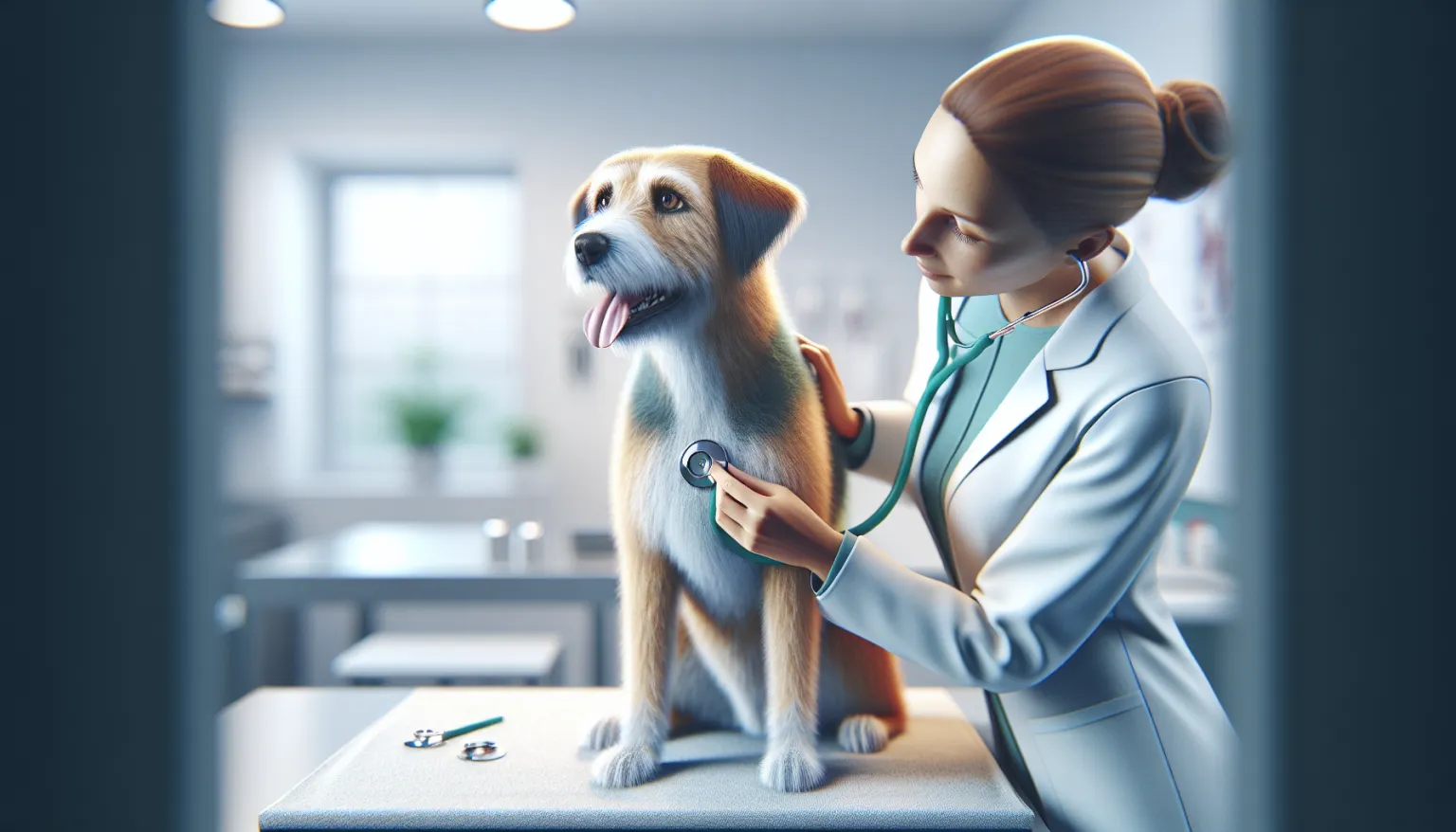
Sixteen Pounds of Relentless Determination
The Jack Chi inherits two of the most characterful small-dog bloodlines in existence. From the Jack Russell Terrier comes an almost absurd drive to hunt, dig, and problem-solve. From the Chihuahua comes fierce loyalty, surprising boldness relative to body size, and a metabolism that can keep this cross buzzing well into its mid-teens. The result is a small dog that does not act small, with a lifespan to match that outsized attitude.
But longevity potential and realized longevity are different things. The Jack Chi’s compact frame carries specific vulnerabilities from both parent lines, and several of those vulnerabilities interact in ways that demand proactive management rather than benign neglect.
Why the Jack Chi Can Live So Long
Small dogs live longer than large dogs. This is one of the most robust findings in canine aging research. A 2024 study in Scientific Reports analyzing over 580,000 dogs confirmed that body size remains the single strongest predictor of lifespan, with small breeds consistently outliving large and giant breeds by 4-7 years.
The Jack Chi benefits from this size advantage. At 8-18 lbs, its metabolic rate, growth trajectory, and cellular aging patterns favor longevity. Both parent breeds are long-lived for dogs: Jack Russell Terriers frequently reach 14-16 years, and Chihuahuas routinely live 14-18 years. The cross inherits favorable genetics from both sides.
First-generation Jack Chi crosses may also benefit from heterosis (hybrid vigor), which can reduce the expression of recessive genetic conditions that accumulate in tightly bred purebred populations. A 2013 JAVMA study found that purebreds were significantly more likely to develop 10 of 24 genetic disorders studied compared to mixed-breed dogs.
The Conditions That Define Jack Chi Health Management
Dental Disease: The Silent Longevity Thief
Both the Jack Russell Terrier and the Chihuahua carry elevated risk for dental disease, and the Jack Chi inherits that risk fully. Small breeds develop periodontal disease at higher rates than larger dogs because their teeth are proportionally large relative to jaw size, creating crowding that traps bacteria and accelerates plaque formation.
This is not a cosmetic issue. Chronic periodontal disease drives systemic inflammation that damages the kidneys, liver, and heart valves over time. A study published in the Journal of Veterinary Dentistry found that dogs with severe periodontal disease had significantly higher rates of organ damage at necropsy compared to dogs with healthy mouths. In a dog that could live 17 years, untreated dental disease may shave two or more years off that potential.
Start dental home care before your Jack Chi’s adult teeth fully erupt. Daily brushing with enzymatic toothpaste is the gold standard, supplemented by annual professional dental cleanings under anesthesia beginning at age 2. See Dental Health Nutrition Protocol for dietary strategies that support oral health.
Luxating Patella
Luxating patella occurs when the kneecap slides out of its normal groove in the femur. Both parent breeds are predisposed, making this one of the Jack Chi’s most probable orthopedic conditions. Roughly 7% of all dogs are affected, but the rate in small breeds is substantially higher.
Patellar luxation is graded on a I-IV scale. Grade I (intermittent, manually reducible) may need only monitoring and weight management. Grades III-IV typically require surgical correction to prevent cartilage erosion and secondary arthritis. Early detection matters: if your Jack Chi occasionally skips a step on a rear leg or intermittently carries one hind leg for a few strides before returning to normal, that is not a quirk. It is a patellar luxation that warrants veterinary evaluation.
Heart Disease
The Chihuahua parent contributes risk for heart disease, particularly mitral valve disease (MVD), which is the most common acquired cardiac condition in small-breed dogs. MVD progresses through stages: an asymptomatic murmur detected on auscultation (Stage B1), structural heart changes visible on echocardiogram (Stage B2), and eventually congestive heart failure (Stage C/D).
The EPIC trial demonstrated that starting pimobendan at Stage B2 delays the onset of heart failure by a median of 15 months. This makes early detection through routine cardiac auscultation genuinely impactful. Annual auscultation starting at age 5, with echocardiography if a murmur is detected, gives you the best chance to intervene before symptoms develop.
Tracheal Collapse
Tracheal collapse affects toy and small breeds disproportionately, and both Chihuahuas and small Jack Russells carry risk. The tracheal rings lose rigidity over time, causing the airway to flatten during breathing. The hallmark sign is a honking cough, often triggered by excitement, pulling on a leash, or drinking water.
Prevention centers on avoiding neck pressure (use a harness rather than a collar from day one), maintaining lean body weight to reduce respiratory burden, and managing environmental irritants. In advanced cases, medical management with cough suppressants and bronchodilators or surgical stenting may be necessary.
Eye Conditions and Skin Allergies
Eye conditions including lens luxation and progressive retinal changes can appear in Jack Chi lines, particularly from the Jack Russell side. Annual ophthalmic screening is a reasonable precaution, especially after age 6.
Skin allergies, including both environmental atopy and contact dermatitis, affect both parent breeds. Persistent scratching, paw licking, or recurrent hot spots warrant allergy workup rather than repeated symptomatic treatment. See Skin and Coat Nutrition for dietary support strategies.
Nutrition for the Jack Chi Frame
At 8-18 lbs, the Jack Chi has a higher metabolic rate per pound of body weight than larger breeds. This means it needs calorie-dense, nutrient-rich food in controlled portions. Overfeeding a Jack Chi by even a small amount accumulates quickly on a small frame, and excess weight stresses the patellar joints and trachea simultaneously.
Use Feeding Guide for Small Breeds as your baseline framework. Measured meals twice daily are preferable to free-feeding. Treats should represent no more than 10% of daily caloric intake, and dental chews count as treats.
Body condition scoring should happen monthly. Target a BCS of 4-5 on the 9-point scale: ribs easily palpable with minimal fat cover, clearly visible waist tuck when viewed from above, and abdominal tuck when viewed from the side.
Omega-3 supplementation supports skin health and may reduce inflammatory load in a cross prone to both skin allergies and cardiac disease. Dose at approximately 75 mg EPA+DHA per kg of body weight daily.
Exercise and Mental Stimulation
The Jack Chi is not a lap dog, despite its size. The Jack Russell influence creates a dog that needs genuine physical and mental activity to maintain behavioral and physiological health. Plan for 45-60 minutes of daily exercise, split between walks, structured play, and mental enrichment.
Mental stimulation matters as much as physical activity for this cross. Puzzle feeders, scent work, short training sessions, and supervised exploration satisfy the terrier brain. Under-stimulated Jack Chis develop anxiety-driven behaviors (excessive barking, destructive chewing, resource guarding) that erode quality of life.
Avoid collar-based leash walking entirely. A well-fitted harness protects the trachea and cervical spine from the sudden jerks that an enthusiastic small terrier cross will inevitably generate.
Preventive Screening Timeline
- Puppy to 12 months: Patellar luxation check at each puppy visit. Establish dental baseline. Microchip and discuss vaccination protocol tailored to lifestyle risk.
- 1 to 5 years: Annual wellness exam with patellar palpation, cardiac auscultation, dental assessment, and body condition scoring. Professional dental cleaning as indicated. Baseline bloodwork by age 3.
- 5 to 10 years: Add cardiac auscultation focus (mitral valve disease screening). Annual eye exam. Senior bloodwork beginning at age 7. Reassess dental cleaning frequency.
- 10+ years: Twice-yearly exams. Comprehensive senior panel including thyroid, kidney values, and cardiac biomarkers. Mobility assessment. Cognitive function screening.
Breed-Specific Research
These resources provide deeper context for Jack Chi health management:
- Dental Disease and Longevity in Dogs: why oral health is a longevity intervention, not just cosmetics.
- Cardiovascular Screening Cadence for Small Breed Dogs: timing and methods for cardiac surveillance in small breeds.
- Hybrid Vigor in Dogs: What the Evidence Shows: what crossbreeding actually does (and does not do) for health outcomes.
Condition-Specific Monitoring Triggers
These are the signals that should prompt veterinary evaluation rather than continued observation:
- Dental Disease: Bad breath, red or bleeding gums, reluctance to eat hard food, pawing at the mouth, loose or discolored teeth.
- Luxating Patella: Skipping steps on a rear leg, intermittent lameness that resolves spontaneously, reluctance to jump onto furniture.
- Heart Disease: Coughing after exertion or at rest, exercise intolerance, elevated resting respiratory rate above 30 breaths per minute, fainting episodes.
- Tracheal Collapse: Honking cough triggered by excitement or exertion, labored breathing, blue-tinged gums.
- Eye Conditions: Cloudiness in one or both eyes, bumping into objects, excessive tearing, squinting.
- Skin Allergies: Persistent scratching, face rubbing, paw licking, recurrent hot spots, or skin redness that does not resolve with basic grooming.
12-Month Longevity Execution Plan
Quarter 1: Baseline and Risk Mapping
- Establish current weight, body condition score, and dental status
- Complete patellar luxation check and cardiac auscultation
- Begin or optimize daily dental care routine
- Switch to harness if still using a collar for walks
- Set feeding protocol with measured meals and defined treat budget
Quarter 2: Adherence and Early Detection
- Compare weight and BCS against Q1 baseline, adjust feeding if drifting
- Audit dental care compliance: are you brushing daily? Honestly?
- Schedule professional dental cleaning if overdue
- Monitor for any intermittent lameness or skipped steps
Quarter 3: Midyear Systems Check
- Review skin and coat condition; address any emerging allergy patterns
- Reassess exercise intensity and mental enrichment adequacy
- Eye health check if not done at annual wellness visit
- Cardiac reassessment if murmur was previously noted
Quarter 4: Annual Review and Forward Planning
- Comprehensive wellness exam with full bloodwork
- Year-end dental assessment and cleaning as indicated
- Review all screening data and set next year’s monitoring priorities
- Update your escalation trigger checklist based on any new findings
When to Seek Emergency Care
Do not wait on any of the following:
- Severe respiratory distress with blue-tinged gums or tongue (potential tracheal collapse crisis)
- Sudden inability to bear weight on a hind leg with obvious pain
- Collapse or fainting, especially during or after activity
- Acute abdominal pain with vomiting and refusal to eat
- Sudden onset of severe lethargy with pale gums
- Seizure activity lasting more than 3 minutes or multiple seizures within 24 hours
Home Tracking Dashboard
Monitor these markers monthly to catch drift before it becomes disease:
- Weight and body condition score with rib palpation
- Dental health: gum color, breath quality, willingness to chew
- Gait quality on both hind legs, especially after rest
- Breathing pattern: any coughing, honking, or labored respiration
- Skin condition: scratching frequency, hot spots, coat quality
- Energy level and exercise tolerance
- Resting respiratory rate (count breaths over 15 seconds, multiply by 4; normal is under 30)
Frequently Asked Questions
How long do Jack Chis typically live? Jack Chis have a lifespan of 13-17 years, reflecting the strong longevity genetics of both parent breeds. Both Jack Russell Terriers and Chihuahuas are among the longest-lived dog breeds, and the cross typically falls within or near this range when well-managed.
Are Jack Chis healthier than their parent breeds? First-generation crosses may benefit from hybrid vigor for certain recessive conditions. However, both parent breeds share predispositions to dental disease, luxating patella, and cardiac conditions, so the Jack Chi inherits those risks regardless of the cross. Health testing of both parents before breeding is the most reliable predictor of offspring health.
What is the most important health intervention for a Jack Chi? Daily dental care. Both parent breeds carry elevated periodontal disease risk, and untreated dental disease drives systemic inflammation that shortens lifespan. Daily brushing with enzymatic toothpaste, combined with annual professional cleanings, is the highest-return longevity intervention for this cross.
Should I use a collar or harness for my Jack Chi? Always a harness. Both parent breeds carry risk for tracheal collapse, and collar pressure on the neck worsens this condition. A well-fitted Y-front or step-in harness distributes force across the chest rather than the throat.
How much exercise does a Jack Chi need? Plan for 45-60 minutes daily, combining physical activity with mental enrichment. The Jack Russell influence creates a dog that needs real stimulation, not just a brief walk around the block. Puzzle feeders, scent work, and short training sessions are as important as physical exercise.
When should cardiac screening begin for a Jack Chi? Annual cardiac auscultation should be part of every routine exam, with particular attention starting around age 5 when mitral valve disease risk begins to increase. If a murmur is detected, echocardiography determines the stage and whether medication should begin.
My Jack Chi’s kneecap seems to pop out sometimes. Is this serious? Yes, this is likely patellar luxation and warrants veterinary evaluation even if it resolves on its own. Low-grade luxation may only need monitoring and weight management, but higher grades can erode cartilage and lead to arthritis if left untreated. Early assessment determines the appropriate management strategy.
References
[1] Life expectancy, mortality, and longevity in companion dogs (Scientific Reports, 2024) [2] Prevalence of inherited disorders among mixed-breed and purebred dogs (Bellumori et al., JAVMA, 2013) [3] EPIC Trial: Effect of Pimobendan in Dogs with Preclinical Myxomatous Mitral Valve Disease (Boswood et al., JVIM, 2016) [4] Effects of Diet Restriction on Life Span and Age-Related Changes in Dogs (Kealy et al., 2002) [5] Orthopedic Foundation for Animals (OFA) [6] Merck Veterinary Manual [7] AAHA Canine Life Stage Guidelines
This content is for informational purposes only and does not constitute veterinary advice. Always consult a licensed veterinarian for decisions about your dog’s health, diagnosis, and treatment.
Related reads
Related Reading
Continue exploring