Intelligence Meets Tenacity
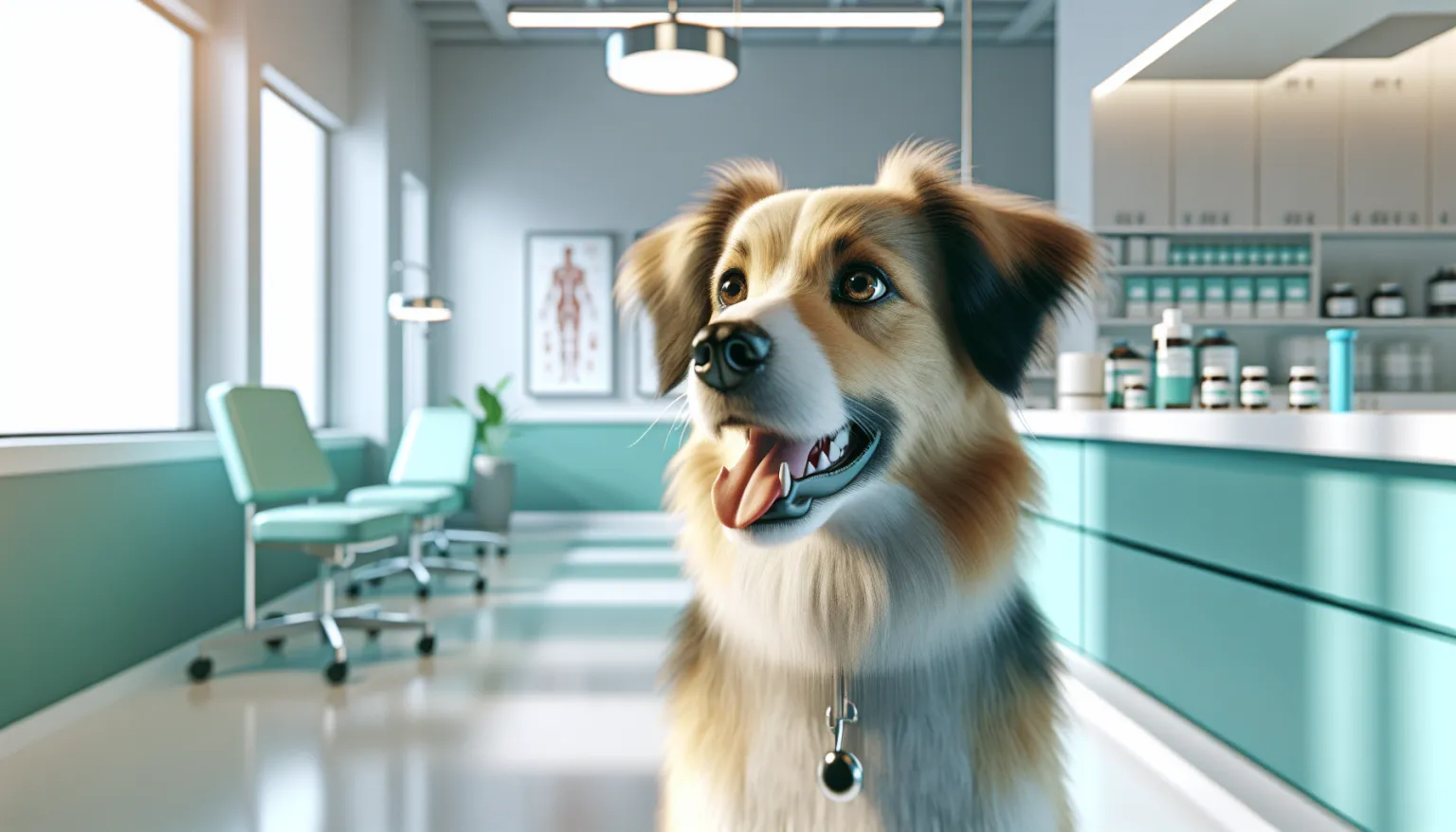
Take the Jack Russell Terrier’s fearless work ethic and problem-solving grit, blend it with the Poodle’s intelligence and hypoallergenic coat, and you get a dog that outsmarts most of its owners at least once a week. The Jackapoo (also called the Jack-A-Poo or Jackadoodle) is a cross between the Jack Russell Terrier and the Miniature Poodle or Toy Poodle, producing a compact, athletic dog with a brain that needs constant occupation.
Both parent breeds are long-lived for dogs. The Jack Russell Terrier is one of the longest-lived breeds overall, with a median lifespan exceeding 14 years in UK breed surveys. Miniature and Toy Poodles routinely reach 14-16 years. The Jackapoo inherits this favorable longevity baseline, but translating potential into actual years requires managing the specific conditions that both parent lines contribute.
What Two Long-Lived Breeds Create
The Jackapoo benefits from the fundamental size advantage that drives small-dog longevity. At 12-25 lbs, it sits in the body-size zone associated with the longest canine lifespans. The 2024 companion dog longevity study in Scientific Reports confirmed that body size remains the single strongest predictor of lifespan across all breeds and mixes.
First-generation Jackapoo crosses may benefit from heterosis, reducing expression of certain recessive conditions that accumulate in tightly bred purebred populations. However, both parent breeds share predispositions to luxating patella, eye conditions, and dental disease. For these overlapping vulnerabilities, hybrid vigor offers minimal additional protection.
The 12-16 year lifespan range is achievable with consistent preventive care. Reaching the upper end requires getting the basics right: dental health, joint protection, weight management, and proactive screening.
The Conditions That Shape Jackapoo Health
Luxating Patella
Luxating patella is among the most common orthopedic conditions in small breeds, and both the Jack Russell Terrier and the Poodle carry documented predisposition. The kneecap slides out of its groove in the femur, causing intermittent lameness that ranges from barely noticeable to chronically debilitating.
The grading system runs I through IV. Grade I luxation (intermittent, manually reducible) may need only weight management and monitoring. Grade II (spontaneous luxation that the dog sometimes self-corrects) warrants closer veterinary follow-up. Grades III and IV typically require surgical correction to prevent progressive cartilage erosion and secondary arthritis.
The early sign owners most often describe: the dog skips a step on one hind leg during a walk, carries the leg briefly, then returns to normal gait. This is not a quirk. It is a patellar luxation event, and it should be evaluated even if the dog seems unbothered.
Progressive Retinal Atrophy
Both parent breeds carry well-documented risk for progressive retinal atrophy (PRA). The prcd-PRA mutation is prevalent in Poodle lines, and other PRA variants appear in Jack Russell Terriers. PRA causes progressive retinal degeneration beginning with night blindness and advancing to complete vision loss.
Reputable breeders test both parents for PRA before crossing. If your Jackapoo’s genetic background is unknown, DNA testing through Embark or Wisdom Panel can identify carrier status. Regardless of genetic test results, annual ophthalmic exams starting at age 3 provide clinical surveillance for early retinal changes.
Additional eye conditions from both parent lines include lens luxation (particularly from the Jack Russell side) and cataracts. See Eye Health Screening Frequency by Breed for recommended intervals.
Dental Disease
Small breeds develop dental disease at higher rates than larger dogs, and the Jackapoo inherits this risk from both parents. The Jack Russell’s compact jaw and the Poodle’s predisposition to early periodontal disease create a cross where dental health demands attention from puppyhood.
The consequences of neglected dental care extend far beyond the mouth. Chronic periodontal infection drives systemic inflammation affecting the heart, kidneys, and liver. In a dog that could live 16 years, dental disease may quietly erode that potential by promoting organ damage that manifests only in the senior years.
Daily brushing with enzymatic toothpaste is the gold standard. Supplement with dental chews (counting them toward the daily treat budget) and professional cleanings under anesthesia as recommended by your veterinarian, typically annually starting at age 2-3. See Dental Disease and Longevity in Dogs for the evidence connecting oral health to lifespan.
Ear Infections
The Poodle contributes floppy, hair-filled ear canals that trap moisture and debris, creating ideal conditions for yeast and bacterial ear infections. If your Jackapoo inherited the Poodle’s ear type (which most do), consistent ear care is a lifetime commitment, not an occasional grooming extra.
Weekly ear cleaning with a veterinary-approved cleanser, regular ear canal hair removal during professional grooming, and thorough drying after any water exposure form the prevention triad. Active infections need full-course treatment; stopping medication when symptoms improve but before the infection is fully resolved invites resistant recurrences.
Skin Allergies
Both parent breeds carry predisposition to skin allergies, including environmental atopy and contact dermatitis. The Jackapoo’s coat, whether wiry, wavy, or curly, can trap environmental allergens against the skin, compounding the problem.
Persistent scratching, face rubbing, paw licking (especially between toes), and recurrent hot spots that do not resolve with basic grooming warrant allergy workup. Treatment options range from allergen-specific immunotherapy to medications like oclacitinib or lokivetmab, supported by dietary strategies from Skin and Coat Nutrition.
Nutrition for the Jackapoo
At 12-25 lbs, the Jackapoo has a metabolic rate higher per pound than larger breeds, requiring calorie-dense, nutrient-rich food in carefully controlled portions. Use Feeding Guide for Small Breeds as your framework.
Measured meals twice daily prevent the gradual weight creep that small dogs are susceptible to. Treats, including dental chews, should not exceed 10% of daily caloric intake. Monthly body condition scoring keeps feeding on track: target a BCS of 4-5 on the 9-point scale with ribs easily palpable and a visible waist tuck.
Omega-3 supplementation at approximately 75 mg EPA+DHA per kg of body weight supports skin health and reduces inflammatory load, addressing the skin allergy and joint protection needs simultaneously.
Exercise and the Terrier Brain
The Jackapoo is not a lap dog. The Jack Russell parent was developed to hunt foxes underground, requiring explosive energy, problem-solving ability, and fearless determination. The Poodle parent was developed as a water retriever and circus performer, requiring intelligence, trainability, and endurance. Their offspring needs both physical exertion and mental challenge to function well.
Plan for 45-75 minutes of daily activity combining:
- Brisk walks on varied terrain
- Structured play (fetch, tug, chase games in a secure area)
- Scent work and tracking exercises (satisfies the terrier hunting drive)
- Short training sessions incorporating new tricks and problem-solving tasks
- Puzzle feeders and interactive toys
Use a harness rather than a collar to protect the trachea and cervical spine. The Jack Russell’s enthusiasm for lunging at stimuli creates regular neck pressure on a collar that compounds over years.
Avoid extended high-impact activity in dogs with documented patellar luxation. Swimming provides excellent conditioning with minimal knee stress, though not all Jackapoos inherit the Poodle’s water affinity.
Preventive Screening Timeline
- Puppy to 12 months: Patellar luxation check at each puppy visit. Establish dental care routine. Begin ear care protocol.
- 1 to 5 years: Annual wellness exam with patellar palpation, eye exam, cardiac auscultation, dental assessment, and body condition scoring. Professional dental cleaning as indicated. Baseline bloodwork by age 3.
- 5 to 10 years: Continue annual screening with increased attention to eye health and cardiac auscultation. Senior bloodwork beginning at age 7. Dental cleaning frequency based on individual progression.
- 10+ years: Twice-yearly exams. Comprehensive senior panel including thyroid and kidney function. Mobility assessment. Cognitive function screening.
Breed-Specific Research
These resources provide deeper context for Jackapoo health management:
- Dental Disease and Longevity in Dogs: the evidence linking oral health to systemic health and lifespan.
- Eye Health Screening Frequency by Breed: recommended surveillance intervals for PRA-susceptible breeds.
- Designer Dog Health Testing: What Breeders Should Screen: which genetic tests matter for Poodle crosses.
Condition-Specific Monitoring Triggers
These signals should prompt veterinary evaluation rather than continued observation:
- Luxating Patella: Skipping steps on a rear leg, intermittent rear-limb lameness, reluctance to jump, or audible clicking from the knee.
- Progressive Retinal Atrophy: Bumping into objects in dim light, dilated pupils, reluctance to navigate unfamiliar spaces at night, or hesitation on stairs in low light.
- Dental Disease: Bad breath, red or bleeding gums, reluctance to eat hard food, pawing at the mouth, or visible tartar buildup.
- Ear Infections: Head shaking, odor from ear canals, dark discharge, scratching at ears, or head tilt.
- Skin Allergies: Persistent scratching, face rubbing, paw licking, recurrent hot spots, or skin redness that does not resolve with bathing.
- Eye Conditions: Cloudiness, excessive tearing, squinting, eye rubbing, or any sudden change in the appearance of the eye.
12-Month Longevity Execution Plan
Quarter 1: Baseline and Risk Mapping
- Document weight, body condition score, dental status, and gait quality
- Complete patellar luxation check and baseline eye exam
- Establish daily dental care routine (brushing + appropriate chews)
- Set feeding protocol: measured meals, treat budget, frequency
- Begin or optimize ear care routine (weekly cleaning)
Quarter 2: Adherence and Pattern Recognition
- Compare weight and BCS against Q1 baseline; adjust feeding if drifting
- Audit dental care compliance: daily brushing happening consistently?
- Monitor for skin allergy patterns: seasonal triggers, contact allergens
- Track any gait abnormalities in a simple log
Quarter 3: Midyear Reassessment
- Eye health review if not covered at annual wellness
- Skin and coat assessment: is the allergy management strategy working?
- Ear health audit: frequency of infections, cleaning compliance
- Reassess exercise protocol: is mental stimulation adequate?
Quarter 4: Annual Review and Forward Planning
- Comprehensive wellness exam with full bloodwork
- Professional dental cleaning as indicated
- Year-end patellar and eye assessment
- Use full-year data to refine next year’s screening and management priorities
When to Seek Emergency Care
Do not wait on any of the following:
- Sudden inability to bear weight on a hind leg with obvious pain
- Acute eye pain (squinting, pawing at the eye, eye held shut)
- Sudden collapse or fainting
- Labored breathing with blue-tinged gums
- Seizure activity lasting more than 3 minutes
- Acute abdominal pain with vomiting
- Complete food refusal lasting more than 24 hours with concurrent lethargy
Home Tracking Dashboard
Monitor these markers monthly to catch problems early:
- Weight and body condition score with rib palpation
- Dental health: gum color, breath quality, willingness to chew hard items
- Gait quality on both hind legs, especially after rest
- Ear health: odor, discharge, head shaking frequency
- Skin condition: scratching frequency, hot spots, coat quality
- Eye clarity and navigational confidence
- Energy level and behavioral markers of adequate stimulation
- Resting respiratory rate during sleep
Frequently Asked Questions
How long do Jackapoos typically live? Jackapoos average 12-16 years, benefiting from the strong longevity genetics of both parent breeds. The Jack Russell Terrier is one of the longest-lived breeds overall, and Miniature/Toy Poodles routinely reach 14-16 years. The cross typically falls within or near this favorable range.
Are Jackapoos hypoallergenic? No dog is truly hypoallergenic. Jackapoos with curlier, Poodle-type coats shed less and may produce fewer airborne allergens than dogs with straight coats, but they still produce dander and saliva proteins that trigger allergies in sensitive individuals. Meet the specific puppy before committing if allergies are a concern.
What is the biggest health concern for a Jackapoo? Dental disease is arguably the most impactful because it is both highly prevalent in this cross and systemically damaging when left unmanaged. Daily brushing and regular professional cleanings are the highest-return longevity intervention for most Jackapoos.
How much exercise does a Jackapoo need? Plan for 45-75 minutes daily, combining physical activity with mental enrichment. The Jack Russell’s working-terrier drive and the Poodle’s intelligence create a dog that needs both body and brain exercise. Under-stimulated Jackapoos develop behavioral problems that reduce quality of life.
Should I worry about my Jackapoo’s eyes? Both parent breeds carry risk for progressive retinal atrophy and other eye conditions. Annual ophthalmic exams starting at age 3, combined with genetic testing if your dog’s breeding background is unknown, provide comprehensive surveillance. Early detection allows environmental adaptation before significant vision loss occurs.
Why does my Jackapoo skip on one back leg sometimes? This is almost certainly a patellar luxation event: the kneecap is briefly sliding out of its groove and then popping back in. Have your veterinarian grade the luxation. Low grades may need only monitoring and weight management, while higher grades may require surgical correction to prevent long-term joint damage.
References
[1] Life expectancy, mortality, and longevity in companion dogs (Scientific Reports, 2024) [2] Prevalence of inherited disorders among mixed-breed and purebred dogs (Bellumori et al., JAVMA, 2013) [3] Effects of Diet Restriction on Life Span and Age-Related Changes in Dogs (Kealy et al., 2002) [4] Orthopedic Foundation for Animals (OFA) [5] Merck Veterinary Manual [6] AAHA Canine Life Stage Guidelines
This content is for informational purposes only and does not constitute veterinary advice. Always consult a licensed veterinarian for decisions about your dog’s health, diagnosis, and treatment.
Related reads
Related Reading
Continue exploring