The Entlebucher Mountain Dog Lifespan: What the Data Shows
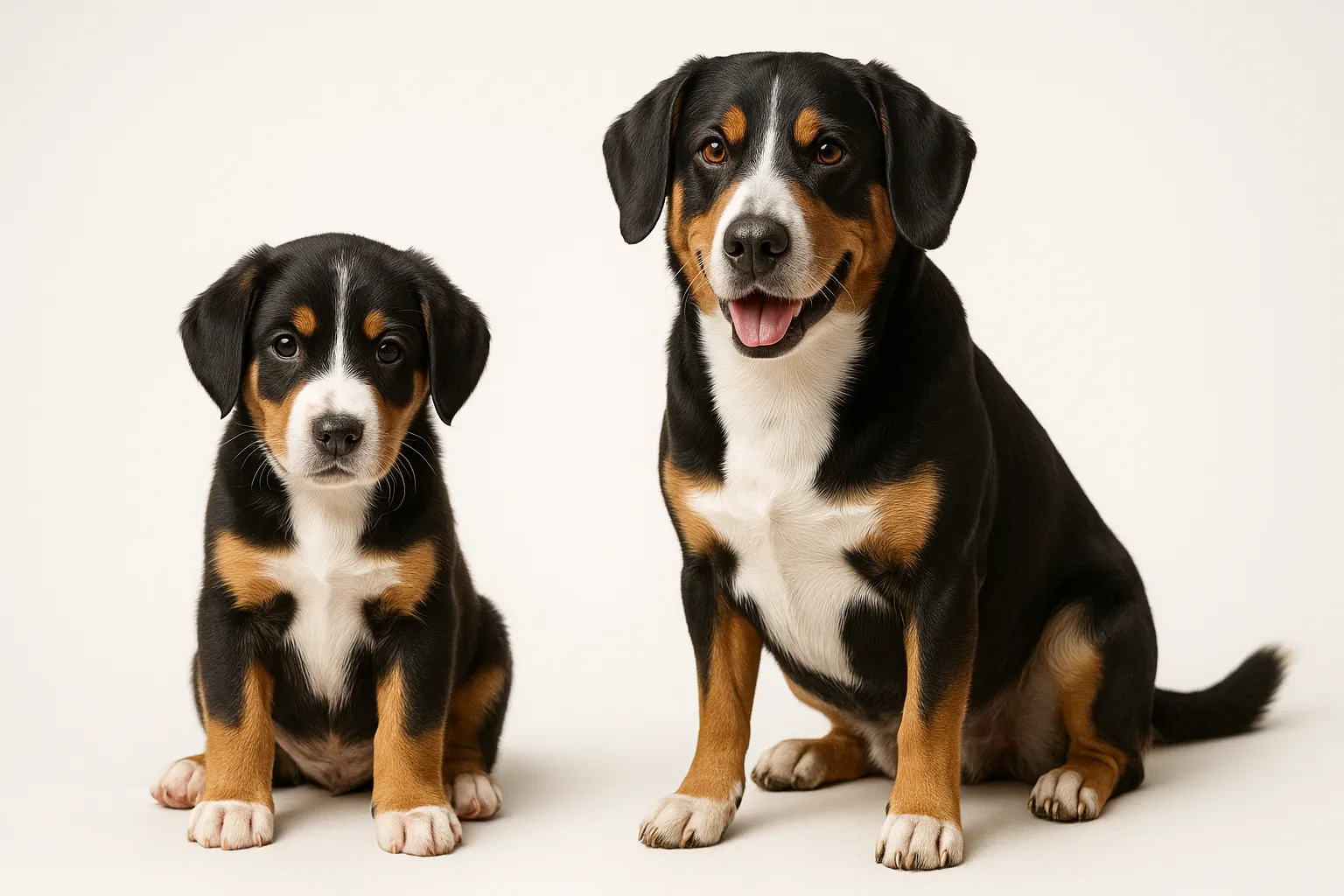
The Entlebucher Mountain Dog is the smallest and most agile of the four Swiss mountain dog breeds. Bred for herding and droving cattle in the steep Entlebuch valley of Switzerland, these compact, muscular dogs bring relentless energy to everything they do. Most live 11-13 years.
Their health profile centers on three areas that demand early attention. Hip and elbow dysplasia affect the breed at moderate rates. A breed-specific blood disorder called hereditary stomatocytosis causes mild hemolytic anemia and elevated liver enzymes. And inherited eye conditions, including X-linked progressive retinal atrophy, can steal vision if left unmonitored. The breed remains rare outside Switzerland and North America, which concentrates these risks in a small gene pool.
Bloat risk is also present. The Entlebucher’s chest is deep relative to its body width, a conformation that predisposes to gastric dilatation-volvulus.
What This Breed Is Most Likely to Face
Hip Dysplasia
Hip dysplasia shows up in Entlebuchers at moderate rates. OFA hip evaluation at 24 months gives you a structural baseline and is required for responsible breeding. Keeping your dog lean, managing exercise intensity during growth, and feeding joint-supportive nutrition all reduce how severely dysplasia expresses.
See the Hip Dysplasia guide for full prevention and management detail.
Progressive Retinal Atrophy
XLPRA2 (X-linked progressive retinal atrophy type 2) is a documented concern in this breed. DNA testing identifies whether a dog is clear, a carrier, or affected. Hemizygous males and homozygous females develop the disease; carrier females typically remain unaffected but pass the mutation to offspring. Annual CAER exams provide clinical monitoring alongside genetic results.
See the Progressive Retinal Atrophy guide for full prevention and management detail.
Bloat (GDV)
The Entlebucher’s moderately deep chest puts it on the bloat risk map. Feeding two or more smaller meals daily, using a slow feeder, and avoiding hard exercise within an hour of eating all reduce risk. Know the early signs: unproductive retching, a distended abdomen, sudden restlessness. GDV is a veterinary emergency — minutes matter.
See the Bloat (GDV) guide for full prevention and management detail.
Practical Longevity Strategies
Hereditary Stomatocytosis Awareness
Hereditary stomatocytosis (HSt) is unique to Entlebuchers. It causes mild hemolytic anemia, elevated liver enzymes (particularly ALT), and in some dogs, hepatic changes over time. You may notice reduced exercise tolerance in affected dogs.
A DNA test is available and should be run on all breeding stock. Dogs with confirmed HSt need annual liver panel monitoring. The good news: most affected dogs live normal-quality lives when owners adjust workload expectations and track liver values consistently.
High-Energy Work Management
These are working dogs built for full days of herding cattle across alpine terrain. Without a real outlet for that drive, their energy turns inward — destructive behavior, excessive barking, anxiety. Entlebuchers excel at herding, agility, rally, and search and rescue work.
Plan for 60-90 minutes of vigorous daily activity plus mental enrichment. This breed is not suited to low-activity households, and no amount of yard space substitutes for structured exercise.
Proactive Senior Transition
With an 11-13 year lifespan, senior care protocols should begin around age 8. Annual bloodwork tracking liver enzymes (especially relevant for HSt dogs), kidney function, and complete blood count gives you early warning of age-related changes.
Monthly body condition scoring keeps weight in check as activity naturally decreases. Entlebuchers tend toward weight gain when their workload drops — staying ahead of that curve protects joints and metabolic health.
Where to Focus Your Prevention Effort
The actions most likely to extend your Entlebucher Mountain Dog’s healthy years:
- OFA hip and elbow evaluation at 24 months — hip and elbow dysplasia are prevalent in the breed
- DNA testing for progressive retinal atrophy (XLPRA2) and hereditary stomatocytosis
- Annual CAER eye exam — multiple inherited eye conditions documented in this breed
Center your next vet conversation on these priorities and adjust the plan quarterly based on what the data shows. See Hip Dysplasia, Progressive Retinal Atrophy Pra, Bloat for condition-specific guidance.
Evidence-Based Longevity Priorities
Body Composition and Muscle Maintenance
Lean body weight and preserved muscle mass rank among the highest-yield longevity interventions for any Entlebucher. These dogs were built for sustained movement — herding demands stable muscle-to-fat ratios for long-term joint health. When body composition drifts, orthopedic problems and cardiovascular strain follow.
Monthly weigh-ins and body condition scoring catch the slow creep that owners often miss.
Condition-Focused Prevention Stack
The conditions most likely to cut short an Entlebucher’s life or degrade its quality are Hip Dysplasia, Progressive Retinal Atrophy Pra, and Bloat. Consistent early intervention across these three areas preserves your options and prevents the delayed-treatment drift that makes every condition harder to manage.
Behavior, Stress Load, and Recovery
How an Entlebucher lives day to day directly shapes how it ages. Unpredictable schedules and insufficient mental work show up as behavior drift, sleep disruption, or recovery problems — often well before any physical decline becomes visible. Routine matters for this breed.
Preventive Screening Cadence
Schedule veterinary reassessments based on age bands and trend changes, not symptoms. Planned checkpoints focused on orthopedic function and gait quality improve early detection and widen your intervention window.
Breed-Specific Research
Use these evidence deep dives to add mechanism-level context to your Entlebucher Mountain Dog longevity plan:
- Hip Dysplasia Lifetime Load Management: hip dysplasia management from early diagnosis through senior years
- Genetic Testing For Dogs Clinical Roi: PRA and hereditary stomatocytosis genetic testing in Entlebuchers
- Exercise Prescription By Life Stage: exercise management for a high-drive herding breed across the lifespan
Making Genetic Testing Actionable
Genetic testing should shape your monitoring strategy — not replace it. Use results to tighten surveillance windows and set clearer intervention thresholds. Consider MDR1 gene testing to guide medication safety and OFA or PennHIP hip and elbow scoring to quantify orthopedic risk early.
- Start with a genetic panel designed around your Entlebucher Mountain Dog’s most common conditions. Let the results prioritize which health areas deserve closer surveillance.
- Tie your first monitoring playbook to Hip Dysplasia and Progressive Retinal Atrophy Pra so test results drive practical follow-through.
- Keep a running health log — test results, clinical findings, home observations. Patterns that matter only emerge when you connect data points across months and years.
- Life-stage transitions are natural checkpoints for updating your monitoring plan. What mattered at two years old may be less relevant at eight, and new priorities will have emerged.
Testing is only as good as the decisions it drives. If nothing changes after you get the results, the test was premature or unnecessary.
Breeding History & Health Implications
The Entlebucher was bred for sustained movement, vigilance, and rapid decision-making under heavy workload. That heritage directly shapes today’s health risks.
- The breed’s physical architecture creates joint and skeletal stress patterns that demand ongoing orthopedic monitoring.
- Breed heritage and population health data both point to Hip Dysplasia, Progressive Retinal Atrophy Pra, Bloat as the surveillance priorities that deserve the tightest monitoring cadence.
- The biggest threat to your Entlebucher Mountain Dog’s healthspan is normalizing gradual decline. Any persistent change in mobility, appetite, energy, or recovery time is a data point, not an inevitability.
- As your Entlebucher Mountain Dog ages and health data accumulates, the plan should change with it. Schedule a quarterly review to recalibrate priorities based on what you are actually seeing.
What the breed contributes is a set of weighted risks. What your data contributes is the signal to act — or to hold.
The Screening Calendar That Matters
- Puppy to 2 years: HSt DNA testing, PRA DNA testing, OFA hip/elbow evaluation
- 3-8 years: annual CAER exam, liver panel (HSt dogs), wellness bloodwork every 2 years
- 9+ years: senior panel every 6 months, liver monitoring, mobility and pain assessment
What and How to Feed
Feed according to activity level. Working and sporting Entlebuchers need higher caloric density than sedentary companions. Lean body condition is non-negotiable, particularly for dogs with hip dysplasia or hereditary stomatocytosis.
Split meals into two daily feedings to reduce bloat risk. Omega-3 fatty acids support joint health. Joint supplementation is appropriate from middle age in dogs with OFA borderline or mild hip dysplasia results.
What a Well-Managed Life Looks Like
Entlebuchers with genetic screening, proactive orthopedic and eye monitoring, and a lifestyle that channels their athletic drive can live active, high-quality lives to 12-13 years. Their energy is their greatest asset. The job is to give it somewhere productive to go.
Most-Missed Early Drift Pattern
Early disease progression in Entlebuchers usually shows up as low-grade changes that owners chalk up to normal aging:
- Subtle hind-limb stiffness after rest related to Hip Dysplasia that owners often dismiss as temporary
- A mild early sign tied to Progressive Retinal Atrophy Pra that appears intermittently
- Gradual drift toward Bloat signs that become harder to reverse: unproductive retching, rigid distended abdomen, and rapid deterioration
If baseline function is drifting for 7-10 days, treat it as a prevention failure signal and reassess early.
Additional Health Risks to Monitor
Based on breed predisposition data, Entlebucher Mountain Dog owners should also be aware of:
Frequently Asked Questions
How long do Entlebucher Mountain Dogs live?
Entlebucher Mountain Dogs typically live 11-13 years. Hip and elbow health, hereditary stomatocytosis management, and lean body condition are the most impactful longevity factors.
What is hereditary stomatocytosis in Entlebuchers?
Hereditary stomatocytosis (HSt) is a breed-specific inherited red blood cell disorder causing mild hemolytic anemia and elevated liver enzymes. DNA testing is available. Most affected dogs live normal lives, but workload monitoring and periodic liver panels are recommended.
Are Entlebucher Mountain Dogs good family dogs?
Entlebuchers are intensely loyal and energetic. They are excellent with active families but require significant daily exercise and mental engagement. Without adequate stimulation, they can become destructive. They are not suitable for sedentary households.
How much exercise does an Entlebucher need?
Entlebuchers need 60-90 minutes of vigorous activity daily plus mental enrichment. They excel in herding, agility, and search and rescue. Under-exercised Entlebuchers develop behavioral problems.
Is the Entlebucher Mountain Dog rare?
Yes — the Entlebucher is one of the rarest AKC-recognized breeds, with only a few hundred dogs registered annually in the United States. Finding health-tested breeding stock from responsible breeders requires patience and often a waitlist.
References
[1] National Entlebucher Mountain Dog Association (NEMDA). nemda.org. [2] Hereditary stomatocytosis in dogs: Paltrinieri S et al. Vet Clin Pathol. 2007. [3] XLPRA2 in dogs: Zeiss CJ et al. IOVS. 2000. [4] OFA breed health statistics. ofa.org. [5] Swiss Sennenhund history: Heim A. Die Sennenhunde. 1914.
Related reads
Related Reading
Continue exploring