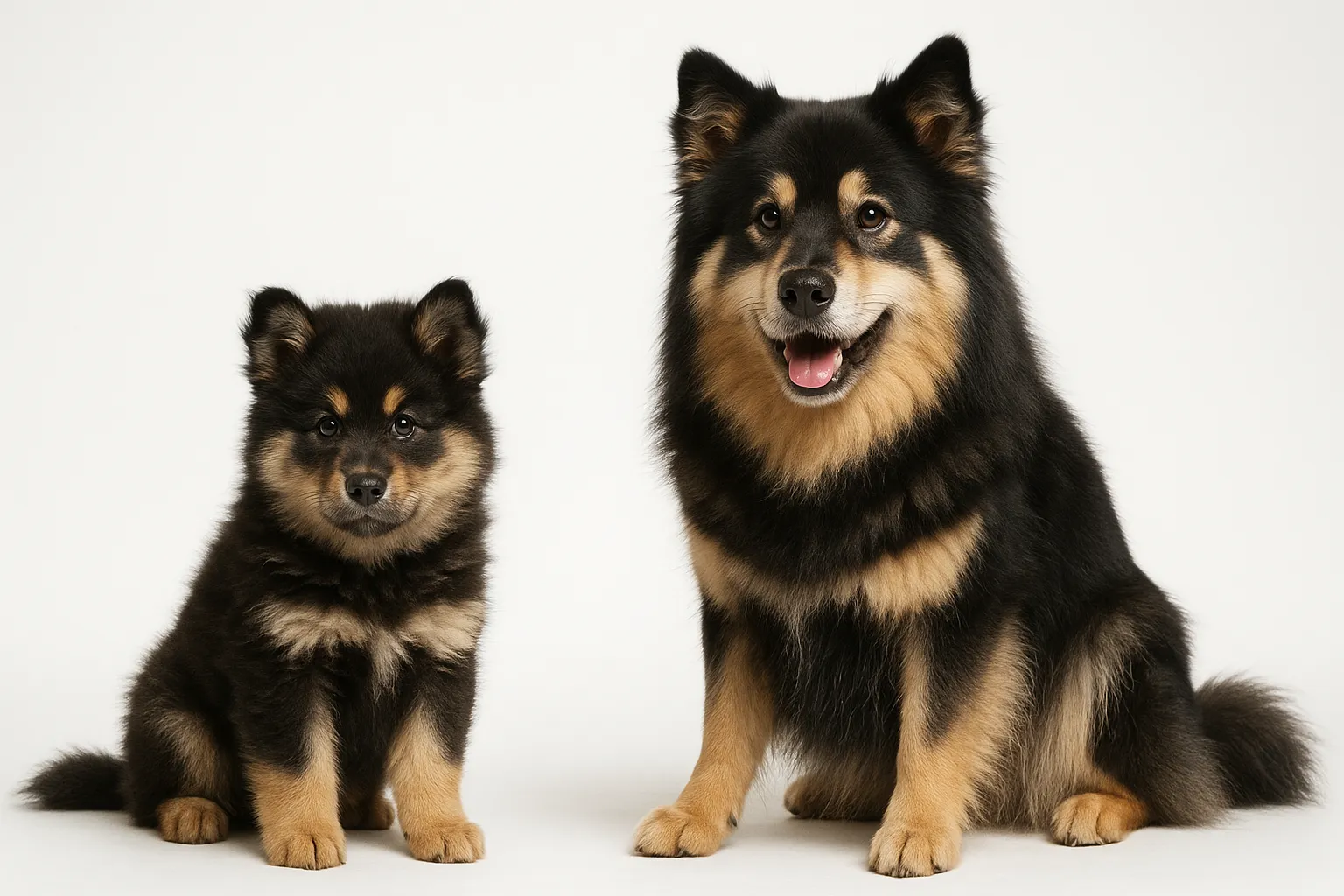
The Finnish Lapphund’s Longevity Profile
For thousands of years, the Sami people of northern Scandinavia relied on the Finnish Lapphund to herd reindeer across Arctic tundra. That heritage produced a medium-sized, double-coated, cold-adapted breed with deep intelligence and surprising longevity — most Finnish Lapphunds live 12-15 years.
The breed’s health story revolves around its eyes. Multiple PRA mutations are documented in Finnish Lapphunds, including prcd-PRA and breed-specific CNGA1 mutations. DNA testing panels cover the known mutations, but researchers continue to discover new variants. Hip dysplasia occurs at moderate rates. Epilepsy appears above the general canine baseline. Hereditary cataracts add another layer to the eye health picture. The breed is popular in Finland and Scandinavia and steadily gaining recognition in North America.
Health Risks Worth Knowing
Progressive Retinal Atrophy
PRA is the most significant inherited concern in this breed. Multiple causative mutations have been identified, and DNA testing panels are available — but they may not cover every breed-specific variant. That makes annual CAER exams important even for dogs that test genetically clear.
PRA causes progressive bilateral vision loss, starting with reduced night vision and advancing to full blindness. Affected dogs adapt remarkably well when their environment stays consistent.
See the Progressive Retinal Atrophy guide for full prevention and management detail.
Hip Dysplasia
Hip dysplasia occurs at moderate rates in Finnish Lapphunds. OFA or FCI hip evaluation at 24 months establishes your baseline. Lean body condition throughout life reduces clinical impact. The Finnish Lapphund breed club databases track dysplasia prevalence to guide responsible breeding decisions.
See the Hip Dysplasia guide for full prevention and management detail.
Epilepsy
Finnish Lapphunds develop epilepsy above the general canine prevalence. Two or more unexplained seizures warrant a full epilepsy workup. Idiopathic epilepsy in the breed is managed with phenobarbital or potassium bromide, and dogs on therapy need drug level and liver function monitoring every 6 months. The breed club maintains epilepsy reporting to support ongoing genetic research.
See the Epilepsy guide for full prevention and management detail.
Evidence-Based Ways to Extend Healthspan
Cold Weather Coat Management
The Finnish Lapphund’s thick double coat evolved for Arctic conditions. It sheds heavily twice a year. Regular brushing during shedding periods prevents matting and supports skin health. In warm climates, the coat demands careful management to prevent heat stress.
One critical rule: never shave the double coat. It provides insulation in both directions, and shaving disrupts natural temperature regulation permanently.
Reindeer Herding Drive and Exercise
Finnish Lapphunds retain the intelligence, stamina, and herding instinct of their working ancestors. They need significant daily exercise — 45-60 minutes minimum — and mental engagement that challenges their problem-solving ability. Without appropriate outlets, they become anxious and vocal.
They excel in herding trials, agility, obedience, and tracking. One breed-typical trait worth understanding: a strong startle response, originally essential for working with reindeer, can sometimes be misread as fearfulness by unfamiliar trainers.
Eye Health Surveillance Protocol
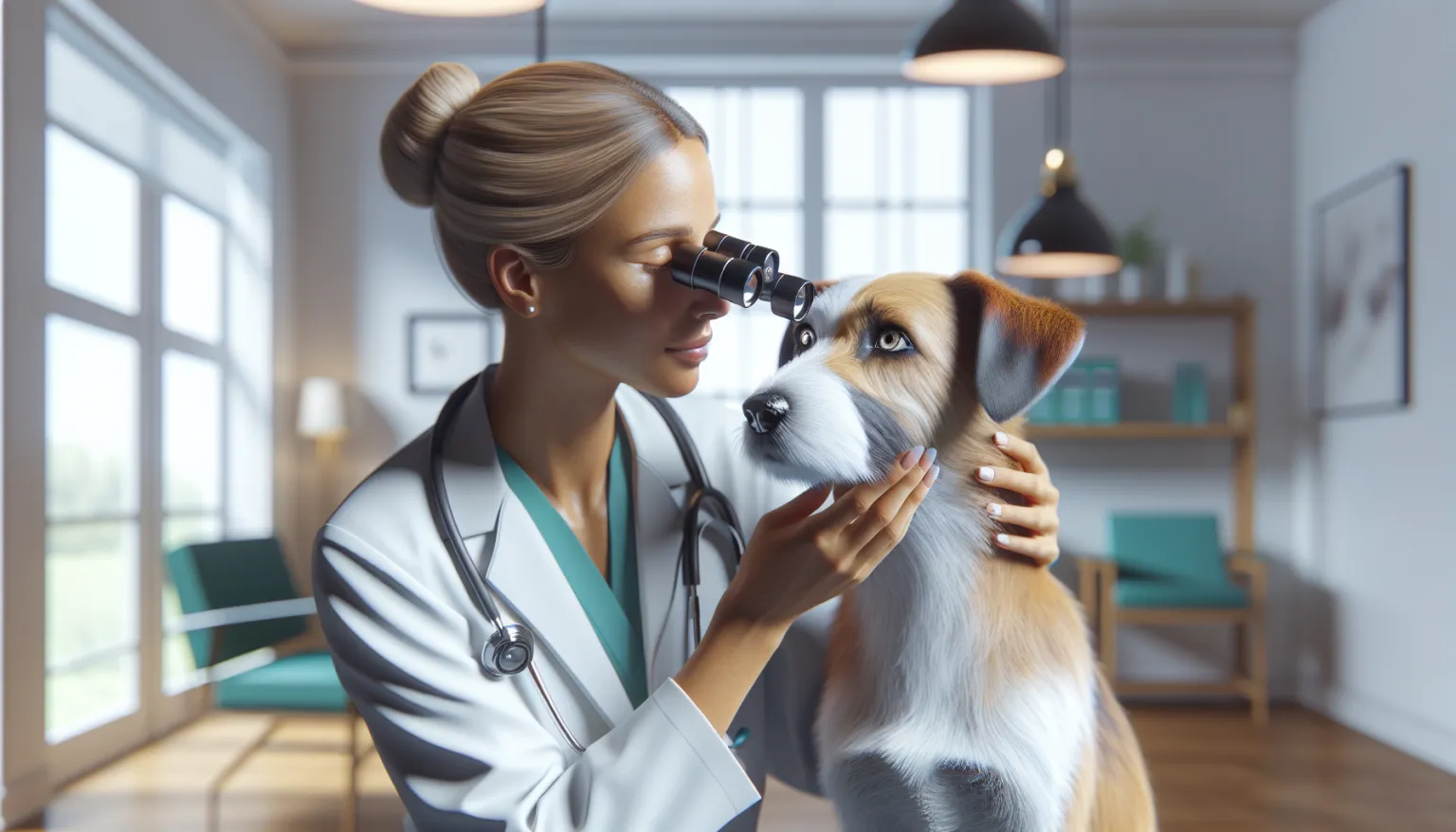
Given the multiple PRA mutations documented in this breed, annual CAER exams from age 1 are recommended regardless of DNA testing status. Hereditary cataracts may not appear on all DNA panels. Early PRA detection matters for planning — dogs that adapt to vision loss gradually, with owner support from the early stages, show better behavioral outcomes than those diagnosed late.
Where to Focus Your Prevention Effort
Start here — these are the highest-impact moves for Finnish Lapphund longevity:
- DNA testing for progressive retinal atrophy (CNGA1 and other mutations) — PRA is the primary inherited eye concern
- Annual CAER eye exam starting at age 1 — multiple inherited eye conditions documented in the breed
- OFA hip evaluation at 24 months — moderate hip dysplasia prevalence in the breed
These are the monitoring anchors for your Finnish Lapphund. Revisit them at every wellness visit and update your approach when screening results shift the picture. Reference Progressive Retinal Atrophy Pra, Hip Dysplasia, Epilepsy for evidence-based management.
Evidence-Based Longevity Priorities
Body Composition and Muscle Maintenance
Weight management in a Finnish Lapphund is not about aesthetics. It is about reducing the systemic inflammation and mechanical stress that shorten lifespan across every organ system. These herding dogs were built for sustained movement, and stable muscle-to-fat ratios protect long-term joint health. When body composition drifts, orthopedic problems and cardiovascular strain follow.
Condition-Focused Prevention Stack
The conditions most likely to reduce a Finnish Lapphund’s lifespan or quality of life are Progressive Retinal Atrophy Pra, Hip Dysplasia, and Epilepsy. Consistent early intervention across all three preserves your options and prevents the compounding effect of delayed treatment.
Behavior, Stress Load, and Recovery
How a Finnish Lapphund lives day to day directly shapes how it ages. Unpredictable schedules and insufficient mental work show up as behavior drift, sleep disruption, or recovery problems — often well before any physical decline becomes visible.
Preventive Screening Cadence
Use planned veterinary reassessment intervals, then tighten cadence when trend logs show drift in orthopedic function and gait quality. Early intervention windows are where most healthspan gains happen.
Breed-Specific Research
Use these evidence deep dives to add mechanism-level context to your Finnish Lapphund longevity plan:
- Genetic Testing For Dogs Clinical Roi: PRA genetic testing decisions for Finnish Lapphunds given multiple breed-specific mutations
- Senior Dog Screening Protocol: senior monitoring framework for a 12-15 year breed
- Exercise Prescription By Life Stage: exercise management for an active herding breed across life stages
From Genetic Data to Monitoring Decisions
Genetic testing should shape your monitoring strategy, not replace it. Use results to tighten surveillance windows and calibrate intervention thresholds. Consider MDR1 gene testing to guide medication safety and OFA or PennHIP hip scoring to quantify orthopedic risk early.
- Match your initial testing to the breed’s established vulnerabilities. One round of results tells you where to look; repeated clinical assessment tells you what is actually happening.
- Tie your first monitoring playbook to Hip Dysplasia and Progressive Retinal Atrophy Pra so test results drive practical follow-through.
- Build a single health file — genetic results, vet notes, weight trends, and your own observations — so that every appointment starts with context instead of from scratch.
- Circle back to your genetic data after spay/neuter, at the adult-to-senior transition, and anytime a pattern emerges — weight creeping up, stamina dropping, or behavior shifting without obvious cause.
Good testing leads to better questions, not just more data. Let results sharpen your focus rather than broaden your anxiety.
Breeding History & Health Implications
The Finnish Lapphund was bred for sustained movement, vigilance, and rapid decision-making in harsh Arctic conditions. That heritage directly shapes today’s health risks.
- Joint and structural stress from this breed’s build and movement patterns require orthopedic monitoring earlier and more frequently than in lighter-framed breeds.
- Prioritize surveillance based on breed heritage — Hip Dysplasia, Progressive Retinal Atrophy Pra, Seizures Epilepsy are the highest-probability targets that history and data both point to.
- The owner who notices “something is slightly off for the third time this month” catches problems earlier than the one waiting for an obvious crisis.
- The best prevention plan is a living document. Adjust it whenever new data arrives, whenever a life stage changes, and whenever something surprises you.
The breed’s past shapes the risk landscape. Your Finnish Lapphund’s present — measured in real data, not assumptions — shapes the response.
When to Screen, Test, and Reassess
- Puppy to 2 years: PRA DNA testing, cataract DNA testing, OFA hip evaluation, CAER exam
- 3-8 years: annual CAER exam, wellness bloodwork every 2 years, coat maintenance
- 9+ years: senior panel annually, eye monitoring, mobility assessment, cognitive function tracking
Nutritional Priorities for Healthspan
Finnish Lapphunds do well on quality medium-breed adult food. Cold-adapted breeds may have slightly different metabolic needs in warm climates, so monitor for weight gain when transitioning from active outdoor work to sedentary companion living. Lean body condition protects hip health. Omega-3 supplementation supports both the dense coat and joint function.
Putting It All Together
Finnish Lapphunds with proactive eye surveillance, genetic testing, hip health management, and an active lifestyle are well-positioned for long, healthy lives in the 12-15 year range. Their Nordic heritage and working-dog genetic diversity contribute to robust baseline health. The breed rewards owners who invest in monitoring with years of loyal, spirited companionship.
Most-Missed Early Drift Pattern
Early disease progression in Finnish Lapphunds usually presents as low-grade changes that owners attribute to normal aging:
- Subtle hind-limb stiffness after rest related to Hip Dysplasia that owners often dismiss as temporary
- A mild early sign tied to Progressive Retinal Atrophy Pra that appears intermittently
- A mild early sign tied to Seizures Epilepsy that appears intermittently
If baseline function is drifting for 7-10 days, treat it as a prevention failure signal and reassess early.
Additional Health Risks to Monitor
Based on breed predisposition data, Finnish Lapphund owners should also be aware of:
Frequently Asked Questions
How long do Finnish Lapphunds live?
Finnish Lapphunds typically live 12-15 years. Eye health surveillance for progressive retinal atrophy and appropriate exercise management are the most impactful longevity investments.
Are Finnish Lapphunds good in hot climates?
Finnish Lapphunds can adapt to warmer climates but require careful heat management. Avoid shaving the double coat — it provides insulation in both directions. Exercise during cool parts of the day and ensure shade and water access.
Are Finnish Lapphunds easy to train?
Finnish Lapphunds are highly intelligent and eager to work, making them responsive to training. Their strong startle response — adapted for herding — can create sensitivity to sudden movements or sounds that requires patient, positive training approaches.
What is the difference between Finnish Lapphund and Lapphund?
The Finnish Lapphund (Suomenlapinkoira) and the Swedish Lapphund (Lapphund or Lapsk vallhund) are related but distinct breeds. The Finnish Lapphund is more widely known and AKC-recognized in North America.
Do Finnish Lapphunds shed a lot?
Yes — Finnish Lapphunds have a thick double coat that sheds heavily twice yearly. Regular brushing during shedding seasons prevents matting and manages hair in the home. The coat is otherwise low-maintenance between seasonal sheds.
References
[1] Finnish Lapphund Association of America. finnishlapphund.org. [2] Finnish Kennel Club breed health data. kennelliitto.fi. [3] PRA genetics in Nordic breeds: Multiple CAER/OFA registries. [4] OFA health statistics by breed. ofa.org. [5] Sami working dogs: historical documentation and breed development.
Related reads
Related Reading
Continue exploring