Iceland’s Only Native Dog — Shaped by Volcanoes, Vikings, and Near-Extinction
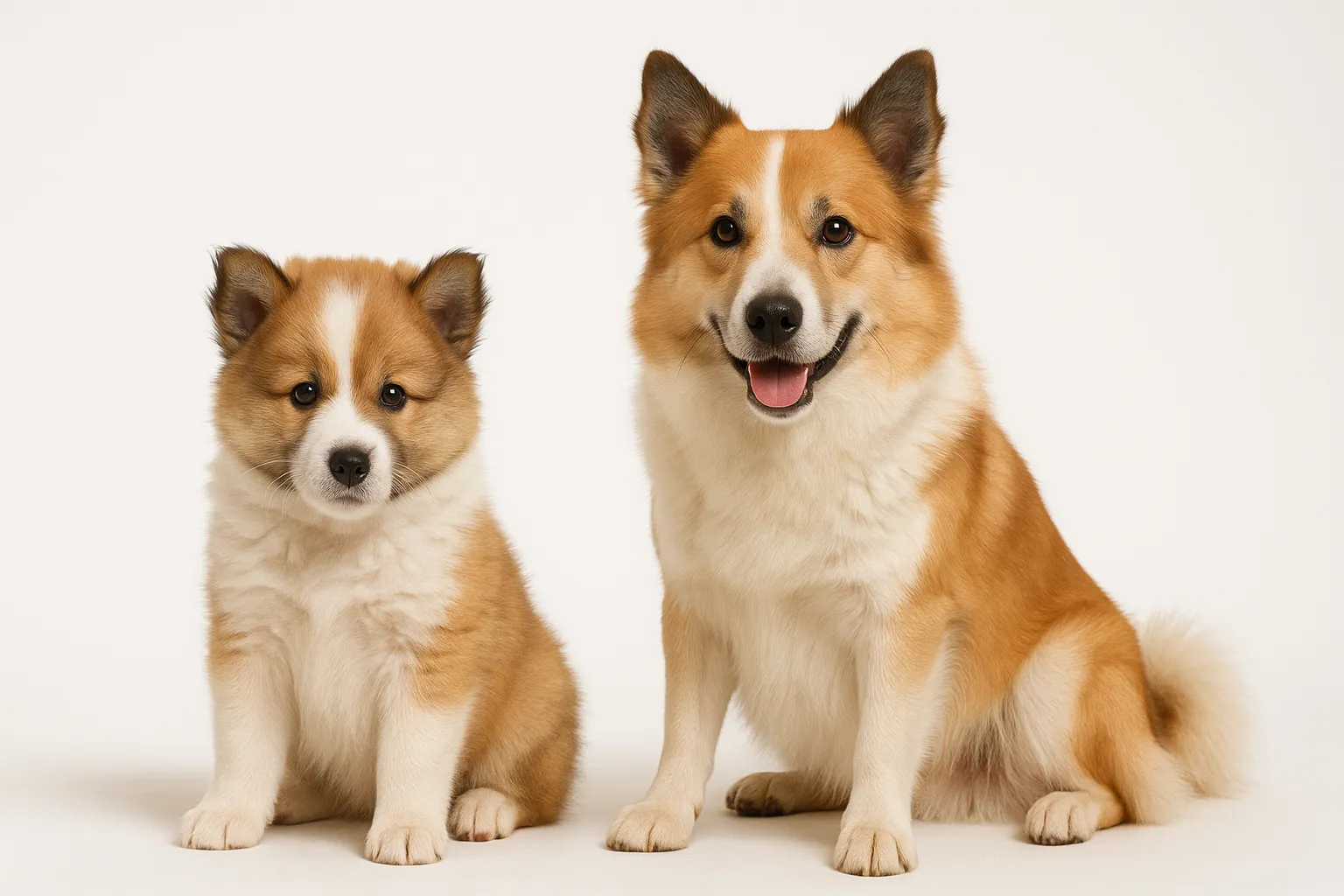
The Icelandic Sheepdog arrived with Norse settlers over 1,100 years ago and nearly vanished multiple times. Distemper epidemics in the 18th and 19th centuries killed the majority of Iceland’s dogs, compressing the gene pool to a handful of survivors. That bottleneck left its mark on the breed’s genetics — and on the health conditions modern owners need to understand.
Most live 12-14 years, reflecting the general robustness of herding spitz breeds. The breed’s most distinctive health concern is distichiasis — extra eyelashes growing from abnormal positions on the eyelid margin that rub against the cornea. Left untreated, they cause chronic irritation and potentially ulceration. Hip dysplasia and patellar luxation round out the orthopedic picture.
Breed History and How It Shapes Modern Health
The Icelandic Sheepdog arrived in Iceland with Norse settlers over 1,100 years ago, making it one of the oldest documented dog breeds in the world. These dogs were essential to survival in one of the harshest inhabited environments on earth — herding sheep and horses across volcanic terrain, in extreme cold, high winds, and limited daylight for months of the year.
That environmental pressure created a uniquely resilient dog. The Icelandic Sheepdog’s double coat, compact frame, and efficient metabolism are direct adaptations to subarctic conditions. Their herding style stands out: they use a combination of barking and aerial marking (looking upward to track scattered sheep on hillsides) rather than the eye-and-stalk method of Border Collies. This upward-looking behavior may be linked to the breed’s susceptibility to distichiasis, as the upward gaze posture may have reduced selection pressure against abnormal eyelash growth.
Those population bottlenecks compressed the gene pool significantly. The consequence for modern owners is twofold: certain genetic conditions (particularly distichiasis) are fixed at higher frequencies than they would be in a larger population, and maintaining genetic diversity through careful breeding decisions is critical for the breed’s long-term health.
This is why the Icelandic Sheepdog Association of America and international breed clubs place strong emphasis on health testing in breeding programs.
The breed’s working heritage also means these dogs carry adaptations to sustained moderate-intensity work in cold conditions. Their metabolism is efficient — perhaps too efficient for modern household life, where the tendency toward weight gain in sedentary environments becomes a management challenge.
Where This Breed Is Most Vulnerable
Hip Dysplasia
Hip dysplasia appears in Icelandic Sheepdogs at moderate rates for a medium herding breed. The condition involves abnormal hip joint development that progresses into arthritis and mobility loss over time. An OFA hip evaluation at 24 months provides a structural baseline. Lean body condition and appropriate exercise support joint health.
Early signs include subtle gait changes after exercise, reluctance to jump, and stiffness after rest. These are easy to dismiss in an active, cheerful breed that masks discomfort through enthusiasm. Weight control remains the single most impactful modifiable factor — even moderate excess weight (10-15% above ideal) accelerates joint deterioration.
See the Hip Dysplasia guide for full prevention and management detail.
Luxating Patella
Patellar luxation is documented in the breed at rates consistent with other medium-sized spitz types. The condition involves the kneecap slipping out of its normal groove, causing intermittent or persistent lameness. Grades I-II (intermittent, self-correcting) are typically managed conservatively with weight management and muscle strengthening. Grades III-IV (persistent or severe) may benefit from surgical correction by an orthopedic specialist.
Watch for intermittent skipping or hopping on a hind leg, holding one leg up briefly during movement, or sudden “bunny-hopping” gait. These signs often come and go, making them easy to dismiss. Have any gait abnormality evaluated before secondary joint changes develop.
See the Luxating Patella guide for full prevention and management detail.
Distichiasis and Eye Conditions
Distichiasis occurs at elevated rates in Icelandic Sheepdogs — this is the breed’s hallmark health concern. Extra lashes grow from abnormal eyelid margin locations (specifically from the meibomian gland openings), contact the cornea, and cause chronic irritation. You may notice excessive tearing, squinting, eye discharge, eye redness, or the dog rubbing its face on furniture or carpet.
Treatment via cryotherapy (freezing) or electrolysis at a veterinary ophthalmologist provides permanent correction for identified abnormal lashes. However, new distichiatic lashes can develop at different locations over time, which is why annual CAER examinations are essential — they catch new lash locations before significant corneal damage accumulates. Untreated distichiasis can lead to corneal ulceration, scarring, and chronic pain.
The breed also carries risk for cataracts and other heritable eye conditions, making comprehensive ophthalmologic evaluation a cornerstone of preventive care.
See the Distichiasis and Eye Conditions guide for full prevention and management detail. For monitoring frequency guidance, see Eye Health Screening Frequency by Breed.
Dental Disease
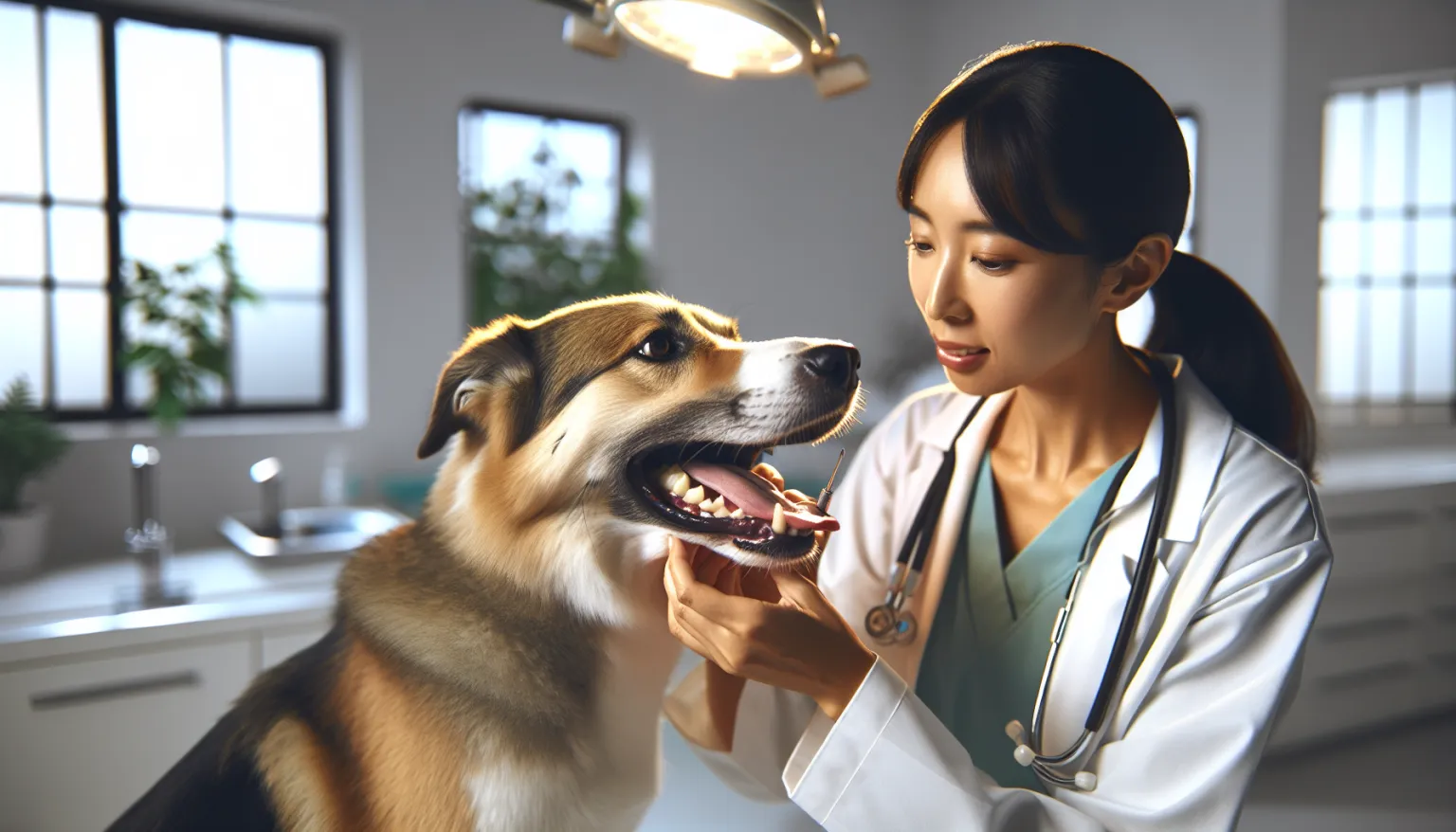
Dental disease is an underappreciated health concern in Icelandic Sheepdogs. Smaller breeds tend toward earlier and more severe dental disease compared to larger dogs, and the Icelandic Sheepdog’s compact jaw can crowd teeth and create areas where plaque accumulates rapidly. Periodontal disease drives systemic inflammation associated with cardiac, renal, and hepatic disease progression.
A home dental care routine (brushing 3-4 times weekly) combined with annual professional dental assessment provides the best prevention. See Dental Disease and Dental Disease and Longevity in Dogs.
Hypothyroidism
Hypothyroidism occurs in the breed at rates warranting monitoring from middle age. Annual T4/TSH panels from age 4-5 detect the condition before clinical signs become established. Symptoms include weight gain, coat changes, lethargy, and cold intolerance — ironic in a breed developed for subarctic conditions.
See Hypothyroidism and Thyroid Screening Protocol for Dogs.
Strategies With Research Support
Eye Care Priority
Distichiasis is the most distinctive health concern for this breed. Annual CAER examinations detect extra lash locations before corneal damage builds up. Dogs with confirmed distichiasis should be treated — cryotherapy is the preferred method — to stop ongoing irritation and scarring. Between annual exams, watch for signs of eye discomfort: tearing, squinting, face rubbing.
Do not wait for the next scheduled exam if signs develop. Corneal ulceration from untreated distichiasis can progress rapidly and may require emergency intervention. Early treatment of individual abnormal lashes is straightforward; corneal ulcer repair is not.
Active Breed Engagement
Icelandic Sheepdogs are intelligent, active herding dogs that thrive on daily mental and physical engagement. Their herding heritage makes them responsive to dog sports including herding trials, agility, and obedience. Regular activity maintains muscle mass, joint health, and cognitive sharpness — all important for longevity in a working breed wired for problem-solving.
Research from the Dog Aging Project shows that dogs with higher social engagement and mental stimulation demonstrate fewer signs of cognitive decline — particularly relevant for an intelligent herding breed.
Rare Breed Health Considerations
This is a numerically small breed globally. Historical population bottlenecks — disease outbreaks in Iceland decimated the breed in the 18th and 19th centuries — compressed the gene pool. That history makes health testing by breeders particularly important for maintaining genetic diversity and minimizing recessive disease concentration.
For owners, the practical implication is that breed-specific health data is limited. Conditions may exist at frequencies that have not yet been well-characterized due to small sample sizes. This makes consistent veterinary screening more important, not less — you cannot rely on population-level data to predict individual risk in a breed this small.
Exercise Protocols by Life Stage
Puppy (0-14 months)
Icelandic Sheepdog puppies are bundles of energy with a natural herding drive that emerges early. During the growth phase, follow the “5 minutes per month of age” guideline for structured walks on hard surfaces. Supplement with free play on soft ground, basic obedience training (which provides mental exhaustion without joint load), and supervised socialization.
Avoid repetitive jumping, stair running, and hard-surface sprinting until growth plates close around 12-14 months. The breed’s compact frame and moderate weight mean growth plate closure occurs somewhat earlier than in larger breeds. Swimming is an excellent low-impact option once the puppy is water-confident.
Adult (14 months - 9 years)
Adult Icelandic Sheepdogs need 45-75 minutes of daily physical activity combined with mental enrichment. The ideal exercise mix includes brisk walks or hikes (30-45 minutes), herding activities or herding instinct tests, agility training (builds body awareness and confidence), structured play sessions with fetch, tug, or interactive toys, and swimming (particularly valuable for dogs with any orthopedic risk).
These dogs excel in agility, rally, obedience, and herding trials. Competitive sport participation provides both physical conditioning and the mental challenge this breed needs. See Exercise Protocols by Breed Size.
Senior (9+ years)
Begin transitioning exercise intensity when you notice increased post-exercise recovery time, morning stiffness, or reluctance to jump or climb. Maintain daily walks but reduce pace and distance. Emphasize low-impact activities: swimming, gentle hiking on flat terrain, and nose work. Mental enrichment becomes increasingly important as physical capacity declines — puzzle toys, scent games, and training refreshers maintain cognitive function. See Age-Appropriate Exercise Transitions.
Breed-Specific Genetic Testing Recommendations
Given the Icelandic Sheepdog’s population bottleneck history, comprehensive genetic testing provides particularly high value:
- CAER eye examination — Annual ophthalmologic evaluation is the single most important breed-specific screen. Detects distichiasis, cataracts, and other heritable eye conditions.
- OFA hip evaluation at 24 months — Quantifies orthopedic risk and establishes the structural baseline for lifelong monitoring.
- OFA patellar evaluation at 24 months — Screens for luxating patella, documented in the breed.
- Thyroid panel — Baseline at age 3-4, then annually, to detect autoimmune thyroiditis before clinical hypothyroidism develops.
- PRA genetic testing — DNA testing for known progressive retinal atrophy mutations relevant to spitz breeds.
- Cardiac auscultation — Annual screening for congenital or acquired cardiac disease.
Target your testing to the conditions this breed actually gets. Then track findings over time — a genetic predisposition only matters when clinical evidence starts to confirm it. Link your monitoring plan to Hip Dysplasia and Eye Conditions first. When test results drive concrete changes in screening cadence or intervention, testing earns its cost. Consolidate genetic panel results, bloodwork trends, and your own notes into a single timeline. The connection between a genetic predisposition and an emerging clinical finding only becomes obvious when you can see both at once. See Genetic Testing for Dogs: Clinical ROI and Inbreeding Coefficient and Canine Health for context on genetic testing in breeds with population bottleneck history.
Nutrition Guidance for Icelandic Sheepdogs
Macronutrient Framework
Icelandic Sheepdogs do well on complete medium-breed adult diets with portion control appropriate to their activity level. Target 25-30% protein from quality animal sources and 10-15% fat. The breed’s efficient subarctic metabolism means they convert calories more effectively than many breeds of similar size — which translates directly into weight gain risk in sedentary household settings.
Breed-Specific Nutritional Priorities
- Caloric management: The breed’s efficient metabolism and eager appetite make portion control the primary nutritional concern. Measure all food including treats. Free-feeding is strongly discouraged. Target BCS 4-5 on the 9-point scale. See Weight Management Feeding Protocol.
- Eye health support: Omega-3 fatty acids (EPA and DHA from fish oil) provide anti-inflammatory support that may benefit ocular health in addition to joint protection. See Omega-3 Fish Oil for Dogs.
- Joint support: Given the breed’s hip dysplasia and patellar luxation risk, omega-3 supplementation at 50-100mg combined EPA/DHA per kg body weight is a baseline recommendation.
- Dental health: Dental chews and textured foods that promote mechanical cleaning support oral health. See Dental Health Nutrition Protocol for Dogs.
- Feeding frequency: Feed twice daily with measured portions.
See Feeding Guide for Medium Breeds for the complete framework.
Supplement Recommendations with Reasoning
-
Omega-3 fish oil — Primary supplement for joint, eye, and coat health. Provides anti-inflammatory support relevant to the breed’s orthopedic and ocular risks. See Omega-3 Fish Oil for Dogs.
-
Glucosamine/chondroitin — Cartilage support for dogs with documented or at-risk hip dysplasia or patellar luxation. Modest evidence but excellent safety profile. See Glucosamine Chondroitin for Dogs.
-
Probiotics — Supports gut health and immune function. Particularly relevant for small-population breeds where immune system diversity may be constrained. See Probiotics for Dogs.
-
Vitamin E — Antioxidant support that may benefit eye health. See Vitamin E for Dogs.
See Evaluating Longevity Supplement Claims for Dogs for how to assess supplement evidence critically.
Environmental Considerations
Climate Tolerance
The Icelandic Sheepdog was literally shaped by subarctic conditions — wind, cold, snow, and volcanic terrain. The breed’s dense double coat provides excellent cold weather protection down to approximately 10F (-12C) for moderate activity. They are among the best cold-weather breeds available.
However, this cold-adapted coat creates heat vulnerability. In temperatures above 75F (24C), limit exercise to early morning and evening hours. The breed’s double coat should never be shaved — it provides insulation against both cold and heat. Removing the coat disrupts the thermoregulation system. Provide shade, fresh water, and air-conditioned indoor space during warm months. See Heat Stress Risk Management for Dogs.
Living Space
Icelandic Sheepdogs adapt better to various living situations than many herding breeds, provided their exercise and mental stimulation needs are met. They can live in homes with modest yards if given adequate daily activity. However, they are vocal dogs — their herding style involves barking, and this tendency persists in household settings. Apartment living is possible but requires diligent exercise management and may create noise issues.
A securely fenced yard is preferred. While not extreme escape artists, their herding drive can be triggered by passing animals, children, or vehicles.
Altitude and Terrain
Given the breed’s development on rugged volcanic Icelandic terrain, they are naturally sure-footed and adapt well to hiking, trail work, and varied terrain. Their compact frame and moderate weight make them excellent hiking companions. See Altitude and Canine Health if you live at or exercise at high elevation.
Mental Health and Enrichment Needs
Icelandic Sheepdogs are alert, curious, and eager to engage. Their intelligence is practical rather than obsessive — they problem-solve effectively but are less prone to the compulsive behaviors seen in higher-drive herding breeds like Border Collies.
Structured Enrichment Protocol
- Herding activities: Organized herding instinct tests and training provide the most breed-appropriate mental engagement.
- Agility and rally: Excellent outlets for the breed’s athleticism and trainability.
- Training sessions: 10-15 minutes, 2-3 times daily. The breed’s eagerness to please makes training rewarding for both dog and owner.
- Puzzle feeders: Replace standard food bowls to extend meal engagement and activate problem-solving.
- Social interaction: These dogs are characteristically cheerful and social. Regular interaction with other dogs and people supports emotional wellbeing.
- Novel environments: Regular exposure to new trails, parks, and experiences maintains cognitive engagement.
Barking Management
The Icelandic Sheepdog’s bark-based herding style means vocalization is deeply ingrained. Complete silence is not a realistic expectation. Management strategies include adequate daily exercise (tired dogs bark less), training alternative behaviors for common bark triggers, providing appropriate barking outlets (herding activities, play sessions), and avoiding punishment-based approaches that increase anxiety and often worsen barking.
See Environmental Enrichment for Cognitive Health.
Senior Care Transition Timeline
Age 8-9: Pre-Senior Assessment
Establish senior baselines. Add comprehensive bloodwork (CBC, chemistry panel, urinalysis, thyroid panel). Record gait video for future comparison. Increase body condition monitoring frequency. This is the detection window for subtle endocrine, orthopedic, and metabolic changes.
Age 9-10: Early Senior Adjustments
Shift to twice-yearly veterinary visits. Increase CAER exam vigilance — new distichiatic lashes can develop at any age. Modify exercise intensity while maintaining daily activity. Introduce joint supplements if not already in place. Monitor for cognitive changes: disorientation, altered sleep-wake cycles, or decreased social engagement.
Age 11-12: Active Senior Management
Senior bloodwork every 6 months. Dietary adjustment to senior formulation with enhanced protein quality and joint support. Physical therapy or hydrotherapy for dogs with mobility changes. Begin Canine Cognitive Decline Early Action Plan protocols if any cognitive drift is observed.
Age 13+: Geriatric Comfort and Quality of Life
Focus on comfort, quality of life, and early identification of decline. Quarterly veterinary assessments. Home modifications — ramps, non-slip surfaces, raised food bowls. Quality of life scoring using validated tools. See Geriatric Dog Care Guide and How to Assess Dog Quality of Life.
Your Highest-Return Health Investments
For most Icelandic Sheepdog owners, these are the actions that will matter most:
- Annual CAER ophthalmology exam — distichiasis (extra eyelashes) is documented in the breed and requires monitoring
- OFA hip and patellar evaluation at 24 months
- Maintain lean body condition — Icelandic Sheepdogs are eager feeders prone to weight gain in sedentary environments
These priorities drive the highest return on your preventive care investment. Revisit them seasonally and let your vet know you are tracking these specifically. Use Hip Dysplasia, Luxating Patella, Eye Conditions as your reference.
Evidence-Based Longevity Priorities
Body Composition and Muscle Maintenance
Body composition control predicts long-term function in Icelandic Sheepdogs more reliably than most other single factors. Body composition stability directly predicts orthopedic longevity and cardiovascular reserve. Herding dogs need stable muscle-to-fat ratios for long-term joint health — they were built to move all day, and they hold up best when that body composition is maintained.
Target BCS 4-5 on the 9-point scale. You should see a defined waist from above and feel ribs without pressing through a fat layer. The Purina Lifetime Study demonstrated that lean dogs lived 1.8 years longer than overweight counterparts — a finding directly applicable to a breed prone to weight gain. See Body Composition Tracking in Dogs.
Condition-Focused Prevention Stack
The highest-return prevention targets are Hip Dysplasia, Luxating Patella, and Eye Conditions. Secondary targets include Dental Disease and Hypothyroidism. Acting at the first credible signal, rather than waiting for certainty, is what separates dogs who maintain function from those who lose it.
Behavior, Stress Load, and Recovery
Household rhythm matters for this breed. Consistent activity windows, controlled arousal, and deliberate downtime prevent the chronic vigilance patterns that accelerate cognitive and physical aging in herding breeds. See Stress and Dog Longevity.
Preventive Screening Cadence
Routine screening at planned intervals outperforms reactive veterinary visits every time. By the time you notice something is wrong enough to schedule an urgent appointment, the optimal intervention window may already be closing.
Breed-Specific Research
Use these evidence deep dives to add mechanism-level context to your Icelandic Sheepdog longevity plan:
- Genetic Testing For Dogs Clinical Roi: evidence for health testing in small-population breeds with genetic bottleneck history
- Annual Wellness Testing Protocol For Dogs: wellness monitoring framework for active herding breeds
- Exercise Protocols By Breed Size: exercise management for active medium herding breeds
- Eye Health Screening Frequency by Breed: ophthalmologic monitoring for breeds with distichiasis risk
- Inbreeding Coefficient and Canine Health: genetic diversity considerations for bottleneck breeds
Comparison with Similar Breeds
Icelandic Sheepdog vs. Norwegian Buhund
Both are Nordic spitz-type herding breeds with similar builds and temperaments. The Norwegian Buhund (12-15 years) is slightly larger and carries a similar health profile. Both breeds are cheerful, energetic, and vocal. The Icelandic Sheepdog’s distichiasis risk is more prominent, while the Buhund may carry higher hip dysplasia rates. Both breeds benefit from cold weather and struggle in warm climates.
Icelandic Sheepdog vs. Finnish Lapphund
Both are Nordic herding spitz breeds, but the Finnish Lapphund was developed for reindeer herding in subarctic Finland. The Lapphund is somewhat larger (33-53 lbs) and tends toward a calmer household demeanor. Both share excellent cold weather tolerance and similar overall health profiles. The Icelandic Sheepdog’s distichiasis risk is a distinguishing health concern.
Icelandic Sheepdog vs. Pembroke Welsh Corgi
Both are compact herding dogs with big personalities, but the comparison reveals important differences. Corgis (12-15 years) have a significantly different body structure — their long-backed, short-legged build creates intervertebral disc disease (IVDD) risk not present in the Icelandic Sheepdog’s balanced frame. The Icelandic Sheepdog’s eye condition risk is its distinguishing concern. Both breeds are prone to weight gain and require diligent portion control. See the Pembroke Welsh Corgi Longevity Guide.
Breeding History & Health Implications
Icelandic Sheepdogs were bred for sustained movement, vigilance, and rapid decision-making under workload. That legacy produces structural load patterns requiring proactive orthopedic surveillance, plus a temperament sensitivity that benefits from stable routines and arousal management.
- Structural demands and temperament sensitivity both require screening cadence matched to the pace at which these conditions typically progress in this breed.
- Prioritize surveillance around Hip Dysplasia, Luxating Patella, and Eye Conditions.
- Treat repeat low-grade drift as a signal to tighten cadence early, not as background noise.
- Review your prevention plan at least quarterly. A plan that was right six months ago may no longer match your Icelandic Sheepdog’s current trajectory.
Start with what the breed’s history predicts. Adjust based on what your Icelandic Sheepdog’s body actually shows over time.
Your Veterinary Screening Roadmap
- Puppy: Baseline CAER exam for distichiasis assessment, OFA hip and patellar evaluation at 24 months, growth monitoring, puppy vaccination series
- 3-7 years: Annual CAER eye exam (non-negotiable for this breed), annual wellness panel with CBC and chemistry, thyroid panel from age 4, body condition monitoring monthly, dental assessment annually
- 8+ years: Senior wellness panel every 6 months, continued annual CAER, ophthalmology monitoring, orthopedic assessment with gait video comparison, cognitive screening
Feeding for Longevity
Icelandic Sheepdogs do well on complete medium-breed adult diets. The breed tends toward weight gain in sedentary environments, so measured portions and regular activity prevent obesity. Omega-3 supplementation supports joint, eye, and coat health. Maintain BCS 4-5/9.
- Feeding Guide Medium Breeds
- Omega 3 Fish Oil For Dogs
- Glucosamine Chondroitin for Dogs
- Dental Health Nutrition Protocol for Dogs
Your Long-Term Health Trajectory
Icelandic Sheepdogs with annual eye monitoring, OFA orthopedic evaluation, and lean body condition maintenance are well-positioned for the upper end of their 12-14 year range. The breed’s primary eye condition is manageable with detection and treatment, and their moderate size gives them a natural longevity advantage over larger breeds.
The breed’s ancient lineage and subarctic adaptation have produced a fundamentally robust dog. The genetic bottleneck history is a concern for population-level genetic diversity, but individual dogs receiving comprehensive preventive care — particularly annual eye exams and weight management — have strong longevity prospects.
Emerging longevity science may offer additional tools for this breed. The Dog Aging Project continues to generate data on herding breed aging patterns, and advances in epigenetic age testing may allow more precise biological age assessment.
12-Month Longevity Execution Plan
Quarter 1: Baseline and Risk Mapping
- Create measurable starting points: weigh your dog, film a walking gait video, and log daily energy and appetite for 14 days
- Schedule or review CAER eye exam results
- Confirm feeding consistency and caloric accounting
- Review prevention priorities with your veterinarian
Quarter 2: Adherence and Early Drift Control
- Audit plan adherence — especially portion control and eye health monitoring
- Pay closer attention to any marker that moved since Q1 — early drift caught now is far cheaper to address than late drift caught at the annual exam
- Escalate eye symptoms, gait changes, or weight drift early
- Compare body condition against Q1 baseline
Quarter 3: Midyear Reassessment
- Reassess condition prevention efficacy
- Revalidate screening cadence against age and trend data
- Refresh exercise protocols for seasonal changes
- Review supplement stack
Quarter 4: Senior-Readiness Update
- Use the full year of trend data to design next year’s screening schedule — let the evidence lead, not assumptions
- Update escalation triggers
- Schedule next annual CAER exam
- Complete annual comprehensive bloodwork and dental assessment
Most-Missed Early Drift Pattern
Healthspan erosion in Icelandic Sheepdogs typically begins with shifts that are easy to overlook:
- Hind-limb stiffness after rest related to Hip Dysplasia that owners dismiss as temporary soreness
- Intermittent skipping or hopping on a hind leg signaling Luxating Patella progression
- Visible cloudiness, chronic redness, tearing, or navigation difficulty signaling Eye Conditions progression
- Gradual weight gain despite seemingly unchanged routine — signaling metabolic slowing or Hypothyroidism onset
- Reluctance to eat hard food or dropping food, indicating Dental Disease progression
A week of consistent deviation from your dog’s normal baseline is not a fluctuation. It is a signal that warrants veterinary reassessment.
Additional Health Risks to Monitor
Based on breed predisposition data, Icelandic Sheepdog owners should also be aware of:
Frequently Asked Questions
How long do Icelandic Sheepdogs live?
Icelandic Sheepdogs typically live 12-14 years, which is favorable for a herding breed of their size. The breed’s ancient lineage and subarctic-adapted constitution support robust longevity when paired with consistent preventive care. The three highest-return investments are annual CAER eye exams for distichiasis monitoring, OFA hip and patellar evaluation at 24 months, and strict weight management throughout life. Dogs receiving this level of care routinely reach the upper end of the range.
What is distichiasis in dogs?
Distichiasis is a condition where extra eyelashes grow from abnormal positions on the eyelid margin — specifically from the meibomian gland openings. These abnormal lashes contact the cornea, causing chronic irritation, excessive tearing, squinting, and potentially corneal ulceration if untreated. Treatment via cryotherapy (freezing) or electrolysis at a veterinary ophthalmologist provides permanent correction for identified lashes. However, new abnormal lashes can develop at different locations over time, which is why annual CAER examinations are essential for breeds like the Icelandic Sheepdog where the condition is common.
Are Icelandic Sheepdogs rare?
Yes — Icelandic Sheepdogs are uncommon globally and among the rarer AKC breeds in the United States. They are more prevalent in Iceland and Scandinavia. The breed nearly went extinct multiple times due to disease epidemics in Iceland, and was saved by dedicated breeding programs in the 20th century. The Icelandic Sheepdog Association of America provides breeder referrals. Finding a reputable breeder requires patience, and waitlists of 6-12 months are common.
Are Icelandic Sheepdogs good family dogs?
Icelandic Sheepdogs are cheerful, friendly, and alert dogs that bond closely with family. They are typically good with children and other pets when properly socialized. They require daily exercise and mental stimulation but adapt well to family life. Their vocal nature (barking is part of their herding style) is the primary consideration for family settings — they are not quiet dogs, and this tendency cannot be fully trained away. They are better suited to families who can tolerate regular vocalization.
Do Icelandic Sheepdogs shed a lot?
Icelandic Sheepdogs have a dense double coat adapted to subarctic conditions that sheds moderately year-round with two heavy seasonal “coat blow” periods lasting 2-4 weeks each. During coat blow, daily brushing is necessary. Regular brushing (2-3 times weekly) manages normal shedding and maintains coat health. The coat should never be shaved — it provides essential thermoregulation in both cold and warm conditions. Regular grooming also serves as a skin inspection opportunity.
Can Icelandic Sheepdogs tolerate hot weather?
Icelandic Sheepdogs are adapted to cold climates and are heat-sensitive. In temperatures above 75F (24C), limit exercise to early morning and evening hours. Provide air-conditioned indoor space, shade, and fresh water during warm months. Never shave the double coat — it actually helps insulate against heat when intact. The breed can live in warmer climates with appropriate management but is most comfortable in cool to moderate environments.
How vocal are Icelandic Sheepdogs?
Very vocal. The breed’s traditional herding method relies on barking to control livestock, and this tendency is deeply ingrained. They bark at approaching people, animals, vehicles, and general environmental stimulation. Managing vocalization requires adequate daily exercise, training alternative behaviors for common triggers, and realistic expectations. Complete quiet is not achievable with this breed. Prospective owners in dense residential settings should carefully consider whether the breed’s vocal nature is compatible with their living situation.
References
[1] Icelandic Sheepdog Association of America health program. icelandicsheepdog.org. [2] Distichiasis in dogs: Dziezyc J, Millichamp NJ. Vet Clin North Am Small Anim Pract. 1988;18(3):651-658. [3] OFA health statistics by breed. ofa.org. [4] WSAVA global nutrition guidelines. wsava.org. [5] Icelandic Sheepdog breed history: Icelandic Kennel Club. hrfi.is. [6] Effects of Diet Restriction on Life Span and Age-Related Changes in Dogs. Kealy RD et al. JAVMA. 2002;220(9):1315-1320. [7] Dog Aging Project findings. dogagingproject.org. [8] Genetic diversity in rare breeds: Leroy G. Anim Genet. 2011;42(3):236-248. [9] Canine distichiasis: Stades FC. Prog Vet Comp Ophthalmol. 1993;3:4-8. [10] AKC breed standards. akc.org.
Related reads
Related Reading
Continue exploring