Built to Be Loved, Built to Last
The Maltipoo is what happens when two of the most companion-oriented breeds in existence — the Maltese and the Miniature Poodle or Toy Poodle — are crossed with the goal of producing a small, intelligent, low-shedding dog that bonds deeply with its owner. The result is a dog that typically lives 12-16 years, often reaching the upper end of that range with attentive care.
That longevity potential is real. Both parent breeds are naturally long-lived, and the small body size that defines the Maltipoo confers biological advantages that larger dogs simply do not have. Smaller dogs produce less oxidative stress, have lower metabolic rates per unit of body mass, and accumulate cellular damage more slowly. The 2024 companion dog longevity study in Scientific Reports reaffirmed that body size remains the single strongest predictor of canine lifespan.
But 12-16 years is a range, not a guarantee. The conditions that threaten a Maltipoo’s healthspan are specific, predictable, and — critically — largely manageable.
Hybrid Vigor in a Small Package
First-generation Maltipoo crosses may benefit from heterosis, particularly for recessive genetic conditions that require two copies of a faulty gene. Both the Maltese and the Poodle have been subject to intense selective breeding over centuries, and crossing the two lines increases genetic diversity at many loci.
However, the conditions most relevant to Maltipoo health — luxating patella, dental disease, heart disease — are polygenic or structural. They are not eliminated by crossing. A Maltipoo inherits small-dog anatomy from both sides, and with it comes the vulnerability profile common to all toy and small breeds.
The Dental Imperative
Dental disease is the single most underestimated health threat in small dogs, and the Maltipoo inherits crowded jaw anatomy from both parent breeds. The Maltese is particularly notorious for early-onset periodontal disease, and Toy and Miniature Poodles share the same anatomical predisposition.
The mechanics are straightforward: small jaws with disproportionately large or closely packed teeth create pockets where plaque and bacteria accumulate faster than in breeds with more spacious oral anatomy. Left unmanaged, periodontal disease progresses from gingivitis to bone loss, tooth loss, chronic pain, and systemic bacterial seeding that can affect the heart and kidneys.
In a Maltipoo, dental disease is not a cosmetic concern. It is a systemic health risk that can shorten lifespan by years. Daily tooth brushing is the single highest-return longevity habit for this breed. Professional dental cleanings on a schedule recommended by your veterinarian — typically annually, sometimes more frequently — keep the foundation solid.
Luxating Patella: The Knee Problem Most Small Dogs Share
Luxating patella — a kneecap that slips out of its normal groove — affects small breeds at disproportionate rates. Both the Maltese and the Poodle contribute genetic predisposition for this condition.
Grades range from I (intermittent, self-correcting) to IV (permanently displaced). Grade I-II often can be managed conservatively with weight control and targeted muscle conditioning. Grade III-IV typically requires surgical correction to prevent progressive cartilage erosion and secondary arthritis.
The most important modifiable factor is body weight. Every excess ounce in a 5-15 lb dog places proportionally enormous additional load on the knee joint. Lean body condition does not prevent luxating patella, but it meaningfully slows progression and reduces symptoms in affected dogs.
Heart Disease: Both Sides Contribute Risk
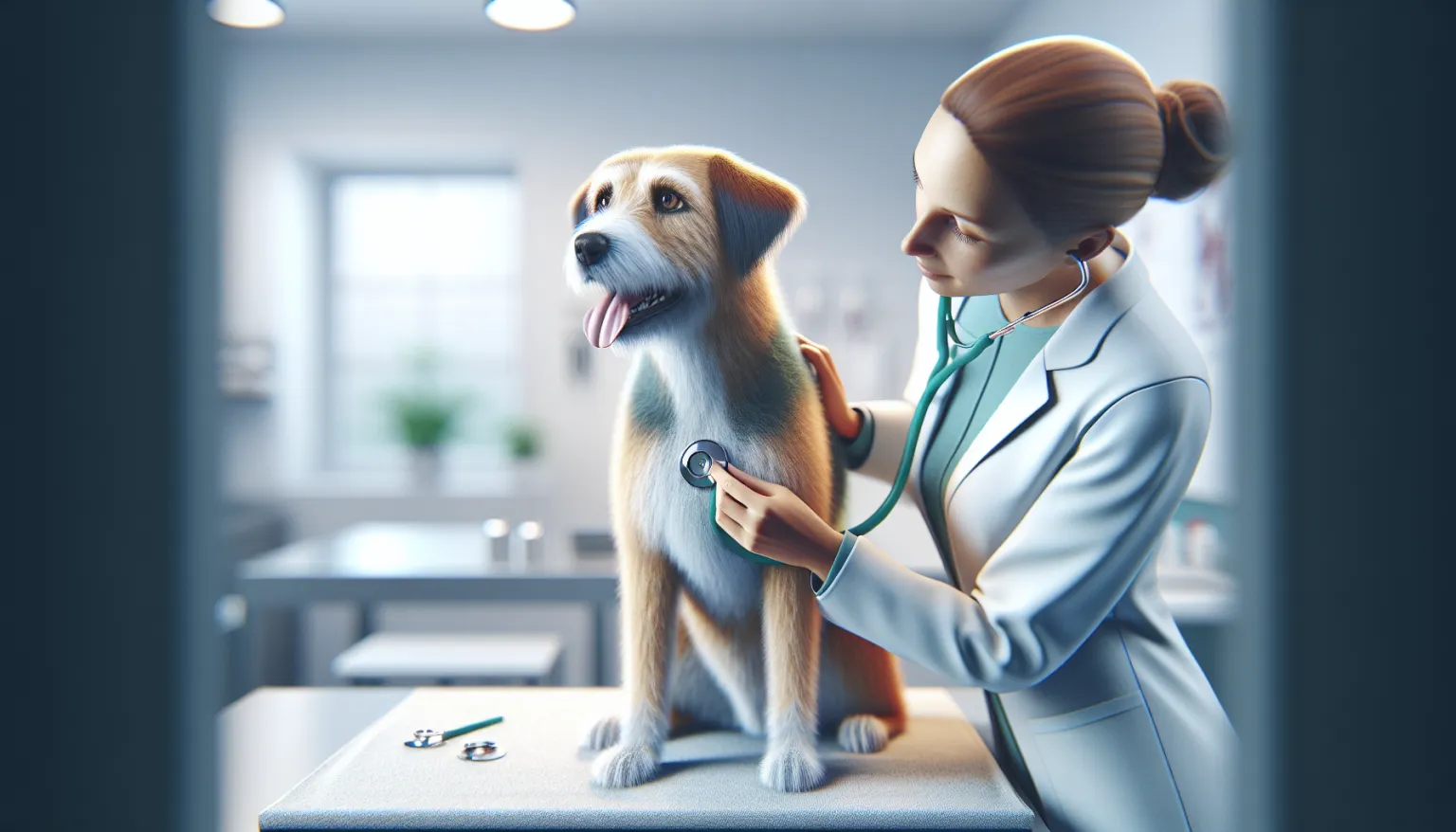
Both parent breeds carry elevated heart disease risk. Maltese are predisposed to mitral valve disease, and Poodles develop both mitral valve disease and patent ductus arteriosus. In Maltipoos, cardiac screening should be a routine part of every veterinary visit from midlife onward.
The earliest signs of cardiac compromise in small dogs are subtle: slightly increased resting respiratory rate, mild cough after excitement or exertion, or reduced exercise tolerance that gets attributed to “slowing down with age.” Learn to count your dog’s sleeping respiratory rate — normal is under 30 breaths per minute. A sustained upward trend from your dog’s personal baseline warrants cardiac evaluation even if the absolute number is still within the general normal range.
Eye Health Across a Long Life
Progressive retinal atrophy (PRA) is well-documented in Poodle lines, causing gradual vision loss that begins with impaired night vision. The Maltese contributes risk for corneal ulceration and tear staining (often cosmetic, but sometimes indicating underlying ocular surface disease).
Responsible breeders test for prcd-PRA before breeding. If your Maltipoo’s breeding background is unknown, ophthalmologic evaluation by age 3-4 establishes a baseline. Watch for signs of declining vision: bumping into furniture in dim light, hesitation on unfamiliar surfaces, or dilated pupils in normal lighting.
Tracheal Collapse: A Structural Vulnerability
Tracheal collapse occurs when the cartilage rings supporting the trachea weaken, causing the airway to flatten during breathing. It is more common in toy and small breeds, and the Maltipoo inherits risk from both parent lines.
The hallmark sound is a dry, honking cough — often triggered by excitement, pulling against a collar, or changes in temperature. Management priorities:
- Use a harness instead of a collar for all leash walking
- Maintain lean body weight to reduce pressure on the airway
- Minimize exposure to respiratory irritants (smoke, strong fragrances, dust)
- Discuss medical management with your vet if coughing becomes frequent or progressive
Seizure Disorders
Both Maltese and Poodles carry elevated risk for epilepsy. Idiopathic epilepsy — seizures with no identifiable structural cause — typically first appears between ages 1 and 5. If your Maltipoo experiences a seizure, document everything: the time, duration, pre-seizure behavior, and post-seizure recovery pattern. This information is diagnostically valuable.
A single seizure does not always require lifelong medication. Recurring seizures — especially clusters or episodes lasting longer than 5 minutes — need veterinary evaluation and management planning.
Skin and Coat Management
Skin allergies affect Maltipoos with some frequency, drawing from the Poodle’s atopic dermatitis predisposition and the Maltese’s sensitive skin. The Maltipoo coat, whether silky, wavy, or curly, requires regular grooming to prevent matting that traps irritants against the skin.
Grooming cadence: brush thoroughly every other day, clean ears weekly (Poodle-inherited ear anatomy is prone to debris accumulation), and schedule professional grooming every 4-6 weeks. Monitor for persistent scratching, paw licking, or recurrent hot spots — these are signals that environmental or food allergens may need investigation.
Feeding a 5-15 lb Dog
Caloric math is unforgiving in a dog this small. A single extra treat can represent 10-15% of the total daily calorie budget. Double that over a week and you have measurable weight gain.
Use Feeding Guide for Small Breeds or Feeding Guide for Toy Breeds as your framework. Measured meals, a strict treat budget, and monthly weigh-ins are baseline requirements. For dogs with cardiac risk factors, discuss CoQ10 for Dogs as a targeted adjunct.
Anti-inflammatory nutrition via Omega-3 Fish Oil for Dogs supports both skin health and cardiac function — two of the primary longevity concerns in this breed.
Preventive Screening Timeline
- Puppy to 2 years: Establish dental routine, growth-weight baseline, and luxating patella evaluation. Begin socialization and behavioral stability training.
- 3 to 7 years: Annual wellness exams with dental staging, cardiac auscultation, eye screening, and body condition assessment. Maintain consistent grooming protocol.
- 8 to 11 years: Add senior bloodwork, increase dental cleaning frequency if periodontal disease is progressing, cardiac evaluation with echocardiography if murmur detected.
- 12+ years: Twice-yearly exams. Senior metabolic panel, cardiac monitoring, cognitive function assessment, pain evaluation, and updated dental plan.
Breed-Specific Research
- Dental Disease in Dogs: Oral Health and Longevity: practical protocols for oral health maintenance and periodontal disease prevention.
- Blood Pressure Monitoring in Dogs: The Silent Risk Most Owners Miss: cardiac screening schedules and early detection strategies.
- Senior Dog Screening Protocol: What to Test and When: structured screening framework for small-breed longevity management.
Condition-Specific Monitoring Triggers
- Luxating Patella: Intermittent skipping or holding up a hind leg, reluctance to jump, or stiffness after rest that resolves with movement.
- Dental Disease: Bad breath, reluctance to chew hard treats, dropping food, bleeding gums, or facial swelling.
- Heart Disease: Coughing after excitement or at night, exercise intolerance, restlessness during sleep, resting respiratory rate trending upward.
- Progressive Retinal Atrophy: Night blindness, bumping into objects in dim light, dilated pupils in normal lighting conditions.
- Seizures/Epilepsy: Sudden collapse with involuntary movements, loss of consciousness, post-event confusion or disorientation. Document duration and frequency.
- Tracheal Collapse: Dry honking cough triggered by excitement, pulling on leash, or temperature changes. Progressive coughing episodes warrant evaluation.
- Skin Allergies: Persistent paw licking, face rubbing, recurrent ear infections, or chronic scratching unresponsive to basic grooming improvements.
12-Month Longevity Execution Plan
Quarter 1: Foundation
- Record starting weight, body condition score, and dental status
- Establish daily tooth brushing routine — this is the single most important habit
- Evaluate patellar stability with your vet and document grade if applicable
- Set feeding protocol: measured meals, one feeder, treats tracked toward daily calories
Quarter 2: Consistency Check
- Assess adherence to dental care, feeding protocol, and grooming schedule
- Compare weight and dental status against Q1 baselines
- Report any coughing, lameness, skin changes, or behavioral shifts to your vet
- Complete any outstanding eye screening or cardiac evaluation
Quarter 3: Midyear Adjustment
- Review the effectiveness of your prevention stack over six months
- Adjust exercise and grooming protocols for seasonal changes
- Check cardiac status — repeat auscultation if murmur was previously noted
- Update dental cleaning schedule based on current periodontal status
Quarter 4: Year-End Review
- Use full-year data to plan next year’s screening calendar
- Complete senior bloodwork if age-appropriate
- Finalize dental and cardiac monitoring plan for the coming year
- Update escalation criteria based on your dog’s observed trends
When to Seek Immediate Veterinary Care
- Seizure lasting longer than 5 minutes or cluster seizures within 24 hours
- Severe respiratory distress, blue-tinged gums, or collapse
- Complete food refusal for more than 24 hours with lethargy
- Sudden inability to bear weight on a limb
- Rapid onset of abdominal distension or persistent vomiting
- Any loss of consciousness or sustained breathing rate above 40 breaths per minute while resting
Home Tracking Dashboard
Monitor these monthly:
- Weight on a scale sensitive to quarter-pound increments
- Dental comfort: willingness to chew, breath quality, gum appearance
- Breathing patterns: resting respiratory rate, any new coughing
- Gait quality: any skipping, limping, or reluctance to jump
- Skin and coat: scratching frequency, ear condition, coat texture
- Energy and engagement levels compared to personal baseline
- Sleep quality and behavioral consistency
Frequently Asked Questions
Why is dental care so critical for Maltipoos? Both parent breeds have small, crowded jaws that accelerate plaque buildup and periodontal disease. Chronic oral infection drives systemic inflammation that can affect the heart and kidneys. In small dogs, dental disease is one of the most common causes of preventable decline.
How do I know if my Maltipoo has a luxating patella? The most common sign is intermittent skipping — your dog briefly holds up a hind leg mid-stride, then returns to normal. Your vet can evaluate patellar stability during a routine exam and grade the severity.
Should I use a harness instead of a collar? Yes, especially for Maltipoos. Collar pressure on the trachea can worsen tracheal collapse risk and exacerbate any existing airway vulnerability. A well-fitted harness distributes pressure across the chest instead.
How often should my Maltipoo see the vet? Annually through age 7, then twice yearly. Dogs with known conditions (luxating patella, heart murmur, dental disease) may need more frequent visits based on disease progression.
What is the most important thing I can do for my Maltipoo’s longevity? Daily dental care combined with strict weight management. These two habits together address the highest-probability longevity risks for this breed. Everything else builds on that foundation.
Are Maltipoos prone to anxiety? Both parent breeds are companion-oriented and can develop separation anxiety or generalized anxiety if not properly socialized. Consistent routines, graduated alone-time training, and a stable household environment help prevent stress from becoming a chronic health issue.
When should I start worrying about heart disease? Ask your vet to check for murmurs at every routine visit starting from the first puppy exam. Most cardiac disease in this cross develops in middle age or later, but early detection through routine auscultation gives you the widest window for management.
References
[1] Life expectancy, mortality, and longevity in companion dogs (Scientific Reports, 2024) [2] Prevalence of inherited disorders among mixed-breed and purebred dogs (Bellumori et al., JAVMA, 2013) [3] AKC Maltese Breed Information [4] Merck Veterinary Manual [5] AAHA Canine Life Stage Guidelines [6] WSAVA Global Nutrition Guidelines
This content is for informational purposes only and does not constitute veterinary advice. Always consult a licensed veterinarian for decisions about your dog’s health, diagnosis, and treatment.
Related reads
Related Reading
Continue exploring