One DNA Test That Could Save This Dog’s Life
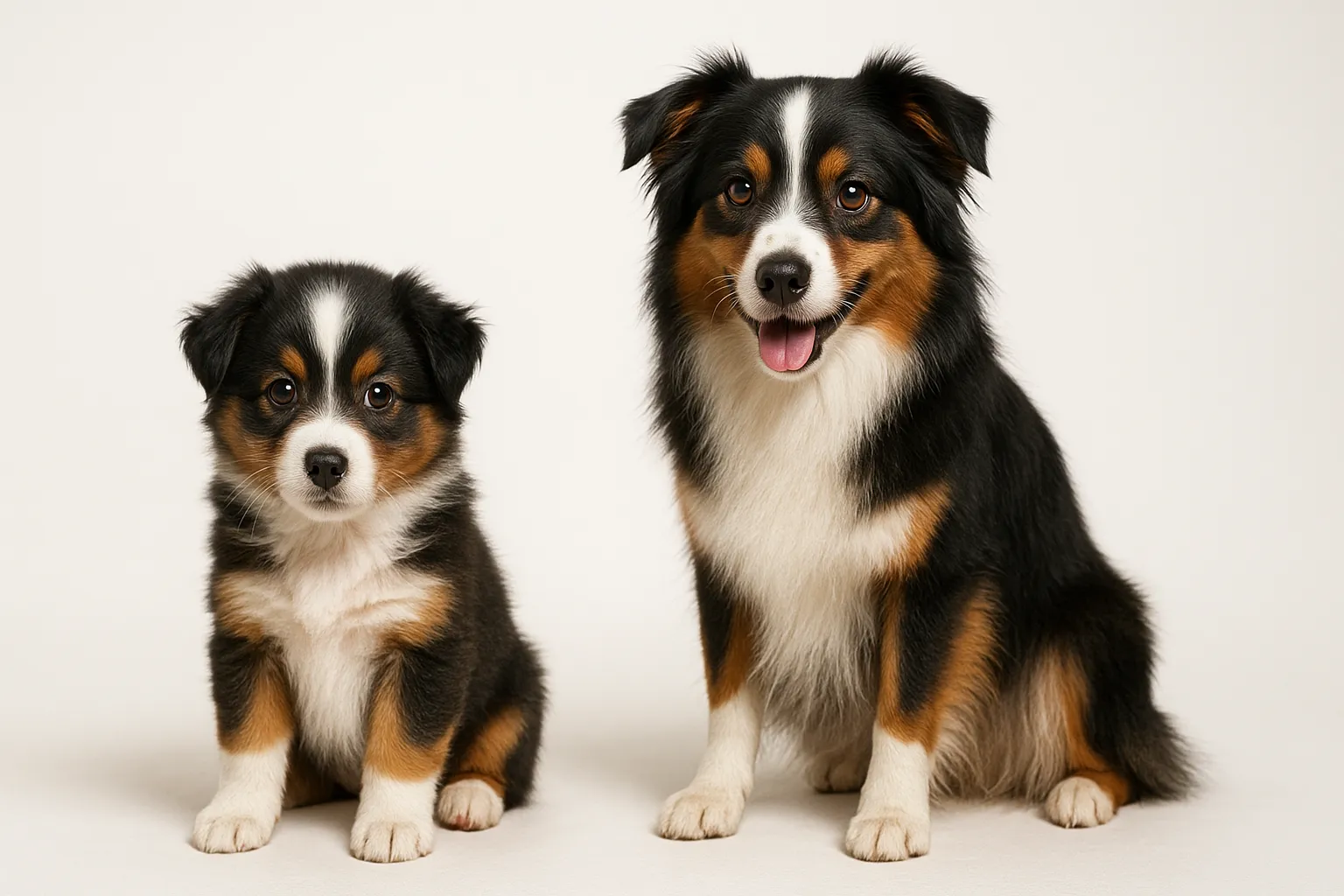
The Miniature American Shepherd is a compact herding breed developed by breeding down small Australian Shepherds in the late 1960s-1970s. At 20-40 lbs, they retain Australian Shepherd intelligence, drive, and herding ability in a more portable package. Typical lifespans run 12-13 years.
The single most critical health fact for this breed is the MDR1/ABCB1 mutation. Inherited from their Australian Shepherd ancestry, this gene variant triggers life-threatening neurological toxicity from numerous common medications at doses that are completely safe in unaffected dogs. Testing is not optional — it is a safety requirement before any veterinary drug exposure. Beyond MDR1, the breed faces multiple inherited eye conditions (PRA, iris coloboma, hereditary cataracts) and above-average hip dysplasia rates. Degenerative myelopathy is also documented.
Where This Breed Is Most Vulnerable
Progressive Retinal Atrophy
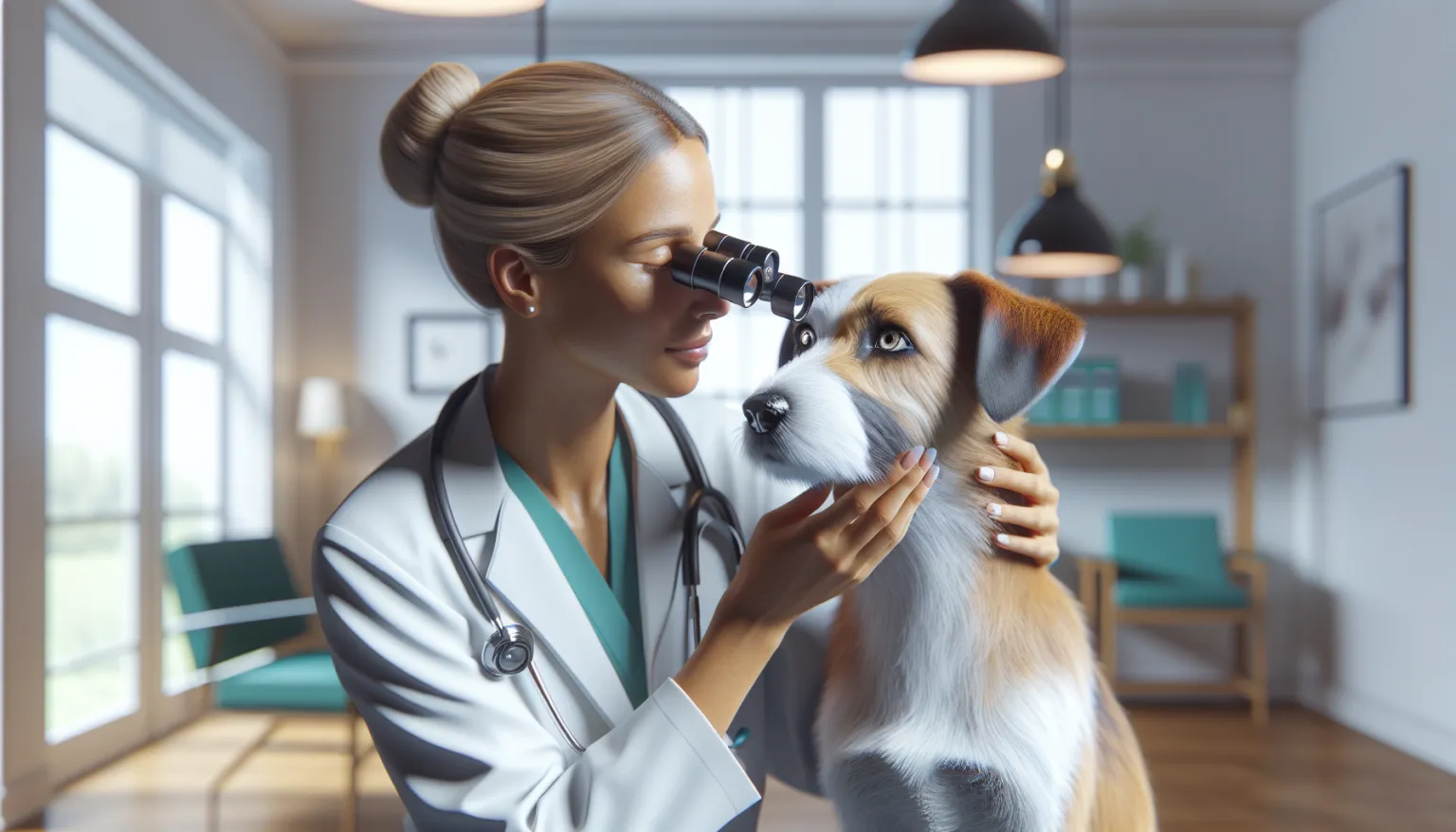
PRA affects Miniature American Shepherds through their Australian Shepherd lineage. Multiple PRA mutations may be present. Annual CAER exams from age 1 provide clinical surveillance. DNA testing for prcd-PRA and other mutations identifies carriers and affected dogs. Iris coloboma — a developmental defect causing a notch or hole in the iris — is a breed-specific eye condition that also requires CAER monitoring.
See the Progressive Retinal Atrophy guide for full prevention and management detail.
Hip Dysplasia
Hip dysplasia occurs at above-average rates in this breed. OFA hip evaluation at 24 months provides a structural baseline for breeding decisions and clinical management. Lean body condition throughout life reduces clinical severity. Given the breed’s high activity level, hip integrity directly affects performance quality and long-term comfort.
See the Hip Dysplasia guide for full prevention and management detail.
Drug Sensitivity (MDR1/ABCB1)
The MDR1 mutation affects drug metabolism, causing severe neurological toxicity from many common medications including ivermectin, loperamide, acepromazine, and certain chemotherapy drugs. DNA testing identifies affected dogs. All affected or untested dogs must have their MDR1 status communicated to every veterinarian involved in their care — emergency situations do not allow time for a test. MDR1-affected dogs can safely receive most medications with appropriate dose modifications and avoidance of prohibited drugs.
See the Drug Sensitivity (MDR1/ABCB1) guide for full prevention and management detail.
Practical Longevity Strategies
MDR1 Testing: The Non-Negotiable First Step
MDR1/ABCB1 mutation testing is the most critical safety test for this breed. Affected dogs develop life-threatening neurological toxicity from doses of ivermectin, milbemycin, loperamide, acepromazine, and other P-glycoprotein substrate drugs that are completely safe in MDR1-normal dogs. The WSU College of Veterinary Medicine maintains a comprehensive list of drugs requiring caution or avoidance. Document test status on all medical records and communicate it to every veterinarian and specialist involved in your dog’s care. Never use over-the-counter ivermectin-containing dewormers in this breed without knowing MDR1 status.
Channeling the Herding Drive
Miniature American Shepherds were developed as performance herding dogs in a smaller package, and they retained the full Australian Shepherd working intelligence and drive. They require 60-90 minutes of vigorous daily exercise and significant mental engagement. Herding, agility, obedience, disc, and nose work all provide the kind of structured challenge these dogs need. Without adequate outlet, they become anxious, vocal, and destructive — not because they are poorly behaved, but because their cognitive needs are unmet. This breed is an exceptional performance sport dog and a poor match for sedentary owners.
Iris Coloboma Surveillance
Iris coloboma — a developmental defect causing a notch or hole in the iris — is documented in Miniature American Shepherds. Colobomas can affect the iris alone (often without visual impact) or extend to deeper structures that affect vision. All dogs in this breed should have coloboma status assessed via CAER exam. Affected dogs’ breeding decisions should reflect the extent and nature of the defect. Annual CAER monitoring is required for all breeding-age dogs.
The Longevity Priorities That Move the Needle
For most Miniature American Shepherd owners, these are the actions that will matter most:
- DNA testing for MDR1 (ABCB1) mutation — drug sensitivity gene present in many Mini American Shepherds creates serious medication risks
- Annual CAER eye exam from age 1 — multiple inherited eye conditions documented including iris coloboma and PRA
- OFA hip evaluation at 24 months — hip dysplasia documented at above-average rates
Make these the backbone of your Miniature American Shepherd’s preventive care calendar. Each quarter, assess whether you are on track or need to escalate. Detailed protocols live in Progressive Retinal Atrophy Pra, Hip Dysplasia, Eye Conditions .
Evidence-Based Longevity Priorities
Body Composition and Muscle Maintenance
Body condition is the single most modifiable longevity factor for a Miniature American Shepherd — every extra pound of fat amplifies risk across joints, heart, and metabolism simultaneously. As a compact herding breed, lean mass retention becomes critical around middle age when metabolic rate slows. Sustained movement patterns in herding dogs require stable muscle-to-fat ratios for long-term joint health — and these dogs were designed to move all day.
Condition-Focused Prevention Stack
The highest-return prevention targets for Miniature American Shepherds are Progressive Retinal Atrophy Pra, Hip Dysplasia, and Eye Conditions. Early action preserves the widest range of treatment options — waiting narrows them irreversibly.
Behavior, Stress Load, and Recovery
Daily routine quality directly affects how these dogs age. Unpredictable schedules and insufficient mental work manifest as behavior drift, sleep disruption, or recovery problems before physical decline becomes obvious. The herding brain needs a job. Without one, it creates its own — and the results are rarely constructive.
Preventive Screening Cadence
Use planned veterinary reassessment intervals and tighten cadence when trend logs show drift in orthopedic function and gait quality. Early intervention windows are where most healthspan gains are made, especially for progressive eye conditions that can advance without obvious external signs.
Breed-Specific Research
Use these evidence deep dives to add mechanism-level context to your Miniature American Shepherd longevity plan:
- Genetic Testing For Dogs Clinical Roi: MDR1 and multi-disease eye testing in Miniature American Shepherds
- Exercise Prescription By Life Stage: exercise management for a high-drive herding performance breed
- Hip Dysplasia Lifetime Load Management: hip dysplasia management in a performance herding breed
Making Genetic Testing Actionable
Genetic testing in Miniature American Shepherds should drive monitoring strategy, not replace it. Use results to tighten surveillance windows and calibrate intervention thresholds. Consider MDR1 gene testing to guide medication safety and hip and elbow scoring (OFA or PennHIP) to quantify orthopedic risk as part of the initial risk assessment.
- A well-chosen initial panel gives you a risk map. Follow-up assessments at regular intervals tell you which risks are materializing and which remain theoretical.
- Start your monitoring plan with Progressive Retinal Atrophy Pra and Hip Dysplasia so every test outcome has a clear next step attached to it.
- Document weight, energy level, appetite patterns, and any changes you notice between vet visits. When combined with clinical data, home observations often reveal the earliest signs of drift.
- Genetic results mean different things at different ages. What looked like a low-risk finding at two years old may deserve closer monitoring by age seven when the clinical picture has changed.
The point of testing is not the result — it is what you do differently because of it.
What Breeding History Means for Your Dog
The Miniature American Shepherd was bred for sustained movement, vigilance, and rapid decision-making under workload — traits distilled from Australian Shepherd stock into a smaller frame. That heritage produced structural load patterns demanding proactive orthopedic surveillance and a temperament sensitivity that benefits from stable routines and arousal management.
- Breed heritage and population health data both point to Progressive Retinal Atrophy Pra, Hip Dysplasia, Eye Conditions as the surveillance priorities that deserve the tightest monitoring cadence.
- When you see the same subtle finding twice — a slight limp, a missed meal, a slower recovery — treat it as a signal, not a coincidence. Tighten your monitoring before it compounds.
- Anchor your prevention plan to the latest data, not the original risk assessment. What your Miniature American Shepherd needed at two years old and what they need at eight are different conversations.
Breeding history narrows the search. Serial monitoring data makes the call.
Your Veterinary Screening Roadmap
- Puppy: MDR1 DNA testing before any veterinary drug exposure, PRA DNA testing
- 1 year: CAER exam, OFA hip evaluation, iris coloboma assessment
- 2-8 years: Annual CAER exam, wellness bloodwork every 2 years
- 9+ years: Biannual senior panel, mobility assessment, dental care
Feeding for Longevity
Miniature American Shepherds do well on quality small-to-medium-breed adult food. Their high performance drive requires caloric intake calibrated to actual activity level — a competition dog and a couch companion have very different needs. Lean body condition protects against hip dysplasia progression. Omega-3 supplementation supports joint and coat health.
What a Well-Managed Life Looks Like
Miniature American Shepherds with MDR1 testing (the essential safety baseline), comprehensive eye surveillance, OFA hip evaluation, and appropriate high-performance herding enrichment are well-positioned to achieve their full longevity potential of 12-13 years. MDR1 status knowledge is required before any veterinary treatment. For owners who meet this breed’s substantial physical and mental needs, the Mini American Shepherd offers a devoted, intelligent partner with a straightforward health management path.
The Drift Pattern Most Owners Miss
Early disease progression in Miniature American Shepherds usually presents as low-grade changes that owners attribute to normal aging:
- Hesitation in dim light or bumping into objects in unfamiliar spaces related to Progressive Retinal Atrophy Pra that progresses slowly enough to normalize
- Bunny-hopping gait or reluctance to jump that masks Hip Dysplasia progression before lameness becomes obvious
- Gradual drift toward Eye Conditions signs that become harder to reverse: visible cloudiness, chronic redness, or navigation difficulty
If baseline function is drifting for 7-10 days, treat it as a prevention failure signal and reassess early.
Additional Health Risks to Monitor
Based on breed predisposition data, Miniature American Shepherd owners should also be aware of:
Frequently Asked Questions
How long do Miniature American Shepherds live?
Miniature American Shepherds typically live 12-13 years. MDR1 DNA testing (critical for medication safety), annual CAER eye exams, and OFA hip evaluation are the primary longevity investments.
What is MDR1 mutation in Miniature American Shepherds?
The MDR1/ABCB1 mutation affects drug metabolism, causing life-threatening neurological toxicity from many common medications at normal doses. All dogs in herding breed lineages with Australian Shepherd ancestry should be tested. Affected dogs’ status must be on their veterinary records.
Are Miniature American Shepherds the same as Mini Australian Shepherds?
They share origins from breeding-down small Australian Shepherds, but the Miniature American Shepherd is the AKC-recognized name and breed standard. “Mini Australian Shepherd” is used informally but is not an AKC-recognized breed designation.
Are Miniature American Shepherds good family dogs?
Miniature American Shepherds are excellent family dogs for active owners who can meet their significant exercise and mental engagement requirements. Their intelligence and loyalty make them devoted companions. They excel in dog sports and outdoor activities.
Do Miniature American Shepherds have merle coloring?
Yes — Miniature American Shepherds can be blue merle, red merle, black, or red, with or without white and copper markings. Merle-to-merle breeding should be avoided as it produces “double merle” offspring with significantly elevated vision and hearing impairment risk.
References
[1] Miniature American Shepherd Club of the USA. mascusa.org. [2] MDR1 mutation in herding breeds: Mealey KL et al. Lancet. 2001. [3] OFA health statistics. ofa.org. [4] AKC breed information. akc.org. [5] WSU MDR1 drug list: vcpl.vetmed.wsu.edu.
Related reads
Related Reading
Continue exploring