Tracking Moose for Millennia — and Paying the Renal Price
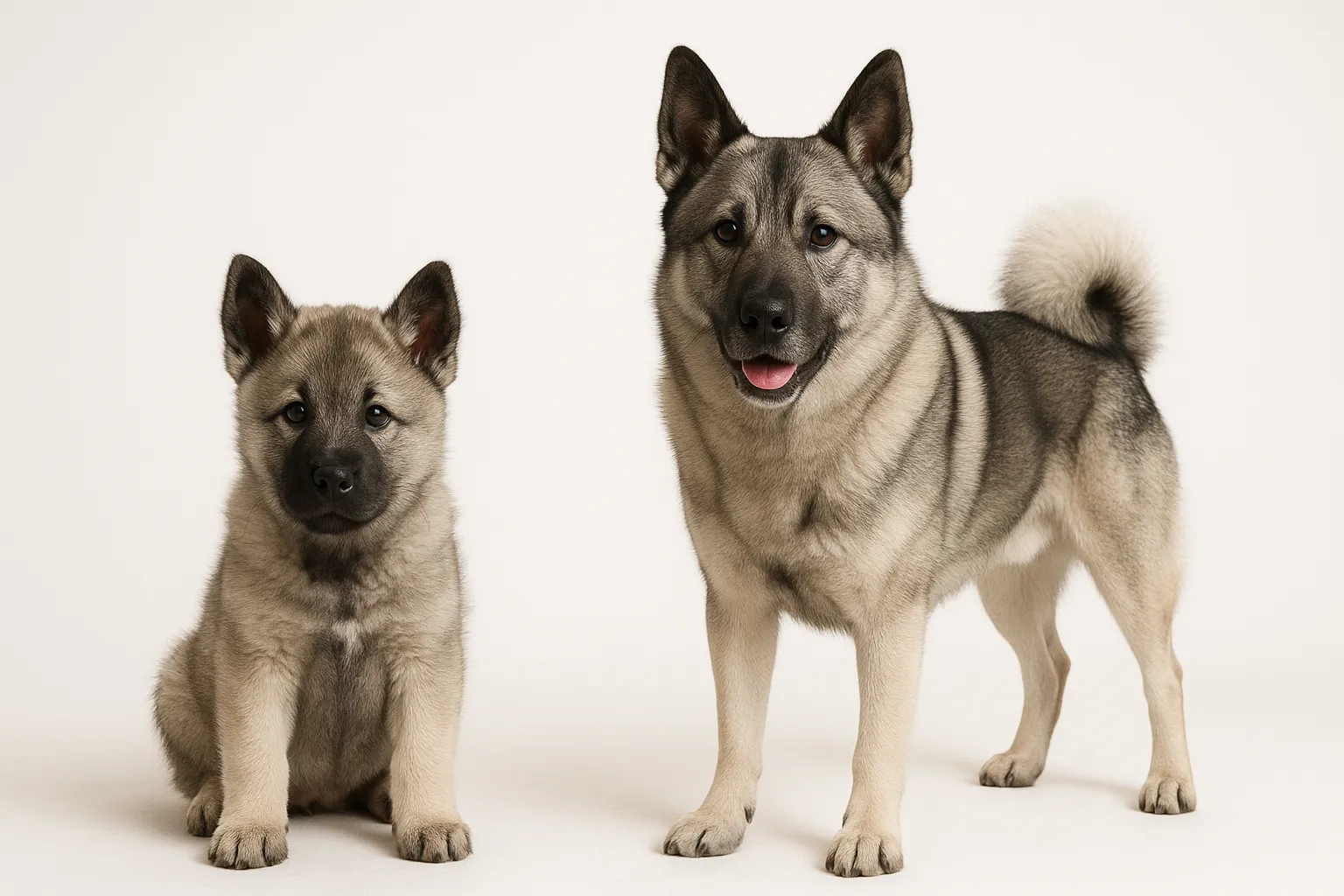
Norwegian Elkhounds have tracked moose through Scandinavian wilderness for thousands of years. That ancient Nordic spitz lineage produced a dog built for endurance, independence, and survival — and it shows in their health.
Typical lifespans of 12-15 years are strong for a medium-to-large spitz breed. But longevity in this breed hinges on catching two specific threats early: progressive retinal atrophy (PRA), which causes progressive blindness, and renal conditions that can quietly undermine kidney function for years before symptoms appear.
The renal picture deserves particular attention. Renal dysplasia — abnormal kidney development present from birth — and a Fanconi-like syndrome that disrupts normal tubular reabsorption both appear in the breed.
Hip dysplasia rounds out the primary structural concerns. Annual urinalysis monitoring provides the earliest window for detecting renal dysfunction, and catching it early changes outcomes substantially.
Health Risks Worth Knowing
Progressive Retinal Atrophy
PRA is a well-documented hereditary concern in Norwegian Elkhounds. The retinal degeneration starts with night blindness and progresses toward complete vision loss. DNA testing for breed-specific PRA mutations is available, and annual CAER examinations track clinical progression. Affected dogs can adapt remarkably well to blindness when their environment stays consistent.
See the Progressive Retinal Atrophy guide for full prevention and management detail.
Hip Dysplasia
Hip dysplasia occurs in Norwegian Elkhounds at moderate rates for a medium spitz breed. OFA hip evaluation at 24 months establishes a structural baseline. Lean body condition and omega-3 supplementation support joint health across the breed’s long lifespan.
See the Hip Dysplasia guide for full prevention and management detail.
Renal Conditions
Two distinct renal conditions affect this breed. Renal dysplasia — abnormal kidney development present from birth — and a Fanconi-like syndrome that disrupts renal tubular function. Annual urinalysis with UPC ratio starting at age 2-3 gives you the earliest possible detection of abnormal protein excretion and glucose spillover. If proteinuria shows up early, nephrology consultation is warranted.
See the Renal Conditions guide for full prevention and management detail.
Longevity Interventions That Have Data Behind Them
Build a Renal Monitoring Habit Early
Start annual urinalysis monitoring — including urine glucose, protein, and UPC ratio — from age 2-3. The Fanconi-like syndrome in Norwegian Elkhounds can present with glucosuria (glucose in urine) despite perfectly normal blood glucose. That glucose spillover is an early detection signal you do not want to miss.
Persistent proteinuria or any abnormal urinalysis findings warrant nephrology consultation and more frequent monitoring. This is one of those cases where a simple, inexpensive test can genuinely change the trajectory of your dog’s health.
Stay Ahead of PRA
PRA DNA testing early in life identifies Norwegian Elkhounds who will develop progressive blindness before any clinical signs appear. Annual CAER examinations track progression over time. Together, DNA testing and CAER monitoring give you the most complete picture of eye health.
For affected dogs, environmental preparation makes a real difference. Keep the home layout consistent. Avoid rearranging furniture as blindness progresses. These straightforward adjustments maintain quality of life for dogs who are otherwise healthy and happy.
Exercise Like a Nordic Hunter
Norwegian Elkhounds are athletic, endurance-oriented hunting dogs. Regular moderate-to-vigorous activity — hiking, swimming, long walks — supports cardiovascular health and muscle maintenance throughout life. Consistency matters more than intensity.
Their thick double coat gives them higher cold tolerance than most breeds, but that same coat means they need activity modification when temperatures rise. Watch for heat stress signs during warm-weather exercise.
Start Here: Your Top Longevity Targets
The prevention actions most Norwegian Elkhound owners should prioritize above all else:
- Annual CAER ophthalmology exam for PRA detection — progressive retinal atrophy is a primary hereditary concern in this breed
- Annual urinalysis and renal panel starting at age 3 — renal dysplasia and Fanconi-like syndrome are documented
- OFA hip evaluation at 24 months given moderate hip dysplasia prevalence
Anchor your monitoring plan to these high-yield targets. When you are deciding where to invest time and money, these conditions are where the evidence points. See Progressive Retinal Atrophy Pra, Hip Dysplasia, Kidney Disease for the full breakdown.
Evidence-Based Longevity Priorities
Weight Stability Protects Everything
Weight stability and muscle quality are foundational to orthopedic health and metabolic longevity in Norwegian Elkhounds. As a medium breed, body composition directly predicts how well joints and cardiovascular systems hold up over time. These pursuit athletes need sustained lean mass to preserve joint function and cardiovascular efficiency across a 12-15 year life.
Stack Prevention Where It Counts
Target your prevention plan at Progressive Retinal Atrophy Pra, Hip Dysplasia, Kidney Disease — the conditions where proactive monitoring and early response yield the highest return on invested time and resources.
Routine Consistency Matters More Than You Think
Household consistency has a bigger impact on Norwegian Elkhound aging than most owners realize. Irregular schedules and insufficient scent work often show up as behavior drift or slow recovery well before physical decline appears.
Screen on a Schedule, Not After a Crisis
Set routine veterinary review checkpoints and escalate frequency when orthopedic function or gait quality shows early drift. Prevention windows close quickly once symptoms become obvious.
Breed-Specific Research
Use these evidence deep dives to add mechanism-level context to your Norwegian Elkhound longevity plan:
- Genetic Testing For Dogs Clinical Roi: evidence for PRA DNA testing and renal condition screening
- Kidney Disease Nutrition Protocol For Dogs: nutritional management for dogs with renal dysplasia or Fanconi-like syndrome
- Annual Wellness Testing Protocol For Dogs: framework for urinalysis and renal monitoring timing
Using DNA Data to Guide Prevention
For Norwegian Elkhounds, genetic testing has the most value when results directly change what gets measured, how often, and what triggers escalation. Consider hip and elbow scoring (OFA or PennHIP) to quantify orthopedic risk as part of the initial assessment.
- Run a panel targeted to your breed’s most common conditions. Then confirm what the genetics suggest through ongoing clinical evaluation — the panel sets direction, not destiny.
- Anchor your initial monitoring to Hip Dysplasia and Progressive Retinal Atrophy Pra. Testing matters when it changes what you measure, how often, and what triggers escalation.
- The most important insights about your Norwegian Elkhound’s health emerge from longitudinal data, not isolated visits. Keep a continuous record that connects genetic results, lab findings, and what you observe at home.
- Plan reassessment points at each major life transition — post-growth, mid-life, and the senior threshold. Each stage reframes what your genetic data means for daily management.
Testing has the most value when it changes what you measure this quarter.
Breeding History & Health Implications
The Norwegian Elkhound was bred for tracking endurance, pursuit speed, and scent-driven work. That legacy creates structural load patterns that demand proactive orthopedic surveillance in modern dogs.
- Structural demands from a working heritage require proactive screening at intervals that match the breed’s actual risk curve, not a generic wellness schedule.
- Focus your risk surveillance on Hip Dysplasia, Progressive Retinal Atrophy Pra, Kidney Disease — these are the conditions where this breed’s ancestry creates the most actionable risk profile.
- The difference between catching a problem early and catching it late is often just paying attention to the small stuff that repeats. One off day is nothing. Three in a month is a trend.
- Prevention strategies that never get updated become prevention rituals. Revisit yours regularly and adjust based on what the data actually shows.
Breed heritage identifies the likely risks. Your dog’s longitudinal health data converts those probabilities into specific, timed actions.
What to Test and When
- Puppy to 2 years: PRA DNA test, CAER exam, OFA hip at 24 months, establish urinalysis monitoring
- 3-7 years: annual CAER, annual urinalysis + UPC, OFA hip, body condition monitoring
- 8+ years: senior panel including renal, CBC; ophthalmology monitoring; every 6-12 months
Feeding for Longevity
Norwegian Elkhounds benefit from complete medium-breed adult diets. Dogs with confirmed renal conditions need kidney-protective nutrition: controlled phosphorus, appropriate high-quality protein, and omega-3 supplementation. Weight management deserves extra attention because the dense coat can mask body condition drift. Aim for BCS 4-5/9.
What the Future Can Hold
Norwegian Elkhounds with PRA monitoring, renal surveillance, and hip screening can live healthy, active lives in the 12-15 year range. The breed’s renal conditions require early identification through regular urinalysis, but affected dogs maintain good quality of life with appropriate management. This is a breed where routine lab work genuinely extends both lifespan and healthspan.
Most-Missed Early Drift Pattern
Healthspan erosion in Norwegian Elkhounds typically begins with subtle shifts that are easy to dismiss:
- Subtle hind-limb stiffness after rest related to Hip Dysplasia that owners often dismiss as temporary
- A mild early sign tied to Progressive Retinal Atrophy Pra that appears intermittently
- Gradual drift toward Kidney Disease signs that become harder to reverse: vomiting, dehydration, oral ulcers, and appetite collapse
If baseline function is drifting for 7-10 days, treat it as a prevention failure signal and reassess early.
Additional Health Risks to Monitor
Based on breed predisposition data, Norwegian Elkhound owners should also be aware of:
Frequently Asked Questions
How long do Norwegian Elkhounds live?
Norwegian Elkhounds typically live 12-15 years. PRA DNA testing, annual urinalysis monitoring, and OFA hip evaluation are the key longevity health investments.
What is Fanconi syndrome in Norwegian Elkhounds?
Norwegian Elkhounds can develop a Fanconi-like syndrome where the kidneys abnormally excrete glucose into the urine despite normal blood glucose levels. This indicates renal tubular dysfunction. Annual urinalysis monitoring detects abnormal glucose spillover early.
Are Norwegian Elkhounds good family dogs?
Norwegian Elkhounds are loyal, playful, and energetic dogs that bond strongly with family. They can be independent and stubborn. They need daily vigorous exercise and do not tolerate extreme heat well given their thick coat.
Are Norwegian Elkhounds hypoallergenic?
No — Norwegian Elkhounds have a thick double coat that sheds heavily, particularly seasonally. They are not suitable for allergy-sensitive households.
How much exercise does a Norwegian Elkhound need?
Norwegian Elkhounds need at least 30-45 minutes of vigorous daily exercise. They excel at hiking, swimming, and endurance-oriented activities. Hot weather exercise should be limited given their heavy coat.
References
[1] Norwegian Elkhound Association of America health program. neaa.net. [2] PRA in Norwegian Elkhounds: Acland GM. Vet Ophthalmol. 1999. [3] Renal dysplasia in dogs: Hoppe A. Vet Clin North Am. 1994. [4] OFA health statistics by breed. ofa.org. [5] WSAVA global nutrition guidelines. wsava.org.
Related reads
Related Reading
Continue exploring