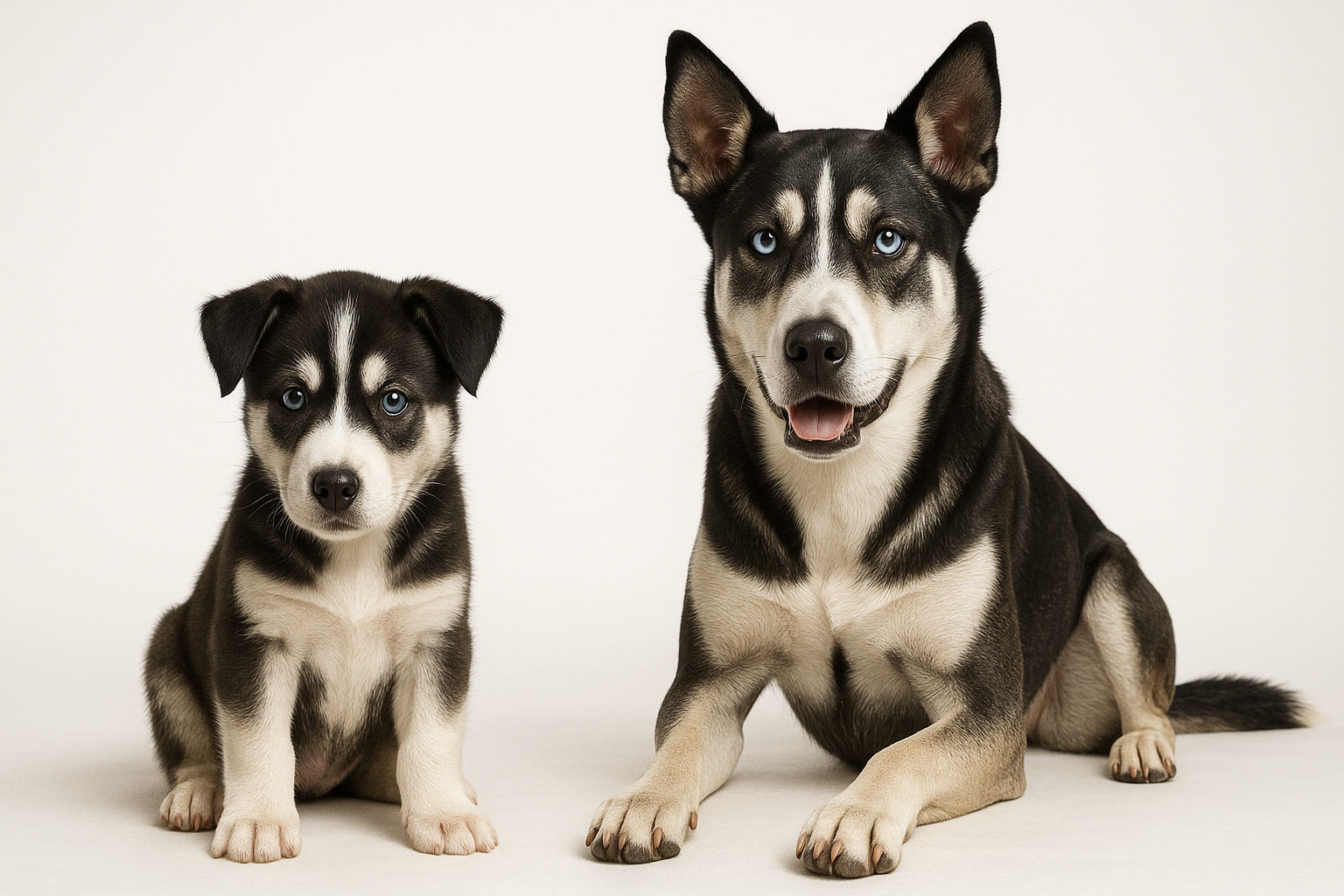
Power Meets Endurance
The Pitsky is an improbable combination that works remarkably well. The American Pit Bull Terrier — a breed defined by muscular power, tenacity, and an eagerness to please that borders on devotion — meets the Siberian Husky, a breed built for sustained endurance across frozen landscapes, with the independence and environmental intelligence to match. At 35 to 65 pounds with a 12-to-15-year lifespan, the Pitsky inherits the best of both temperaments: the APBT’s human-focused loyalty tempered by the Husky’s self-sufficient resilience.
From a longevity perspective, this cross benefits from pairing two breeds with genuinely different genetic backgrounds and physical architectures. The APBT’s compact musculature and the Husky’s lean endurance build create offspring that are typically athletic, structurally sound, and built for sustained activity — all favorable traits for a long, healthy life. But both parent breeds carry specific health vulnerabilities that require targeted management.
Hybrid Vigor: A Strong Case Here
The genetic distance between the American Pit Bull Terrier and Siberian Husky is substantial. These breeds were developed on different continents, for entirely different purposes, from different founding stock. First-generation Pitsky crosses typically show robust heterosis — improved immune function, general vigor, and reduced expression of breed-specific recessive conditions.
Where hybrid vigor helps most: immune resilience, overall structural soundness, and conditions unique to one parent line. Where it helps less: hip dysplasia (the APBT carries moderate risk), hypothyroidism (both breeds are affected), cataracts (the Husky carries elevated hereditary cataract risk), and skin allergies (the APBT is among the most allergy-prone breeds).
The Pitsky’s medium size — neither toy nor giant — also confers a lifespan advantage. Medium-sized dogs consistently outlive both their much smaller and much larger counterparts in population-level studies.
Risk Profile: Where Two Athletic Breeds Converge
Hip Dysplasia: Moderate but Real
Hip dysplasia is a relevant concern in the Pitsky, primarily from the APBT side. OFA data shows American Pit Bull Terriers at approximately 24% dysplastic hip prevalence. Siberian Huskies, by contrast, carry one of the lowest large-breed hip dysplasia rates — approximately 2%. This disparity means hybrid vigor may meaningfully reduce hip dysplasia risk in F1 crosses, but does not eliminate it.
PennHIP or OFA radiographic evaluation before age 2 provides baseline data. Maintaining lean body condition throughout life — particularly during the growth period — is the most impactful modifiable factor for dogs with any degree of hip laxity.
Hypothyroidism: Dual-Breed Inheritance
Hypothyroidism affects both American Pit Bull Terriers and Siberian Huskies at meaningful rates, making this one of the conditions where hybrid vigor provides limited protection. Clinical signs include gradual weight gain despite stable feeding, coat changes (thinning, dullness, bilateral symmetrical hair loss), lethargy, cold intolerance, and sometimes behavioral changes.
Baseline thyroid values at age 3 to 4 — using a full thyroid panel including total T4, free T4, TSH, and thyroglobulin autoantibodies — create a reference point for detecting clinically significant decline. Treatment with levothyroxine is straightforward, lifelong, and effective.
Cataracts: The Husky Inheritance
The Siberian Husky is one of the breeds most commonly affected by hereditary cataracts, with prevalence rates significantly above the general dog population. Hereditary cataracts in Huskies typically appear between 6 and 18 months of age, distinguishing them from age-related cataracts that develop in senior dogs.
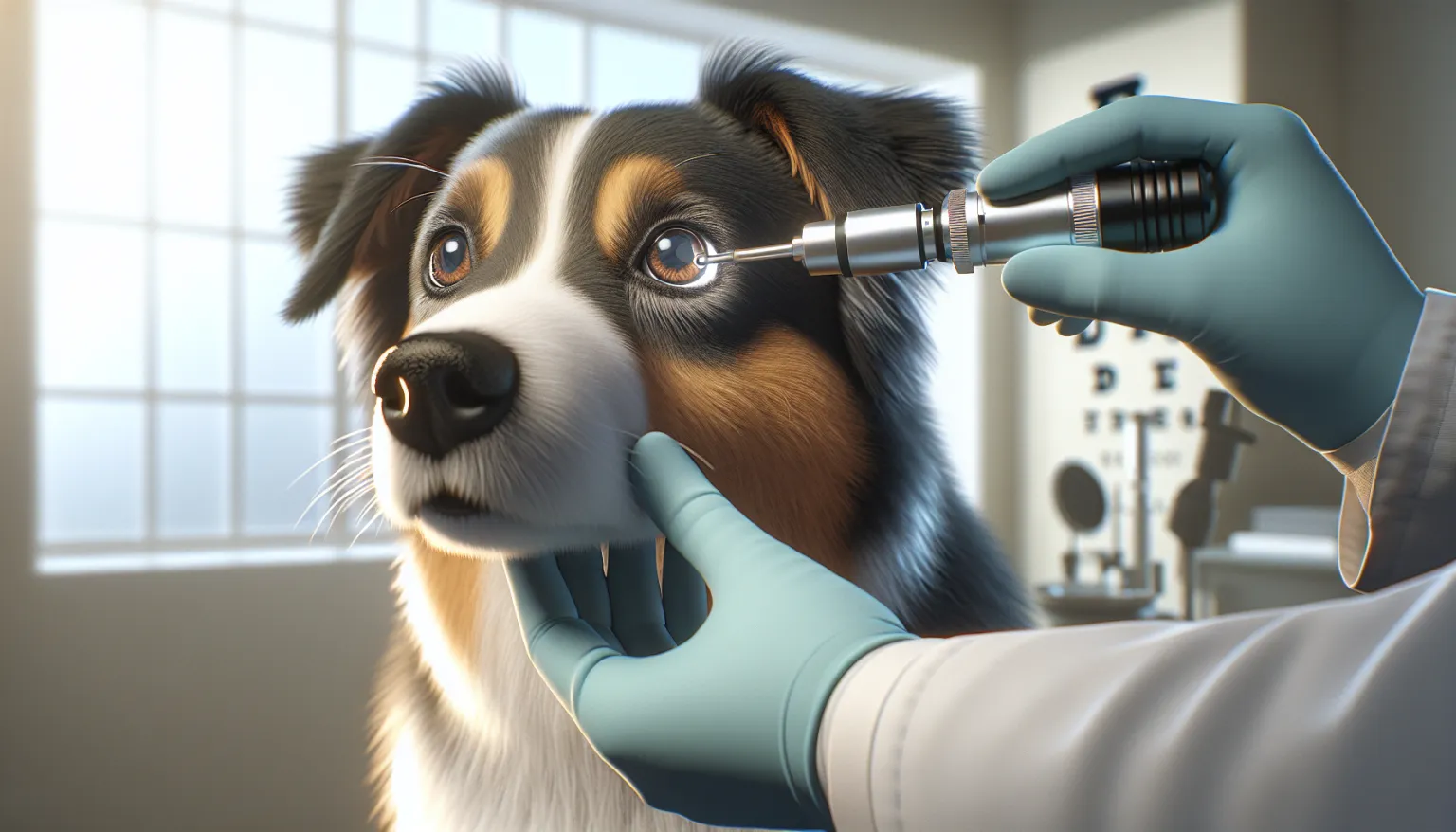
Annual ophthalmic evaluation beginning in puppyhood allows early detection. Surgical lens replacement maintains success rates exceeding 90% in appropriate candidates, making early identification particularly valuable for preserving intervention options.
Skin Allergies: The Pit Bull Legacy
Skin allergies — encompassing atopic dermatitis, food allergy, and contact dermatitis — are among the most common health issues in American Pit Bull Terriers. The APBT consistently ranks among the top five breeds for allergic skin disease prevalence. Signs include chronic itching, recurrent skin and ear infections, paw-licking, belly redness, and hot spots.
Allergic skin disease is typically lifelong but manageable. The treatment framework includes allergen identification (intradermal testing or serum IgE panels), dietary trials for food allergy exclusion, pharmacological control (oclacitinib, lokivetmab, or cyclosporine), and environmental modification. Early intervention prevents the secondary skin thickening, chronic infections, and behavioral distress that develop when allergies go unmanaged.
Arthritis: The Activity-Dependent Risk
Arthritis in athletic breeds often correlates with the type and intensity of exercise across the lifespan rather than just age or genetics. A Pitsky that spends years doing high-impact activities — repeated ball-chasing, agility jumps, sprinting on hard surfaces — accumulates more joint wear than one whose exercise is varied, moderate, and includes low-impact components.
Lean body condition, appropriate exercise programming, and early multimodal pain management when arthritis develops are the primary management tools.
Heart Disease: Watch for Midlife Changes
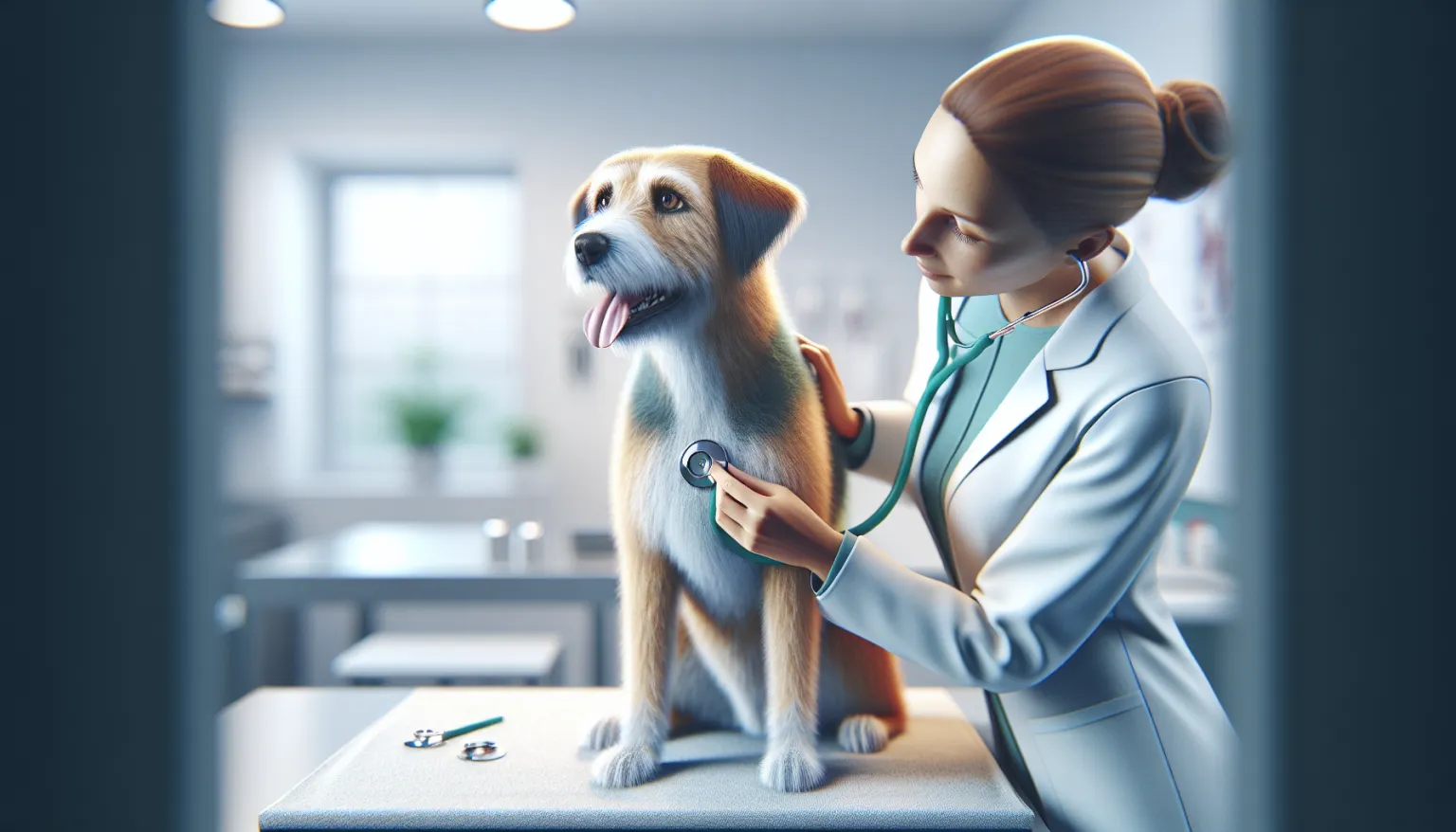
Heart disease in the Pitsky is not typically congenital but can develop as an acquired condition in midlife and senior years. Both parent breeds can develop valvular disease and, less commonly, dilated cardiomyopathy. Routine cardiac auscultation at every wellness visit establishes a murmur detection baseline. Resting respiratory rate monitoring at home provides an early warning signal for cardiac decompensation.
Five-Point Longevity Plan
- Hip evaluation by age 2 — PennHIP or OFA radiographs, especially important given APBT heritage.
- Annual ophthalmic exams — hereditary cataract screening from puppyhood, given Husky inheritance.
- Skin health management — allergy identification and control before chronic changes develop.
- Thyroid baseline at age 3-4 — full panel with periodic retesting.
- Exercise programming that balances intensity with joint protection — variety over repetition.
Evidence-Based Longevity Priorities
Channeling Athletic Potential Wisely
Both parent breeds are athletic dogs that thrive with significant daily exercise. The Pitsky inherits this need, and sedentary management invites behavioral problems, weight gain, and metabolic dysfunction. The goal is sustained, varied physical activity — not peak performance.
Swimming, trail running, structured play with rotating activities, and nose work provide the physical and mental stimulation this cross needs without the repetitive joint loading that accelerates arthritis. Avoid daily fetch sessions on hard ground as the primary exercise modality.
Skin Health as a Quality-of-Life Foundation
Allergic skin disease in the Pitsky does not shorten lifespan directly, but its impact on quality of life is enormous. A dog that itches constantly, develops recurrent infections, and loses sleep to skin discomfort is a dog whose overall healthspan is compromised regardless of lifespan. Treat skin allergies as a core longevity issue, not a cosmetic one.
Weight Management in a Muscular Breed
The APBT’s muscular build can mask excess fat deposits. Body condition scoring — feeling for rib coverage, observing waist definition from above, and assessing abdominal tuck from the side — is more reliable than scale weight alone in this cross. Monthly assessment prevents the subtle drift from “muscular” to “heavy” that many athletic-breed owners miss.
Thyroid Function and the Metabolic Foundation
Hypothyroidism creates a metabolic slowdown that mimics aging: weight gain, energy decline, coat deterioration, cognitive dulling. In a breed cross where both parents carry thyroid risk, proactive monitoring and early treatment preserve metabolic efficiency and quality of life for the remainder of the dog’s years.
Breed-Specific Research
- Joint Screening Protocol by Breed: orthopedic evaluation timelines for breeds predisposed to hip dysplasia.
- Eye Health Screening Frequency by Breed: ophthalmic screening schedules for breeds with hereditary cataracts.
- Canine Hypothyroidism Longevity Management: thyroid monitoring and treatment protocols.
- Muscle and Mobility Longevity Protocol: exercise programming for maintaining musculoskeletal health in athletic breeds.
- Senior Dog Screening Protocol: What to Test and When: comprehensive age-appropriate screening guidelines.
Genetic Testing: Clarifying the Mix
Genetic testing in the Pitsky provides valuable information about inherited risk from two very different breed backgrounds.
- Hereditary cataract markers from the Husky line inform ophthalmic screening intensity and prognosis.
- Hip dysplasia predisposition markers supplement radiographic evaluation with genetic context.
- Anchor initial monitoring to Hip Dysplasia, Cataracts, and Skin Allergies. These are the conditions where your Pitsky’s specific genetic inheritance most directly determines management.
- Hypothyroidism markers can support earlier baseline testing decisions when both parent lines contribute risk.
- Update genetic risk interpretation annually as clinical findings accumulate. In an athletic breed, orthopedic and dermatologic trends are often the first indicators of which parent-line risks are expressing.
How Parent Breed Heritage Shapes Risk
The American Pit Bull Terrier contributes muscular build, skin allergy predisposition, hip dysplasia risk, and an eagerness to work that makes it a cooperative patient for veterinary procedures. The Siberian Husky adds endurance physiology, hereditary cataract risk, thyroid vulnerability, and an independence that benefits from early socialization and consistent training.
- Prioritize surveillance on Hip Dysplasia, Skin Allergies, Cataracts, Hypothyroidism, and Heart Disease.
- The APBT’s desire to please typically makes training and handling straightforward — channel this into cooperative veterinary care and consistent health monitoring routines.
- The Husky’s environmental adaptability means this cross can handle cold weather well but may be heat-sensitive. Adjust exercise timing seasonally.
Life-Stage Monitoring Timeline
- Puppy to 2 years: PennHIP or OFA hip evaluation, first ophthalmic exam (hereditary cataract screening), skin health baseline, and exercise programming.
- 3 to 8 years: Annual wellness labs, ophthalmic screening, dermatologic review, cardiac auscultation, thyroid baseline at age 3-4, and weight management review.
- 9+ years: Semiannual exams with arthritis assessment, cardiac evaluation, ophthalmic review, thyroid recheck, skin health review, and cognitive function screening.
What to Track at Home Every Month
- Weight and body condition score (feel for rib coverage, observe waist definition)
- Skin condition — itching frequency, redness, hot spots, paw-licking, ear health
- Gait symmetry and willingness to exercise at usual intensity
- Eye clarity and any changes in lens appearance
- Coat quality and energy level (thyroid indicators)
- Appetite, hydration, and stool consistency
- Exercise tolerance and recovery time
- Resting respiratory rate during sleep
Condition-Specific Monitoring Triggers
- Hip Dysplasia: Track gait symmetry, difficulty rising, and reluctance to climb stairs or jump. Escalate for progressive lameness or hindquarter muscle wasting.
- Hypothyroidism: Track weight trend, coat quality, energy level, and cold sensitivity. Escalate for unexplained weight gain, bilateral hair loss, or persistent lethargy.
- Cataracts: Watch for lens cloudiness, changes in eye color, or behavioral signs of vision impairment. Escalate for rapid progression or sudden changes — hereditary cataracts in Husky lines can progress quickly.
- Skin Allergies: Monitor itching intensity, skin redness, infection frequency, and ear health. Escalate for worsening despite treatment, new infection signs, or behavioral distress from chronic itch.
- Arthritis: Watch for reduced activity, stiffness after rest, and changes in willingness to exercise. Escalate for visible pain during movement or significant mobility decline.
- Heart Disease: Monitor resting respiratory rate, exercise tolerance, and nighttime coughing. Escalate for respiratory rate consistently above 30 breaths per minute during sleep or any syncopal episode.
12-Month Longevity Execution Plan
Quarter 1: Baseline and Risk Mapping
- Establish baseline weight, body condition, hip radiographic status, ophthalmic findings, skin condition, and cardiac auscultation
- Implement feeding protocol: measured meals, treats within 10% of daily calories, consistent across all caregivers
- Begin exercise programming that balances intensity with joint protection — varied activities, moderate duration
- Establish skin care baseline: document any allergy signs, ear health status, and seasonal patterns
Quarter 2: Adherence and Early Drift Control
- Audit Q1 compliance and correct gaps
- Tighten observation on any metric that moved — weight, gait, skin condition, or exercise tolerance
- Adjust calorie intake against weight trend
- If allergy signs are present, begin allergen identification workup
- Refine exercise programming based on orthopedic findings
Quarter 3: Midyear Reassessment
- Evaluate six months of data and recalibrate the prevention approach
- Review allergy management plan as seasonal allergens shift
- Update screening cadence based on emerging clinical trends
- Repeat ophthalmic exam if hereditary cataract risk is elevated
- Adjust exercise for seasonal conditions (heat management for Husky-coated individuals)
Quarter 4: Senior-Readiness Update
- Build next year’s monitoring plan from twelve months of trend data
- Update urgent vet-visit triggers based on observed patterns
- If approaching age 8-9, plan semiannual screening transition
- Reassess hip status and arthritis management plan
- Recheck thyroid panel and compare to baseline
- Review allergy management strategy effectiveness over the full year
When to Seek Same-Day Veterinary Care
- Sudden severe lameness or inability to bear weight
- Rapid eye changes — sudden cloudiness, squinting with pain signs, or vision loss
- Severe skin infection with swelling, heat, and pain
- Complete food refusal combined with lethargy
- Collapse, fainting, or loss of consciousness
- Labored breathing or resting respiratory rate sustained above 40 breaths per minute
- Signs of bloat (less common in medium-sized dogs but possible with Husky chest depth): abdominal distension, unproductive retching, restlessness
Longevity Outlook: Built for the Long Run
A Pitsky at 13 who still pulls eagerly at the start of a trail run, whose skin is comfortable and coat is glossy, whose eyes are clear, who rises from rest without hesitation — that dog had hips evaluated before damage accumulated, skin allergies identified and managed before chronic changes set in, eyes screened before cataracts could steal vision, and a thyroid that was monitored and treated when it began to drift.
The Pitsky combines two breeds that were built to work — one for explosive power, the other for sustained endurance. That combination produces a medium-sized dog with genuine athletic capacity and, in first-generation crosses, the genetic diversity to support a 12-to-15-year lifespan that is above average for its weight range. Realizing that potential requires the owner to match the dog’s physical investment with a health management plan that is equally disciplined: proactive screening, consistent exercise programming, and the willingness to act on subtle changes before they become entrenched problems.
Diet and Feeding Strategy
Use Feeding Guide for Small Breeds for Pitskies at the lower end of the weight range (35-45 lbs) and Feeding Guide for Large Breeds for those above 50 pounds. Body condition scoring is more reliable than scale weight in this muscular cross — feel for rib coverage and observe waist definition.
For Pitskies with skin allergies, dietary trials may be an important component of allergy management — work with your vet to identify and eliminate food triggers. Omega-3 Fish Oil for Dogs provides skin-supportive and anti-inflammatory benefits. Glucosamine and Chondroitin for Dogs can support joint health when veterinarian-guided.
Frequently Asked Questions
Are Pitskies healthier than their parent breeds? First-generation crosses between genetically distinct breeds often benefit from hybrid vigor, which can reduce the incidence of certain inherited conditions. The Pitsky’s medium size also confers a lifespan advantage over both smaller and larger breed categories. However, conditions that both breeds share — hypothyroidism, for example — persist regardless of crossing.
How much exercise does a Pitsky need? Most Pitskies thrive with 60 to 90 minutes of daily physical activity, combining moderate-intensity exercise with mental stimulation. Both parent breeds are athletic working dogs, and the Pitsky inherits this need. Variety is more important than intensity — rotate activities to prevent repetitive joint stress.
Are Pitskies prone to skin problems? Yes. The American Pit Bull Terrier is among the breeds most commonly affected by allergic skin disease, and this predisposition can be inherited by Pitsky offspring. Proactive allergy identification and management — rather than reactive treatment of infections as they occur — produces the best long-term outcomes.
When should I screen my Pitsky’s eyes? Annual ophthalmic evaluations starting in puppyhood. Siberian Huskies carry one of the highest hereditary cataract rates among all breeds, with cataracts sometimes appearing as early as 6 months of age. Early detection preserves surgical candidacy if intervention is needed.
Should I worry about bloat in a Pitsky? Bloat risk is lower in medium-sized dogs than in giant breeds, but the Husky parent’s chest depth can create moderate predisposition. Feeding multiple smaller meals, avoiding exercise immediately after eating, and knowing the signs of GDV are reasonable precautions.
How do I manage my Pitsky’s allergies? Start with allergen identification — your vet can guide intradermal testing or serum allergy panels for environmental allergies, and dietary elimination trials for food allergies. Pharmacological options (oclacitinib, lokivetmab) provide symptom control while you identify triggers. Consistent skin and ear care prevents secondary infections that compound the problem.
Is my Pitsky’s weight okay if they are very muscular? Muscle mass can mask excess fat. Body condition scoring — feeling for rib coverage (you should feel ribs easily with light pressure), observing waist definition from above, and assessing abdominal tuck from the side — is more reliable than scale weight in muscular breeds. A “solid” dog may still be carrying excess weight.
References
[1] AKC American Staffordshire Terrier Breed Information [2] AKC Siberian Husky Breed Information [3] UKC American Pit Bull Terrier Breed Information [4] Life expectancy, mortality, and longevity in companion dogs (Scientific Reports, 2024) [5] OFA Hip Dysplasia Statistics [6] Effects of Diet Restriction on Life Span and Age-Related Changes in Dogs (Kealy et al., 2002) [7] AAHA Canine Life Stage Guidelines [8] Merck Veterinary Manual
This content is for informational purposes only and does not constitute veterinary advice. Always consult a licensed veterinarian for diagnosis, treatment, and care decisions specific to your dog.
Related reads
Related Reading
Continue exploring