Pomeranian Intelligence Meets Poodle Resilience
The Pomapoo brings together two remarkably long-lived breeds with complementary strengths. The Pomeranian contributes its compact spitz heritage and bold temperament. The Poodle — typically Toy or Miniature — adds its renowned intelligence, low-shedding coat, and one of the most diverse genetic backgrounds of any breed. The result is a 5-to-12-pound companion with a 12-to-16-year lifespan and a genuinely engaging personality.
But this cross also concentrates certain vulnerabilities. Both parent breeds carry predispositions to dental disease, eye conditions, and patellar instability. The Poodle adds progressive retinal atrophy and thyroid dysfunction to the risk equation. Understanding where these lines overlap — and where hybrid vigor offers genuine protection — lets you build a prevention plan that matches your specific dog’s biology rather than a generic toy-breed template.
Hybrid Vigor in Practice
First-generation Pomapoo crosses benefit from heterosis — the genetic advantage of combining two distinct purebred gene pools. This typically manifests as improved immune function, better overall vitality, and reduced expression of some autosomal recessive conditions.
Where hybrid vigor helps most: conditions driven by tightly inbred genetics in either parent line. Where it helps least: conditions that both breeds share or that stem from shared anatomy — small-jaw dental crowding, toy-breed patellar mechanics, and tracheal fragility. Both Pomeranians and Poodles carry elevated PRA risk, so that condition merits vigilant screening regardless of cross-breeding advantage.
Risk Profile: Inherited Vulnerabilities
Dental Disease: Small Jaws, Crowded Teeth
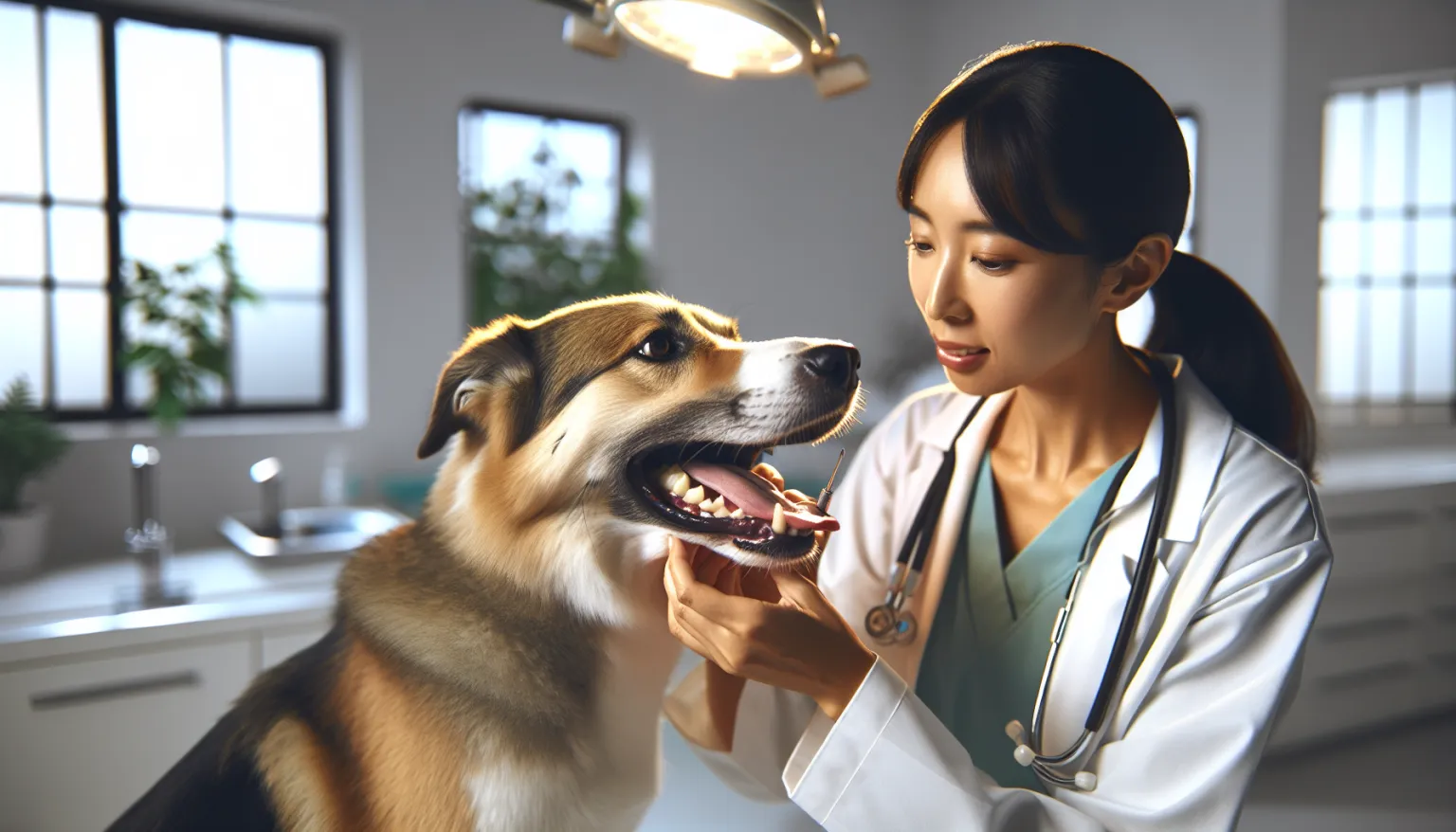
Both parent breeds rank high for dental disease prevalence. The Pomapoo inherits small jaw structure from the Pomeranian side and, depending on which Poodle size was used, may retain the crowded tooth alignment that accelerates plaque accumulation and periodontal progression.
Chronic periodontal disease is not just a mouth problem. Research consistently links oral inflammatory burden to systemic effects including cardiac stress and reduced quality of life. Daily brushing combined with professional cleanings on a veterinarian-determined schedule forms the foundation of Pomapoo preventive care.
Luxating Patella: A Structural Inheritance
Luxating patella affects both Pomeranians and small Poodles at rates well above the general population. The condition involves the kneecap sliding out of its femoral groove, ranging from Grade I (manual luxation possible, spontaneous reduction) through Grade IV (permanent displacement with skeletal deformity).
Intermittent hind-leg skipping is the classic early sign. Regular orthopedic palpation at wellness exams allows grading and trend tracking so intervention timing — if needed — is optimized rather than reactive.
Tracheal Collapse: The Airway Weak Point
Tracheal collapse predominantly affects toy breeds, and both Pomeranians and small Poodles carry this risk. The cartilage rings supporting the trachea gradually weaken, producing a characteristic goose-honk cough that worsens with excitement, heat, or leash pressure.
Harness-only walking, weight management, and reduced exposure to airway irritants form the primary prevention triad. Medical management with cough suppressants and bronchodilators is effective for most dogs; surgical intervention is reserved for severe, refractory cases.
Progressive Retinal Atrophy: Vision at Stake
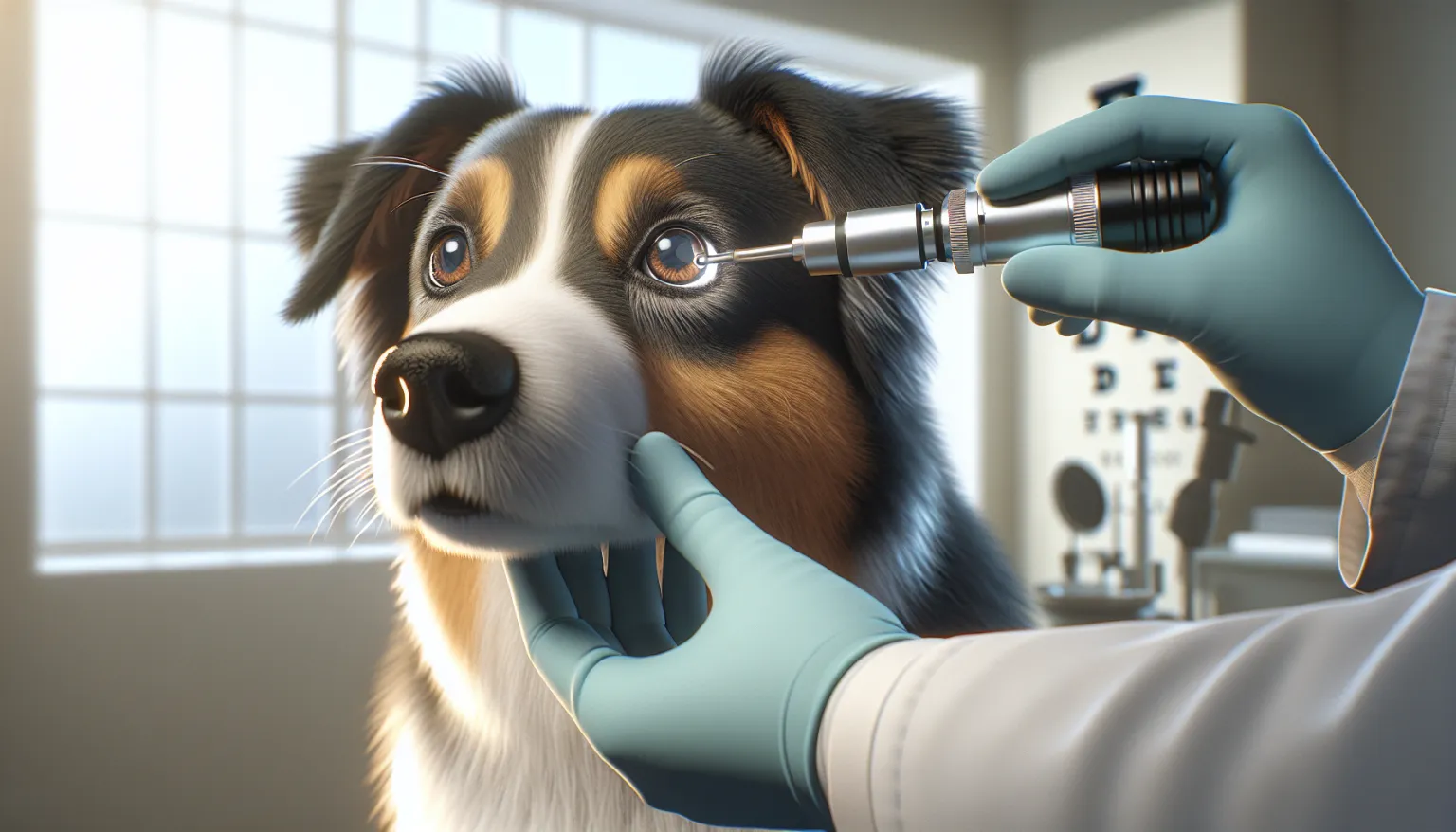
Progressive retinal atrophy (PRA) is well-documented in both Poodles and Pomeranians. This group of inherited retinal degenerations causes progressive vision loss, typically beginning with night blindness and advancing to complete blindness over months to years.
DNA testing identifies carriers before breeding, and genetic panels can clarify your Pomapoo’s PRA status. Annual ophthalmic exams — including fundoscopy — catch early retinal changes even before behavioral signs appear. Early identification allows environmental adaptation that preserves quality of life.
Cataracts: Lens Opacity With Treatable Options
Cataracts develop at higher rates in Poodles than in many breeds, and the Pomapoo inherits this predisposition. Lens opacity can range from small, vision-sparing opacities to mature cataracts that significantly impair sight.
Surgical lens replacement has a success rate exceeding 90% in appropriate candidates. Early detection through regular ophthalmic screening maximizes surgical candidacy.
Hypothyroidism: The Slow Metabolic Drift
Hypothyroidism is common in Poodles and can manifest in Pomapoos as weight gain despite stable calorie intake, coat thinning, lethargy, and cold intolerance. Diagnosis requires a complete thyroid panel — not just a total T4 — and treatment with levothyroxine is typically straightforward and lifelong.
The challenge is recognizing it early. Gradual onset means owners often attribute early symptoms to normal aging. Baseline thyroid values at age 3 to 4 provide a reference point for detecting drift.
Five-Point Longevity Plan
- Daily dental care — brushing plus scheduled professional cleanings.
- Annual ophthalmic exams — fundoscopy for PRA detection, lens evaluation for cataracts.
- Patellar monitoring — orthopedic palpation at every wellness visit.
- Thyroid baseline and surveillance — full panel at age 3-4, then periodic retesting.
- Harness-only leash protocol — protect the trachea from collar pressure starting in puppyhood.
Evidence-Based Longevity Priorities
Weight Stability as a Multiplier
The Purina Lifetime Study showed lean dogs lived 1.8 years longer on average than their overweight counterparts. In a Pomapoo weighing 5 to 12 pounds, the difference between lean and overweight is a matter of ounces on the scale but potentially years on the clock. Monthly weigh-ins with gram-scale precision prevent the invisible caloric drift that leads to obesity.
The Dental-Systemic Connection
Chronic periodontal disease drives low-grade systemic inflammation that compounds cardiac, renal, and metabolic stress over years. In toy breeds with 12-to-16-year lifespans, the cumulative burden of untreated dental disease is enormous. Investing in daily brushing and timely professional cleanings pays dividends across every organ system.
Eye Health as a Longevity Investment
Vision loss from PRA or cataracts does not shorten lifespan directly, but it profoundly affects quality of life, confidence, activity level, and the owner’s willingness to maintain enrichment and exercise routines. Preserving vision — or adapting early to its loss — keeps the entire prevention plan on track.
Thyroid Function and Metabolic Health
Hypothyroidism left untreated creates a cascade: weight gain, reduced activity, skin and coat deterioration, cognitive dulling. Early detection and treatment reverses these effects and preserves metabolic efficiency for the remainder of life.
Breed-Specific Research
- Dental Disease in Dogs: Oral Health and Longevity: evidence-based oral care protocols for small breeds.
- Eye Health Screening Frequency by Breed: ophthalmic screening timelines for breeds predisposed to PRA and cataracts.
- Canine Hypothyroidism Longevity Management: thyroid monitoring and treatment protocols.
- Cardiovascular Screening Cadence for Small Breed Dogs: cardiac monitoring schedules calibrated for toy-breed physiology.
Genetic Testing for Mixed-Breed Precision
In a Pomapoo, genetic testing is a particularly high-value investment because it clarifies which parent-line risks your individual dog actually carries.
- PRA gene testing identifies affected and carrier status, informing both ophthalmic screening intensity and breeding decisions.
- Anchor initial monitoring to Dental Disease and Progressive Retinal Atrophy. These are the conditions where early knowledge most directly changes outcomes.
- Thyroid-related genetic markers, while less definitive, can support earlier baseline testing decisions.
- Combine genetic results with clinical data over time. A panel result that seemed low-risk at age 2 may carry different implications at age 8 when paired with emerging clinical trends.
How Parent Breed Heritage Shapes Risk
The Pomeranian contributes compact spitz anatomy, toy-breed dental vulnerability, and tracheal fragility. The Poodle adds its eye disease predispositions, thyroid risk, and — on the positive side — its relatively robust cardiovascular health and remarkable cognitive longevity.
- Prioritize surveillance on Dental Disease, Progressive Retinal Atrophy, Luxating Patella, and Hypothyroidism.
- When a mild concern surfaces more than once, earlier screening is always the better response.
- Course-correct quarterly. Longitudinal trends reveal more than any single exam.
Life-Stage Monitoring Timeline
- Puppy to 2 years: Establish dental routine, patellar baseline, and first ophthalmic evaluation. Monitor for hypoglycemic episodes in very small individuals.
- 3 to 8 years: Annual wellness labs, dental exam, ophthalmic screening, patellar palpation. Obtain thyroid baseline at age 3-4.
- 9+ years: Semiannual exams with cardiac, metabolic, ophthalmic, and orthopedic review. Recheck thyroid annually.
What to Track at Home Every Month
- Weight and body condition score (kitchen scale recommended)
- Appetite, hydration, and stool consistency
- Gait quality — skipping, favoring a leg, reluctance to jump
- Vision confidence — bumping into objects in dim light, hesitation navigating stairs
- Coat quality and energy level (thyroid indicators)
- Cough patterns, especially the honking cough associated with tracheal issues
- Oral comfort — breath changes, chewing behavior, gum appearance
Condition-Specific Monitoring Triggers
- Dental Disease: Track breath quality, chewing changes, and gum inflammation. Escalate for oral bleeding, dropped food, or facial swelling.
- Luxating Patella: Watch for intermittent skipping or sudden three-legging. Escalate if frequency increases or weight-bearing is lost.
- Tracheal Collapse: Monitor cough frequency and triggers. Escalate for coughing at rest, cyanosis, or visible respiratory effort.
- Progressive Retinal Atrophy: Track night vision confidence and pupil response. Escalate for sudden changes in visual behavior or eye appearance.
- Cataracts: Watch for lens cloudiness, changes in eye color, or vision-related behavioral changes. Escalate for rapid progression.
- Hypothyroidism: Track weight trend, coat quality, energy level, and cold sensitivity. Escalate for unexplained weight gain or persistent lethargy.
12-Month Longevity Execution Plan
Quarter 1: Baseline and Risk Mapping
- Document baseline weight, body condition, patellar grade, dental status, and ophthalmic findings
- Align with your vet on a risk-stratified monitoring schedule for your specific Pomapoo
- Standardize feeding: one measured plan, treats within 10% of daily calories, one protocol across all caregivers
- Complete dental cleaning if indicated and schedule initial ophthalmic exam
Quarter 2: Adherence and Early Drift Control
- Audit Q1 compliance and close gaps before they become patterns
- Pay closer attention to any metric that shifted — weight, gait, vision behavior, or cough
- Adjust calorie intake if weight trend indicates drift
- Report new neurological or visual changes promptly
Quarter 3: Midyear Reassessment
- Evaluate six months of data and recalibrate the prevention approach
- Update screening frequency based on first-half clinical findings
- Adjust exercise for seasonal conditions and any changes in stamina or joint tolerance
- Repeat ophthalmic exam if PRA risk is elevated
Quarter 4: Senior-Readiness Update
- Translate twelve months of trend data into next year’s written monitoring plan
- Revise urgent vet-visit triggers based on patterns observed this year
- Schedule year-end dental assessment and plan next cleaning
- If approaching age 8-9, discuss transition to semiannual screening cadence
- Recheck thyroid panel and compare to baseline
When to Seek Same-Day Veterinary Care
- Complete food refusal combined with lethargy or unusual stillness
- Labored breathing, cyanotic (blue) gums, or collapse
- Sudden vision loss or dramatic change in eye appearance
- Inability to bear weight or visible distress during movement
- Loss of consciousness, even briefly, or resting respiratory rate sustained above 40 breaths per minute
- Seizure or seizure-like episode of any duration
Longevity Outlook: Intelligence, Resilience, and the Long View
A Pomapoo at 14 who still solves puzzle toys, still navigates the yard with confidence, still greets you with the alert enthusiasm that defines this cross — that dog reflects years of dental care that never became optional, weight checks that caught early drift, eye exams that preserved vision or allowed timely adaptation, and thyroid monitoring that kept metabolism on track.
Both parent breeds are built for long lives. The Pomapoo inherits that potential with the added benefit of genetic diversity. Realizing it requires the same principle that applies to all toy breeds: consistency over years, precision in measurement, and the willingness to act on subtle changes before they compound.
Diet and Feeding Strategy
Use Feeding Guide for Toy Breeds as the baseline framework for Pomapoos under 10 pounds and Feeding Guide for Small Breeds for those above 10 pounds. Gram-scale portioning prevents the calorie creep that drives obesity in small dogs.
For Pomapoos with hypothyroidism, caloric needs may be lower than expected — work with your vet to recalculate requirements after diagnosis and medication stabilization. Omega-3 Fish Oil for Dogs may support coat quality and anti-inflammatory balance when veterinarian-guided.
Frequently Asked Questions
Do Pomapoos shed? Coat type varies depending on which parent’s genes dominate. Some Pomapoos have the Poodle’s low-shedding curly coat; others inherit the Pomeranian’s dense double coat with moderate to heavy shedding. Either coat type requires regular grooming to prevent matting and skin issues.
Are Pomapoos healthier than their parent breeds? First-generation crosses may benefit from hybrid vigor, which can reduce the incidence of certain autosomal recessive conditions. However, conditions common to both parent breeds — dental disease, luxating patella, eye disease — remain relevant risks regardless of cross-breeding advantage.
How often should a Pomapoo have eye exams? Annual ophthalmic evaluations starting in puppyhood are recommended given the PRA and cataract risk from both parent lines. After age 8, more frequent screening may be warranted based on findings.
What causes the honking cough in Pomapoos? The characteristic honking sound typically indicates tracheal collapse or tracheal irritation. Both parent breeds are predisposed to this condition. Using a harness instead of a collar, maintaining a healthy weight, and avoiding airway irritants help manage and slow progression.
When should I test my Pomapoo’s thyroid? Obtain a full thyroid panel (not just total T4) around age 3 to 4 to establish a baseline. Retest annually or sooner if you notice unexplained weight gain, coat changes, lethargy, or cold intolerance.
Is a Pomapoo’s dental disease really different from a larger dog’s? Yes. Small-jaw anatomy concentrates teeth, traps food debris, and accelerates plaque buildup compared to breeds with larger, more spaced dental arches. The timeline from early gingivitis to significant periodontal disease is compressed in toy breeds, making daily brushing and regular professional cleanings proportionally more important.
How much exercise does a Pomapoo need? Most Pomapoos thrive with 30 to 45 minutes of moderate daily activity — walks, play sessions, and mental stimulation. Adjust for age, joint status, and individual tolerance. Over-exercising a Pomapoo with patellar instability or tracheal compromise can do more harm than good.
References
[1] AKC Pomeranian Breed Information [2] AKC Poodle Breed Information [3] Life expectancy, mortality, and longevity in companion dogs (Scientific Reports, 2024) [4] Effects of Diet Restriction on Life Span and Age-Related Changes in Dogs (Kealy et al., 2002) [5] AAHA Canine Life Stage Guidelines [6] OFA CHIC Program [7] Merck Veterinary Manual [8] WSAVA Global Nutrition Guidelines
This content is for informational purposes only and does not constitute veterinary advice. Always consult a licensed veterinarian for diagnosis, treatment, and care decisions specific to your dog.
Related reads
Related Reading
Continue exploring