Where Ancient Royalty Meets Ancient Attitude
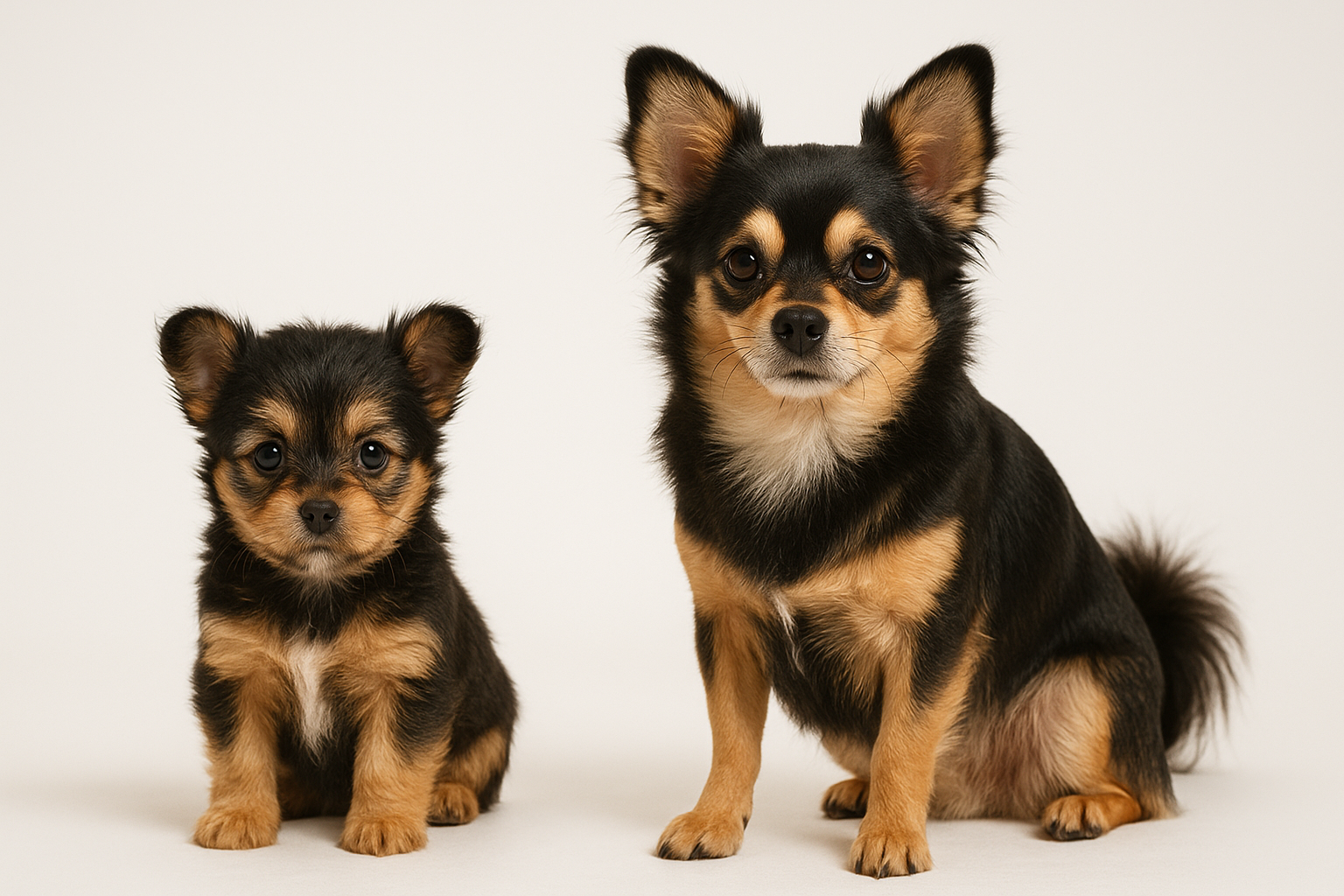
The ShiChi brings together two of the most personality-dense small breeds in existence: the Shih Tzu and the Chihuahua. The Shih Tzu spent centuries as a companion in Chinese imperial courts. The Chihuahua is the oldest breed on the American continent, with roots extending to pre-Columbian Mexico. Their cross produces a dog that weighs 5 to 12 pounds but carries enough personality for a dog three times its size.
Most ShiChis live 12 to 16 years. They benefit from the longevity advantage inherent in toy-sized dogs and from the genetic diversity of the cross. But this mix also inherits a specific set of structural vulnerabilities: the Shih Tzu contributes brachycephalic airway anatomy, while the Chihuahua brings dental crowding and tracheal fragility. Managing the airways, teeth, and joints of this tiny dog is the core of ShiChi longevity.
This is a common cross in shelters and rescue organizations, particularly in the western and southern United States. Many ShiChis enter homes through adoption, with limited health history and dental conditions already in progress.
The Health Conditions That Define ShiChi Longevity
Dental Disease: The Primary Threat
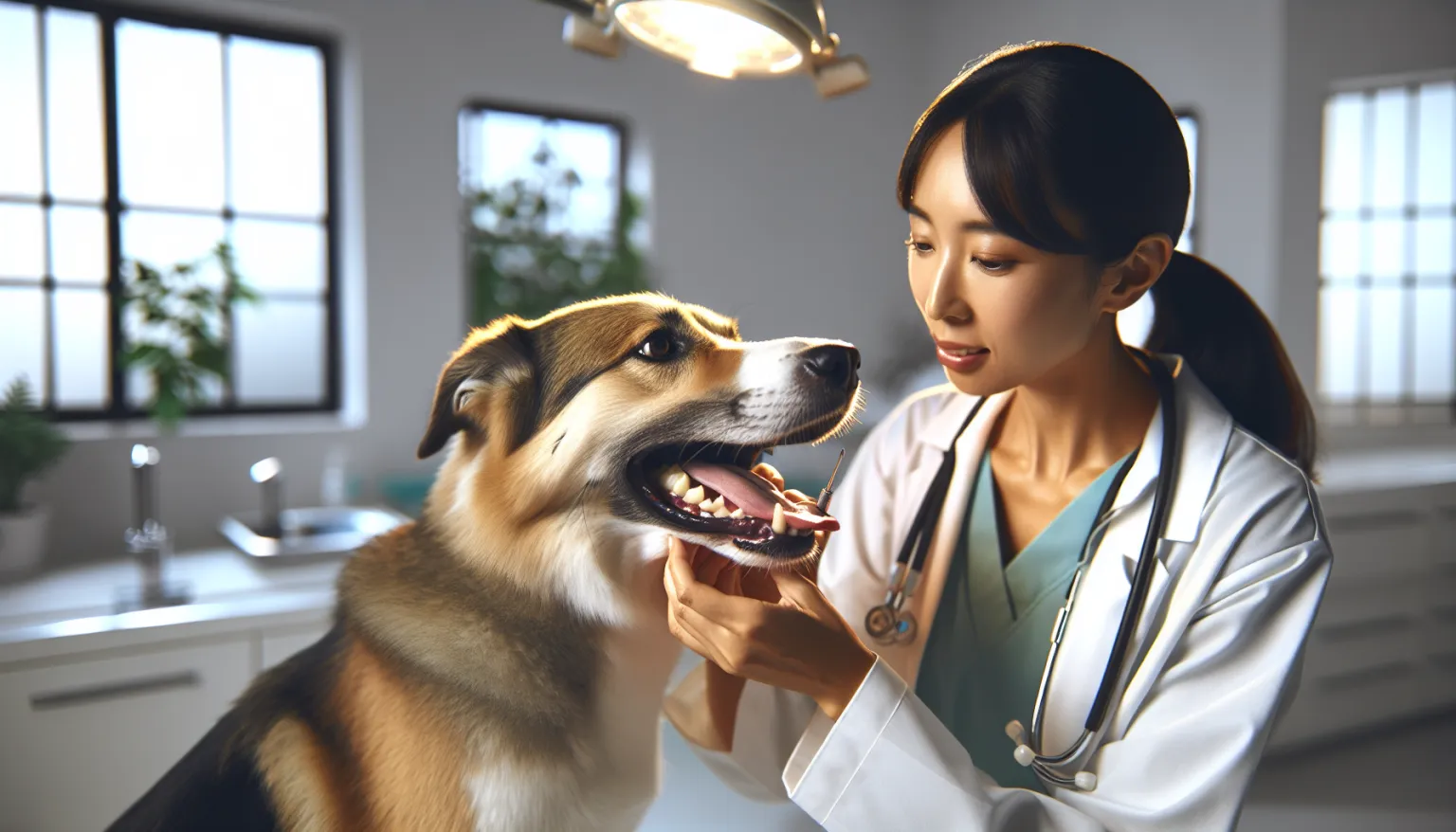
Dental disease is the most consequential health condition in ShiChis. Both parent breeds contribute to this vulnerability: the Chihuahua brings a tiny jaw with crowded teeth and shallow roots, while the Shih Tzu adds its own predisposition to rapid plaque accumulation and periodontal progression.
In a mouth this small, there is simply not enough room for all the teeth. Crowding creates pockets where bacteria thrive. Most ShiChis have clinically significant dental disease by age two to three, earlier than most breeds. Left unmanaged, this drives chronic bacterial seeding to the heart, kidneys, and liver through the bloodstream.
The dental-systemic disease connection is not theoretical. It is documented and measurable. For a ShiChi, dental care is the primary longevity intervention.
Start daily tooth brushing as early as possible, ideally while the puppy teeth are still present. Use an enzymatic toothpaste formulated for dogs. Schedule professional dental cleanings annually, including full-mouth radiographs to evaluate below the gumline where the most dangerous disease hides. Many ShiChis need their first professional cleaning by age two.
Brachycephalic Syndrome: The Shih Tzu Airway
The Shih Tzu parent contributes some degree of brachycephalic syndrome, characterized by a shortened skull, narrowed nostrils, elongated soft palate, and potentially narrowed trachea. Whether a ShiChi inherits these features depends on which parent’s facial structure dominates.
ShiChis with shorter muzzles may experience noisy breathing, snoring, exercise intolerance, and heat sensitivity. These signs are not charming quirks. They represent airway obstruction that limits oxygen delivery and creates chronic stress on the cardiovascular system.
Maintain lean body condition because excess weight increases tissue compression around the airway. Avoid heat exposure and intense exercise in warm weather. Use a harness instead of a collar. If breathing difficulties are significant, discuss surgical evaluation (stenotic nares correction, soft palate resection) with your veterinarian. These procedures can substantially improve airway function and quality of life.
Tracheal Collapse: The Chihuahua Inheritance
Tracheal collapse affects small breeds, and the Chihuahua parent contributes meaningful risk to this cross. The cartilage rings supporting the trachea weaken and flatten, producing a honking cough that worsens with excitement, exertion, heat, or collar pressure.
Switch to a harness immediately and permanently if your ShiChi pulls on walks. Collar pressure directly accelerates tracheal collapse. Weight management is critical because excess tissue around the neck and chest increases external airway compression.
In a ShiChi that may carry both brachycephalic airway compromise and tracheal weakness, protecting the respiratory system is a daily priority. Avoid smoke exposure, minimize airborne irritants, and maintain lean body condition.
Luxating Patella: Tiny Knees, Big Impact
Luxating patella is widespread in toy breeds, and both parent breeds carry the predisposition. In a dog weighing 5 to 12 pounds, the proportional impact of even fractional weight gains on knee mechanics is dramatic.
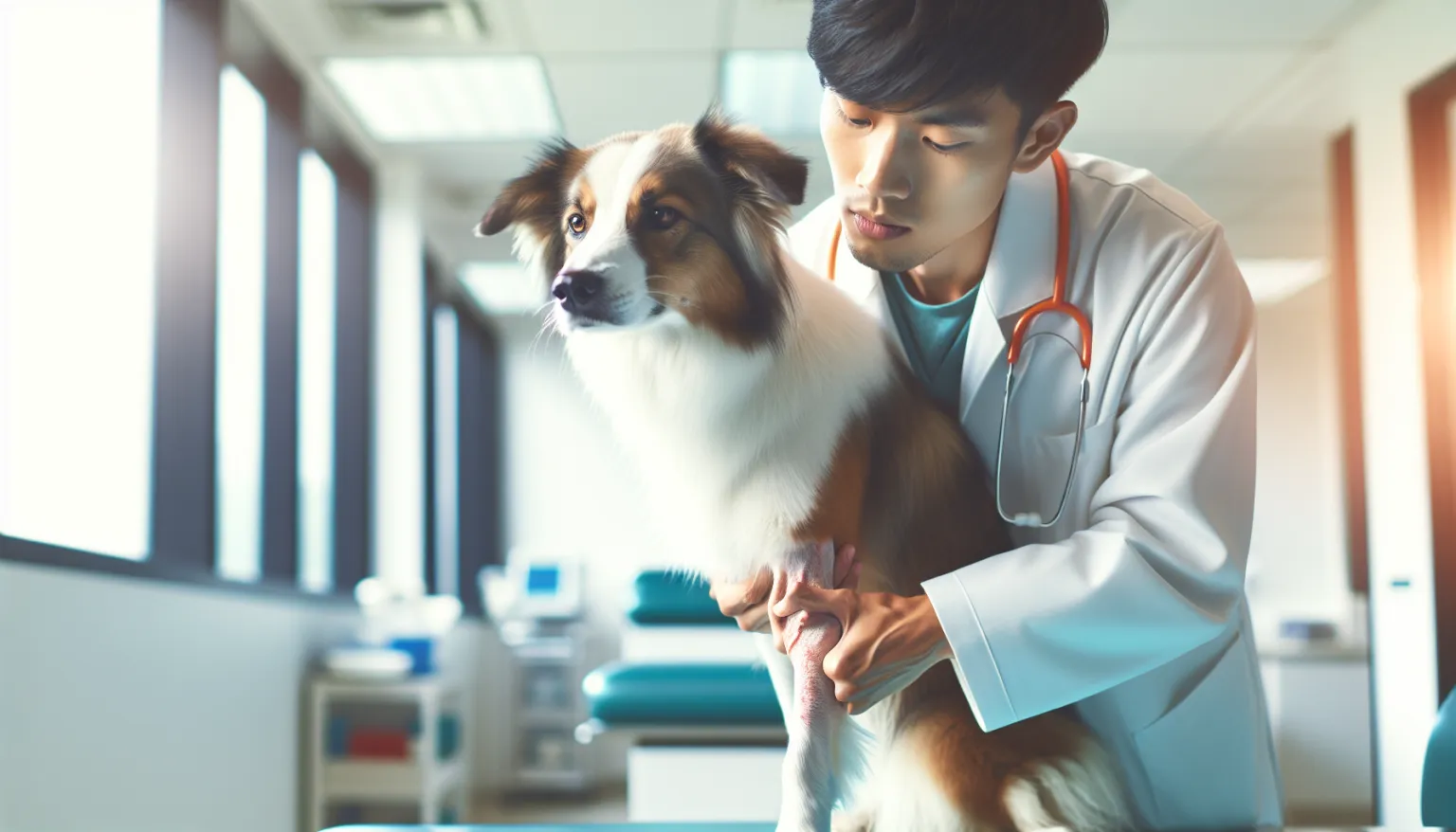
Watch for the hallmark skip gait: your ShiChi lifts a hind leg for a few strides, may shake it, then walks normally again. Grade I and II luxation can often be managed with strict weight control, short nails, non-slip floor surfaces, and joint supplementation. More severe grades may require surgical correction.
The critical principle: in a toy breed, every ounce matters for joint health. Precision weight management is not optional.
Eye Conditions: Vulnerability by Design
Both the Shih Tzu and the Chihuahua carry predisposition to eye conditions. The Shih Tzu contributes risk for dry eye, corneal ulcers, and cherry eye. The Chihuahua adds prominent eye vulnerability with increased corneal exposure.
A ShiChi with large, prominent eyes is at particular risk for corneal scratches from furniture edges, other pets, vegetation, and grooming tools. Excessive tearing, squinting, pawing at the face, or a cloudy cornea all warrant same-day veterinary evaluation because corneal ulcers can progress rapidly in small dogs.
If your ShiChi has long facial hair, keep it trimmed or secured away from the eyes. Hair continuously touching the corneal surface creates mechanical irritation that predisposes to ulceration.
The Three Moves That Matter Most
- Start aggressive dental care in the first year. By the time visible dental disease appears in a ShiChi, subgingival damage has been progressing for months. Early intervention prevents systemic consequences.
- Monitor breathing patterns for brachycephalic and tracheal compromise. Noisy breathing, exercise intolerance, and honking cough are not normal. They represent treatable conditions that limit oxygen delivery and quality of life.
- Protect prominent eyes from injury. Environmental awareness and prompt treatment of any eye changes prevent minor issues from becoming sight-threatening emergencies.
Living With a Toy-Sized Dog: Practical Safety
ShiChis face physical hazards that do not apply to larger dogs. Being stepped on, sat on, jumped from furniture, or dropped can cause fractures, spinal injuries, or eye trauma in a 7-pound dog. Household members need awareness, and young children need supervision.
Provide ramps or steps to furniture the dog uses regularly. ShiChis that jump repeatedly from couches and beds accumulate joint stress that accelerates luxating patella and spinal issues.
Temperature regulation is another practical concern. A 7-pound dog with a large surface-area-to-mass ratio loses body heat quickly in cold environments. Provide warm bedding and a well-fitted coat in cold weather. In heat, the brachycephalic component makes overheating a serious risk. Cool environments, limited outdoor time in heat, and access to shade and water are non-negotiable.
Body Composition Precision
In a ShiChi, half a pound of weight gain can represent 5 to 10% of total body weight. That proportional change has significant consequences for joint loading, airway compression, and metabolic function.
Use a kitchen scale or baby scale for reliable measurement. Weigh monthly. Measure meal portions with precision. Every treat counts toward the daily calorie budget, and in a dog this size, two extra treats per day can drive meaningful weight gain over weeks.
Body condition scoring on the 9-point scale, targeting 4 to 5. You should be able to feel ribs with light pressure. A visible waist tuck from above and abdominal tuck from the side should be present.
Building a Condition-Focused Prevention Stack
The ShiChi prevention priority sequence: dental care first (starts causing damage earliest), then airway protection and breathing monitoring, then joint management, then eye care as an ongoing parallel track. This sequencing addresses the conditions most likely to cause cumulative damage in the order they typically become clinically relevant.
Breed-Specific Research
- Dental Disease and Longevity in Dogs: evidence connecting oral health to systemic organ function and lifespan.
- Dental Home Care Protocol for Dogs: practical daily dental maintenance framework.
- Cardiovascular Screening Cadence for Small Breed Dogs: screening protocols for toy breeds.
- Brachycephalic Airway Surgery Outcomes: evidence on surgical intervention for airway obstruction.
Exercise Design
ShiChis need daily activity but their exercise capacity is limited by both size and potential airway compromise. Plan for 20 to 30 minutes of daily activity split into two or three short sessions. Indoor play, short walks, and mental enrichment activities are appropriate formats.
Avoid sustained outdoor exercise in heat or humidity. If your ShiChi has brachycephalic features, monitor for respiratory distress during any activity and stop immediately if breathing becomes labored or noisy.
Mental enrichment is critically important for this bright cross. Puzzle feeders, nose work, and short training sessions provide cognitive stimulation without physical stress.
Age-Based Monitoring Milestones
- Puppy to 2 years: Check for retained deciduous teeth. Begin dental home care immediately. Baseline patellar evaluation. Assess airway anatomy.
- 3 to 6 years: Annual dental cleanings. Monitor kneecap stability and gait. Maintain precise weight. Annual wellness blood work.
- 7 to 10 years: Add cardiac auscultation. Begin eye exam screening. Senior wellness panel. Increase dental monitoring frequency.
- 11+ years: Biannual wellness exams. Enhanced cardiac, dental, cognitive, and vision monitoring. Adjust exercise to current respiratory and joint capacity.
Longevity Outlook
The ShiChi benefits from the robust longevity advantage of toy-sized dogs and from the genetic diversity that crossbreeding provides. The 12 to 16 year range is achievable, and many well-managed ShiChis exceed it.
The conditions that most commonly limit this potential are dental disease, airway compromise, and joint problems. All three respond to proactive management. A ShiChi that receives consistent dental care, breathes comfortably through managed airways, and maintains precise body weight has strong biological fundamentals for a long life.
The airway question is the most variable element. ShiChis with longer muzzles (more Chihuahua-influenced facial structure) generally have fewer breathing constraints. Those with shorter muzzles (more Shih Tzu-influenced) need more active airway management. Know your individual dog’s airway status and plan accordingly.
The Drift Pattern Most Owners Miss
- Chronic bad breath and tooth loss accepted as normal aging when it represents advancing Dental Disease with active systemic consequences
- Noisy breathing normalized as “just how she sounds” when it represents Brachycephalic Syndrome limiting oxygen delivery
- Gradual exercise reduction attributed to age when the dog is actually compensating for worsening Tracheal Collapse or joint pain from Luxating Patella
If any pattern worsens over 7 to 10 days, investigate rather than accommodate.
12-Month Longevity Execution Plan
Quarter 1: Baseline and Risk Mapping
- Establish baselines: precise body weight, body condition score, dental status, and breathing quality assessment
- Complete dental evaluation and professional cleaning if needed
- Assess patellar stability and airway anatomy
- Lock down feeding protocol with precise measured portions
Quarter 2: Adherence and Early Drift Control
- Review dental home care compliance
- Monitor weight, gait, and breathing quality against Q1 baselines
- Address any emerging eye, skin, or respiratory concerns
- Update baseline records
Quarter 3: Midyear Reassessment
- Compare six months of data against baselines
- Reassess dental status and schedule professional cleaning if needed
- For dogs 7+, add cardiac screening and senior wellness panel
- Adjust exercise for seasonal changes, particularly heat management
Quarter 4: Senior-Readiness Update
- Translate the year’s data into next year’s screening plan
- Schedule next dental cleaning
- Review airway and cardiac status
- Update escalation criteria for the coming year
When to Seek Emergency Care
Do not wait on any of the following:
- Severe respiratory distress: blue gums, gasping, or inability to settle
- Eye injury: sudden squinting, cloudiness, visible damage, or eye prolapse
- Collapse, fainting, or sudden weakness
- Sudden refusal to eat with face rubbing or drooling (oral emergency)
- Acute limb non-weight-bearing or spinal pain signs (crying when picked up, reluctance to move)
Home Tracking Dashboard
Check monthly:
- Body weight on a precise scale
- Dental condition: breath, gum color, visible tartar, chewing willingness
- Breathing quality: snoring intensity, exercise tolerance, cough frequency
- Gait quality: any skipping, limping, or hind-leg favoring
- Eye condition: clarity, tearing, comfort
- Resting respiratory rate during sleep
- Activity willingness and engagement quality
Diet and Feeding Strategy
ShiChis require extreme portion precision due to tiny caloric budgets. Use Feeding Guide for Toy Breeds as the baseline framework. For dental support, see Dental Health Nutrition Protocol for Dogs. For dogs with dental limitations requiring softer food, work with your veterinarian to maintain nutritional adequacy while accommodating oral health status.
Condition-Specific Monitoring Triggers
- Dental Disease: Worsening breath, difficulty eating, face rubbing, visible tartar or gum recession. Do not wait for tooth loss.
- Brachycephalic Syndrome: Worsening snoring, new or increasing exercise intolerance, gagging, or sleep-disordered breathing. Evaluate surgical options if quality of life is affected.
- Tracheal Collapse: Honking cough increasing in frequency or occurring at rest. Worsening with heat, excitement, or collar pressure.
- Luxating Patella: Increasing frequency of skipping, persistent lameness, or reluctance to use a hind leg.
- Eye Conditions: Any squinting, cloudiness, color change, or excessive tearing warrants prompt evaluation.
Additional Relevant Condition Guides
Frequently Asked Questions
How long do ShiChis live? Most live 12 to 16 years, benefiting from the robust longevity of toy-sized dogs and genetic diversity from the cross. With consistent dental care, airway management, and precise weight control, many ShiChis reach the upper end of this range.
Is the ShiChi a brachycephalic breed? It depends on which parent’s facial structure dominates. ShiChis with shorter, flatter faces (more Shih Tzu influence) will have some degree of brachycephalic airway anatomy. Those with longer muzzles (more Chihuahua influence) generally breathe more freely. Your veterinarian can assess your specific dog’s airway status.
Why does my ShiChi’s breath smell so bad? Bad breath in a ShiChi almost certainly indicates dental disease, which progresses faster in this cross than in most breeds due to jaw crowding inherited from both parents. Schedule a dental evaluation with your veterinarian. This is not a cosmetic issue. It represents active infection with potential systemic consequences.
Can I use a collar on my ShiChi? A harness is recommended over a collar for any ShiChi. The potential for both brachycephalic airway compromise and tracheal collapse means that collar pressure on the neck poses real risk. Use a well-fitted harness that distributes pressure across the chest for all leash walking.
My ShiChi snores loudly. Is that a problem? Snoring in a ShiChi with brachycephalic features indicates some degree of airway obstruction. If snoring is accompanied by exercise intolerance, sleep-disordered breathing (gasping during sleep, restless sleep positioning), or heat sensitivity, discuss airway evaluation with your veterinarian. Surgical correction can significantly improve quality of life.
How often does my ShiChi need dental cleanings? Annual professional cleanings are the minimum standard. Many ShiChis with aggressive dental progression need cleanings every six to eight months. Your veterinarian can recommend the appropriate cadence based on your dog’s specific dental condition and how well home care is maintaining between cleanings.
References
[1] Dog Aging Project [2] AAHA Canine Life Stage Guidelines [3] AAHA Dental Care Guidelines for Dogs and Cats [4] Merck Veterinary Manual [5] WSAVA Global Nutrition Guidelines [6] Life expectancy, mortality, and longevity in companion dogs (Scientific Reports, 2024)
Related reads
Related Reading
Continue exploring