Two Toy Breeds, One Outsized Lifespan
The Pomchi sits at the intersection of two of the longest-lived dog breeds on record. Pomeranians routinely reach 12 to 16 years. Chihuahuas regularly push past 14, with some documented well into their twenties. Crossing these two lines produces a companion that commonly lives 12 to 17 years, often with the spirited alertness of a dog half its age.
That longevity potential is real, but it comes wrapped in a body that weighs less than a house cat. At 3 to 7 pounds, the Pomchi has almost no physiological buffer. A dental infection that a medium-sized dog can absorb becomes a systemic inflammatory event. A half-pound of weight gain represents a 10 to 15% increase in body mass. A mild tracheal weakness, inherited from either parent, can quietly narrow the airway over years until breathing becomes labored.
The good news: both parent breeds have well-documented risk profiles. That predictability is your greatest asset.
The Hybrid Vigor Question
First-generation crosses between unrelated purebred lines often benefit from heterosis — a measurable reduction in the frequency of homozygous recessive disease alleles. For Pomchi puppies from health-tested parents, this can translate into lower rates of certain inherited conditions compared to either parent breed.
But hybrid vigor has limits. It does not eliminate conditions that are common to both parent lines, and it does not protect against problems driven by shared anatomy rather than genetics. Both Pomeranians and Chihuahuas share toy-breed dental crowding, fragile tracheas, and luxating patellas. A Pomchi inherits those structural vulnerabilities from both sides.
Treat hybrid vigor as a favorable starting point, not a guarantee.
Risk Profile: What Both Parents Bring to the Table
Dental Disease: The Predictable Threat
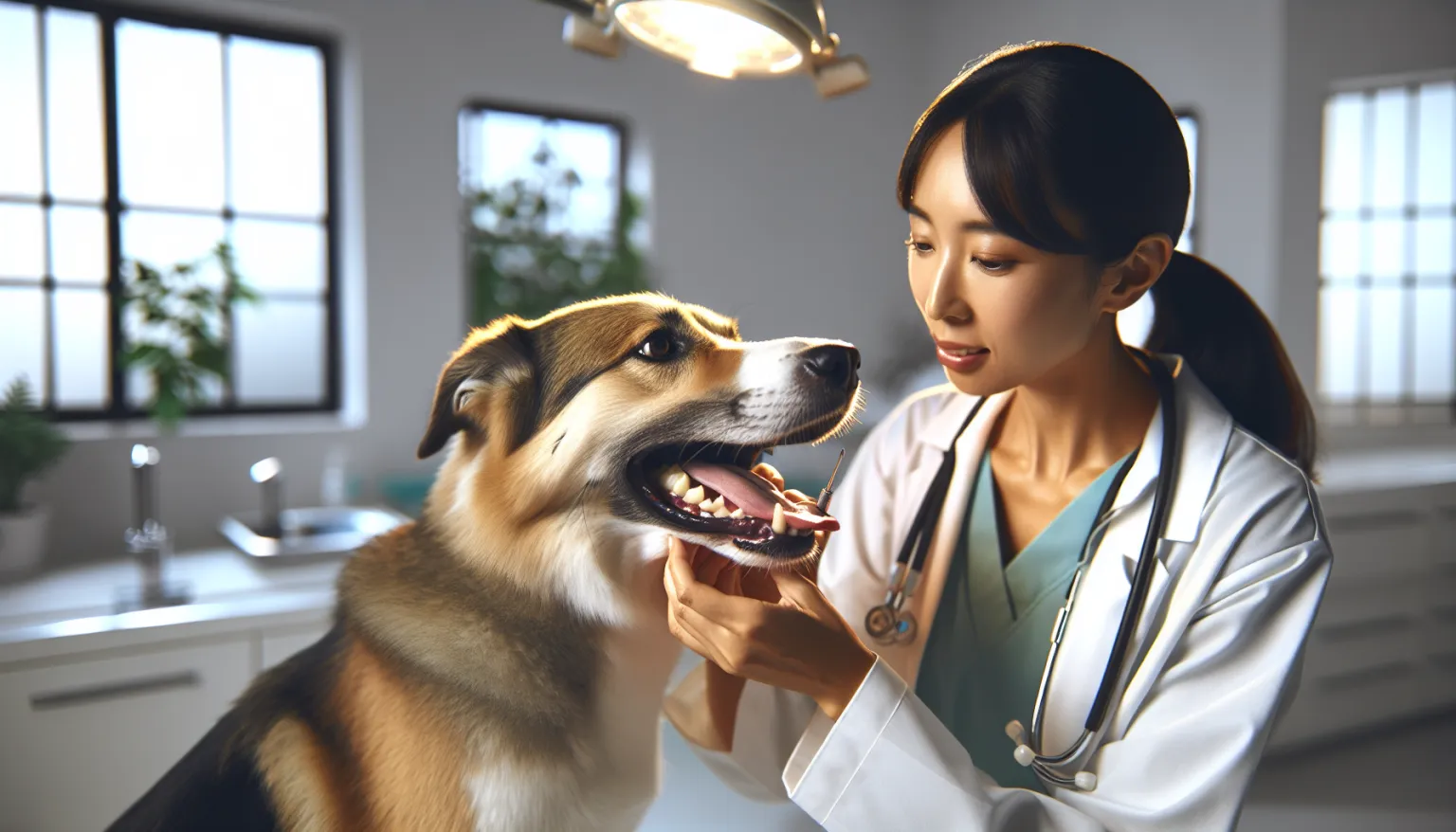
Both Pomeranians and Chihuahuas rank among the breeds most affected by dental disease. Small jaws create overcrowded teeth, accelerated plaque accumulation, and periodontal pockets that progress faster than in larger dogs. In a Pomchi, this risk is essentially doubled by inheritance from both sides.
Chronic oral inflammation does not stay in the mouth. It drives systemic inflammatory load, reduces appetite, and compounds cardiac and metabolic stress. Daily brushing is the single highest-return habit for this cross. Professional dental cleanings should follow a schedule set by your veterinarian based on oral exam findings, not a generic annual timeline.
Luxating Patella: The Toy-Breed Knee Problem
Luxating patella occurs when the kneecap slides out of its normal groove. Prevalence in toy breeds ranges from 5 to 7% depending on the study, with some surveys reporting even higher rates in Pomeranians specifically. Signs include intermittent skipping on one hind leg, brief three-legging episodes, or reluctance to jump.
Grade I luxation often needs monitoring rather than surgery. Grade III and IV cases typically benefit from surgical correction before secondary joint damage accumulates. Early detection through hands-on orthopedic evaluation at routine exams gives you the widest intervention window.
Tracheal Collapse: A Shared Airway Vulnerability
Both parent breeds carry elevated risk for tracheal collapse, a progressive weakening of the cartilage rings that hold the airway open. The characteristic honking cough, often triggered by excitement, leash pressure, or changes in humidity, is the earliest clinical signal.
Use a harness rather than a collar from day one. Maintain a healthy weight to reduce airway compression. Report any new or worsening cough pattern early — medical management works best before significant structural damage occurs.
Seizures and Epilepsy: Monitor for Neurological Events
Seizures occur at higher rates in several toy breeds, including Chihuahuas. Idiopathic epilepsy — seizures without an identifiable structural cause — typically presents between ages 1 and 5. Hypoglycemia, another toy-breed concern, can also trigger seizure-like episodes, particularly in very small Pomchis under 4 pounds.
If your Pomchi experiences a seizure, document its duration, behavior during the event, and recovery time. This information is critical for your veterinarian to distinguish between epilepsy, metabolic causes, and other neurological conditions.
Eye Conditions: Inherited From Both Sides
Both parent breeds are predisposed to eye conditions including progressive retinal atrophy, cataracts, and dry eye. Annual ophthalmic evaluation — or more frequent checks after age 8 — catches treatable conditions before vision loss becomes irreversible.
Five-Point Longevity Plan
- Daily dental care — brushing plus professional cleanings on a veterinarian-guided schedule.
- Strict weight management — monthly weigh-ins with gram-scale feeding precision.
- Harness-only walking — protect the trachea from collar pressure.
- Neurological awareness — know what a seizure looks like and have a response plan documented.
- Increased screening frequency after age 9 — semiannual exams with cardiac, dental, orthopedic, and ophthalmic review.
Evidence-Based Longevity Priorities
Keeping Weight Stable in a Body This Small
The Purina Lifetime Study demonstrated that dogs maintained at lean body condition lived a median 1.8 years longer than their overweight counterparts. In a Pomchi, where total body mass is 3 to 7 pounds, the margin between “lean” and “overweight” is measured in ounces. Monthly scale checks and daily calorie accounting — including every treat — are foundational rather than optional.
Building Prevention Around Core Risks
The three pillars for Pomchi longevity are oral inflammatory control, tracheal protection, and patellar stability monitoring. These conditions are common to both parent lines, respond well to early intervention, and deteriorate predictably when overlooked.
Toy-Breed Hypoglycemia Awareness
Pomchis under 4 pounds are at risk for hypoglycemic episodes, especially during puppyhood, periods of stress, or missed meals. Symptoms include trembling, lethargy, disorientation, and in severe cases, seizures. Regular small meals and monitoring during high-stress periods reduce risk.
Screening on a Schedule
Veterinary reassessment intervals should be set by age band and emerging trends, not by waiting for obvious problems. A Pomchi that seems fine but has not been weighed, palpated, or had a dental exam in twelve months may be accumulating problems invisibly.
Breed-Specific Research
These evidence-based resources add clinical depth to your Pomchi longevity plan:
- Dental Disease in Dogs: Oral Health and Longevity: protocols for oral health maintenance and periodontal disease prevention in small breeds.
- Cardiovascular Screening Cadence for Small Breed Dogs: cardiac monitoring timelines calibrated for toy-breed physiology.
- Senior Dog Screening Protocol: What to Test and When: age-appropriate screening schedules for eye, dental, and metabolic health.
- Seizure Medication Monitoring for Dogs: management protocols for dogs with epilepsy or seizure history.
Genetic Testing: Sharpening Your Monitoring Plan
Genetic testing in a mixed breed serves a different purpose than in purebreds. Rather than confirming breed identity, the goal is to identify which parent-line risks your specific Pomchi carries at higher probability.
- A breed-relevant panel covering PRA, patellar luxation markers, and cardiac predispositions helps you prioritize screening investments.
- Anchor your initial monitoring to Dental Disease and Luxating Patella — these are the highest-probability conditions where early detection changes outcomes.
- Combine genetic data with clinical findings over time. A single test result means less than a test result paired with two years of exam trends.
- Revisit genetic panel implications at each annual exam. The same result carries different weight as your Pomchi ages.
How Parent Breed Heritage Shapes Risk
The Pomchi inherits the Pomeranian’s dense coat, spitz-type alertness, and tracheal fragility alongside the Chihuahua’s neurological sensitivity, dental vulnerability, and tendency toward trembling and hypoglycemia. Both breeds were selected for small size and companion temperament — traits that now drive their primary health vulnerabilities.
- Focus surveillance on Dental Disease, Luxating Patella, Tracheal Collapse, and Seizures/Epilepsy.
- When a mild concern surfaces more than once, the correct response is earlier screening, not extended observation.
- Adapt your prevention plan quarterly as new clinical data accumulates.
Life-Stage Monitoring Timeline
- Puppy to 2 years: Establish dental routine, baseline weight, patellar stability check, and hypoglycemia awareness protocol.
- 3 to 8 years: Annual wellness labs, oral exam, orthopedic palpation, and tracheal assessment.
- 9+ years: Semiannual exams with cardiac, metabolic, neurological, and ophthalmic review.
What to Track at Home Every Month
- Weight and body condition score (use a kitchen scale for precision)
- Appetite consistency and hydration
- Coughing patterns — especially the honking cough associated with tracheal issues
- Gait quality — skipping, bunny-hopping, or reluctance to jump
- Oral comfort — chewing behavior, breath changes, gum appearance
- Any seizure-like episodes: duration, behavior, recovery time
Condition-Specific Monitoring Triggers
- Dental Disease: Track bad breath progression, chewing side preference, and gum color changes. Escalate for oral bleeding, dropped food, or facial swelling.
- Luxating Patella: Watch for intermittent hind-leg skipping or sudden three-legging. Escalate if episodes increase in frequency or your dog stops bearing weight.
- Tracheal Collapse: Monitor cough frequency and triggers. Escalate for coughing at rest, blue-tinged gums, or visible breathing effort.
- Seizures/Epilepsy: Document any seizure event with video if possible. Escalate for seizures lasting longer than 2 minutes or clusters within 24 hours.
- Eye Conditions: Track discharge, squinting, cloudiness, and confidence navigating familiar spaces. Escalate for sudden vision changes or signs of eye pain.
12-Month Longevity Execution Plan
Quarter 1: Baseline and Risk Mapping
- Establish baseline weight, body condition score, patellar grade, and dental status
- Agree with your vet on a monitoring schedule calibrated to your Pomchi’s specific risk profile
- Standardize feeding across all caregivers: one measured plan, one treat budget, one protocol
- Complete an initial dental cleaning if indicated
Quarter 2: Adherence and Early Drift Control
- Review what you actually followed from Q1 and close the gaps before they become patterns
- Tighten observation on any metric that moved — weight, gait, cough frequency, or appetite
- Reassess calorie intake against weight trend and adjust if drift is detected
- Report any new neurological events or cough patterns promptly
Quarter 3: Midyear Reassessment
- Evaluate six months of data: is the prevention plan working, or do trends suggest a different approach?
- Update screening cadence based on first-half findings
- Adjust exercise for seasonal conditions and any changes in stamina or joint tolerance
- Repeat patellar evaluation and tracheal assessment
Quarter 4: Senior-Readiness Update
- Translate twelve months of data into a written plan for next year’s monitoring priorities
- Update your trigger list for urgent vet visits based on patterns observed this year
- Schedule year-end dental assessment and plan the next professional cleaning
- If age 8+, discuss transition to semiannual screening cadence
When to Seek Same-Day Veterinary Care
- Complete food refusal combined with lethargy, hiding, or trembling
- Labored breathing, blue-tinged gums, or collapse
- Seizure lasting longer than 2 minutes or multiple seizures within 24 hours
- Sudden inability to bear weight or visible distress during movement
- Loss of consciousness, even briefly, or resting respiratory rate sustained above 40 breaths per minute
Longevity Outlook: A Micro Dog With Macro Potential
A Pomchi at 15 who still trots through the house with bright eyes, still crunches kibble without hesitation, still settles into sleep with the deep contentment of a dog that feels safe — that outcome is not luck. It is the cumulative result of daily dental care that never lapsed, weight management that caught a quarter-pound gain before it doubled, tracheal protection that started with the first harness, and seizure awareness that meant you knew exactly what to do when it mattered.
Both parent breeds can live exceptionally long lives. The Pomchi inherits that potential from two directions. Realizing it requires the same unglamorous consistency: small actions, repeated reliably, across a timeline that can stretch to 17 years.
Diet and Feeding Strategy
Calorie precision matters enormously in a 3-to-7-pound dog. Use Feeding Guide for Toy Breeds as your baseline framework. Gram-scale portioning prevents the invisible calorie creep that leads to Obesity in toy breeds.
For Pomchis with dental sensitivity, softer food options may improve intake consistency, but should not replace dental care protocols. Consider Omega-3 Fish Oil for Dogs as an anti-inflammatory support when veterinarian-guided.
Frequently Asked Questions
Do Pomchis benefit from hybrid vigor? First-generation crosses between unrelated purebred lines can show reduced rates of certain inherited conditions due to heterosis. However, both Pomeranians and Chihuahuas share several toy-breed vulnerabilities — dental disease, luxating patella, tracheal weakness — so hybrid vigor does not eliminate these shared risks.
How long do Pomchis typically live? Most Pomchis live 12 to 17 years, reflecting the longevity of both parent breeds. Individual lifespan depends heavily on weight management, dental care, and early detection of inherited conditions.
Are Pomchis prone to seizures? Chihuahuas carry a higher-than-average risk for idiopathic epilepsy, and very small Pomchis may also experience hypoglycemic episodes that mimic seizures. Regular feeding schedules and awareness of seizure signs allow for early intervention.
What is the biggest preventable health risk for a Pomchi? Dental disease. Both parent breeds have small, crowded jaws that accelerate periodontal progression. Daily brushing and veterinarian-guided professional cleanings are the highest-return prevention habit for this cross.
Should I use a collar or harness on my Pomchi? Always a harness. Both Pomeranians and Chihuahuas are predisposed to tracheal collapse, and collar pressure on the neck accelerates airway damage. Start with a harness from day one and never use leash corrections on the collar.
How do I know if my Pomchi’s kneecap is luxating? The classic sign is intermittent skipping on one hind leg — the dog may hold the leg up for a few strides, then resume normal gait once the kneecap slides back into place. If you notice this pattern, have your vet perform an orthopedic evaluation to grade the luxation.
When should my Pomchi switch to semiannual vet visits? Most Pomchis should transition to twice-yearly wellness exams around age 9. If your dog has an active condition or emerging trend, your vet may recommend this earlier.
References
[1] AKC Pomeranian Breed Information [2] AKC Chihuahua Breed Information [3] Life expectancy, mortality, and longevity in companion dogs (Scientific Reports, 2024) [4] Effects of Diet Restriction on Life Span and Age-Related Changes in Dogs (Kealy et al., 2002) [5] AAHA Canine Life Stage Guidelines [6] OFA CHIC Program [7] Merck Veterinary Manual [8] WSAVA Global Nutrition Guidelines
This content is for informational purposes only and does not constitute veterinary advice. Always consult a licensed veterinarian for diagnosis, treatment, and care decisions specific to your dog.
Related reads
Related Reading
Continue exploring