Two Long-Lived Lines in One Small Dog
The Poochon — also known as the Bichpoo — combines two breeds with genuinely impressive longevity genetics. The Bichon Frise routinely lives 14 to 15 years, and the Miniature Poodle or Toy Poodle averages 14 to 16 years. When both parents bring longevity to the table, the offspring has a legitimate genetic foundation for a long life.
At 6 to 18 pounds, the Poochon also benefits from the body-size longevity advantage that consistently emerges in canine research. A 2024 Scientific Reports analysis of over 500,000 dogs confirmed that smaller body size is one of the strongest independent predictors of lifespan. The biological mechanisms — slower growth rates, lower oxidative stress, reduced metabolic burden per unit of body mass — all favor the Poochon’s compact frame.
But longevity genetics and small size are a starting point, not a guarantee. This cross carries specific vulnerabilities in three areas — knees, eyes, and teeth — that require active management to reach the upper end of the 12 to 16 year range.
Hybrid Vigor Between Two Related Gene Pools
The Bichon Frise and the Poodle share distant ancestry as European water dogs, which means their gene pools overlap more than many crossbreed combinations. A 2013 JAVMA study found that mixed-breed dogs benefited from heterosis primarily when the parent breeds were genetically distinct. Crosses between more closely related breeds show less heterosis benefit.
For the Poochon, this means the hybrid vigor advantage may be more modest than in crosses like a Labradoodle or Boxador, where the parent breeds are genetically distant. The practical implication: do not assume the Poochon is protected from conditions that both parent breeds carry. Shared vulnerabilities — luxating patella, progressive retinal atrophy, and dental disease — are reinforced, not diluted, by crossing two breeds that both carry these risks.
The Bichon Frise Side
The Bichon Frise is a remarkably healthy small breed with few life-threatening genetic conditions. Its main contributions to Poochon health concerns are:
Dental Vulnerability
Small breeds are disproportionately affected by dental disease. The Bichon’s compact jaw creates crowded teeth that trap food and bacteria, accelerating tartar buildup and periodontal disease. By age 3, the majority of small-breed dogs show signs of dental disease according to veterinary dental societies. Untreated periodontal disease is not cosmetic — it drives systemic inflammation linked to heart, kidney, and liver damage.
Skin Sensitivity
Bichon Frises are prone to skin allergies, including contact dermatitis and food sensitivities. The dense, curly coat traps environmental allergens against the skin, creating a cycle of irritation. Regular grooming is as much a health intervention as a cosmetic one.
Bladder Stones
Bichon Frises have elevated rates of calcium oxalate bladder stones. While this is not universally listed as a primary Poochon concern, monitoring urinary health — adequate water intake, appropriate dietary mineral balance, and attention to straining or blood in urine — is warranted.
The Poodle Side
The Poodle contributes intelligence, trainability, and coat characteristics alongside several health considerations.
Progressive Retinal Atrophy
PRA is the leading eye concern from the Poodle side. The prcd-PRA variant causes progressive vision loss beginning with night blindness. Genetic testing is available and should have been performed before breeding. Both Bichon Frises and Poodles carry PRA risk, making this a shared concern that the cross reinforces.
Cataracts
Both breeds show elevated cataract prevalence compared to dogs generally. Cataracts cause progressive lens opacity that eventually impairs vision. Hereditary cataracts can appear at any age, including in young dogs. Annual ophthalmologic screening detects early lens changes before they become visually significant.
Luxating Patella
Both Bichon Frises and Miniature/Toy Poodles carry luxating patella rates of approximately 4 to 8% per OFA data. When both parents contribute risk, the offspring may face elevated prevalence. Luxating patella in small breeds ranges from intermittent and manageable (Grade I-II) to painful and surgically indicated (Grade III-IV).
Ear Infections
Floppy, hair-filled ear canals from both breeds make ear infections a management reality. Weekly cleaning and regular grooming to manage ear canal hair are the foundation of prevention.
The Three Pillars of Poochon Longevity
Dental Health as a Systemic Priority
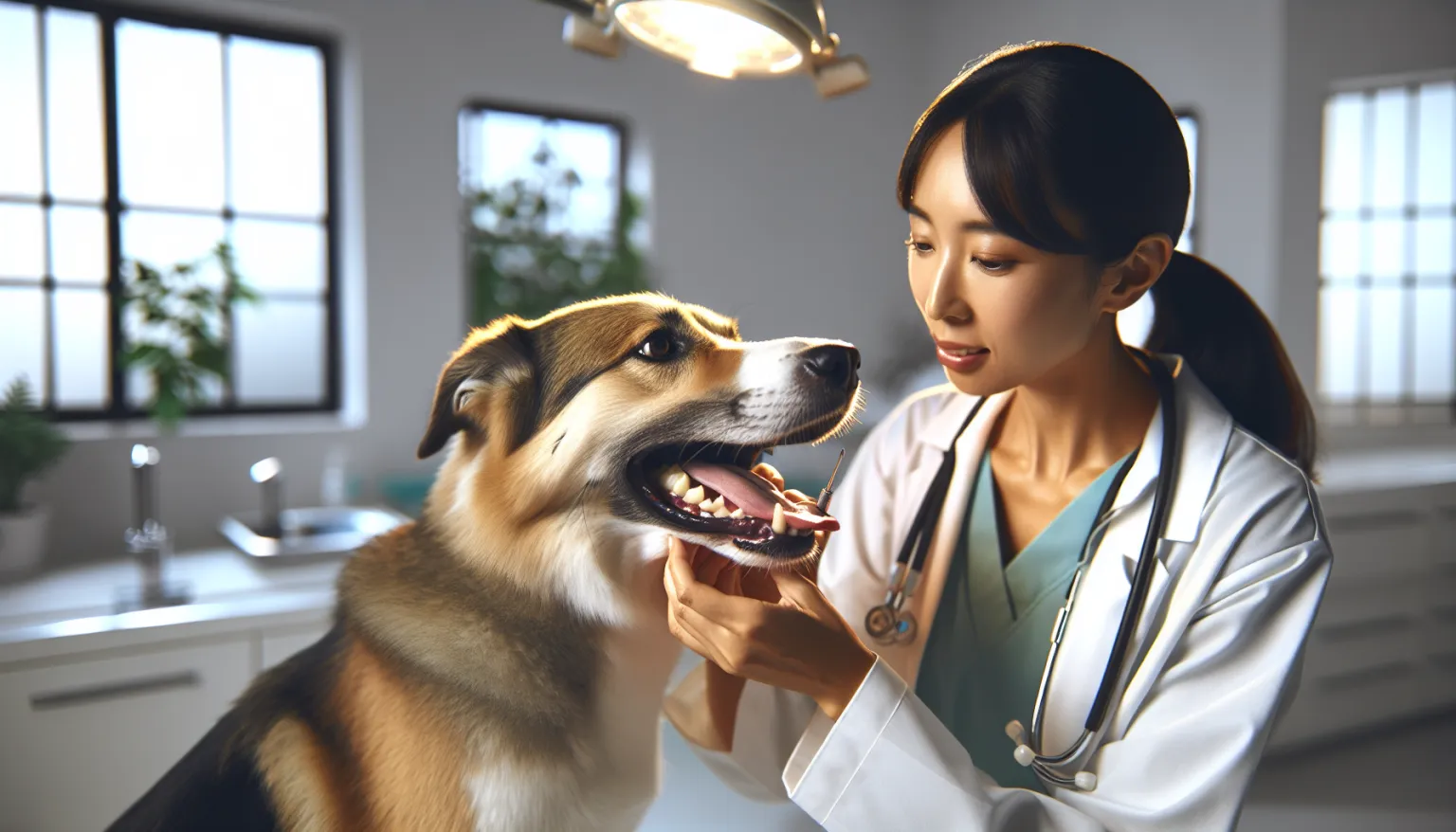
In a Poochon, dental care is not a grooming task — it is a longevity intervention. The shared small-breed jaw structure from both parents creates a mouth prone to crowding, tartar, and periodontal disease that progresses faster than in larger breeds.
Daily tooth brushing starting in puppyhood is the gold standard. Dental chews provide supplemental mechanical cleaning. Professional cleanings under anesthesia, as recommended by your veterinarian (often annually or biannually for small breeds), remove subgingival plaque that home care cannot reach.
The return on investment is substantial. Chronic periodontal disease seeds bacteria into the bloodstream, contributing to heart valve damage, kidney inflammation, and liver stress. Dental Health Nutrition Protocol provides a complete framework.
Orthopedic Management
At 6 to 18 pounds, the Poochon is small enough that luxating patella is the primary orthopedic concern rather than hip dysplasia (though hip issues are not impossible). Watch for intermittent skipping on a hind leg — this is the classic sign of a kneecap slipping out of its groove and then returning.
Maintaining lean body weight is the most effective non-surgical intervention. Even a single excess pound on a 10-pound dog represents a 10% weight increase and a proportional increase in stress on the knee mechanism. Target body condition score 4 to 5 on the 9-point scale.
If patellar luxation progresses to Grade III or IV (frequent or permanent displacement with lameness), surgical correction has high success rates in small breeds when performed early enough to prevent secondary cartilage damage.
Eye Health Protocol
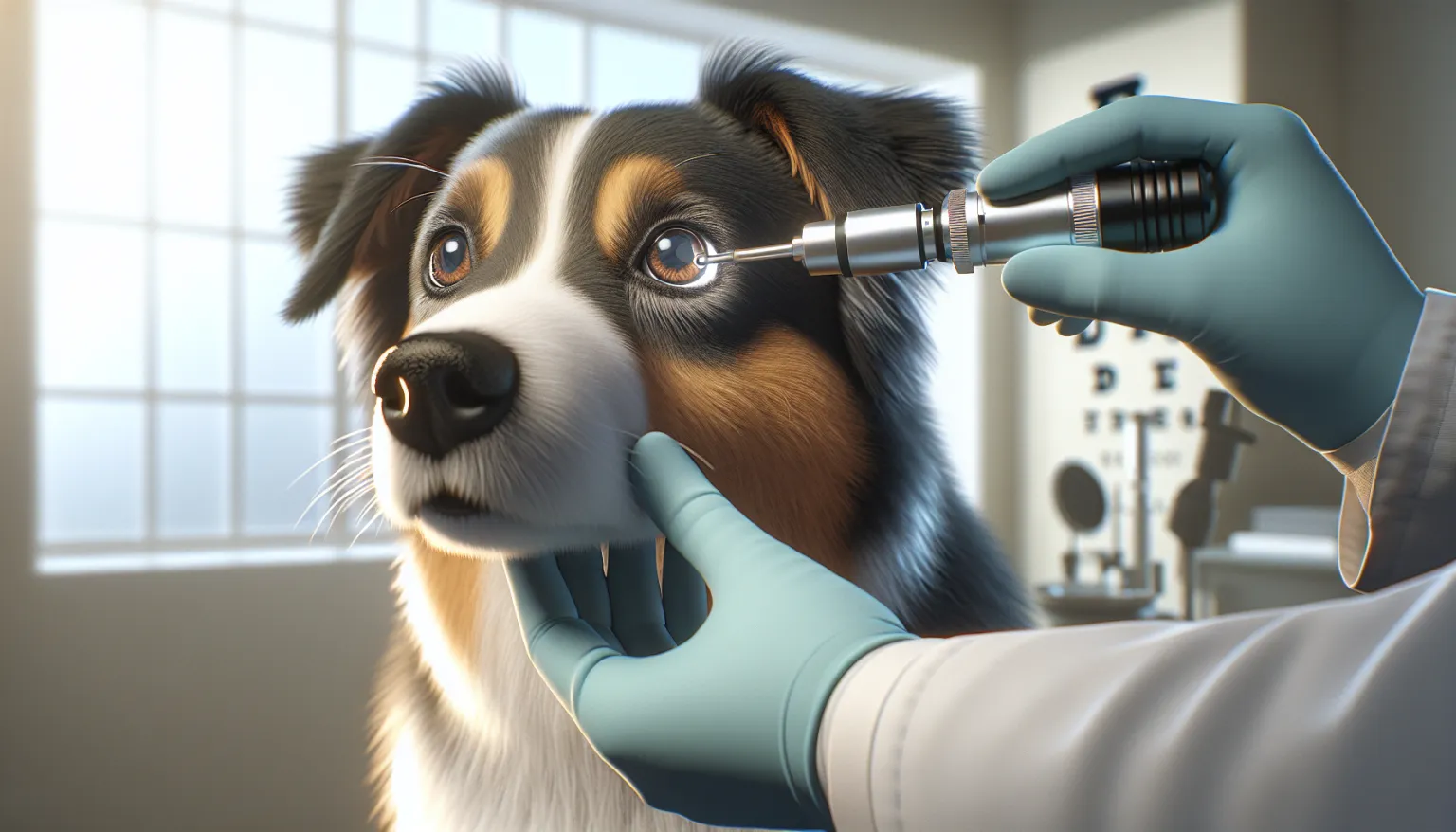
With both parent breeds carrying PRA and cataract risk, annual comprehensive ophthalmologic exams should begin at age 1. These exams assess lens clarity, retinal health, and intraocular pressure — catching changes years before they produce noticeable vision loss.
If your Poochon’s parents were not genetically tested for prcd-PRA, this should be discussed with your veterinarian. The condition progresses slowly, and early knowledge allows environmental adaptations (consistent furniture placement, night lights, textured pathway markers) that help a vision-impaired dog maintain quality of life.
Nutrition for the Poochon
Small-breed dogs have faster metabolisms and higher caloric needs per pound of body weight compared to larger dogs. Use Feeding Guide for Small Breeds for dogs 10 to 18 pounds and Feeding Guide for Toy Breeds for those under 10 pounds.
Small breeds are also more vulnerable to hypoglycemia, particularly as puppies. Feed three to four small meals daily until at least 6 months of age, then transition to two meals daily.
Omega-3 supplementation supports skin health and may help manage the atopic tendency inherited from both parent breeds. Ensure adequate water intake to support urinary tract health — adding moisture to food or using a pet water fountain can increase consumption.
Exercise Programming
Poochons need 30 to 45 minutes of daily activity. Despite their small size, they inherit playful energy from both parent breeds and benefit from structured exercise.
- Short, varied walks: multiple 10 to 15 minute walks work better than one long session
- Indoor play: appropriate for weather extremes and provides mental stimulation
- Training sessions: the Poodle intelligence makes this cross highly trainable
- Gentle fetch and play: avoid jumping from heights (furniture, steps) to protect patellar health
Avoid forced exercise in extreme heat or cold. Small breeds lose body heat faster and overheat more readily than larger dogs.
Preventive Screening Timeline
- Puppy to 12 months: Patellar evaluation, initial eye exam, dental assessment. Establish grooming and ear cleaning protocol.
- 1 to 5 years: Annual wellness exam, comprehensive ophthalmologic exam, cardiac auscultation, dental cleaning as needed. Establish weight baseline.
- 6 to 9 years: Annual bloodwork, urinalysis. Monitor for lens changes and retinal degeneration. Continue annual dental cleanings.
- 10 to 13 years: Twice-yearly exams. Senior blood panel, cardiac reassessment, pain assessment. Monitor mobility and cognitive function.
- 14+ years: Geriatric monitoring. Cognitive decline assessment, quality-of-life scoring, comfort care planning.
Breed-Specific Research
- Cardiovascular Screening Cadence for Small-Breed Dogs: cardiac monitoring protocols specific to small breeds.
- Eye Health Screening Frequency by Breed: ophthalmologic schedule for PRA and cataract-susceptible breeds.
- Senior Dog Screening Protocol: What to Test and When: comprehensive screening for aging dogs.
Condition-Specific Monitoring Triggers
These signals warrant veterinary evaluation:
- Luxating Patella: Intermittent skipping on a hind leg, sudden three-legged gait that self-corrects, or persistent lameness.
- Progressive Retinal Atrophy: Bumping into objects in dim light, dilated pupils, reluctance to navigate unfamiliar spaces.
- Dental Disease: Bad breath, red or swollen gums, difficulty chewing, dropping food, drooling.
- Cataracts: Cloudiness or blue-gray haze in one or both eyes, vision-related behavior changes.
- Skin Allergies: Persistent scratching, face rubbing, paw licking, recurrent hot spots, chronic ear inflammation.
- Ear Infections: Head shaking, odor from ears, dark discharge, scratching at ears, head tilt.
12-Month Longevity Execution Plan
Quarter 1: Baseline and Dental Foundation
- Record starting weight, body condition score, and patellar grade
- Establish daily dental care routine (brushing, dental chews)
- Complete comprehensive eye exam
- Establish grooming schedule: twice-weekly brushing, weekly ear cleaning, 6-week professional grooming cycle
Quarter 2: Adherence Audit
- Audit dental care compliance — daily brushing happening consistently?
- Compare weight against Q1 baseline
- Report any skin, ear, or eye changes
- Complete any outstanding baseline testing
Quarter 3: Midyear Review
- Evaluate six-month data: weight stability, skin and coat health, dental condition
- Schedule professional dental cleaning if indicated
- Repeat eye exam if initial screening showed any concerns
- Adjust grooming protocol based on coat and skin response
Quarter 4: Annual Synthesis
- Build next year’s screening schedule
- Professional dental cleaning if not done in Q3
- Review all screening results and trend data
- Update care protocols for the coming year
When to Seek Emergency Care
Do not delay on any of the following:
- Sudden vision loss or eye pain (redness, squinting, tearing)
- Hypoglycemic episode: weakness, trembling, disorientation, seizure (especially in puppies)
- Inability to bear weight on any limb
- Signs of urinary obstruction: straining to urinate with no output, crying during urination
- Respiratory distress or sustained resting respiratory rate above 40 breaths per minute
- Complete food refusal lasting more than 12 hours in a puppy or 24 hours in an adult with lethargy
Home Tracking Dashboard
Monitor monthly:
- Weight and body condition score
- Dental health: breath quality, gum color, tooth condition
- Eye clarity and light responsiveness
- Skin and coat condition — scratching patterns, ear health
- Gait quality — any skipping, stiffness, or limping
- Energy level and exercise tolerance
- Water intake and urinary patterns
Frequently Asked Questions
How long do Poochons typically live? Most Poochons live 12 to 16 years, benefiting from two long-lived parent breeds and small body size. The wide range reflects variation in genetics, dental care compliance, and overall health management. Consistent dental care, weight control, and annual eye exams are the most impactful longevity interventions.
Are Poochons hypoallergenic? No dog is truly hypoallergenic. Poochons produce less dander due to their low-shedding coat inherited from both parent breeds, which may reduce allergic reactions in sensitive people. However, allergenic proteins in saliva and skin oils are still produced. Spend time with the specific dog before committing if allergies are a concern.
Why does my Poochon skip on one hind leg? This is the classic presentation of luxating patella — the kneecap slipping out of its groove and then returning. Both parent breeds carry this risk. Mild, infrequent episodes may only need monitoring with weight management. Frequent episodes or persistent lameness warrant veterinary evaluation and potentially surgical correction.
How important is dental care for a Poochon? Critical. Both parent breeds contribute to small-breed dental disease susceptibility. Daily tooth brushing, dental chews, and professional cleanings prevent periodontal disease that, left untreated, seeds bacteria into the bloodstream and damages the heart, kidneys, and liver. Dental care in a Poochon is a systemic health intervention, not a cosmetic one.
Do Poochons need eye exams if they seem to see fine? Yes. Both parent breeds carry hereditary eye conditions (PRA and cataracts) that progress gradually before producing noticeable vision loss. Annual comprehensive ophthalmologic exams starting at age 1 detect early changes that may not be apparent through casual observation.
How much grooming does a Poochon need? Professional grooming every 6 to 8 weeks, with twice-weekly brush-outs and weekly ear cleaning between appointments. The dense, curly coat mats easily, and matting traps moisture and allergens against the skin. Grooming is a health necessity in this cross.
What is the best diet for a Poochon? A complete, balanced small-breed formula with named animal protein as the first ingredient. Feed measured meals (not free-feeding) with treats capped at 10% of daily calories. Omega-3 supplementation supports skin health. Ensure adequate water intake to support urinary tract health, particularly given the Bichon side’s bladder stone predisposition.
References
[1] Prevalence of inherited disorders among mixed-breed and purebred dogs (Bellumori et al., JAVMA, 2013) [2] Effects of Diet Restriction on Life Span and Age-Related Changes in Dogs (Kealy et al., 2002) [3] Life expectancy, mortality, and longevity in companion dogs (Scientific Reports, 2024) [4] Orthopedic Foundation for Animals (OFA) [5] Merck Veterinary Manual [6] AAHA Canine Life Stage Guidelines [7] American Veterinary Dental College
This content is for informational purposes only and does not constitute veterinary advice. Always consult a licensed veterinarian for decisions about your dog’s health, diagnosis, and treatment.
Related reads
Related Reading
Continue exploring