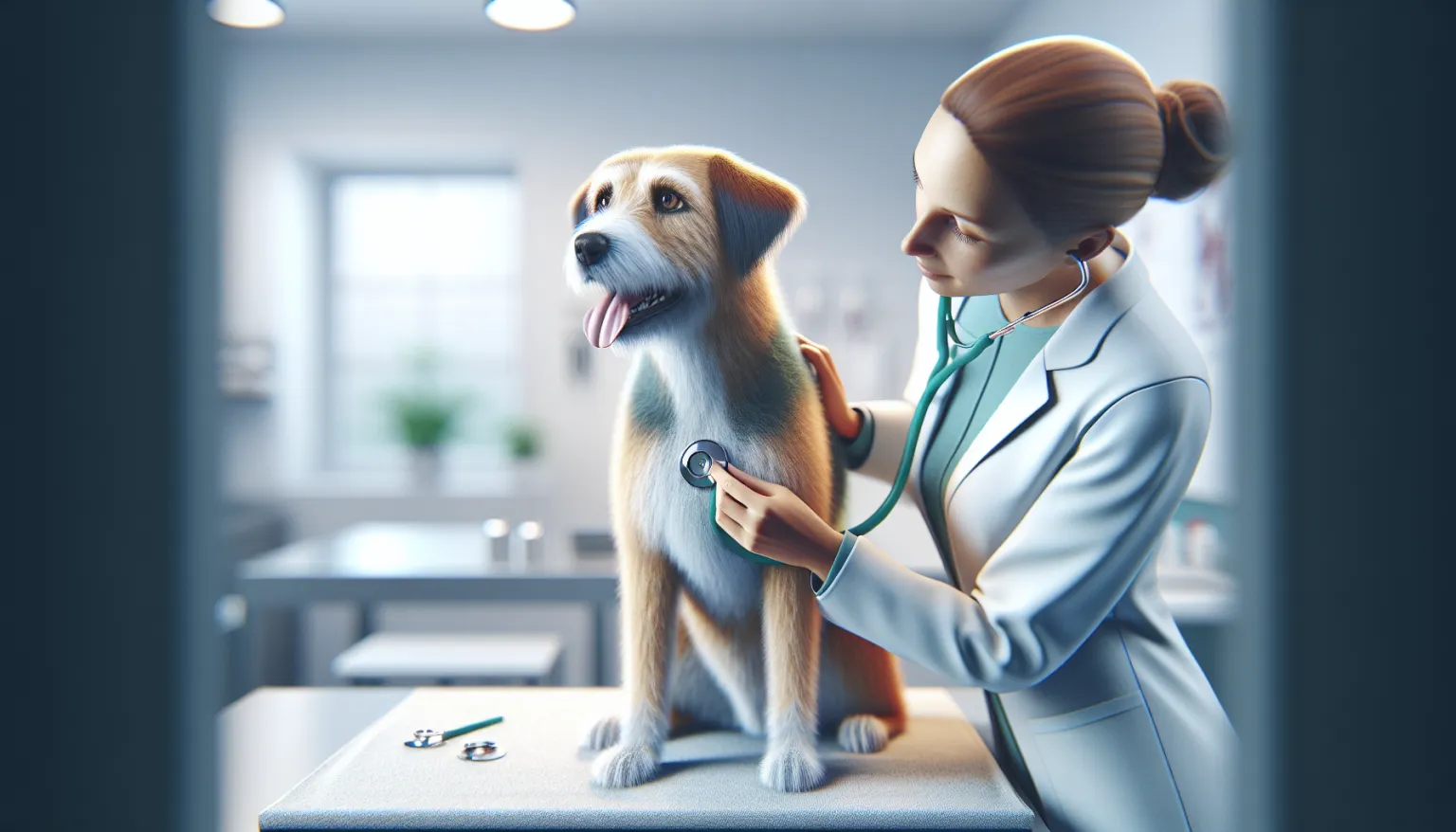
A Terrier’s Drive in a Chihuahua’s Frame
The Rat-Cha pairs two of America’s scrappiest small breeds: the Rat Terrier and the Chihuahua. The result is a compact, alert, and surprisingly athletic dog that carries the terrier’s working heritage (these dogs were bred to clear farms of vermin) compressed into a frame that rarely exceeds 15 pounds.
This cross is one of the longest-lived mixed breeds in existence. With lifespans routinely reaching 15 to 16 years and some individuals surpassing 18, the Rat-Cha benefits from the longevity advantage that small body size confers plus the general hardiness of both parent breeds. The Rat Terrier brings one of the healthiest genetic profiles in the terrier group, and the Chihuahua contributes the small-breed longevity advantage that correlates with lower metabolic rate and reduced oxidative damage.
But longevity potential is not the same as guaranteed longevity. The conditions that most commonly limit Rat-Cha healthspan are specific and manageable, if you know where to focus.
The Health Conditions That Shape Rat-Cha Longevity
Dental Disease: Small Mouth, Big Consequences
Dental disease is the primary health threat in Rat-Chas, inherited predominantly from the Chihuahua side. Small jaws with crowded teeth create ideal conditions for rapid plaque accumulation, gum recession, and tooth root exposure. Most Rat-Chas show meaningful periodontal disease by age three to four.
The systemic consequences of untreated dental disease are well documented. Oral bacteria enter the bloodstream and seed infection in the heart valves, kidneys, and liver. The link between dental disease and organ damage represents one of the most preventable longevity threats in small dogs.
Start dental home care in the first year. Daily tooth brushing is the gold standard. Annual professional cleanings with full-mouth radiographs catch subgingival disease that visual inspection misses. Do not wait until teeth are loose or gums are bleeding. By that point, significant damage has already occurred.
Luxating Patella: The Small-Dog Knee Problem
Luxating patella affects small breeds disproportionately, and both parent breeds carry predisposition. The kneecap slides out of its groove, causing the characteristic “skip” gait where the dog lifts a hind leg for a few strides, shakes it out, and continues normally.
In a 6 to 15 pound dog, every additional ounce of body weight proportionally increases the mechanical stress on the stifle joint. Lean body condition is the most impactful preventive measure. For dogs with grade I or II luxation, conservative management combining weight control, targeted strengthening exercises, and joint supplementation often provides years of comfortable function. Grades III and IV typically require surgical correction.
Keep nails trimmed short. Long nails alter toe-off mechanics and increase compensatory stress on the knee. Provide traction surfaces on slippery floors.
Heart Disease: The Mitral Valve Watch
Small dogs carry elevated risk for heart disease, particularly mitral valve disease (MVD). The valve between the left atrium and ventricle slowly degenerates, causing progressive blood leakage. Both the Chihuahua and Rat Terrier contribute to this risk.
MVD often announces itself with a soft heart murmur on routine auscultation, years before any symptoms appear. That detection window is valuable. Staging the disease early allows monitoring cadence to be calibrated and medications to be started at the point where evidence shows they extend the asymptomatic period.
Annual cardiac auscultation starting at age 5 is the screening standard. At home, count resting respiratory rate during sleep monthly. Normal is under 30 breaths per minute. An increase signals fluid accumulation that needs prompt evaluation.
Eye Conditions: Inherited Vulnerability
Both the Chihuahua (with its prominent eyes) and the Rat Terrier can pass along susceptibility to eye conditions including progressive retinal atrophy, lens luxation, cataracts, and corneal ulcers. The Rat-Cha with prominent eyes faces particular risk for corneal injuries from environmental exposure.
Regular eye exams, prompt evaluation of any squinting, tearing, or cloudiness, and protection from eye-level hazards are the primary prevention strategies.
Skin Allergies: The Seasonal Itch
Skin allergies are reasonably common in this cross. The Rat Terrier parent contributes some predisposition to environmental and contact allergies. Presentation often follows seasonal patterns: increased itching in spring and fall, concentrated on the belly, paws, and ears.
If your Rat-Cha develops seasonal itching patterns, document when they start, where on the body they concentrate, and what seems to help. This information accelerates diagnosis and allows targeted management rather than blanket treatment.
Seizures and Epilepsy: Know the Signs
Both the Chihuahua and Rat Terrier carry some predisposition to seizures and epilepsy. While not every Rat-Cha will experience seizures, awareness of the possibility allows early recognition and appropriate response.
If your dog experiences a seizure, document everything: time of onset, duration, behavior before and after, and any potential triggers. A single seizure warrants veterinary evaluation. Recurrent seizures require diagnostic workup and likely ongoing management.
Do not attempt to restrain a seizing dog or put anything in its mouth. Keep the environment safe (move furniture, cushion the head), time the episode, and contact your veterinarian immediately if the seizure lasts longer than five minutes.
The Three Moves That Matter Most
- Aggressive dental care starting in the first year of life. Daily home care plus annual professional cleanings prevent the systemic damage that untreated dental disease causes.
- Maintain lean body condition to protect small-dog joints. In a dog under 15 pounds, even small weight gains create proportionally large increases in joint stress.
- Track any seizure activity and establish patterns early. Documentation quality directly influences diagnostic accuracy and treatment effectiveness.
The Terrier Brain Needs Engagement
Rat-Chas inherit the Rat Terrier’s alert, problem-solving intelligence combined with the Chihuahua’s intense loyalty and situational awareness. This is not a dog content to sleep all day. Under-stimulated Rat-Chas develop anxiety-driven behaviors that affect sleep quality, stress hormone levels, and immune function.
Provide daily mental enrichment: nose work, puzzle feeders, short training sessions, and novel environmental experiences. A mentally engaged Rat-Cha is a physically healthier one.
Body Composition Precision in Tiny Dogs
A Rat-Cha weighing 10 pounds that gains one pound has gained 10% of its body weight. In proportional terms, that is equivalent to a 150-pound human gaining 15 pounds. The impact on joint loading, respiratory effort, and metabolic function is significant.
Use a kitchen scale or baby scale for consistent, accurate measurements. Weigh monthly. Portion meals with precision because even a few extra treats can represent a meaningful percentage of daily caloric needs in a dog this small.
Building a Condition-Focused Prevention Stack
Priority sequence: dental care first (because it starts causing systemic damage earliest), then joint and mobility protection, then cardiac surveillance as the dog enters middle age. Seizure awareness runs as a background monitor throughout life.
Breed-Specific Research
- Dental Disease and Longevity in Dogs: evidence connecting oral health to lifespan in small breeds.
- Dental Home Care Protocol for Dogs: practical daily dental maintenance framework.
- Cardiovascular Screening Cadence for Small Breed Dogs: when and how to screen for mitral valve disease.
- Mixed Breed Longevity Data: What Large Studies Reveal: population data on small-mix lifespan advantages.
Exercise Design
Rat-Chas are more athletic than their size suggests. The Rat Terrier heritage contributes genuine speed and agility. Plan for 30 to 45 minutes of daily activity split between walks, play, and mental enrichment.
Short, varied sessions work better than long continuous walks. Include off-leash play in secure areas when possible. The terrier drive means your Rat-Cha will likely excel at games involving chase, search, and problem-solving.
In cold weather, provide a well-fitted coat. Small dogs lose body heat rapidly. In hot weather, avoid pavement during peak sun hours because their small bodies are close to the radiant heat of the ground surface.
Age-Based Monitoring Milestones
- Puppy to 2 years: Check for retained deciduous teeth. Begin dental home care. Baseline patellar evaluation. Start heartworm and parasite prevention.
- 3 to 5 years: Annual dental cleanings. Monitor kneecap stability and gait. Annual wellness blood work. Maintain precise weight.
- 6 to 9 years: Add cardiac auscultation. Begin eye exam screening. Senior wellness panel if veterinarian recommends.
- 10+ years: Biannual wellness exams. Enhanced cardiac, dental, and cognitive monitoring. Adjust exercise to current capacity. Monitor vision and hearing.
Longevity Outlook
The Rat-Cha holds genuine biological advantages for longevity. Small body size, genetic diversity from the cross, and the robust health profiles of both parent breeds create a dog with realistic potential to reach 15 to 18 years. The conditions that most commonly limit that potential (dental disease, luxating patella, and heart disease) are all responsive to proactive management.
The Rat-Cha that receives consistent dental care, maintains precise body weight, and gets regular cardiac screening as it ages is positioned to live a notably long and comfortable life. These are not complex interventions. They are consistent ones.
The Drift Pattern Most Owners Miss
- Worsening breath and reluctance to chew hard treats normalized as aging when it represents advancing Dental Disease with systemic consequences
- Occasional hind-leg skip dismissed as a harmless quirk rather than progressive Luxating Patella
- Gradual activity reduction attributed to age when the dog is actually compensating for chronic joint pain or early cardiac limitation
If any pattern persists or worsens over 7 to 10 days, investigate rather than normalize.
12-Month Longevity Execution Plan
Quarter 1: Baseline and Risk Mapping
- Establish baselines: precise body weight, body condition score, dental status, and gait video
- Complete dental evaluation and professional cleaning if needed
- Assess patellar stability and document grade
- Lock down feeding protocol with precise measured portions
Quarter 2: Adherence and Early Drift Control
- Review dental home care compliance and adjust approach if needed
- Monitor weight trend and gait quality against Q1 baselines
- Address any emerging skin, eye, or neurological concerns
- Update gait footage for comparison
Quarter 3: Midyear Reassessment
- Compare six months of health data against baselines
- Reassess dental status
- For dogs 6+, perform cardiac auscultation and senior wellness panel
- Adjust exercise and enrichment for seasonal changes
Quarter 4: Senior-Readiness Update
- Translate the year’s data into next year’s screening plan
- Schedule next dental cleaning
- Review cardiac and mobility status
- Update seizure log if applicable, reviewing patterns with your veterinarian
When to Seek Emergency Care
Do not wait on any of the following:
- Seizure lasting longer than five minutes or multiple seizures within 24 hours
- Sudden refusal to eat with face rubbing or excessive drooling (dental or oral emergency)
- Labored breathing, blue-tinged gums, or persistent harsh cough at rest
- Collapse, fainting, or sudden weakness
- Acute limb non-weight-bearing or sudden inability to use a hind leg
Home Tracking Dashboard
Check monthly:
- Body weight on a precise scale, with body condition score
- Dental condition: breath quality, gum color, visible tartar, chewing willingness
- Gait quality: any skipping, limping, or hind-limb favoring
- Resting respiratory rate during sleep
- Seizure log: any episodes, their duration, and circumstances
- Eye clarity and comfort
- Activity willingness and engagement quality
Diet and Feeding Strategy
Rat-Chas require precise portion control due to their small caloric budgets. Use Feeding Guide for Small Breeds as the baseline framework. For dental support, see Dental Health Nutrition Protocol for Dogs. For joint support with luxating patella, Glucosamine and Chondroitin for Dogs provides the supplementation evidence base.
Condition-Specific Monitoring Triggers
- Dental Disease: Worsening breath, difficulty chewing, face rubbing, drooling, or visible tooth discoloration. Reddened gums warrant prompt evaluation.
- Luxating Patella: Track skipping frequency and which leg is affected. Escalate if episodes become more frequent or your dog consistently avoids jumping or running.
- Heart Disease: Resting respiratory rate sustained above 30 breaths per minute during sleep, coughing, exercise intolerance, or fainting.
- Eye Conditions: Squinting, cloudiness, excessive tearing, or any change in pupil appearance.
- Skin Allergies: Seasonal itching patterns, paw licking, belly redness, or ear flares.
- Seizures and Epilepsy: Any seizure activity warrants veterinary evaluation. Track timing, duration, and triggers to help guide diagnosis.
Additional Relevant Condition Guides
Frequently Asked Questions
How long do Rat-Chas live? Most live 13 to 18 years, making them one of the longest-lived mixed breed types. Both parent breeds contribute robust health profiles, and the genetic diversity of the cross adds longevity advantage. Reaching the upper end of this range depends primarily on dental care, weight management, and cardiac surveillance.
What is the most important health investment for a Rat-Cha? Dental care. The small jaw inherited from the Chihuahua parent creates conditions for rapid periodontal disease that, left unmanaged, damages the heart, kidneys, and liver. Daily home dental care plus annual professional cleanings is the single highest-return health investment for this cross.
My Rat-Cha had a seizure. What do I do? Keep the environment safe, time the episode, and do not restrain the dog or put anything in its mouth. If the seizure lasts longer than five minutes, seek emergency veterinary care immediately. After the seizure ends, keep the dog calm and quiet, and schedule a veterinary evaluation. Document everything: time, duration, behavior before and after, and any possible triggers.
Is the Rat-Cha prone to anxiety? Both parent breeds can be alert and reactive, and the combination sometimes produces a dog that is wary of unfamiliar people or situations. Adequate socialization during puppyhood, consistent daily routines, mental enrichment, and positive training methods help manage anxious tendencies. Chronic anxiety affects immune function and inflammatory response, making it a legitimate health concern rather than just a behavioral one.
How often does my Rat-Cha need dental cleanings? Annual professional cleanings with full-mouth radiographs are the standard recommendation. Some Rat-Chas with particularly aggressive dental disease may need cleanings every six months. Your veterinarian can advise on cadence based on your dog’s specific dental progression.
Can luxating patella be managed without surgery? Grades I and II can often be managed conservatively with weight control, joint supplementation, and targeted exercise. Grades III and IV typically require surgical correction for long-term quality of life. Have your veterinarian assess and grade the condition to determine the appropriate management approach.
References
[1] Dog Aging Project [2] Life expectancy, mortality, and longevity in companion dogs (Scientific Reports, 2024) [3] AAHA Canine Life Stage Guidelines [4] AAHA Dental Care Guidelines for Dogs and Cats [5] Merck Veterinary Manual [6] WSAVA Global Nutrition Guidelines
Related reads
Related Reading
Continue exploring