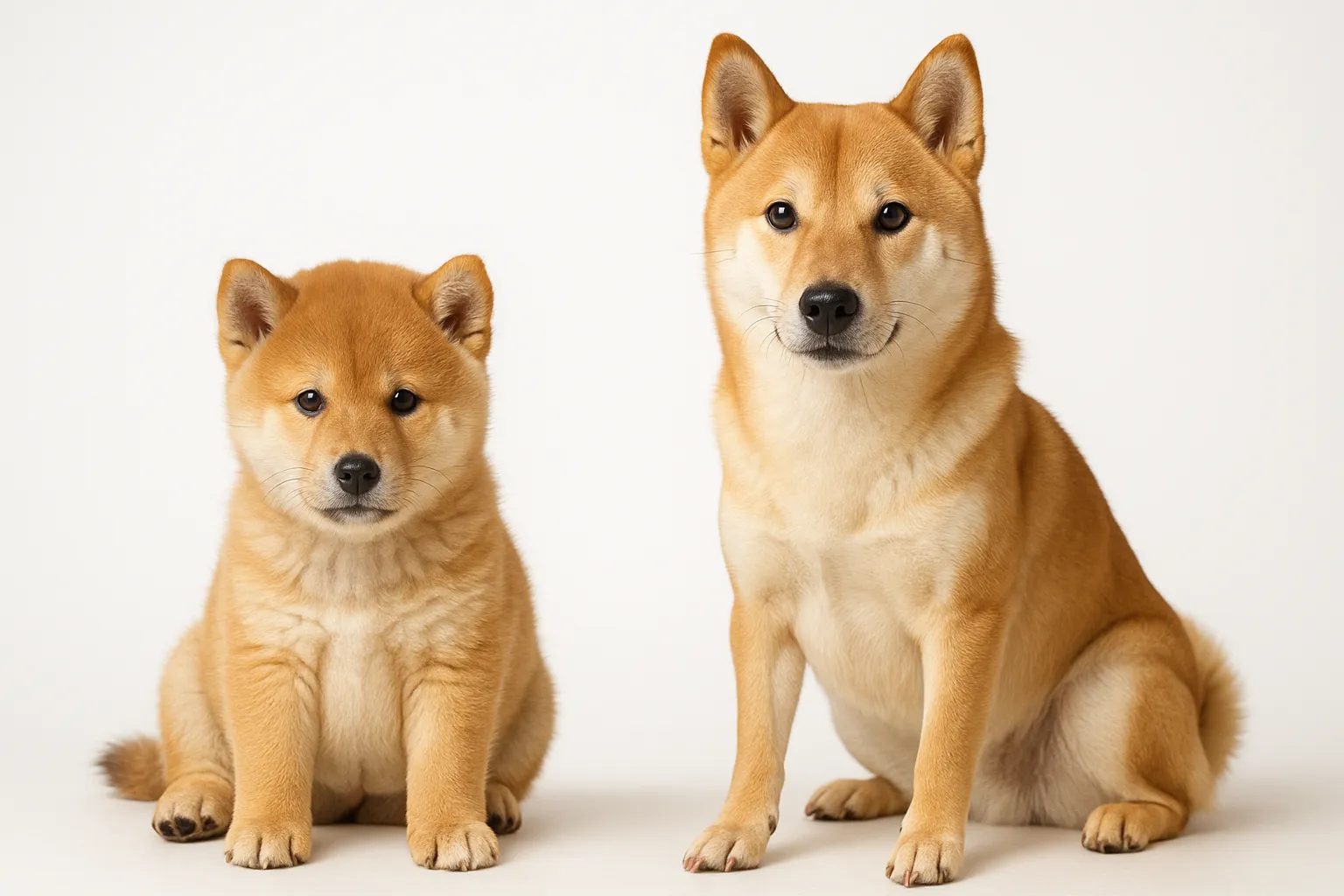
A Dog That Will Never Tell You Something Is Wrong
Shibas are survivors. Descended from ancient Japanese mountain hunting lines, they carry 12-15 years of life expectancy and an independent streak that shapes nearly every aspect of their care.
This breed hides discomfort better than almost any dog its size. A Shiba that looks fine may be compensating for pain, stress, or early disease. Routine trend tracking is not optional — it is the primary tool for catching problems in a dog whose instinct is to mask them until they become serious.
Breed-Specific Risk Profile
Anxiety
Shibas thrive on structure. When social exposure and daily routines become inconsistent, stress-related behavior rises — sometimes gradually enough that owners attribute it to personality rather than a problem.
Skin Allergies
Persistent itch and inflammation do more than cause discomfort. They erode sleep quality, increase stress load, and destabilize household routines for both dog and owner.
Eye Conditions
Painful or sudden visual changes require same-day evaluation. Do not wait for a scheduled appointment.
Arthritis
Without preventive support, mobility decline becomes noticeable in later years. Early intervention preserves functional quality far longer than reactive treatment.
Obesity
Every extra pound increases both inflammatory burden and orthopedic stress. In a 17-23 lb dog, even small weight gains compound quickly.
Start Here: Your Top Longevity Targets
- Maintain consistent behavior and socialization routines
- Act early on skin/itch flares
- Preserve lean body condition
Evidence-Based Longevity Priorities
Behavioral Predictability
Stable daily structure reduces chronic stress load and improves long-term compliance with care routines. Shibas do not adapt well to chaos — they shut down or escalate.
Inflammation Suppression
Treat skin flares early and maintain control between episodes. The goal is preventing chronic cycle entrenchment, not just managing acute events.
Weight and Mobility Protection
Measured feeding and regular low-impact activity preserve musculoskeletal resilience. These two habits, done consistently, deliver outsized returns.
Sensory and Pain Vigilance
Early escalation of eye pain or mobility drift improves outcomes. In a breed that masks discomfort, proactive observation replaces reliance on obvious symptoms.
Breed-Specific Research
These evidence reviews help Shiba owners choose interventions with clearer risk-benefit visibility.
- Senior Dog Cognitive Care Plan: Routine, Sleep, Safety: helps prioritize earlier action when health markers begin to drift.
- Canine Cognitive Decline: Early Signs and Practical Plan: supports a clearer screening cadence for high-impact risk pathways.
- Elimination Diet Protocol for Dog Allergies: adds protocol detail relevant to long-term condition management decisions.
Use this reading set as pre-visit prep so owner observations and veterinary decisions stay aligned.
How to Use Genetic Panel Results
Genetic testing in Shibas should drive monitoring strategy, not replace it. Use results to tighten surveillance windows and calibrate intervention thresholds. Hip and elbow scoring (OFA or PennHIP) to quantify orthopedic risk and a CERF eye exam or PRA gene testing to detect heritable eye disease are strong starting points.
- Select a genetic panel matched to your Shiba Inu’s known risk profile. The results tell you where to look harder, not what will happen.
- Focus your first monitoring protocols on Anxiety and Skin Allergies — the conditions where early data most directly shapes the intervention timeline.
- Consolidate genetic panel results, bloodwork trends, and your own notes into a single timeline. The connection between a genetic predisposition and an emerging clinical finding only becomes obvious when you can see both at once.
- The value of genetic testing compounds over time. Each veterinary visit adds context that makes the original results more — not less — relevant to current decisions.
Good testing leads to better questions, not just more data. Let results sharpen your focus rather than broaden your anxiety.
Breeding History & Health Implications
Shibas were bred for diverse roles across Japanese mountain terrain — hunting, guarding, navigating dense brush. That heritage produced a dog with strong structural demands and a temperament wired for independence and alertness.
- The mechanical stress this breed’s frame sustains over a lifetime makes orthopedic surveillance a non-negotiable part of the prevention plan.
- The breed’s history-informed risk profile highlights Anxiety, Skin Allergies, Eye Conditions as the conditions warranting the closest ongoing attention.
- When a mild concern surfaces more than once, the right response is earlier screening — not more watching and waiting.
- Review your prevention plan at least quarterly. A plan that was right six months ago may no longer match your Shiba Inu’s current trajectory.
What the breed contributes is a set of weighted risks. What your data contributes is the signal to act — or to hold.
Monitoring Schedule by Life Stage
- Puppy to 2 years: socialization baseline, behavior structure, skin-care habits.
- 3 to 8 years: annual exams with inflammatory and mobility trend review.
- 9+ years: semiannual preventive care with sensory and orthopedic focus.
How the Pieces Connect
Shibas can maintain long, high-quality healthspan when owners combine three things: behavioral stability, inflammation control, and precise body-condition management. Get those right, and this breed’s natural hardiness does the rest.
Most-Missed Early Drift Pattern
Early disease progression in Shibas usually shows up as low-grade changes that owners attribute to normal aging or “just being a Shiba”:
- Increased vigilance or difficulty settling in new contexts related to Anxiety that owners dismiss as temperament
- Subtle compensation patterns that mask Skin Allergies progression: seasonal patterns written off as normal shedding cycles
- Gradual drift toward Eye Conditions signs that become harder to reverse: visible cloudiness, chronic redness, or navigation difficulty
If baseline function is drifting for 7-10 days, treat it as a prevention failure signal and reassess early.
Arousal Reset Protocol
Shiba healthspan often degrades through chronic arousal, not obvious inactivity. A daily reset routine makes a measurable difference:
- Short, predictable decompression walk with low trigger density
- Low-stimulation recovery period after high-arousal events
- Consistent sleep window with minimal late-evening activation
This reduces stress stacking and improves behavior stability over time.
Skin-Flare 48-Hour Rule
For recurrent itch or dermatitis, escalation timing matters more than most owners realize:
- If a flare is not clearly improving within 48 hours, reassess the plan
- Avoid repeated ad hoc topical changes without a trigger review
- Track flare onset, intensity, and likely environmental context
Early, structured flare response prevents chronic cycle entrenchment.
Low-Handling Preventive Care Protocol
Shibas often tolerate handling poorly under stress, which delays care until disease has advanced. Build a low-handling protocol before problems appear:
- Use cooperative-care training for ears, mouth, paws, and eye checks
- Set short, frequent handling reps rather than rare long sessions
- Pre-plan clinic and grooming strategies that reduce restraint intensity
- Escalate at-home trend changes early to avoid high-stress urgent interventions
Lower handling stress improves care adherence and prevents avoidable late-stage presentations.
Quarterly Failure-Point Audit
Shiba outcomes usually decline through small repeated process gaps, not one obvious event. Run a brief audit every quarter:
- Which daily prevention habit has drifted most since the last review?
- Are early signals from Anxiety or Skin Allergies showing up more often?
- Did escalation happen at the defined threshold, or after visible deterioration?
- Which household handoff or routine inconsistency needs correction this quarter?
Treat each audit as an operating reset to keep prevention proactive instead of reactive.
Monthly Decision-Log Prompt
Keep a monthly decision log for your Shiba with three fields: trigger, action, and 2-4 week result. This simple discipline sharpens escalation timing and builds long-term consistency.
Trigger-Stack Management for Urban Shiba Households
Many Shiba behavior setbacks trace not to one big event, but to stacked triggers across the day — noise, crowded walks, unpredictable interactions. A simple trigger-budget model helps:
- Map high-trigger time windows in your neighborhood
- Schedule decompression walks during lower-density periods
- Limit back-to-back high-arousal exposures on the same day
- Prioritize sleep protection after stressful days
Lower trigger stacking reduces chronic arousal load and improves long-term behavior and immune stability.
Recall and Safety Management as Longevity Tools
Shiba independence and prey-driven decision-making create real injury risk when management is loose. High-impact safety standards:
- Check equipment security before every walk
- Avoid off-leash exposure in unfenced, high-distraction spaces
- Rehearse emergency U-turn and interruption cues weekly
- Keep one transport contingency plan for acute injuries
A single avoidable trauma event can erase years of otherwise good preventive care.
Seasonal Skin Strategy (Not Just Flare Response)
For Shibas, skin control works best when seasonal risk is anticipated rather than treated reactively:
- Define your dog’s high-risk months from prior flare history
- Intensify coat and skin monitoring before the expected season starts
- Escalate at the first trend shift instead of waiting for self-trauma
- Review environmental trigger control — bedding, cleaning products, outdoor exposure windows
Proactive seasonal planning is usually more effective than repeated reactive treatment cycles.
Common Owner Mistakes to Avoid
These failure points most often erode long-term outcomes in Shibas:
- Waiting for obvious symptoms before escalating care for Anxiety or Skin Allergies.
- Allowing small monthly drift in weight, sleep quality, or activity tolerance to continue unchecked.
- Treating recurrence patterns in Eye Conditions as isolated events instead of updating the full prevention plan.
Counter this by reviewing home trend logs monthly and updating your veterinary plan every quarter.
Condition-Specific Monitoring Triggers
Each condition has specific early warning patterns. Use these as your decision framework:
- Anxiety: Track anxiety triggers, recovery time, and baseline behavior stability; escalate when behavior changes persist or intensify.
- Skin Allergies: Track itching load, skin lesions, and ear flare cycles; escalate when flares persist despite baseline management.
- Eye Conditions: Track vision confidence, eye discharge, and redness; escalate for pain signs, squinting, or sudden vision changes.
- Arthritis: Track how your dog handles cold or damp weather. Arthritic joints often stiffen more in low-pressure weather systems — a consistent pattern is worth reporting to your vet.
- Obesity: Use body condition scoring alongside weight. A dog can gain fat and lose muscle without the scale moving — so feel the ribs monthly and assess waist tuck visually.
12-Month Longevity Execution Plan
Use this quarterly framework to keep prevention proactive instead of reactive:
Quarter 1: Baseline and Risk Mapping
- Create measurable starting points: weigh your dog, film a walking gait video, and log daily energy and appetite for 14 days
- Align with your vet on which conditions deserve proactive monitoring and what timeline makes sense for each
- Set the feeding ground rules now: measured meals, treats under 10% of daily calories, and one designated feeder to prevent double-dosing
Quarter 2: Adherence and Early Drift Control
- Look at what worked and what slipped since Q1 — then adjust the plan to fit your actual routine rather than your ideal one
- Pay closer attention to any marker that moved since Q1 — early drift caught now is far cheaper to address than late drift caught at the annual exam
- Do not wait on changes in appetite, stamina, breathing patterns, mobility, or neurological function — report them promptly
- Compare Q2 gait video against Q1 baseline and escalate any asymmetry or stiffness progression
Quarter 3: Midyear Reassessment
- Review the year’s health trajectory at the midpoint and recalibrate your approach based on what the data actually shows
- Adjust your screening frequency based on what you have learned in the first six months — tighten intervals where risks are materializing
- Recalibrate exercise programming for seasonal changes and any shifts in your dog’s stamina, joint tolerance, or heat sensitivity
- Reassess joint supplement efficacy and adjust dosing or add modalities if stiffness persists
Quarter 4: Senior-Readiness Update
- Use the full year of trend data to design next year’s screening schedule — let the evidence lead, not assumptions
- Update your list of warning signs that trigger a vet call — make it more specific based on what you observed this year
- Create a documented handoff to next year: what to screen, when, and what signals should trigger earlier investigation
When to Escalate Fast
Do not wait on any of the following:
- A dog that stops eating and simultaneously becomes lethargic is communicating something urgent
- New respiratory distress, collapse episode, or any sudden neurologic change
- Vomiting that continues beyond two or three episodes, signs of belly pain, or any abdominal swelling — especially in deep-chested breeds
- Acute mobility loss — inability to stand, sudden severe lameness, or obvious pain during routine movement
Breed-Specific Priorities This Year
These are the prevention priorities that matter most for your Shiba right now. Check in with your veterinarian each quarter and update the plan based on real trends, not assumptions.
- Maintain consistent behavior and socialization routines
- Act early on skin/itch flares
- Preserve lean body condition
Home Tracking Dashboard
Track these markers monthly to catch subtle changes before they become urgent:
- Weight trajectory and body-condition score, noting any change from the previous month
- Appetite, water intake, and elimination patterns
- Engagement with daily routines: walks, play sessions, and interest in interaction
- Shifts in how your dog moves, rests, or responds to handling — especially new hesitations or pain signals
- Activity capacity and post-exercise recovery — compare month over month, not against breed averages
- Sleep patterns, behavioral consistency, and interest in interaction with people and other animals
- Condition-specific early drift markers tied to anxiety, skin allergies, eye conditions
Diet and Feeding Strategy
For Shibas, feeding architecture should match small physiology and long-horizon risk management. Use Feeding Guide for Small Breeds as the baseline and add Limited Ingredient Diets only when endpoints are explicit and reassessment cadence is pre-defined.
Build one daily measured plan, one treat budget, and one scheduled review checkpoint mapped to Obesity and Obesity.
Frequently Asked Questions
What is the most important feeding behavior for long-term outcomes in Shiba Inu? Strict portion governance plus monthly body-condition recalibration. Most owners who maintain this discipline see the best results.
How should calorie planning cadence be set in Shiba Inu? Recalibrate whenever workload, life stage, medication profile, or body-condition trend changes.
Are nutrition supplements enough without measured intake control for Shiba Inu? Not reliably. Core portion governance and trend review produce the primary effect size.
What risk marker should accelerate nutrition follow-up in Shiba Inu? Escalate when early drift appears in pathways such as Obesity or Obesity, even if outward behavior still looks acceptable.
What preventable feeding error appears most often in Shiba Inu homes? Duplicate feeding and treat accounting that is not logged centrally. When multiple household members feed without coordination, calorie control breaks down.
References
[1] AKC Shiba Inu Breed Information [2] AAHA Canine Life Stage Guidelines [3] Merck Veterinary Manual
Related reads
Related Reading
Continue exploring