The Teddy Bear Dog With a Structural Trade-Off
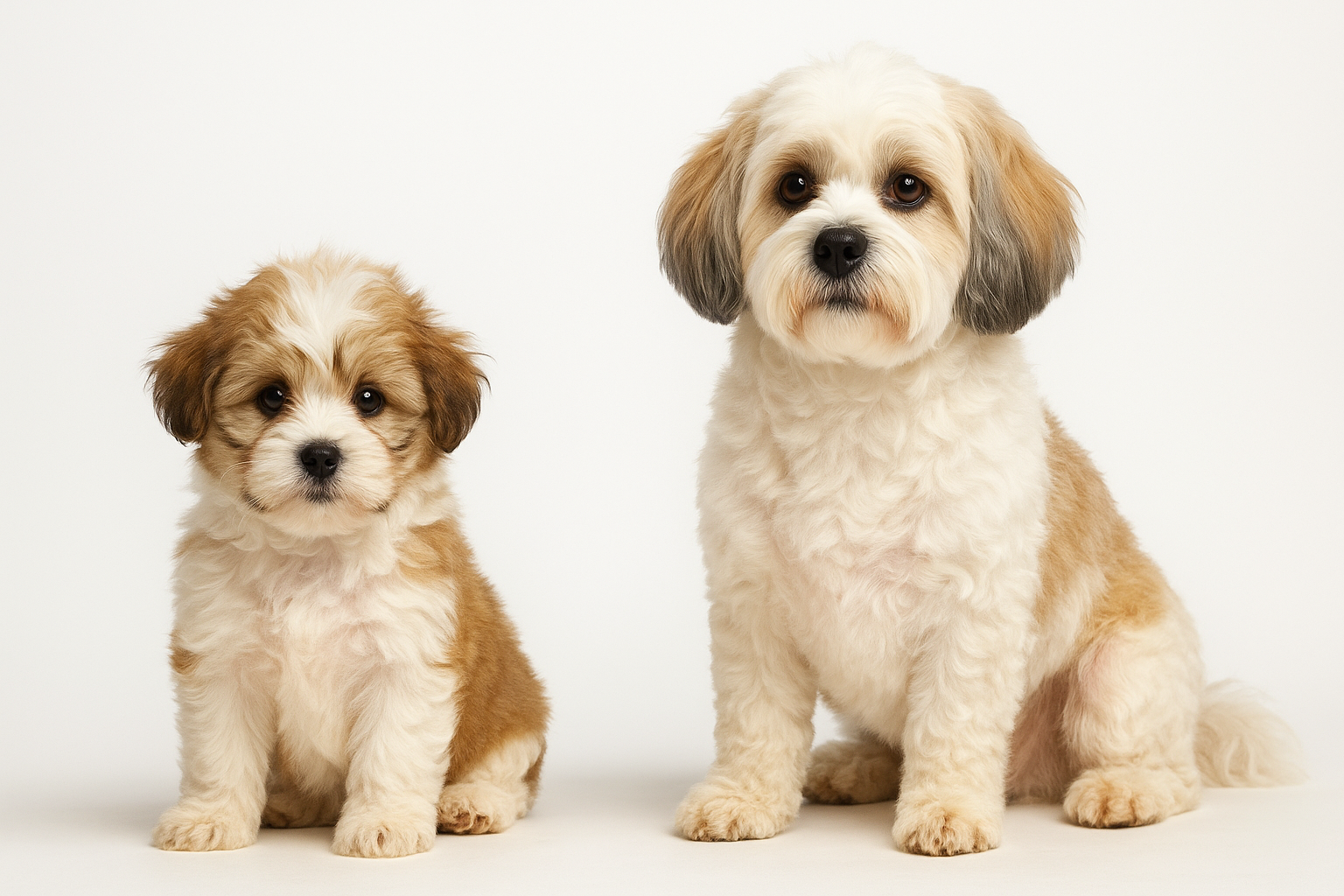
The Shichon — also marketed as the Zuchon or Teddy Bear dog — combines the Shih Tzu and the Bichon Frise into a compact companion weighing 7 to 15 pounds. The appeal is obvious: a plush, low-shedding coat, an affectionate temperament calibrated for lap-sitting, and the combined longevity genetics of two breeds that routinely live 12 to 16 years.
What gets mentioned less often is the structural compromise the Shih Tzu contributes. The Shih Tzu is a brachycephalic breed — its skull is shortened, compressing the airway anatomy. Soft palate elongation, narrowed nostrils (stenotic nares), and everted laryngeal saccules are common findings that restrict airflow to varying degrees. The Bichon Frise cross may lengthen the muzzle enough to eliminate these problems, or it may not. The degree of brachycephalic syndrome in your individual Shichon depends on which parent’s facial structure dominated.
This means the first task with any Shichon is assessing airway function. Everything else — exercise capacity, heat tolerance, anesthetic risk, sleep quality — depends on how well this dog can breathe.
Hybrid Vigor Between Companion Breeds
The Shih Tzu and Bichon Frise are both companion breeds with ancient lineages, but they developed in geographically and genetically distinct populations — the Shih Tzu in China and Tibet, the Bichon Frise in the Mediterranean. This genetic distance favors meaningful heterosis in first-generation crosses.
A 2013 JAVMA study of 27,000+ dogs found mixed breeds were significantly less likely to develop 10 of 24 genetic disorders compared to purebreds, particularly for recessive single-gene conditions. For the Shichon, this may mean reduced risk for certain breed-specific conditions like liver shunts (elevated in Shih Tzus) or autoimmune conditions.
However, conditions that both breeds share — dental disease, luxating patella, cataracts, and skin allergies — are reinforced rather than diluted. And brachycephalic anatomy is a structural trait, not a recessive genetic disease — it does not benefit from heterosis in the traditional sense.
The Shih Tzu Side of the Equation
Brachycephalic Airway Anatomy
The Shih Tzu’s flat face is the product of centuries of selective breeding for a specific aesthetic. The consequences are well-documented: brachycephalic obstructive airway syndrome (BOAS) affects a significant percentage of short-faced breeds. A 2015 study at the University of Cambridge found that over 50% of brachycephalic dogs showed signs of airway compromise, many of which owners had normalized as “just how the breed sounds.”
In your Shichon, the Bichon cross may have partially or fully corrected the muzzle length. Assessment is straightforward: if your dog snores loudly during sleep, breathes noisily during mild exercise, or shows heat intolerance disproportionate to the temperature, airway compromise is likely present. Your veterinarian can evaluate the nares (nostrils) and soft palate and determine whether surgical correction is warranted.
Eye Vulnerability
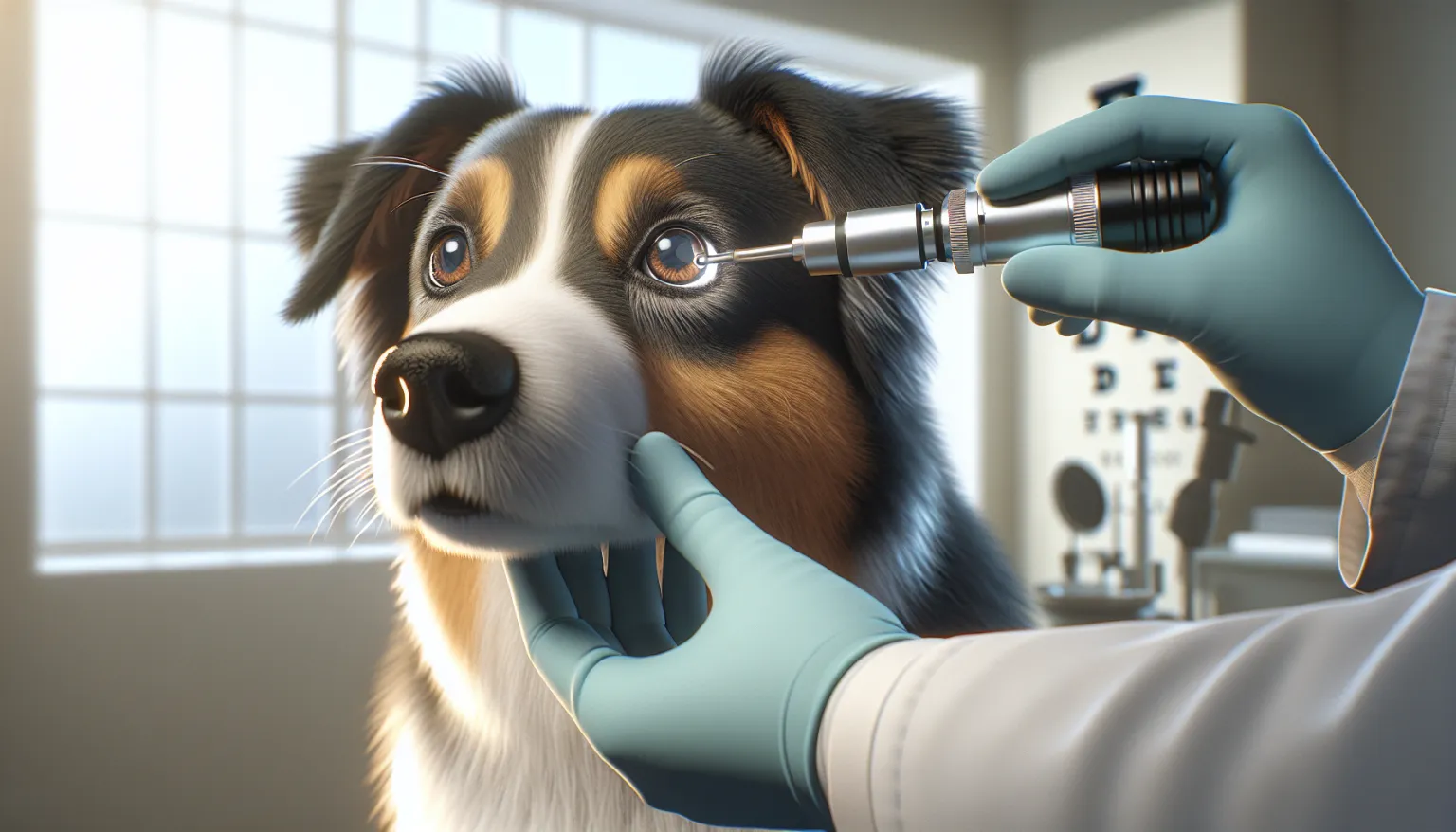
Shih Tzus’ prominent eyes are susceptible to corneal ulcers, proptosis (eye displacement from the socket), and chronic dry eye. The Bichon cross typically reduces eye prominence, but monitoring for eye discomfort — squinting, excessive tearing, rubbing at the face — remains important.
Renal and Hepatic Risk
Shih Tzus carry elevated rates of renal dysplasia and portosystemic liver shunts. These are relatively uncommon but serious conditions. Baseline bloodwork in puppyhood helps establish liver and kidney function norms that make later changes detectable.
The Bichon Frise Contribution
The Bichon Frise is a generally healthy breed that brings robust longevity genetics (14 to 15 year average) and a cheerful, adaptable temperament. Its health contributions to the Shichon include:
Dental Disease Susceptibility
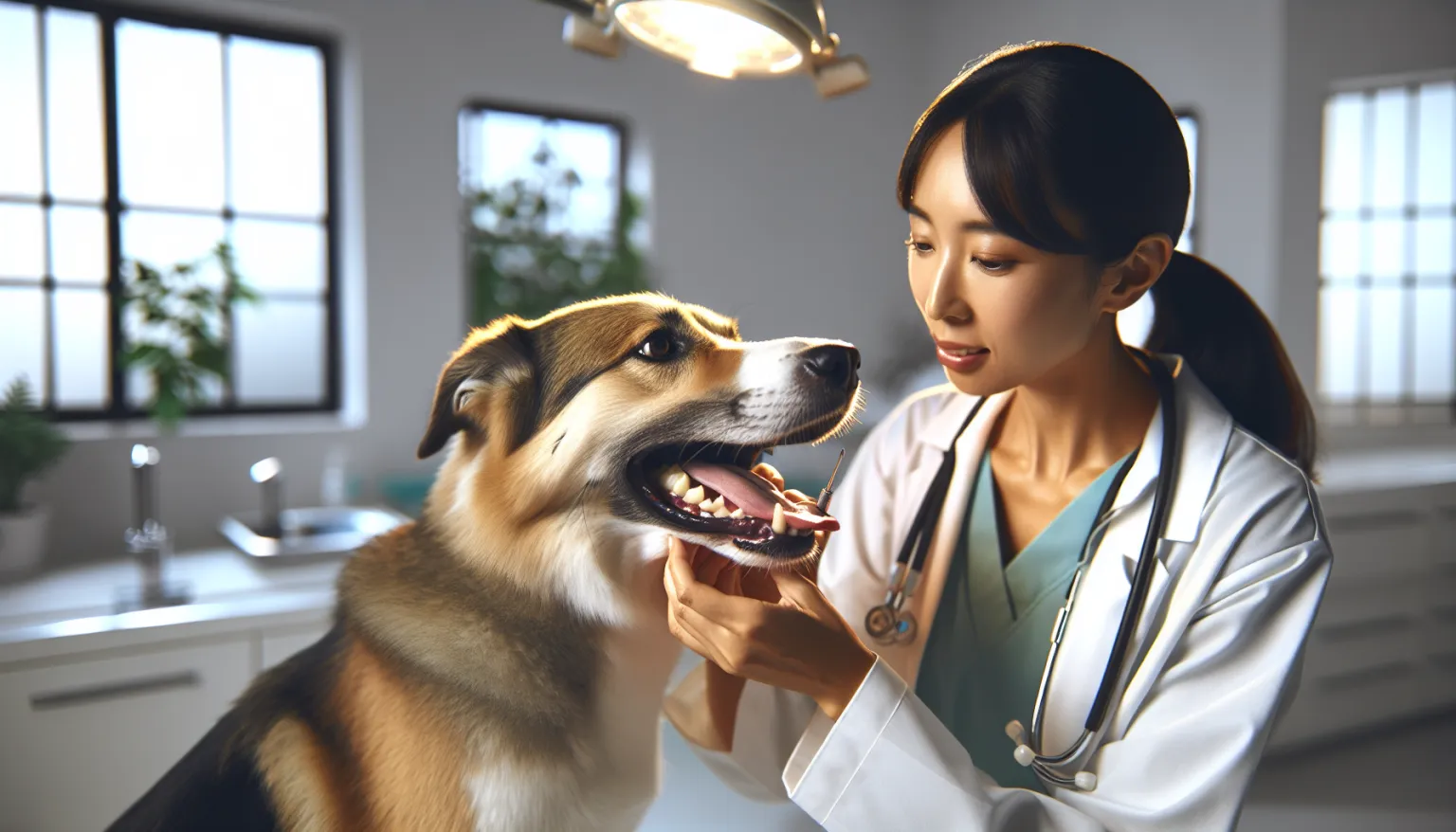
Dental disease is the Bichon Frise’s most significant health concern, shared with the Shih Tzu. Both breeds have small, crowded jaws where teeth accumulate tartar rapidly. In the Shichon, this represents a compounded rather than diluted risk. Dental care is not a secondary concern — it is the most important ongoing health intervention for this cross.
Luxating Patella
The Bichon Frise carries luxating patella rates of approximately 4 to 6% per OFA data. Combined with the Shih Tzu’s own patellar risk, the Shichon is a cross where knee health requires monitoring. At 7 to 15 pounds, even a single pound of excess weight represents a meaningful increase in patellar stress.
Cataracts and Eye Health
Cataracts are documented in both Bichon Frises and Shih Tzus, making the Shichon a cross with elevated hereditary cataract risk. Annual ophthalmologic exams detect early lens changes that may not be apparent through observation.
Skin Sensitivity
Bichon Frises are prone to skin allergies including atopic dermatitis. The dense Shichon coat — whether more Bichon-curly or Shih Tzu-silky — traps environmental allergens and requires consistent grooming to prevent secondary skin infections.
The Priority Conditions for Longevity
Airway Assessment and Management
If your Shichon has any degree of brachycephalic anatomy, the following adaptations protect both quality of life and longevity:
- Heat management: Never exercise in temperatures above 80F (27C). Provide air conditioning, cooling mats, and shade. Brachycephalic dogs are inefficient thermoregulators because panting — the primary canine cooling mechanism — requires unobstructed airflow.
- Exercise modification: Shorter, lower-intensity exercise sessions. Watch for signs of respiratory distress: loud breathing, blue-tinged gums, collapse. Stop exercise before these signs appear.
- Anesthetic risk: Inform every veterinarian who treats your dog about any brachycephalic features. Intubation can be more challenging, and recovery from anesthesia requires closer monitoring. Pre-anesthetic airway assessment is essential.
- Sleep quality: Brachycephalic dogs often have disrupted sleep from obstructive breathing. If your dog snores loudly, gasps during sleep, or sleeps in unusual positions (chin elevated, sitting upright), discuss surgical correction with a veterinary surgeon.
Dental Health as Systemic Protection
In a Shichon, both parent breeds contribute to dental disease susceptibility, making this a priority-one concern. The protocol:
- Daily tooth brushing starting in puppyhood (yes, daily — not weekly)
- Dental chews for supplemental mechanical cleaning
- Professional dental cleaning under anesthesia as recommended by your veterinarian (often annually for this cross)
- Monitor for early signs: bad breath, red gums, difficulty eating, dropping food
Periodontal disease left untreated bacteria enters the bloodstream and contributes to heart valve damage, kidney inflammation, and liver stress. In a 7 to 15 pound dog, the systemic burden of chronic oral infection is proportionally larger than in a bigger breed.
Patellar Health
Luxating patella in small breeds presents as intermittent skipping on a hind leg. The kneecap slips out of its groove, the dog lifts the leg briefly, and then it returns to normal. Mild cases (Grade I-II) may only need weight management and monitoring. Progressive or painful cases (Grade III-IV) benefit from surgical correction, which has high success rates in small breeds when performed before secondary cartilage damage occurs.
Lean body condition is the most effective non-surgical intervention. In a 10-pound dog, even a half-pound of excess weight increases patellar stress by 5%.
Ear and Skin Care
Ear infections and skin allergies require consistent grooming. Establish a schedule of twice-weekly brushing, weekly ear cleaning, and professional grooming every 6 to 8 weeks. If your Shichon has a Shih Tzu-type silky coat, daily brushing may be needed to prevent matting.
Nutrition for the Shichon
At 7 to 15 pounds, the Shichon falls into the small-breed to toy-breed nutritional category. Use Feeding Guide for Small Breeds for dogs over 10 pounds and Feeding Guide for Toy Breeds for those under 10 pounds.
Puppies under 6 months should eat three to four meals daily to prevent hypoglycemia, a real risk in very small dogs. Adults can transition to two meals daily.
Omega-3 supplementation supports skin and coat health. Dental health nutrition complements your brushing routine. Avoid overfeeding — small breeds gain clinically significant weight from even modest caloric excess.
Exercise Programming
Shichons need 20 to 30 minutes of daily activity — less than many small breeds due to potential brachycephalic limitations. Adjust based on your individual dog’s airway function.
- Short walks (two to three 10-minute walks per day)
- Indoor play sessions
- Gentle fetch and interactive toys
- Training exercises (mental stimulation counts)
Avoid: exercise in heat, sustained activity that triggers heavy panting, jumping from heights (furniture, steps) to protect knees, and forced exercise if respiratory distress is evident.
Preventive Screening Timeline
- Puppy to 12 months: Airway assessment, patellar evaluation, initial eye exam, baseline bloodwork (liver and kidney function), dental assessment. Start daily brushing.
- 1 to 5 years: Annual wellness exam, ophthalmologic exam, dental cleaning as needed, cardiac auscultation. Monitor weight and patellar grade.
- 6 to 9 years: Annual bloodwork, urinalysis. Continue annual eye exams and dental cleanings. Cancer awareness (monthly mass checks).
- 10 to 13 years: Twice-yearly exams. Senior blood panel, cardiac reassessment, mobility and pain assessment.
- 14+ years: Geriatric monitoring. Cognitive decline assessment, comfort care, quality-of-life scoring.
Breed-Specific Research
- Cardiovascular Screening Cadence for Small-Breed Dogs: cardiac monitoring for small-breed crosses.
- Eye Health Screening Frequency by Breed: ophthalmologic schedule for cataract-susceptible breeds.
- Senior Dog Screening Protocol: What to Test and When: comprehensive senior screening.
Condition-Specific Monitoring Triggers
These signals require veterinary attention:
- Brachycephalic Syndrome: Loud snoring, noisy breathing at rest, cyanosis (blue gums) during exercise, heat intolerance, sleep disruption.
- Dental Disease: Bad breath, red or swollen gums, difficulty chewing, dropping food, facial swelling.
- Luxating Patella: Intermittent skipping on a hind leg, sudden three-legged gait, persistent lameness.
- Ear Infections: Head shaking, odor from ear canals, dark discharge, head tilt.
- Cataracts: Cloudiness or blue-gray haze in eyes, bumping into objects, behavioral changes suggesting vision loss.
- Skin Allergies: Persistent scratching, paw licking, face rubbing, recurrent hot spots.
12-Month Longevity Execution Plan
Quarter 1: Airway and Dental Baseline
- Complete airway assessment — document snoring, breathing quality, exercise tolerance
- Begin daily tooth brushing protocol
- Record starting weight, body condition score, and patellar grade
- Complete baseline bloodwork and comprehensive eye exam
Quarter 2: Habit Establishment
- Audit dental care compliance — daily brushing consistent?
- Monitor weight against Q1 baseline
- Report any respiratory, skin, or ear concerns
- Evaluate exercise tolerance and adjust program based on airway function
Quarter 3: Midyear Assessment
- Review six-month health data: weight, dental condition, respiratory status
- Schedule dental cleaning if indicated
- Repeat eye exam if initial screening showed concerns
- Adjust grooming protocol based on skin and coat response
Quarter 4: Annual Review
- Build next year’s screening schedule
- Professional dental cleaning if not done in Q3
- Review all screening results and trend data
- Discuss surgical options if brachycephalic symptoms are impacting quality of life
When to Seek Emergency Care
Do not delay:
- Cyanosis (blue-tinged gums) from respiratory distress
- Heatstroke symptoms: excessive panting, drooling, collapse, rectal temperature above 104F (40C)
- Sudden vision loss or eye proptosis (eye displacement)
- Hypoglycemic episode: weakness, trembling, disorientation, seizure
- Inability to bear weight on any limb
- Signs of urinary obstruction: straining with no urine output
Home Tracking Dashboard
Monitor monthly:
- Weight and body condition score
- Dental health: breath quality, gum color, eating comfort
- Respiratory quality: snoring level, exercise tolerance, sleep position
- Eye clarity and responsiveness to light
- Skin and coat condition, ear health
- Gait quality — any skipping, stiffness, or limping
- Energy level and overall demeanor
Frequently Asked Questions
How long do Shichons live? Most Shichons live 12 to 16 years, benefiting from two long-lived parent breeds and small body size. Dental care, weight management, and airway monitoring are the most impactful factors in achieving the upper end of this range.
Do all Shichons have breathing problems? No. The Bichon Frise cross may fully correct the Shih Tzu’s shortened muzzle, resulting in normal airway function. However, many Shichons retain some degree of brachycephalic anatomy. Have your veterinarian assess your dog’s airway function early — do not assume noisy breathing is normal.
Why is dental care so important for Shichons? Both parent breeds carry high dental disease risk due to small, crowded jaws. Untreated dental disease causes pain and drives systemic inflammation that damages the heart, kidneys, and liver. In a small dog, the proportional health burden of chronic oral infection is significant. Daily brushing is the single most effective dental intervention.
My Shichon skips on one hind leg sometimes. Is that serious? This is likely luxating patella — a common small-breed condition where the kneecap slips out of its groove. Infrequent, self-correcting episodes may only need monitoring with strict weight control. Frequent episodes, persistent lameness, or pain warrant veterinary evaluation and potentially surgical correction.
Can I exercise my Shichon in warm weather? If your Shichon has any degree of brachycephalic anatomy, exercise in temperatures above 80F (27C) is risky. Short-faced dogs cannot cool themselves efficiently through panting. Exercise during early morning or evening, provide cooling options, and watch for heavy panting, drooling, or lethargy. These are early heatstroke signs that require immediate cooling and veterinary care.
Are Shichons good for allergy sufferers? Both parent breeds produce low-shedding coats, which may reduce airborne dander. However, no dog is truly hypoallergenic — allergenic proteins are present in saliva and skin oils. Spend time with the specific dog before making a commitment if allergies are a consideration.
References
[1] Prevalence of inherited disorders among mixed-breed and purebred dogs (Bellumori et al., JAVMA, 2013) [2] Brachycephalic obstructive airway syndrome in dogs (Liu et al., Veterinary Record, 2015) [3] Effects of Diet Restriction on Life Span and Age-Related Changes in Dogs (Kealy et al., 2002) [4] Life expectancy, mortality, and longevity in companion dogs (Scientific Reports, 2024) [5] Orthopedic Foundation for Animals (OFA) [6] Merck Veterinary Manual [7] AAHA Canine Life Stage Guidelines
This content is for informational purposes only and does not constitute veterinary advice. Always consult a licensed veterinarian for decisions about your dog’s health, diagnosis, and treatment.
Related reads
Related Reading
Continue exploring