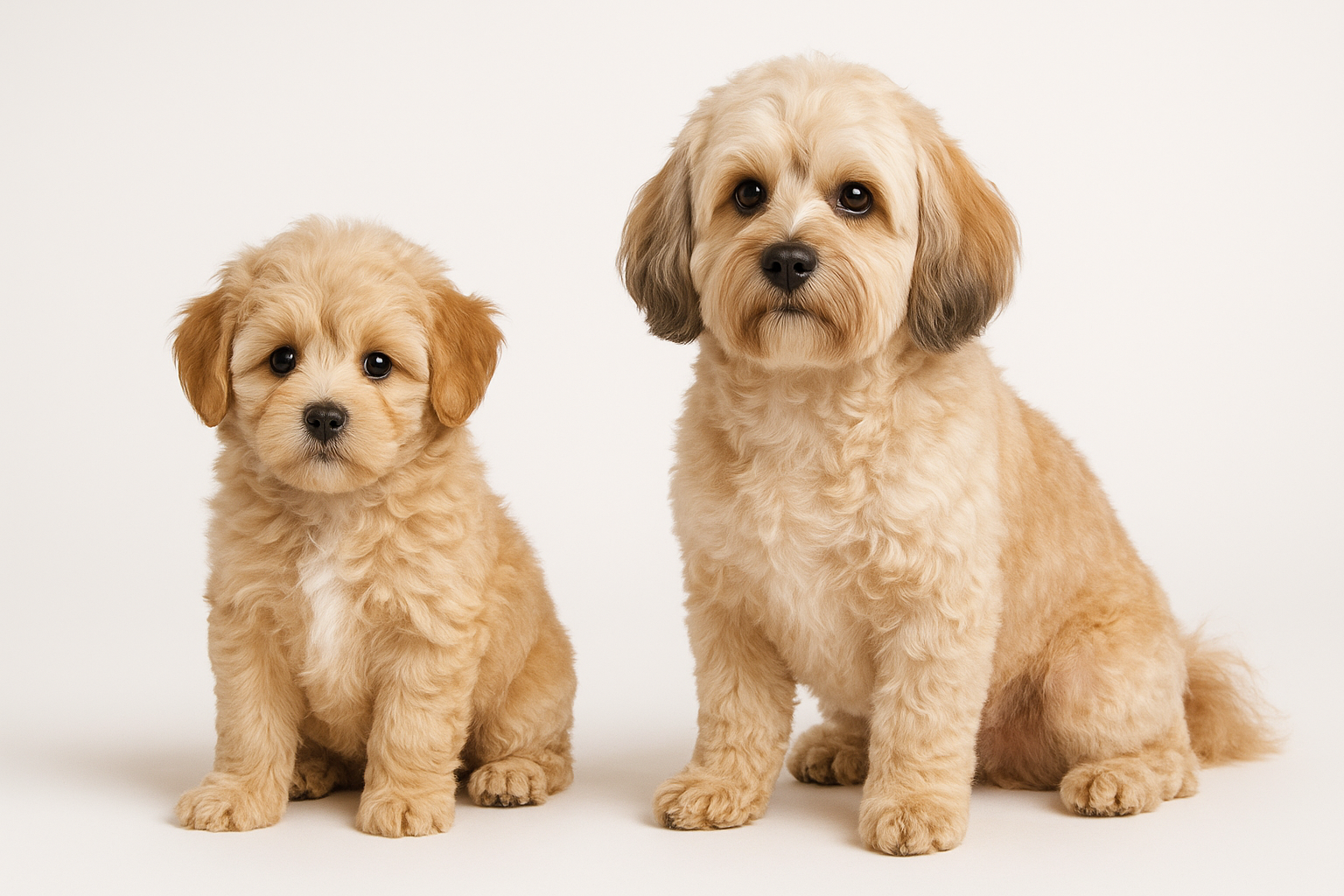
The Lion Dog’s Modern Partnership
The Shih Poo unites the Shih Tzu — a breed whose name translates to “lion dog” and whose lineage traces to Tibetan monasteries and Chinese imperial courts — with the Poodle, a breed most people associate with France but whose origins as a German water retriever made it one of the most versatile working dogs in history. At 7 to 20 pounds with a 12-to-16-year lifespan, the Shih Poo inherits the Shih Tzu’s steady, affectionate temperament and the Poodle’s cognitive sharpness.
The health calculus in this cross revolves around one anatomical variable above all others: how much of the Shih Tzu’s brachycephalic facial structure the offspring inherits. That single factor — muzzle length — ripples through respiratory function, dental health, eye anatomy, thermoregulation, and anesthesia risk. Everything else in the Shih Poo’s health profile is manageable. This is the one that shapes the entire trajectory.
Hybrid Vigor: The Muzzle Lottery
First-generation Shih Poo crosses gain heterosis benefit from the substantial genetic distance between the Shih Tzu and Poodle gene pools. The Poodle’s moderate muzzle can lengthen the Shih Tzu’s compressed facial structure, potentially improving airway geometry, reducing dental crowding, and normalizing eye socket depth.
But “potentially” is the operative word. Some Shih Poos inherit near-normal muzzle proportions. Others are born with significantly flat faces. Unlike many inherited conditions where genetic testing provides clarity, brachycephalic status is assessed phenotypically — by examining the individual dog’s anatomy.
Where hybrid vigor clearly helps: autosomal recessive conditions unique to one parent line. Where it helps less: brachycephalic syndrome (anatomical), dental disease (both breeds are affected), ear infections (both breeds have floppy, hair-filled ear canals), and eye conditions (both breeds carry predispositions).
Risk Profile: Two Companion Breeds, Specific Vulnerabilities
Brachycephalic Syndrome: The Central Variable
Brachycephalic syndrome in Shih Poos ranges from absent to clinically significant, depending on muzzle length inheritance. The syndrome encompasses stenotic nares, elongated soft palate, and hypoplastic trachea — individually or in combination — creating chronic airway restriction.
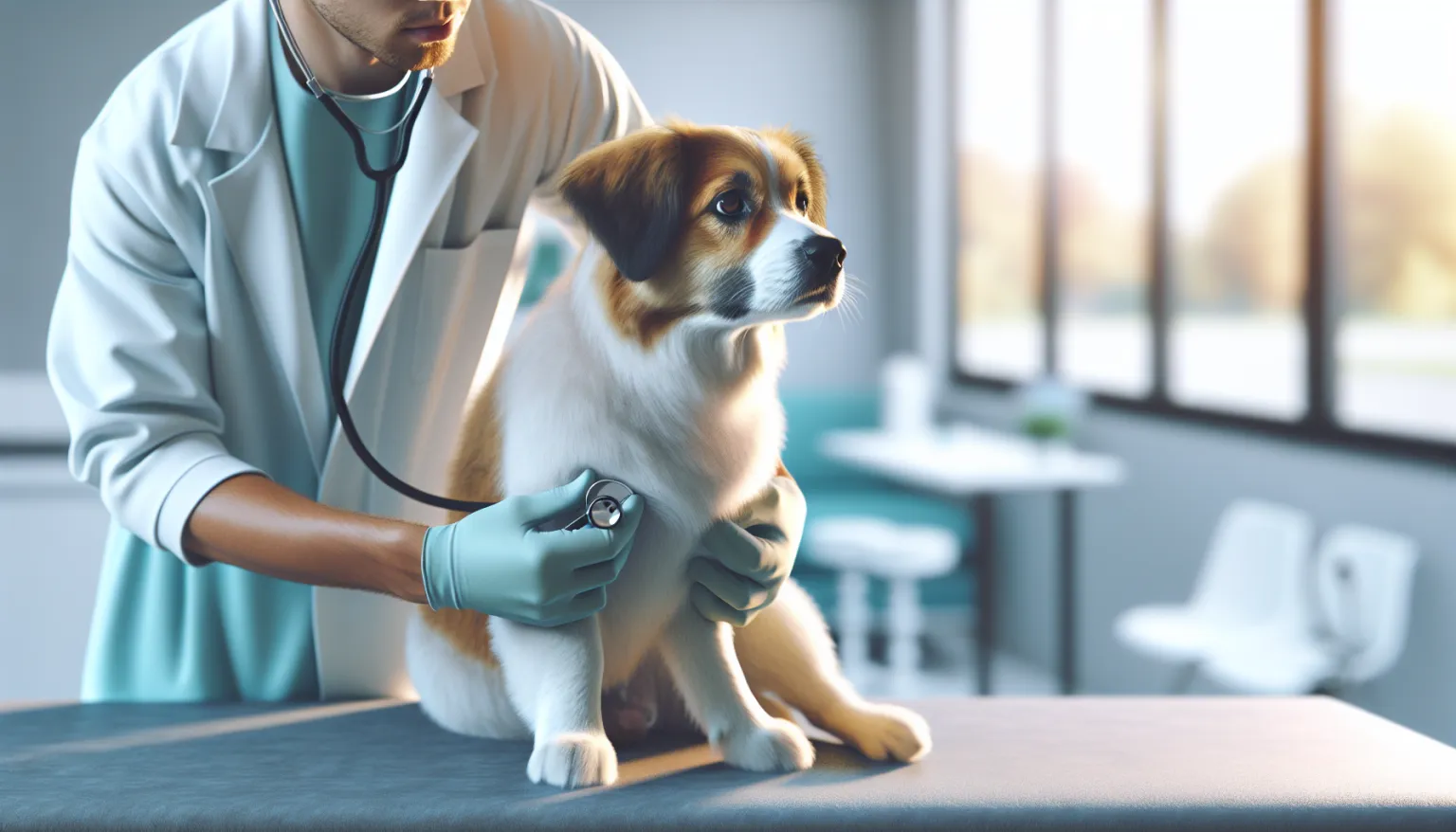
Assessment under sedation or anesthesia (conveniently timed during spay/neuter) provides definitive evaluation. Corrective surgery — nares widening and soft palate resection — has well-documented success in improving breathing quality, exercise tolerance, sleep, and thermoregulation. The benefit of early intervention is avoiding the secondary laryngeal changes that develop when chronic airway obstruction persists.
Not all Shih Poos need airway surgery. But every Shih Poo needs airway evaluation.
Dental Disease: Crowded Architecture
The Shih Tzu’s compressed facial skeleton creates dental crowding that accelerates dental disease progression. Even Shih Poos with moderately lengthened muzzles may retain overcrowded teeth, particularly in the premolar region.
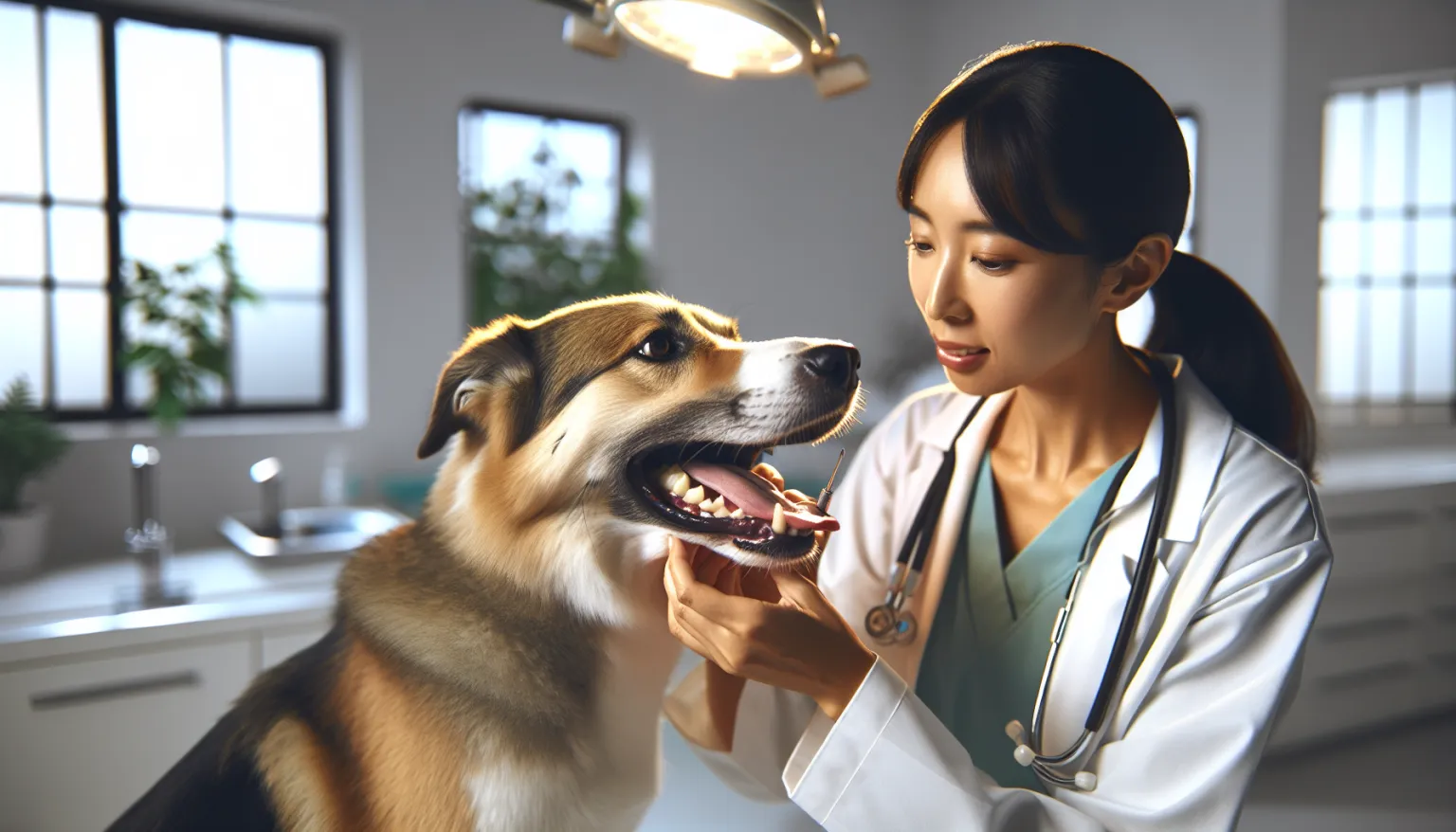
One UK study found that small brachycephalic breeds had the highest periodontal disease prevalence across all breed categories. Daily brushing combined with professional cleanings on a veterinarian-guided schedule is the cornerstone of prevention. For Shih Poos requiring dental procedures under anesthesia, brachycephalic airway management protocols should be in place.
Ear Infections: The Floppy-Ear Tax
Both Shih Tzus and Poodles have pendulous ears with dense hair growth in the ear canal — a combination that traps moisture, limits airflow, and creates an ideal environment for bacterial and yeast overgrowth. Ear infections are among the most common recurring health issues in this cross.
Prevention centers on regular ear cleaning with a veterinarian-approved solution, keeping ear canals dry after bathing or swimming, and professional ear hair management. Chronic or recurring infections warrant deeper investigation for allergies, which often drive the underlying inflammatory cycle.
Progressive Retinal Atrophy and Eye Conditions
Both parent breeds carry elevated risk for PRA and other eye conditions. The Shih Tzu adds breed-specific vulnerabilities including keratoconjunctivitis sicca (dry eye), corneal ulceration related to prominent eyes, and distichiasis (abnormal eyelash growth).
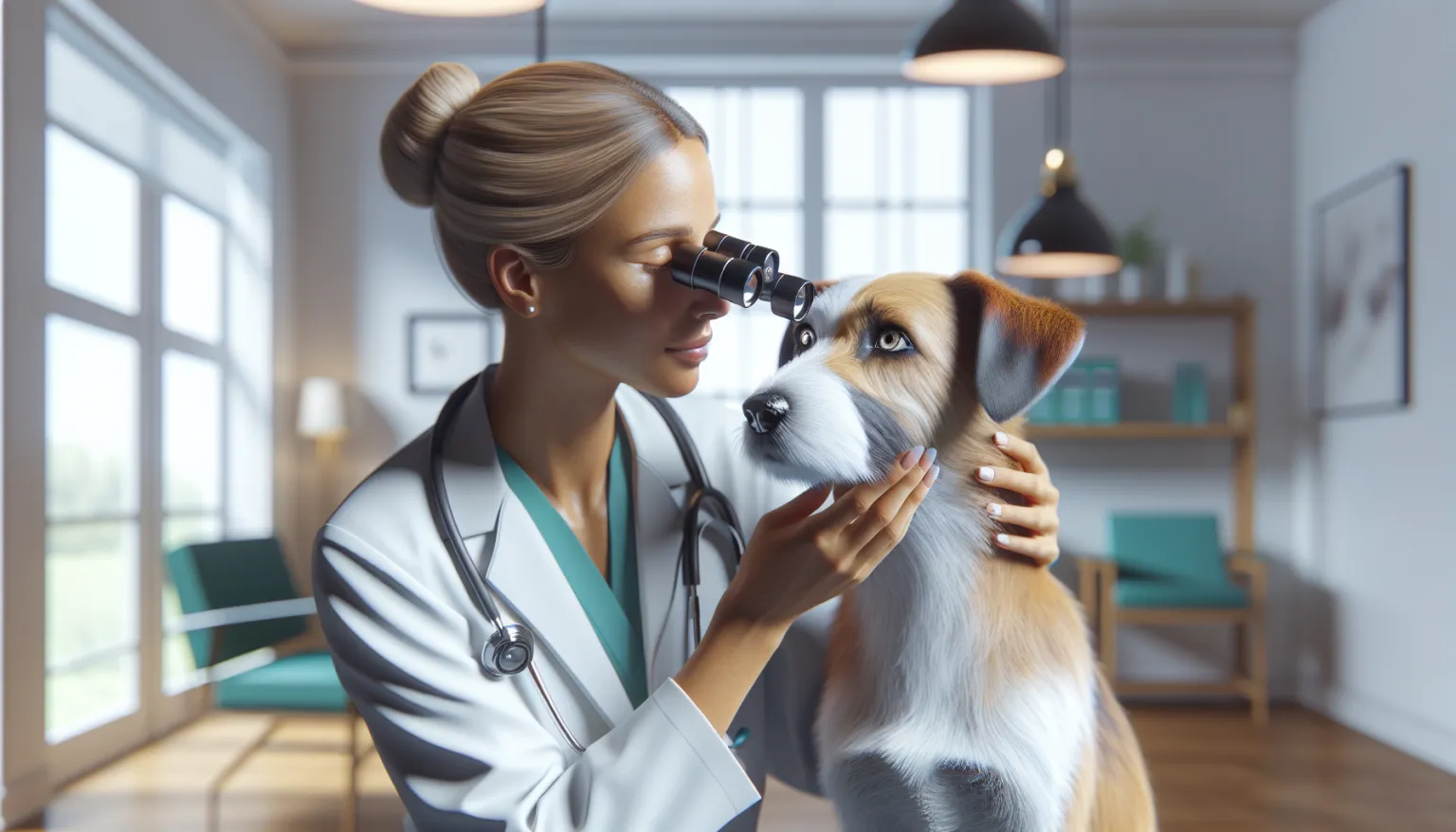
Annual ophthalmic evaluation is essential. PRA genetic testing clarifies inherited risk status. Schirmer tear testing detects dry eye before corneal damage occurs. Early intervention for corneal conditions prevents permanent scarring that impairs vision.
Luxating Patella: Common Ground
Luxating patella affects both parent breeds at rates above the general population. Orthopedic palpation at every wellness visit provides grading data. Surgical correction is typically recommended for Grade III and IV luxation to prevent progressive joint damage.
Five-Point Longevity Plan
- Airway assessment by age 1 — evaluate brachycephalic anatomy and pursue corrective surgery if indicated.
- Daily dental care — brushing plus professional cleanings with brachycephalic anesthesia protocols when needed.
- Ear hygiene protocol — weekly cleaning, post-bath drying, professional ear hair management.
- Annual ophthalmic screening — fundoscopy, tear production testing, corneal evaluation.
- Semiannual exams after age 9 — with airway, cardiac, dental, ophthalmic, and orthopedic review.
Evidence-Based Longevity Priorities
Airway Function as Foundation
Every other health metric improves when a brachycephalic dog breathes efficiently. Exercise capacity, stress tolerance, thermoregulation, sleep quality, and anesthetic safety all depend on airway patency. In a Shih Poo with significant brachycephalic anatomy, corrective surgery is not an elective procedure — it is a foundational longevity intervention.
The Ear-Allergy-Infection Cycle
Chronic ear infections in Shih Poos often signal underlying atopic dermatitis or food sensitivity rather than simple hygiene failure. When infections recur despite consistent cleaning, investigate the allergic component. Identifying and managing the underlying cause breaks the cycle and prevents the chronic ear canal changes that lead to surgical intervention.
Weight Management in a Compromised Airway
Excess weight amplifies every brachycephalic limitation. Fat deposits around the pharynx further restrict airflow. Increased body mass raises metabolic oxygen demand while the compromised airway limits supply. In a Shih Poo with any degree of brachycephaly, lean body condition is not just good practice — it is a respiratory necessity.
Dental Health as Systemic Investment
The relationship between periodontal disease and systemic health is well-established. In a dog expected to live 12 to 16 years, the cumulative inflammatory burden of untreated dental disease compounds across every organ system. Daily brushing in a Shih Poo is not cosmetic maintenance — it is disease prevention with whole-body implications.
Breed-Specific Research
- Brachycephalic Airway Surgery Outcomes: evidence on corrective surgery timing and quality-of-life improvements.
- Heat Stress and Brachycephalic Breeds: thermoregulation strategies for flat-faced dogs.
- Dental Disease in Dogs: Oral Health and Longevity: oral care protocols for breeds with compressed dental arches.
- Eye Health Screening Frequency by Breed: ophthalmic screening timelines for breeds with inherited eye conditions.
- Cardiovascular Screening Cadence for Small Breed Dogs: cardiac monitoring for small breeds with respiratory considerations.
Genetic Testing: Phenotype Matters Most Here
In the Shih Poo, physical examination tells you more about brachycephalic risk than any genetic test. However, DNA panels provide valuable information about other inherited conditions.
- PRA gene testing clarifies retinal disease risk from both parent lines.
- Anchor initial monitoring to Brachycephalic Syndrome (assessed physically) and Eye Conditions. These are the domains where your Shih Poo’s individual phenotype most directly determines management.
- Ear infection predisposition cannot be genetically tested, but allergy panel testing can identify triggers driving chronic otitis.
- Combine genetic results with clinical trends over time. Each year of clinical data makes genetic findings more — not less — actionable.
How Parent Breed Heritage Shapes Risk
The Shih Tzu contributes its brachycephalic anatomy, luxurious coat, floppy ears, and companion-bred temperament. The Poodle adds intelligence, potentially longer muzzle proportions, curly coat genetics, and its own disease predispositions.
- Focus surveillance on Brachycephalic Syndrome, Dental Disease, Ear Infections, and Eye Conditions.
- The Poodle’s muzzle contribution may meaningfully improve airway function, but this must be confirmed through individual assessment, not assumed.
- Both breeds share a companion temperament that makes them sensitive to household stress and routine disruption — consistency in daily schedules supports behavioral and physiological stability.
Life-Stage Monitoring Timeline
- Puppy to 2 years: Airway assessment (ideally during spay/neuter), dental baseline, first ophthalmic exam, patellar evaluation, and ear care protocol establishment.
- 3 to 8 years: Annual wellness labs, dental exam, ophthalmic screening, ear health review, patellar palpation, and cardiac auscultation.
- 9+ years: Semiannual exams with airway reassessment, cardiac evaluation, dental review, ophthalmic screening, and orthopedic assessment.
What to Track at Home Every Month
- Weight and body condition score
- Breathing quality at rest, during light exercise, and during sleep
- Snoring intensity and trends (progressive increase may indicate worsening airway compromise)
- Ear odor, discharge, or head-shaking frequency
- Eye health — discharge, squinting, tear production, corneal clarity
- Gait quality — skipping, stiffness, or reluctance to jump
- Oral comfort — chewing behavior, breath quality, gum appearance
- Appetite, energy level, and general demeanor
Condition-Specific Monitoring Triggers
- Brachycephalic Syndrome: Track breathing noise, exercise intolerance, and snoring severity. Escalate for cyanosis, collapse, or distress in warm weather.
- Dental Disease: Track breath quality, chewing changes, and gum inflammation. Escalate for oral bleeding, dropped food, or facial swelling.
- Luxating Patella: Watch for intermittent skipping or three-legging. Escalate if frequency increases or weight-bearing is lost.
- Progressive Retinal Atrophy: Track night vision confidence. Escalate for rapid changes in visual behavior.
- Ear Infections: Monitor ear odor, discharge, and scratching frequency. Escalate for pain on ear palpation, head tilt, or hearing changes.
- Eye Conditions: Track discharge, squinting, tear production, and corneal surface. Escalate for corneal ulceration signs, sudden changes, or eye pain.
12-Month Longevity Execution Plan
Quarter 1: Baseline and Risk Mapping
- Document baseline airway status, dental condition, ophthalmic findings, ear health, patellar grade, and weight
- Align with your vet on a monitoring schedule calibrated to your Shih Poo’s specific brachycephalic status
- Establish ear cleaning protocol: frequency, solution, and technique
- Standardize feeding: measured meals, treats within 10% of daily calories
Quarter 2: Adherence and Early Drift Control
- Review Q1 compliance and address gaps
- Tighten observation on any metric that shifted — breathing quality, ear health, weight, or gait
- Adjust calorie intake if weight trend indicates drift
- Report new respiratory, ear, or visual symptoms promptly
Quarter 3: Midyear Reassessment
- Evaluate six months of data and adjust the prevention approach
- Review heat management plan before summer (brachycephalic dogs are high-risk for heat stress)
- Update screening cadence based on emerging trends
- Repeat ophthalmic exam if PRA risk is elevated
Quarter 4: Senior-Readiness Update
- Build next year’s monitoring plan from twelve months of trend data
- Update urgent vet-visit triggers based on observed patterns
- Schedule year-end dental assessment with appropriate anesthesia planning
- If approaching age 8-9, plan transition to semiannual screening with formal cardiac workup
- Reassess ear infection management strategy if chronic otitis is present
When to Seek Same-Day Veterinary Care
- Severe respiratory distress, cyanotic gums, or collapse — especially in warm weather
- Sudden vision loss, eye trauma, or corneal ulceration signs (squinting, tearing, cloudiness)
- Complete food refusal combined with lethargy or unusual hiding
- Head tilt with loss of balance (possible inner ear involvement)
- Sudden inability to bear weight or visible distress during movement
- Loss of consciousness, even briefly, or resting respiratory rate sustained above 40 breaths per minute
Longevity Outlook: Managing the Variable That Matters Most
A Shih Poo at 14 who breathes quietly at rest, whose ears are clean and comfortable, whose eyes are bright, who walks without lameness — that dog is the product of an airway evaluation that happened early, an ear care protocol that was followed consistently, an ophthalmic screening schedule that caught problems while they were treatable, and a dental care regimen that prevented years of silent inflammation.
The Shih Poo’s longevity equation is dominated by one variable: brachycephalic status. Address that variable early and thoroughly, and the rest of the health profile is genuinely manageable. The Poodle’s genetic contribution often — though not always — softens the Shih Tzu’s extreme facial compression, creating a small companion with both long-lived potential and a temperament built for partnership.
Diet and Feeding Strategy
Use Feeding Guide for Small Breeds as the baseline framework. For smaller Shih Poos under 10 pounds, Feeding Guide for Toy Breeds may be more appropriate. Lean body condition is especially critical in any dog with brachycephalic anatomy — excess weight directly compromises already-restricted airways.
For Shih Poos with chronic ear infections linked to food sensitivities, work with your vet to identify and eliminate dietary triggers. Omega-3 Fish Oil for Dogs may support skin and coat health while providing anti-inflammatory benefits.
Frequently Asked Questions
How do I know if my Shih Poo is brachycephalic? Look at the muzzle length relative to the skull. If the muzzle is noticeably short — more Shih Tzu than Poodle in facial proportion — your dog may have brachycephalic anatomy. Noisy breathing at rest, snoring, exercise intolerance, and heat sensitivity are clinical indicators. A veterinary airway assessment provides definitive evaluation.
Why does my Shih Poo get so many ear infections? Both parent breeds have floppy ears with dense hair growth in the ear canal, creating a warm, moist environment ideal for bacterial and yeast overgrowth. Chronic infections often signal underlying allergies. Consistent cleaning, post-bath ear drying, and allergy investigation for recurring infections are the management cornerstones.
Are Shih Poos good for people with allergies? Shih Poos with Poodle-dominant coats tend to shed less, which may reduce allergen exposure. However, no dog is truly hypoallergenic. Coat type varies between individuals in this cross.
How often should a Shih Poo have dental cleanings? The interval depends on your dog’s individual dental status and how effectively you maintain daily brushing. Dogs with significant dental crowding may need professional cleanings every 6 to 12 months. Your veterinarian should determine the schedule based on oral exam findings, not a generic timeline.
Can my Shih Poo exercise in hot weather? With caution. Dogs with brachycephalic anatomy are at elevated risk for heat stress because compromised airways limit thermoregulation through panting. Exercise during the coolest parts of the day, provide constant access to water and shade, and learn the signs of heat exhaustion. If your Shih Poo has significant airway compromise, avoid outdoor exercise when temperatures exceed 75-80 degrees Fahrenheit.
Should I have my Shih Poo’s ear hair removed? This is a veterinary-guided decision. Some practitioners recommend regular ear hair removal to improve canal airflow. Others argue that plucking hair creates micro-trauma that can worsen inflammation. Discuss your specific dog’s ear health pattern with your vet to determine the best approach.
What is the most important health screening for a Shih Poo? Airway assessment. The degree of brachycephalic anatomy your Shih Poo inherits determines its respiratory capacity, exercise tolerance, heat management, anesthetic risk, and sleep quality. Address this early and the rest of the health profile becomes much more manageable.
References
[1] AKC Shih Tzu Breed Information [2] AKC Poodle (Toy) Breed Information [3] Life expectancy, mortality, and longevity in companion dogs (Scientific Reports, 2024) [4] AAHA Canine Life Stage Guidelines [5] OFA CHIC Program [6] Merck Veterinary Manual [7] WSAVA Global Nutrition Guidelines [8] Effects of Diet Restriction on Life Span and Age-Related Changes in Dogs (Kealy et al., 2002)
This content is for informational purposes only and does not constitute veterinary advice. Always consult a licensed veterinarian for diagnosis, treatment, and care decisions specific to your dog.
Related reads
Related Reading
Continue exploring