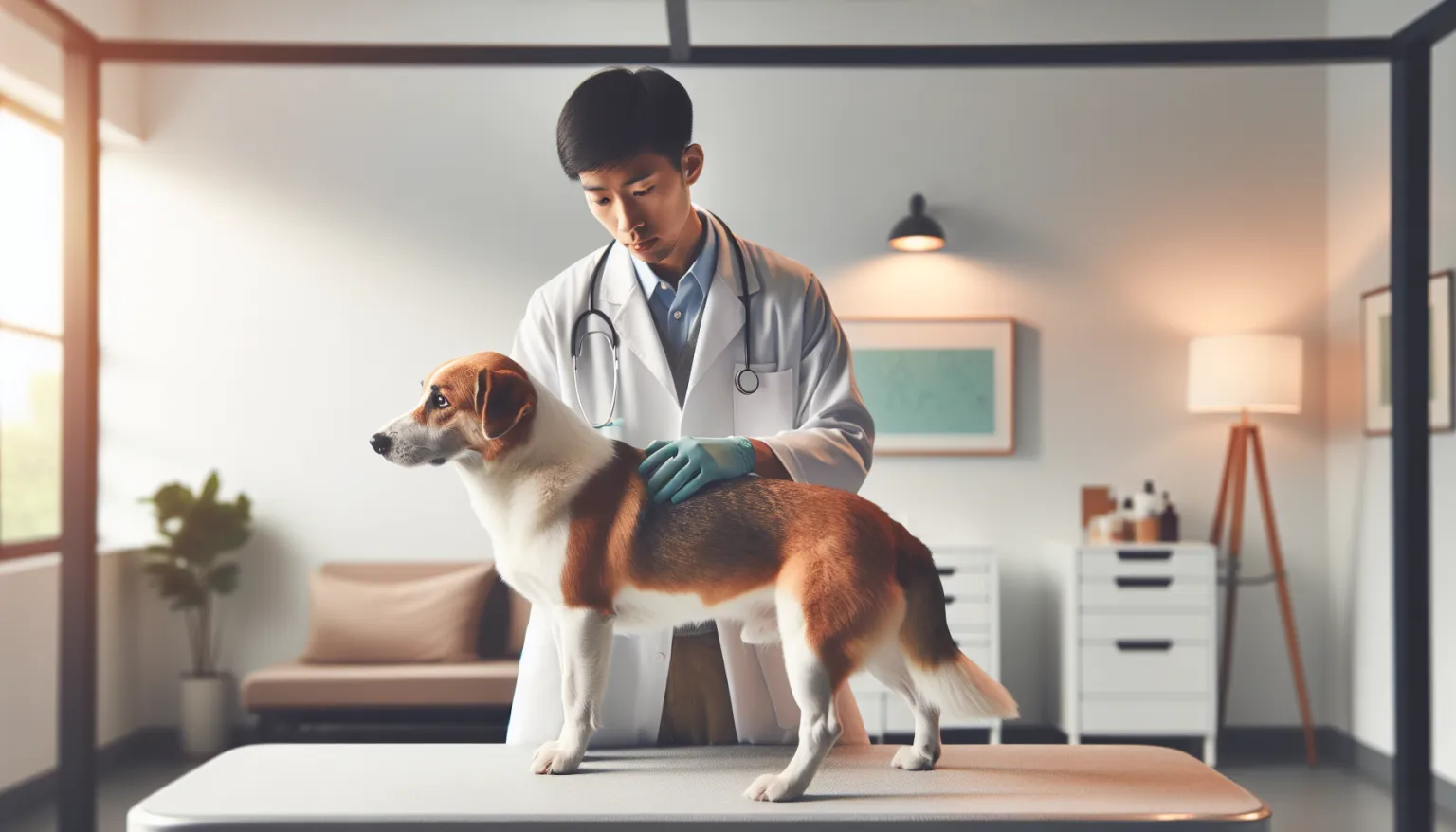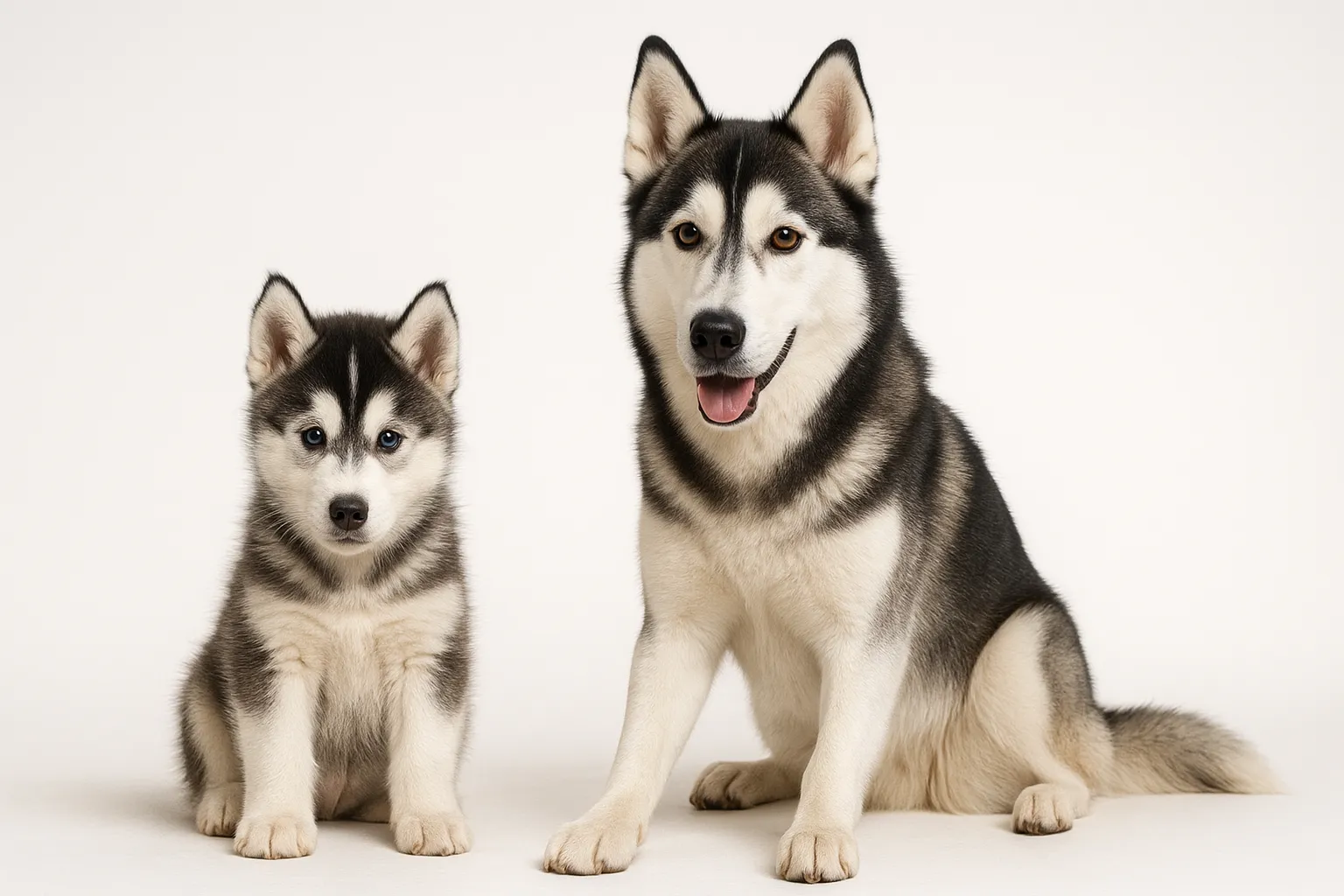
A Breed Built to Run — and Built to Hide Pain
Siberian Huskies were bred to pull sleds across frozen tundra for hours without complaint. That same stoicism makes them easy to love — and dangerously easy to underestimate medically. A Husky will keep running, keep playing, keep demanding your attention long after something has started going wrong inside.
With a typical lifespan of 12-14 years, Huskies age well relative to many working breeds. But that longevity potential depends on meeting their enormous physical and mental needs consistently. Not just on weekends. Not just when they remind you by destroying your couch.
What Quietly Shortens a Husky’s Life
- Eye disease that progresses undetected because early signs are subtle
- Hypothyroidism creeping in during middle age, masked by the breed’s natural energy
- Chronic under-stimulation triggering stress cycles that accelerate aging
- Joint decline from deconditioning or repetitive overload without adequate recovery
The Conditions That Matter Most
Eye Disease Starts Earlier Than You Expect
Huskies carry meaningful genetic risk for inherited and age-associated eye conditions. The challenge: early signs — occasional squinting, mild discharge, slight hesitation in dim light — look unremarkable. Schedule ophthalmic screening earlier than you think necessary. Catching problems while intervention can still protect vision long-term makes all the difference.
Hypothyroidism Hides Behind “Normal Aging”
When a middle-aged Husky starts gaining weight, losing coat quality, or slowing down, owners often shrug it off. Those three symptoms appearing together should prompt an endocrine workup, not a wait-and-see approach.
Anxiety Reflects Unmet Need, Not Bad Behavior
This breed needs both movement and purpose every single day. When Huskies develop destructive behavior, excessive vocalization, or stress reactivity, it rarely reflects a training failure. It reflects an unmet workload — a management problem with a management solution.
Arthritis Catches Athletic Dogs Too
High-activity dogs are not immune to joint decline. In fact, repetitive high-impact work without cross-training and recovery can accelerate it. Strength maintenance through varied, low-impact exercise protects mobility as your Husky ages.
Five Priorities That Move the Needle
- Daily structured activity combining aerobic work and cognitive challenge — not weekend-warrior bursts.
- Routine eye and endocrine screening starting in middle age, before symptoms appear.
- Weight trend monitoring despite their active profile, because calorie drift happens quietly.
- Mobility preservation through strength work and low-impact cross-training.
- Recovery quality: adequate sleep, decompression time, and heat management in warm months.
Body Composition: The Foundation of Husky Longevity
Body condition is the single most modifiable longevity factor for a Siberian Husky — every extra pound of fat amplifies risk across joints, heart, and metabolism simultaneously. As a medium breed bred for sustained physical output, body composition stability directly predicts orthopedic longevity and cardiovascular reserve.
This is a breed where muscle matters. Their history of weight-pulling and endurance work means muscle maintenance directly affects functional longevity — how well they move, recover, and adapt as they age.
Building Prevention Around the Right Conditions
Eye conditions, hypothyroidism, anxiety, and related age-associated decline represent the highest-yield clinical targets for this breed. Build your prevention strategy around early screening, fast treatment escalation when results warrant it, and sustained adherence to long-term management plans. The payoff is cumulative — small interventions, applied consistently, that compound over years.
Why Routine Matters More for Working Breeds
Daily consistency affects Huskies more than most breeds. Stable sleep windows, controlled activity progression, and clear social structure within the household prevent the kind of chronic stress that accelerates aging at a cellular level. If your Husky’s daily schedule looks different every day, their stress physiology reflects it.
Plan your vet visits before you need them, then compress the interval when your data shows something shifting. Early detection windows close faster than most owners expect.
Research Worth Reading
These evidence-based deep dives add mechanism-level context to your Husky’s longevity plan:
- Blood Pressure Monitoring in Dogs: The Silent Risk Most Owners Miss: ophthalmic screening guidelines and early intervention for heritable eye diseases.
- Elimination Diet Protocol for Dog Allergies: systematic allergy management including elimination diets and targeted immunotherapy.
- Senior Dog Screening Protocol: What to Test and When: evidence-based framework for structuring your breed-specific screening timeline.
Genetic Testing: A Starting Point, Not an Answer
Genetic testing should drive your monitoring strategy, not replace it. Use results to tighten surveillance windows and calibrate when you intervene. Consider OFA or PennHIP scoring to quantify orthopedic risk, and CERF eye exam or PRA gene testing to detect heritable eye disease early.
- Use a breed-appropriate genetic panel as your foundation, but remember that genetic risk is not the same as clinical disease. Serial veterinary observations bridge that gap.
- Tie your first monitoring plan to Eye Conditions and Hypothyroidism so test results change what you actually do.
- A running health log that combines lab work, clinical notes, and your daily observations gives your vet a clearer picture in five minutes than a full workup without history.
- Treat each annual exam as a chance to re-read your genetic data against fresh clinical findings. The same panel results carry different weight as your Siberian Husky ages.
A genetic test has the most value when it changes what you measure this quarter.
Breeding History Shapes Today’s Risks
Siberian Huskies were bred for endurance sled work across extreme conditions. That heritage gives them remarkable stamina and drive, but it also creates specific vulnerabilities.
- Sustained running load patterns demand proactive orthopedic surveillance. Pack-oriented temperament benefits from stable routines and careful arousal management.
- Prioritize surveillance around Eye Conditions, Hypothyroidism, and Anxiety based on breed-specific risk.
- When a mild concern surfaces more than once, the right response is earlier screening — not more watching and waiting.
- Course-correct regularly. The point of ongoing monitoring is not to confirm the original plan — it is to improve it as your dog’s health picture becomes clearer.
What the breed was built for tells you where to look. What your dog’s trend data shows tells you when to move.
Life-Stage Monitoring Timeline
- Puppy to 2 years: Controlled workload progression and joint-safe development. Build the foundation without overloading growing joints.
- 3 to 7 years: Annual preventive labs plus eye and endocrine trend review. This is when silent drift begins.
- 8+ years: Increased monitoring for cognition, mobility, and metabolic changes. Shorten the interval between assessments.
Veterinary Monitoring Milestones
- Puppy to 2 years: Establish baseline weight, behavior, mobility, and preventive-care routines specific to Siberian Husky.
- 3 to 8 years: Annual preventive labs and exams with targeted screening for early trends in eye conditions, hypothyroidism, and anxiety.
- 9+ years: Shift to semiannual monitoring and faster response to subtle appetite, stamina, breathing, or neurologic changes.
Longevity Outlook: The Long Run They Were Built For
A Siberian Husky at 13 that still demands your attention, still pulls toward the trail, still wakes up ready to challenge the world — that is not luck. That is the outcome of an owner who matched the breed’s intensity with equally intense prevention: daily structured activity that never became optional, eye exams that caught early changes before vision loss became permanent, thyroid checks that distinguished treatable disease from inevitable aging.
Huskies were bred to run vast distances through brutal conditions. Their bodies are designed for longevity under sustained workload. When owners meet that design with the right management, these dogs can maintain athletic function and cognitive sharpness deep into their senior years. When they do not — when exercise becomes sporadic, screening gets delayed, and stress builds without an outlet — the breed’s natural resilience masks decline until recovery is no longer possible.
The Drift Pattern Most Owners Miss
Early disease in Huskies almost always presents as low-grade changes that look like normal aging. By the time the problem is obvious, the intervention window has narrowed.
- Occasional squinting or mild discharge related to Eye Conditions that owners dismiss as temporary irritation
- Lethargy attributed to breed temperament or aging that actually signals Hypothyroidism progression
- Gradual escalation of Anxiety signs — destructive behavior, self-harm, or complete shutdown under stress — that become harder to reverse the longer they persist
If baseline function has been drifting for 7-10 days, treat it as a prevention failure signal. Reassess early.
High Endurance Masks Silent Decline
This is the core paradox of Husky health. Their baseline endurance and drive are so high that they compensate for problems other breeds would show immediately. Owners often notice something is wrong only after substantial drift in recovery or behavior.
Use recovery time, gait symmetry, and next-day stamina as your core metrics. When recovery degrades, reduce workload and reassess clinically before returning to full intensity. Enthusiasm during activity is not a reliable health indicator in this breed.
A 15-Minute Vet Visit Agenda for Husky Owners
Bring this to each preventive exam so decisions stay data-driven and nothing critical gets skipped:
- Confirm body condition score target and acceptable seasonal weight range.
- Review recovery metrics from home tracking: post-run recovery time, next-day stamina, and sleep quality.
- Ask whether current eye and thyroid screening cadence still fits your dog’s age and risk profile.
- Re-check heat management strategy for warmer months and high-output days.
- Define one concrete escalation trigger that should prompt a same-week recheck before the next annual visit.
Five Mistakes That Shorten Husky Healthspan
These errors repeatedly cost Huskies years despite good owner intentions:
- Treating high activity volume as proof that recovery is adequate
- Running intense weekend workloads after low-activity weekdays
- Normalizing low-light navigation hesitation until eye disease is advanced
- Delaying endocrine workup when coat quality, weight, and energy drift together
- Ignoring sleep fragmentation in dogs that appear physically “tired enough”
Condition-Specific Escalation Triggers
Use this checklist so subtle drift gets addressed before disease burden compounds:
- Eye Conditions: Track vision confidence, eye discharge, and redness. Escalate for pain signs, squinting, or sudden vision changes.
- Hypothyroidism: Track appetite, thirst/urination trend, and weight trajectory. Escalate for sustained drift over several days.
- Anxiety: Track anxiety triggers, recovery time, and baseline behavior stability. Escalate when behavior changes persist or intensify.
- Arthritis: Track gait symmetry, stair tolerance, and post-activity recovery. Escalate for persistent stiffness or mobility decline.
- Skin Allergies: Track itching load, skin lesions, and ear flare cycles. Escalate when flares persist despite baseline management.
12-Month Longevity Execution Plan
Use this quarterly framework to keep prevention proactive instead of reactive:
Quarter 1: Baseline and Risk Mapping
- Establish a documented baseline: body weight, gait video, resting respiratory rate, and daily energy patterns
- Have an explicit conversation with your vet about this breed’s top three health risks and what monitoring looks like for each
- Lock down feeding consistency — measured meals, capped treats, and clear household rules about who feeds what and when
Quarter 2: Adherence and Early Drift Control
- Check your adherence to the prevention plan from Q1 and close any gaps before they compound
- Flag anything that has shifted since baseline — even minor changes in weight, stamina, or behavior — and check it more frequently
- If you notice shifts in how your dog eats, moves, breathes, or engages with daily life, escalate to your vet rather than normalizing it
- Record an updated walking video and review it against the Q1 baseline for any changes in symmetry, stride length, or hesitation
Quarter 3: Midyear Reassessment
- Mid-year reality check: compare where your dog’s health markers are now against the Q1 baseline and adjust the plan accordingly
- Let the data from H1 guide your H2 screening schedule: tighten monitoring where trends are concerning, maintain where stable
- Reassess whether your dog’s exercise routine still matches their current fitness level, joint health, and seasonal tolerance
- Reassess joint supplement efficacy and adjust dosing or add modalities if stiffness persists
Quarter 4: Senior-Readiness Update
- Draft next year’s screening schedule using the trend summaries from all four quarters — every interval should be justified by data
- Make your escalation plan more breed-specific based on this year’s observations — generic warning signs are less useful than ones calibrated to your dog
- Write down the specific actions and screening checkpoints for next year so the plan is concrete, not aspirational
When to Seek Emergency Care
Seek same-day veterinary care if you notice any of the following:
- Complete food refusal combined with unusual stillness, hiding, or reluctance to engage
- Labored breathing, collapse, or any abrupt change in neurologic function — these are never safe to watch at home
- Unrelenting vomiting, abdominal tenderness, or any sudden change in abdominal shape or firmness
- Sudden loss of function: inability to bear weight, visible distress during movement, or refusal to stand
This Year’s Highest-Yield Actions
Focus on the prevention actions that deliver the most return for your Siberian Husky. Review progress every quarter and adjust with your veterinarian based on trend data and exam findings.
- Meet high exercise needs every day to protect metabolic health
- Monitor eyes and thyroid function during middle age
- Use enrichment to prevent chronic stress and behavior decline
Monthly Home Tracking Dashboard
Your home observations catch things that vet visits miss between appointments. Track monthly:
- Body weight on the same scale, at the same time of day, with body-condition score comparison
- How reliably your dog eats and drinks, and whether stool or urination patterns have shifted
- Visual tracking, bumping into objects, or hesitation in low light
- Eye clarity, discharge, or squinting patterns
- Willingness to engage in usual physical activity and time needed to return to baseline afterward
- Sleep patterns, behavioral consistency, and interest in interaction with people and other animals
- Condition-specific early drift markers tied to eye conditions, hypothyroidism, anxiety
Nutrition: Fueling Endurance Without Calorie Drift
Siberian Husky nutrition should support endurance without hidden calorie creep. Use Feeding Guide for Medium Breeds to define stable intake structure, then calibrate macronutrient strategy with High-Protein Diets Safety when workload or life stage changes.
The most common nutritional mistake with Huskies: weekend workload spikes paired with weekday overfeeding. That mismatch creates avoidable metabolic drift that accumulates quietly over months.
Frequently Asked Questions
Do active Huskies still need strict calorie measurement? Yes. High activity does not prevent slow intake drift, especially during seasonal training changes. Even the most active Husky can gain weight gradually if portions shift with the seasons and treats go untracked.
Should I increase protein automatically for every active Husky? Not automatically. Protein strategy should match your dog’s age, workload, tolerance, and medical context. A blanket increase can stress kidneys in older dogs or those with subclinical issues.
Can high endurance mask early health decline in this breed? Yes. Recovery metrics — how long it takes to return to baseline after exertion — are far more informative than enthusiasm during activity.
How often should I reassess diet during seasonal shifts? At each major activity or climate shift, and sooner if weight, coat, or recovery trends change. For most Huskies, that means four dietary check-ins per year minimum.
What household nutrition error causes most Husky drift? Unstructured treats and inconsistent feeding across caregivers. When multiple people feed the dog without a shared plan, calorie creep is almost guaranteed.
References
[1] AKC Siberian Husky Breed Information [2] Life expectancy, mortality, and longevity in companion dogs (Scientific Reports, 2024) [3] AAHA Canine Life Stage Guidelines [4] Merck Veterinary Manual [5] Dog Aging Project
Related reads
Related Reading
Continue exploring