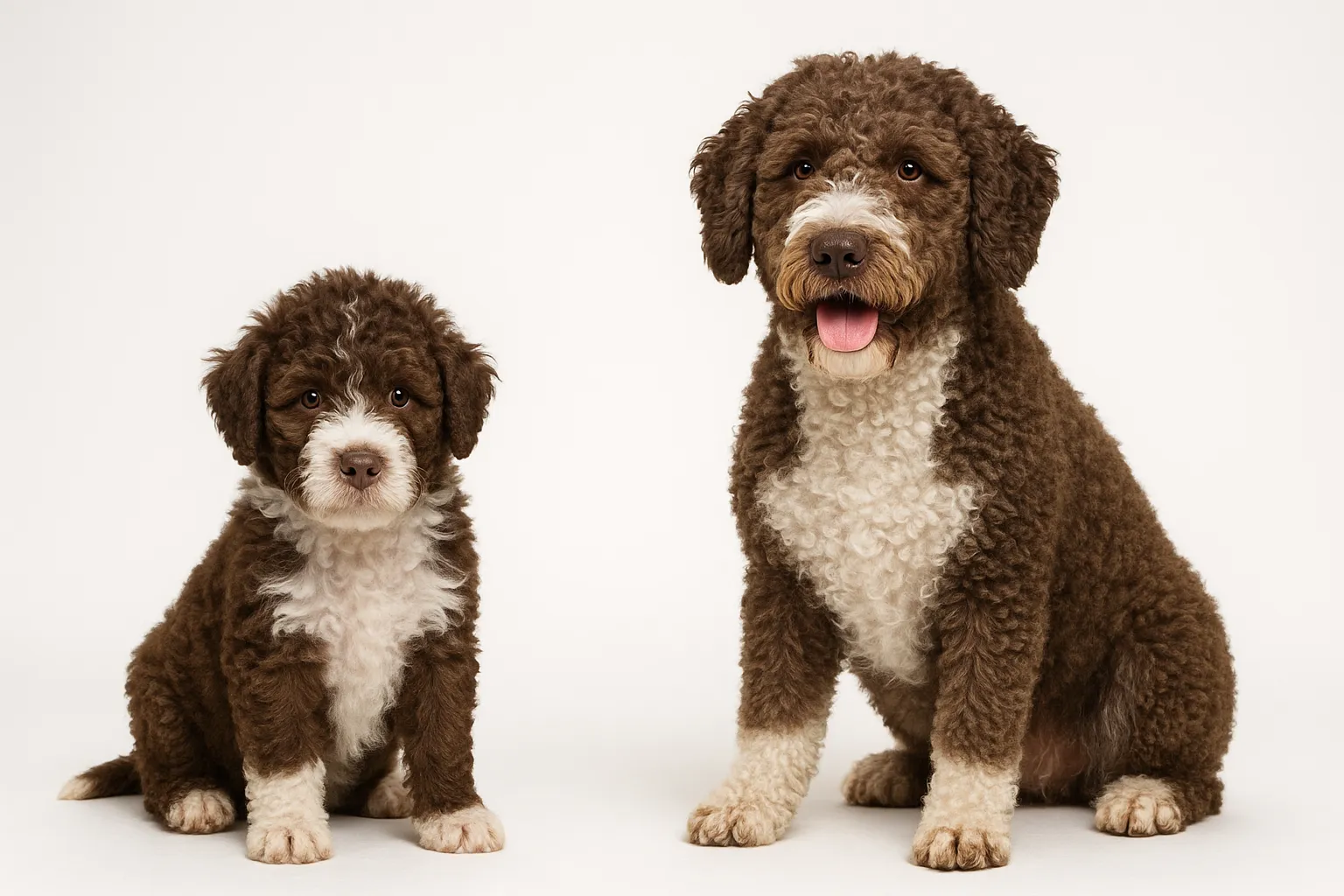
Herder, Retriever, Guardian — and a Glaucoma Risk That Demands Attention
The Spanish Water Dog — Perro de Agua Espanol — has been herding sheep, retrieving waterfowl, and guarding farmsteads across the Iberian Peninsula for centuries. At 30-49 lbs with a curly or corded coat, these dogs are athletes built for versatility. Their ancient working heritage supports good longevity: 12-14 years is typical for the breed.
The health profile is moderate overall, but three conditions deserve close attention. Hip dysplasia is the primary structural concern. Progressive retinal atrophy is documented with DNA testing available. And primary glaucoma — an inherited elevation of intraocular pressure causing optic nerve damage and blindness — appears at elevated rates. That last one is serious. Exocrine pancreatic insufficiency (EPI) has also been reported in some lines.
The Health Conditions That Define This Breed
Hip Dysplasia
Hip dysplasia is the primary orthopedic concern in Spanish Water Dogs. OFA hip evaluation at 24 months provides the structural baseline for all breeding decisions and informs lifetime management. Lean body condition throughout life reduces clinical severity. For a breed with this much working drive, hip integrity directly determines how much exercise and enrichment the dog can sustain.
See the Hip Dysplasia guide for full prevention and management detail.
Progressive Retinal Atrophy
PRA is documented in Spanish Water Dogs. DNA testing for prcd-PRA and breed-specific mutations is available and recommended for all breeding stock. Annual CAER exams provide clinical surveillance. The disease causes progressive bilateral vision loss beginning with night blindness. Responsible breeders test before pairing and avoid producing affected offspring.
See the Progressive Retinal Atrophy guide for full prevention and management detail.
Primary Glaucoma
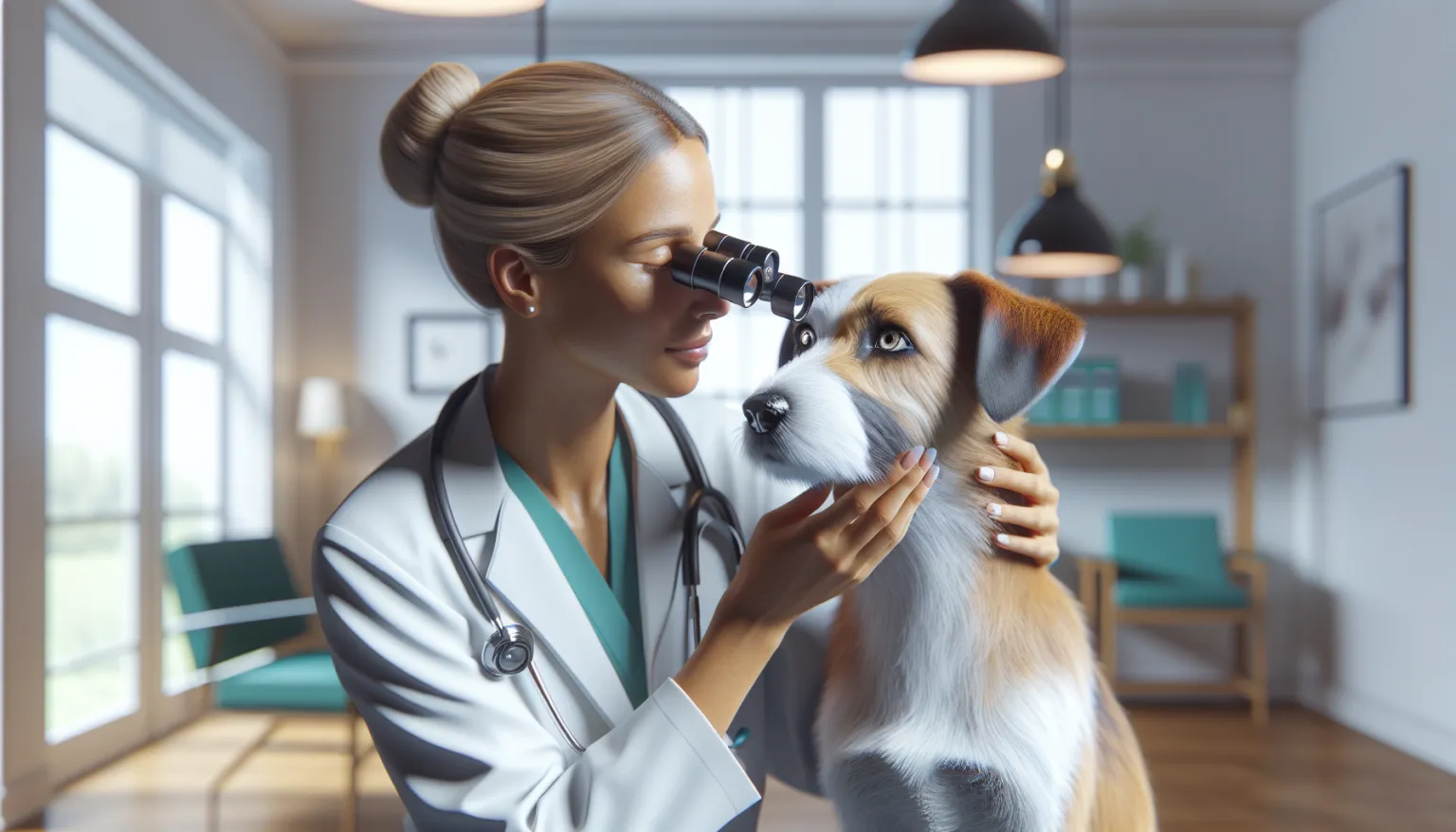
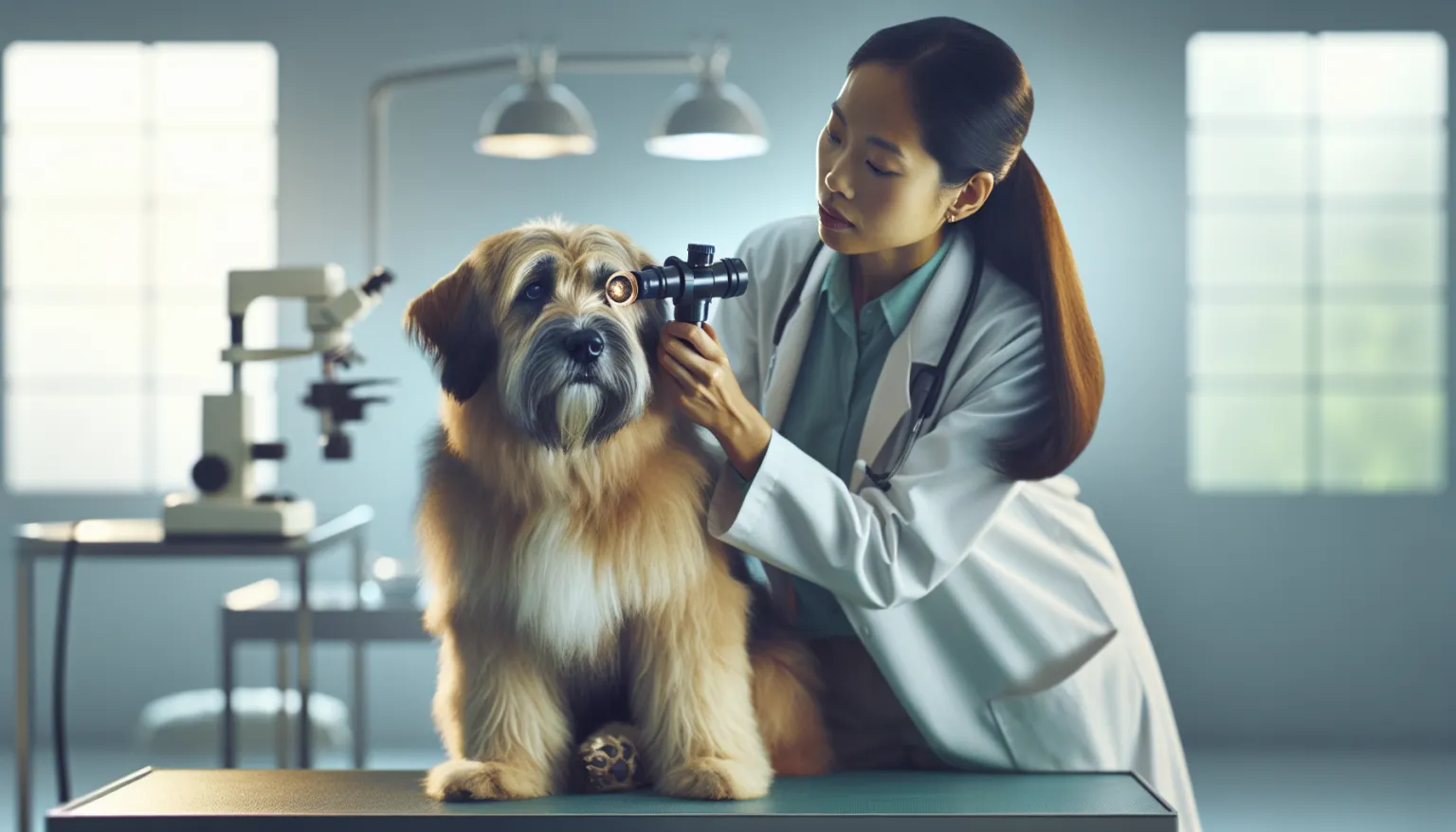
Primary glaucoma deserves special attention in this breed. It is an inherited elevation of intraocular pressure that damages the optic nerve, and it occurs at documented elevated rates in Spanish Water Dogs. Annual tonometry (IOP measurement) from age 3 screens for elevated pressure before vision loss occurs.
Know the acute signs: eye pain (squinting), corneal cloudiness, apparent vision loss. Acute glaucoma is a same-day veterinary emergency. Gonioscopy — examining the drainage angle — identifies dogs at increased glaucoma risk before pressure elevation occurs.
See the Primary Glaucoma guide for full prevention and management detail.
Science-Backed Longevity Strategies
Glaucoma Monitoring Protocol
Primary glaucoma is one of the most serious inherited conditions in this breed. Elevated intraocular pressure causes irreversible optic nerve damage and blindness if undetected. Annual tonometry should begin at age 3 for all Spanish Water Dogs. Gonioscopy at purchase or at first CAER exam identifies dogs with narrow drainage angles at elevated risk.
IOP above 25 mmHg warrants immediate ophthalmological evaluation. Medically controlled glaucoma with daily topical medications can preserve vision significantly longer than untreated disease. The difference between catching this early and catching it late is often the difference between sight and blindness.
Versatile Water Dog Enrichment
Spanish Water Dogs were bred for an extraordinary range of tasks — herding across varied terrain, retrieving from water, guarding farmsteads. That versatility means they can be channeled into almost any dog sport: herding, water retrieval, agility, nose work, obedience, tracking. They have high natural retrieving drive and a genuine love of water.
Daily vigorous exercise (60+ minutes) and mental engagement are requirements, not suggestions. A bored Spanish Water Dog is a destructive one.
Corded Coat Care
The Spanish Water Dog’s coat can be maintained as loose curls (clipped periodically) or allowed to cord naturally, resembling a Komondor or Puli. The cording process begins at approximately 12 months and requires careful management of each cord to prevent matting.
The corded coat should never be brushed — only separated if cords begin to connect at their base. Bathing corded coats requires thorough rinsing and very slow air drying (24+ hours). Many owners prefer periodic clipping for practical management, and there is no health disadvantage to doing so.
Priority Actions for a Longer Life
These are the investments that pay the highest longevity dividend for a Spanish Water Dog:
- OFA hip evaluation at 24 months — hip dysplasia is the primary orthopedic concern
- Annual CAER eye exam and DNA testing for PRA — multiple eye conditions documented in the breed
- Monitor intraocular pressure — primary glaucoma documented in Spanish Water Dogs
Use these priorities to structure your veterinary conversations and home monitoring routine. The condition guides — Hip Dysplasia, Progressive Retinal Atrophy Pra, Eye Conditions — provide the clinical detail behind each recommendation.
Evidence-Based Longevity Priorities
Body Composition and Muscle Maintenance
Body composition control predicts long-term function more reliably than most other single factors in Spanish Water Dogs. Composition stability directly predicts orthopedic longevity and cardiovascular reserve. Sustained herding-style movement patterns demand stable muscle-to-fat ratios for long-term joint health.
Condition-Focused Prevention Stack
The highest-return prevention investments target Hip Dysplasia, Progressive Retinal Atrophy Pra, and Eye Conditions. Early action preserves the widest range of treatment options — waiting narrows them irreversibly.
Behavior, Stress Load, and Recovery
Spanish Water Dogs maintain better long-term stability when workload, recovery, and mental stimulation are intentionally balanced. Without structured cognitive engagement, these dogs often develop compulsive behaviors or chronic stress patterns that erode healthspan from the inside out.
Preventive Screening Cadence
Do not wait for a crisis to prompt a vet visit. Scheduled screening intervals — tied to the breed’s specific risk profile — catch the kind of slow, subtle drift that crisis-driven care consistently misses.
Breed-Specific Research
Use these evidence deep dives to add mechanism-level context to your Spanish Water Dog longevity plan:
- Genetic Testing For Dogs Clinical Roi: PRA and glaucoma genetic testing in Spanish Water Dogs
- Hip Dysplasia Lifetime Load Management: hip dysplasia management in a versatile medium working breed
- Annual Wellness Testing Protocol For Dogs: intraocular pressure monitoring protocol for glaucoma surveillance
The Role of Genetic Testing in Prevention
In Spanish Water Dogs, genetic testing delivers the most value when results link to monitoring cadence and owner execution rather than serving as predictive certainty. MDR1 gene testing to guide medication safety and hip/elbow scoring (OFA or PennHIP) to quantify orthopedic risk are strong starting points.
- Run a breed-relevant panel and convert the findings into a concrete monitoring timeline. Results that do not change your screening calendar were not worth running.
- Build your initial monitoring playbook around Hip Dysplasia and Progressive Retinal Atrophy Pra, so that every test result feeds into a specific follow-up action.
- The most important insights about your Spanish Water Dog’s health emerge from longitudinal data, not isolated visits. Keep a continuous record that connects genetic results, lab findings, and what you observe at home.
- Genetic results mean different things at different ages. What looked like a low-risk finding at two years old may deserve closer monitoring by age seven when the clinical picture has changed.
Results without follow-through are noise. Results that change your screening schedule, your daily observations, or your intervention threshold — those are signal.
Breeding History & Health Implications
Spanish Water Dogs were bred for sustained movement, vigilance, and rapid decision-making under workload. That working heritage created a practical risk profile that structured prevention can address.
- Skeletal and joint loading from this breed’s conformation creates predictable wear patterns that proactive screening can catch early.
- Direct your monitoring attention first to Hip Dysplasia, Progressive Retinal Atrophy Pra, Eye Conditions — these are the risks that the breed’s working history and health data identify as most likely.
- When you see the same subtle finding twice — a slight limp, a missed meal, a slower recovery — treat it as a signal, not a coincidence. Tighten your monitoring before it compounds.
- Prevention strategies that never get updated become prevention rituals. Revisit yours regularly and adjust based on what the data actually shows.
Use breeding history to build the initial watchlist. Use your dog’s own health trends to decide when surveillance becomes intervention.
Age-Based Monitoring Milestones
- Puppy: prcd-PRA DNA testing, CAER exam baseline
- 2 years: OFA hip evaluation, CAER exam with gonioscopy, annual IOP measurement established
- 3-8 years: annual CAER exam with IOP, wellness bloodwork every 2 years
- 9+ years: biannual senior panel, annual eye monitoring, mobility assessment
Nutritional Priorities for Healthspan
Spanish Water Dogs do well on quality medium-breed adult food. Their active working heritage requires caloric intake calibrated to actual exercise output — not estimated exercise output. Lean body condition supports hip health and overall longevity. Omega-3 supplementation supports coat, joint, and eye health. Regular dental care complements feeding in a medium breed prone to periodontal disease.
The Healthspan Horizon
Spanish Water Dogs with OFA hip screening, comprehensive eye surveillance (PRA testing and annual IOP measurement), and appropriate high-energy working enrichment can achieve their full longevity potential of 12-14 years. Their ancient Iberian heritage supports good functional health. Give them the work they were bred for, monitor the risks that come with the genetics, and these dogs deliver.
Most-Missed Early Drift Pattern
Long-term decline in Spanish Water Dogs often starts as small changes that owners normalize too quickly:
- Subtle hind-limb stiffness after rest related to Hip Dysplasia that owners dismiss as temporary soreness
- Intermittent signs tied to Progressive Retinal Atrophy Pra — hesitation in dim environments, reluctance to navigate unfamiliar spaces
- Gradual drift toward Eye Conditions signs that become harder to reverse: visible cloudiness, chronic redness, or navigation difficulty
If baseline function is drifting for 7-10 days, treat it as a prevention failure signal and reassess early.
Additional Health Risks to Monitor
Based on breed predisposition data, Spanish Water Dog owners should also be aware of:
Frequently Asked Questions
How long do Spanish Water Dogs live?
Spanish Water Dogs typically live 12-14 years. OFA hip evaluation, prcd-PRA genetic testing, and annual intraocular pressure monitoring for glaucoma are the primary longevity investments.
What is primary glaucoma in Spanish Water Dogs?
Primary glaucoma is an inherited condition causing elevated intraocular pressure (IOP) that damages the optic nerve and causes vision loss. Annual IOP measurement screens for early elevation. Acute glaucoma — sudden extreme IOP elevation — is a same-day ophthalmic emergency causing rapid irreversible vision loss without immediate treatment.
Are Spanish Water Dogs related to Poodles?
Spanish Water Dogs and Poodles are not directly related despite their curly coats. The Spanish Water Dog’s curly coat is a functional adaptation to aquatic work, while the Poodle developed separately in Germany/France. Both are ancient working water dogs but with distinct lineages.
Can Spanish Water Dog coats be corded?
Yes — Spanish Water Dog coats can be allowed to cord naturally, resembling a Puli or Komondor in adult form. The cording process requires specialized management. Many owners prefer periodic clipping for practical maintenance.
Are Spanish Water Dogs good family dogs?
Spanish Water Dogs are loyal, energetic, and versatile — excellent family dogs for active owners. Their working drive and high energy require committed exercise and mental engagement. They tend to be reserved with strangers, with early socialization shaping more tolerant adult behavior.
References
[1] Spanish Water Dog Club of America. spanishwaterdogclub.org. [2] Primary glaucoma in Spanish Water Dogs: Ahonen SJ et al. Vet Ophthalmol. 2014. [3] OFA health statistics. ofa.org. [4] AKC breed information. akc.org. [5] FCI breed recognition 1999: FCI standard N° 336.
Related reads
Related Reading
Continue exploring