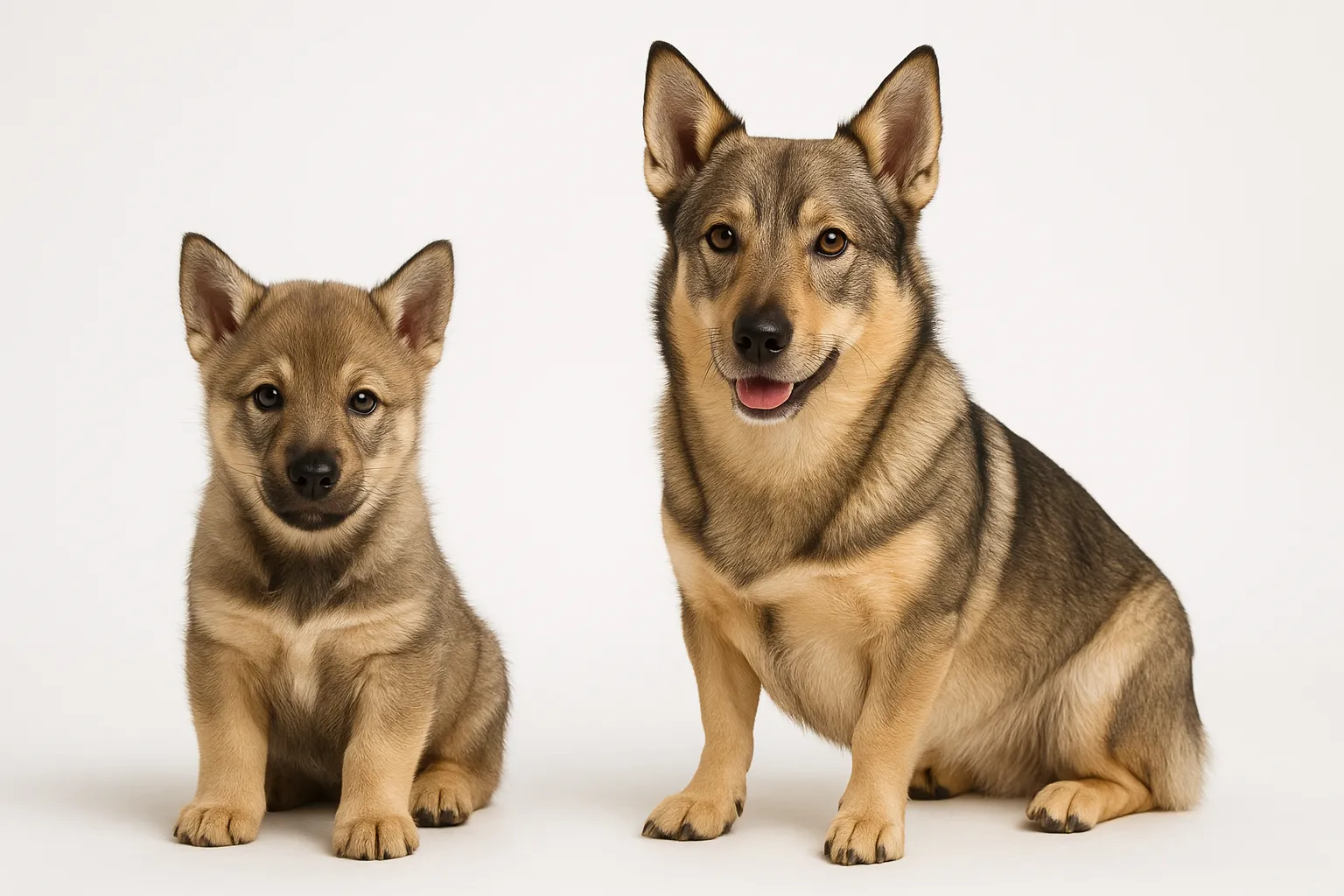
Viking-Era Genetics — and a Breed-Specific Eye Condition Found Nowhere Else
The Swedish Vallhund carries genetics that may predate the Vikings. This ancient Norse herding breed — with possible ancestral links to early Scandinavian dog populations and debated connections to Welsh Corgis through Viking-era trade routes — is low-set, fiercely energetic, and built for work. At 20-35 lbs, they typically live 12-15 years.
The breed’s defining health concern is a unique form of progressive retinal atrophy called Vallhund retinopathy, for which a DNA test (CNGA1 mutation) is available. Hip dysplasia and epilepsy are secondary concerns. Working heritage has maintained reasonable genetic health, but that one breed-specific eye condition demands attention from every owner and breeder.
The Conditions to Watch For
Swedish Vallhund Retinopathy
Vallhund retinopathy is a breed-specific progressive retinal condition caused by a CNGA1 gene mutation. DNA testing sorts dogs into clear, carrier, and affected categories.
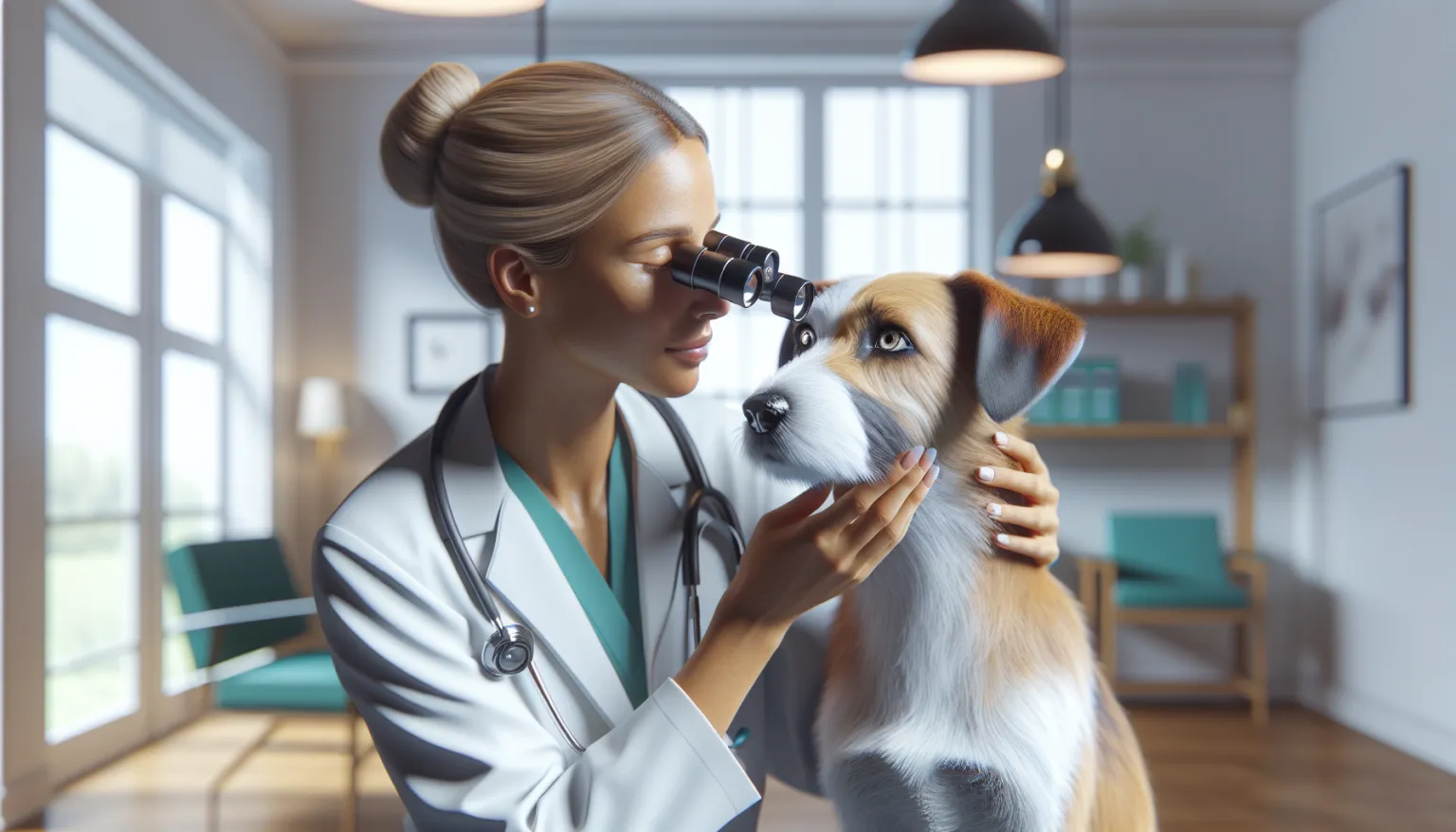
Affected dogs develop progressive vision loss beginning with reduced night vision and advancing to full blindness. Annual CAER exams track progression. Vision-affected Vallhunds adapt well with consistent environmental management — these are tough, resourceful dogs.
See the Swedish Vallhund Retinopathy guide for full prevention and management detail.
Hip Dysplasia
Hip dysplasia occurs in Swedish Vallhunds at moderate rates. OFA hip evaluation at 24 months establishes a structural baseline. Lean body condition and controlled exercise during growth reduce severity even in genetically predisposed dogs.
See the Hip Dysplasia guide for full prevention and management detail.
Epilepsy
Epilepsy occurs at above-average rates in this breed. Dogs with confirmed epilepsy are managed with anticonvulsant medication and monitoring of drug levels and liver function every 6 months. The breed club maintains epilepsy reporting databases to track prevalence across the population.
See the Epilepsy guide for full prevention and management detail.
What the Evidence Says About Living Longer
Retinopathy Testing and Management
DNA testing for Vallhund retinopathy should be performed on all breeding dogs, and buyers should request results for both parents. Affected dogs (two copies of the mutation) will develop progressive vision loss, though the rate varies.
Annual CAER exams track progression and inform home management adjustments. When vision decline begins, keep the home environment consistent, use scent and sound cues, and avoid off-leash activity in unfamiliar areas. These adaptations support strong quality of life even as vision narrows.
Working Breed Exercise Management
Vallhunds are high-energy herding dogs that need substantial daily exercise and mental stimulation. They excel in herding trials, agility, flyball, and rally. Without adequate outlet, behavioral problems from pent-up energy are predictable.
Their exercise capacity typically stays high into middle age, with a gradual transition needed as they approach 10-12 years. Daily structure — consistent exercise, training, and mental engagement — is as important for Vallhund longevity as any medical intervention.
Epilepsy Monitoring Framework
For Vallhunds diagnosed with epilepsy, a seizure log is the most valuable monitoring tool available. Record seizure date, time, duration, character, and recovery period. This data allows trend identification and guides medication adjustments.
Most Vallhunds with epilepsy are well-controlled on phenobarbital or potassium bromide. Phenobarbital requires liver function monitoring every 6 months given hepatotoxicity risk with long-term use.
Priority Actions for a Longer Life
For most Swedish Vallhund owners, these are the actions that will matter most:
- DNA testing for Vallhund-specific retinopathy (CNGA1 mutation) — a breed-specific inherited eye condition
- Annual CAER eye exam to monitor retinal health throughout life
- OFA hip evaluation at 24 months — moderate hip dysplasia prevalence in the breed
Anchor your next vet conversation to these targets and recalibrate every quarter. For prevention and management details by condition, use Progressive Retinal Atrophy Pra, Hip Dysplasia, Seizures Epilepsy.
Evidence-Based Longevity Priorities
Body Composition and Muscle Maintenance
Body composition control predicts long-term function more reliably than most other single factors in this breed. Lean mass retention becomes critical around middle age when metabolic rate slows. Herding dogs with sustained movement patterns need stable muscle-to-fat ratios for long-term joint health.
Condition-Focused Prevention Stack
The highest-return prevention targets are Progressive Retinal Atrophy Pra, Hip Dysplasia, and Seizures Epilepsy. Intervening early keeps your treatment options open and prevents the compounding damage that delay invites.
Behavior, Stress Load, and Recovery
Household rhythm matters with Vallhunds. Consistent activity windows, controlled arousal, and deliberate downtime prevent the chronic vigilance patterns that accelerate cognitive and physical aging in herding breeds.
Preventive Screening Cadence
Routine screening intervals tied to orthopedic function and gait quality catch subtle drift before it compounds. Planned screening catches what observation misses. By the time a health change is obvious enough to motivate an unscheduled vet visit, the window for early intervention has often already narrowed.
Breed-Specific Research
Use these evidence deep dives to add mechanism-level context to your Swedish Vallhund longevity plan:
- Genetic Testing For Dogs Clinical Roi: Vallhund retinopathy DNA testing decisions for owners and breeders
- Exercise Protocols By Breed Size: exercise management for a high-energy small herding breed
- Senior Dog Screening Protocol: extended senior monitoring for a 12-15 year lifespan breed
Making Genetic Testing Actionable
Genetic testing delivers the most value when results directly change what gets measured, how often, and what triggers escalation. Consider MDR1 gene testing to guide medication safety and hip and elbow scoring (OFA or PennHIP) to quantify orthopedic risk.
- Target your testing to the conditions this breed actually gets. Then track findings over time — a genetic predisposition only matters when clinical evidence starts to confirm it.
- Connect your first monitoring protocol to Progressive Retinal Atrophy Pra and Hip Dysplasia — these are the conditions where test results should directly change what you do next.
- A running health log that combines lab work, clinical notes, and your daily observations gives your vet a clearer picture in five minutes than a full workup without history.
- The right monitoring cadence at two years old is wrong at nine. Recalibrate at every life-stage transition and whenever you see sustained drift in energy, appetite, or mobility.
Testing is only as good as the decisions it drives. If nothing changes after you get the results, the test was premature or unnecessary.
Breeding History & Health Implications
The Vallhund was bred for sustained movement, vigilance, and rapid decision-making under workload. That heritage shaped structural load patterns requiring proactive orthopedic surveillance and a temperament sensitivity that benefits from stable routines and arousal management.
- Prioritize surveillance based on breed heritage — Progressive Retinal Atrophy Pra, Hip Dysplasia, Eye Conditions are the highest-probability targets that history and data both point to.
- The owner who notices “something is slightly off for the third time this month” catches problems earlier than the one waiting for an obvious crisis.
- Course-correct regularly. The point of ongoing monitoring is not to confirm the original plan — it is to improve it as your dog’s health picture becomes clearer.
Start with what the breed’s history predicts. Adjust based on what your Swedish Vallhund’s body actually shows over time.
Age-Based Monitoring Milestones
- Puppy: retinopathy DNA test, CAER baseline, OFA at 24 months
- 2-8 years: annual CAER exam, wellness panel, epilepsy log if diagnosed
- 9+ years: senior panel every 6 months, vision function monitoring, cognitive assessment
Fuel for the Long Run
Vallhunds do well on quality small to medium breed adult food. Working dogs may need higher calorie intake, while sedentary household dogs require portion management to prevent obesity. Lean body condition supports both joint and retinal health. Omega-3 supplementation may provide modest support for eye and general health.
Your Long-Term Health Trajectory
Swedish Vallhunds with retinopathy DNA testing, annual CAER exams, and hip screening are well-positioned for long, active lives in the 12-15 year range. Their ancient Norse genetics and working dog constitution provide an excellent foundation — one that rewards consistent preventive care with years of vitality.
Most-Missed Early Drift Pattern
Healthspan erosion in Vallhunds typically begins with subtle shifts that owners rationalize:
- Hesitation at dusk or bumping into furniture in dim light — early signs of Progressive Retinal Atrophy Pra
- A bunny-hopping gait or reluctance to jump that signals Hip Dysplasia progression
- Visible cloudiness, chronic redness, or navigation difficulty pointing to Eye Conditions that become harder to reverse
A week of consistent deviation from your dog’s normal baseline is not a fluctuation. It is a signal that warrants veterinary reassessment.
Additional Health Risks to Monitor
Based on breed predisposition data, Swedish Vallhund owners should also be aware of:
Frequently Asked Questions
How long do Swedish Vallhunds live?
Swedish Vallhunds typically live 12-15 years. Retinopathy DNA testing and annual eye exams are the most important breed-specific longevity investments.
What is Swedish Vallhund retinopathy?
A breed-specific progressive retinal condition caused by a mutation in the CNGA1 gene. DNA testing identifies affected dogs. Affected individuals develop progressive vision loss. The condition is manageable with environmental adaptation.
Are Swedish Vallhunds good herding dogs?
Yes — Vallhunds are natural herders with strong instinct and trainability. They are used in herding trials and excel at cattle work. In households without livestock, their herding instinct requires appropriate outlet through structured exercise and working dog sports.
Are Swedish Vallhunds related to Welsh Corgis?
The relationship is debated. They share similar low-set herding dog body plans and may share Norse-Celtic ancestry from Viking Age trade routes. Genetic studies suggest they are distinct populations rather than directly related breeds.
Are Swedish Vallhunds good family dogs?
Vallhunds are loyal, playful, and energetic — they do well with active families that can meet their significant exercise and mental stimulation needs. They may attempt to herd children and small animals, which requires management.
References
[1] Swedish Vallhund Club of America. swedishvallhund.com. [2] Vallhund retinopathy CNGA1: Goldstein O et al. PLOS One. 2013. [3] OFA health statistics by breed. ofa.org. [4] AKC breed standards. akc.org. [5] WSAVA nutrition guidelines. wsava.org.
Related reads
Related Reading
Continue exploring