The Fastest Coonhound — With a Clean Genetic Slate
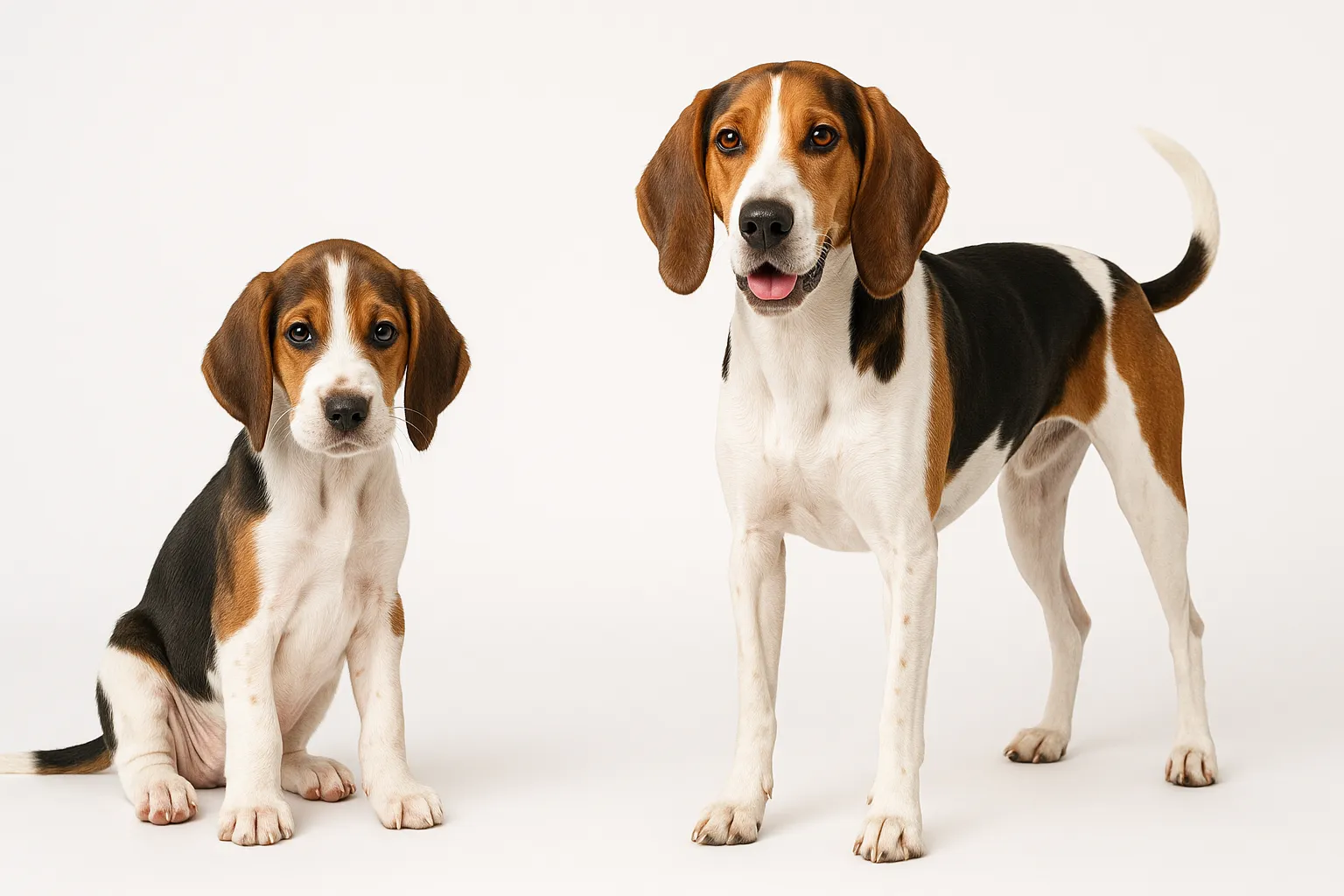
The Treeing Walker Coonhound is built for one thing: speed in pursuit. Among the fastest of the coonhound breeds, these athletic American scent hounds were bred specifically for treeing game — raccoon, opossum, squirrel — and they remain one of the most popular working coonhound breeds in the United States.
At 50-70 lbs with typical lifespans of 12-13 years, Treeing Walkers reflect the general health robustness of American coonhound breeds. No prominent high-penetrance breed-specific genetic disorders have been documented as of 2026. Hip dysplasia, chronic ear infections, and GDV are the primary management concerns — all preventable or manageable with consistent care.
Key Health Challenges
Hip Dysplasia
Hip dysplasia occurs at rates typical for large working hounds. OFA hip evaluation at 24 months establishes a structural baseline. Lean body condition and omega-3 supplementation support joint health throughout life.
See the Hip Dysplasia guide for full prevention and management detail.
Ear Infections (Otitis Externa)
Those pendulous hound ears are not just aesthetic. They trap moisture, limit airflow, and create a warm environment that bacteria and yeast thrive in. Weekly inspection and cleaning with veterinarian-recommended cleansers prevent infection. For working dogs, post-hunt and post-water cleaning is essential. Persistent infections require culture-guided veterinary treatment.
See the Ear Infections (Otitis Externa) guide for full prevention and management detail.
Bloat (GDV)
The deep-chest large-breed anatomy creates GDV risk. Prophylactic gastropexy at spay/neuter prevents the volvulus component. Feeding twice daily and avoiding vigorous exercise after meals provide additional protection. GDV is a life-threatening emergency where minutes matter.
See the Bloat (GDV) guide for full prevention and management detail.
What Actually Moves the Needle
Athletic Maintenance for Working Hounds
Treeing Walker Coonhounds were bred for speed and endurance. Maintaining athletic fitness through regular vigorous exercise — running, hiking, field work — preserves the muscle mass that protects joints and supports cardiovascular health.
The flip side is equally important: a sedentary household Treeing Walker is at significantly higher risk for obesity, which compounds hip dysplasia progression and shortens lifespan. These dogs need to move.
Ear Care as Lifelong Discipline
Weekly ear care is non-negotiable for this breed. Pendulous ear anatomy combined with regular field exposure to moisture and debris makes infection a persistent risk. Establish a post-hunt routine that includes ear inspection and cleaning.
Owners who delay treatment of early ear infection signs allow progression to chronic otitis — more difficult, more expensive to manage, and potentially involving middle ear complications. Early treatment is always cheaper than late treatment.
Secure Containment as Longevity Intervention
Treeing Walker Coonhounds have an extremely strong prey drive and tracking instinct. They are escape artists. They cannot be trusted off-leash in unsecured environments.
A 6-foot fence is the minimum — many Treeing Walkers can climb or jump lower barriers. Injuries from escaping and traffic encounters are a significant non-disease mortality factor for this breed. Containment is literally a longevity intervention.
The Longevity Priorities That Move the Needle
If you focus on three things for your Treeing Walker Coonhound, make it these:
- OFA hip evaluation at 24 months given moderate hip dysplasia prevalence
- Weekly ear cleaning — pendulous hound ears create persistent infection risk throughout life
- Prophylactic gastropexy given deep-chest large breed GDV risk
Use these priorities to structure your veterinary conversations and home monitoring routine. The condition guides — Hip Dysplasia, Ear Infections, Bloat — provide the clinical detail behind each recommendation.
Evidence-Based Longevity Priorities
Body Composition and Muscle Maintenance
The relationship between body condition and lifespan in Treeing Walker Coonhound dogs is direct: lean dogs live longer with fewer chronic diseases, and the data is unambiguous. In a large breed, joint load and metabolic strain rise quickly when body composition drifts. These pursuit athletes need sustained lean mass to preserve joint function and cardiovascular efficiency.
Condition-Focused Prevention Stack
The highest-return prevention targets are Hip Dysplasia, Ear Infections, and Bloat. Proactive response to early signals preserves interventions that become unavailable once conditions progress.
Behavior, Stress Load, and Recovery
Treeing Walkers maintain better stability when scent enrichment, controlled exercise, and recovery time are deliberately balanced. Without adequate sensory engagement, these scent-driven dogs may develop chronic stress or obsessive patterns that accelerate aging.
Preventive Screening Cadence
Use planned veterinary reassessment intervals, then tighten cadence when trend logs show drift in orthopedic function or gait quality. Early intervention windows are where most healthspan gains are made.
Breed-Specific Research
Use these evidence deep dives to add mechanism-level context to your Treeing Walker Coonhound longevity plan:
- Exercise Protocols By Breed Size: exercise management for large athletic working hound breeds
- Canine Obesity And Lifespan Evidence: weight management evidence for working breeds with risk of household sedentary weight gain
- Annual Wellness Testing Protocol For Dogs: wellness monitoring framework for healthy working hound breeds
From Genetic Data to Monitoring Decisions
The practical value of genetic testing in Treeing Walkers comes from linking results to monitoring cadence and owner execution rather than treating test data as predictive certainty. Consider hip and elbow scoring (OFA or PennHIP) to quantify orthopedic risk and CERF eye exam or PRA gene testing to detect heritable eye disease.
- Run a genetic panel that targets the conditions most common in Treeing Walker Coonhounds. Treat the results as a monitoring guide, not a diagnosis — confirm findings through serial clinical follow-up.
- Start your monitoring plan with Ear Infections and Hip Dysplasia so every test outcome has a clear next step attached to it.
- Keep a unified record of all test results, vet findings, and home observations. The connections that matter most — slow trends, seasonal patterns — only show up when all the data lives in one place.
- Genetic results mean different things at different ages. What looked like a low-risk finding at two years old may deserve closer monitoring by age seven when the clinical picture has changed.
Results without follow-through are noise. Results that change your screening schedule, your daily observations, or your intervention threshold — those are signal.
Breeding History & Health Implications
The Treeing Walker was bred for tracking endurance, pursuit speed, and scent-driven work. That heritage created a practical risk profile that owners can address through structured prevention.
- The breed’s physical architecture creates joint and skeletal stress patterns that demand ongoing orthopedic monitoring.
- Breed heritage and population health data both point to Ear Infections, Hip Dysplasia, Obesity as the surveillance priorities that deserve the tightest monitoring cadence.
- Subtle changes that recur are more diagnostically useful than dramatic one-time events. Track them, report them, and let your vet decide whether to investigate.
- Static prevention plans decay in value. The most effective owners treat their Treeing Walker Coonhound’s health plan as something that evolves with every vet visit and every home observation.
Breed heritage sets the surveillance priorities. Your Treeing Walker Coonhound’s individual data tells you when to act.
Preventive Care Timeline
- Puppy to 2 years: OFA hip at 24 months, establish ear care routine, gastropexy discussion
- 3-7 years: monthly ear care, annual wellness panel, body condition monitoring
- 8+ years: senior panel annually, orthopedic pain assessment, ear monitoring
Nutrition That Supports a Longer Life
Treeing Walker Coonhounds do well on complete large-breed adult diets. Working dogs need higher caloric intake during active hunting seasons; household dogs need strictly measured portions to prevent the obesity that is this breed’s most common preventable problem. Omega-3 supplementation supports joint health. Feed twice daily given GDV risk.
What a Well-Managed Life Looks Like
Treeing Walker Coonhounds are robust, long-lived working hounds when ear care, weight management, and hip screening are consistently maintained. The breed’s health profile is relatively clean, making preventive care the primary longevity lever — and containment safety the most overlooked one.
Most-Missed Early Drift Pattern
Long-term decline in Treeing Walkers often starts as small changes that owners normalize:
- Head tilting or occasional ear scratching related to Ear Infections that gets dismissed as the dog just being a dog
- A bunny-hopping gait or reluctance to jump that signals Hip Dysplasia progression
- Gradual weight creep, exercise intolerance, and secondary joint stress pointing to Obesity that becomes harder to reverse
When any measured function stays below baseline for a week or more, investigate — waiting for spontaneous recovery risks missing a treatable window.
Additional Health Risks to Monitor
Based on breed predisposition data, Treeing Walker Coonhound owners should also be aware of:
Frequently Asked Questions
How long do Treeing Walker Coonhounds live?
Treeing Walker Coonhounds typically live 12-13 years. Consistent ear care, hip OFA evaluation, and prophylactic gastropexy are the key longevity investments.
Are Treeing Walker Coonhounds good pets?
Treeing Walker Coonhounds are energetic, friendly, and vocal dogs. They make good pets for active owners with secure yards. They are not suited to apartments or inactive households — they need vigorous daily exercise.
Do Treeing Walker Coonhounds bark a lot?
Yes — they have a loud, distinctive baying voice used during tracking and treeing. Managing exercise and prey drive opportunities reduces excessive household vocalization.
Can Treeing Walker Coonhounds be off leash?
Not safely in unsecured environments. They have an extremely strong scent drive and will follow a trail regardless of recall commands. Secure fencing and leash management are essential safety measures.
Are Treeing Walker Coonhounds good with children?
Generally yes — they are friendly, energetic dogs. Supervision with young children is appropriate given their size and energy level. Early socialization establishes appropriate interaction patterns.
References
[1] American Treeing Walker Coonhound Association health resources. [2] OFA health statistics by breed. ofa.org. [3] WSAVA global nutrition guidelines. wsava.org. [4] Coonhound breed history: AKC Breed Standards. akc.org. [5] Ear disease in dogs: Noxon JO. Vet Clin North Am. 2016.
Related Reading
Continue exploring