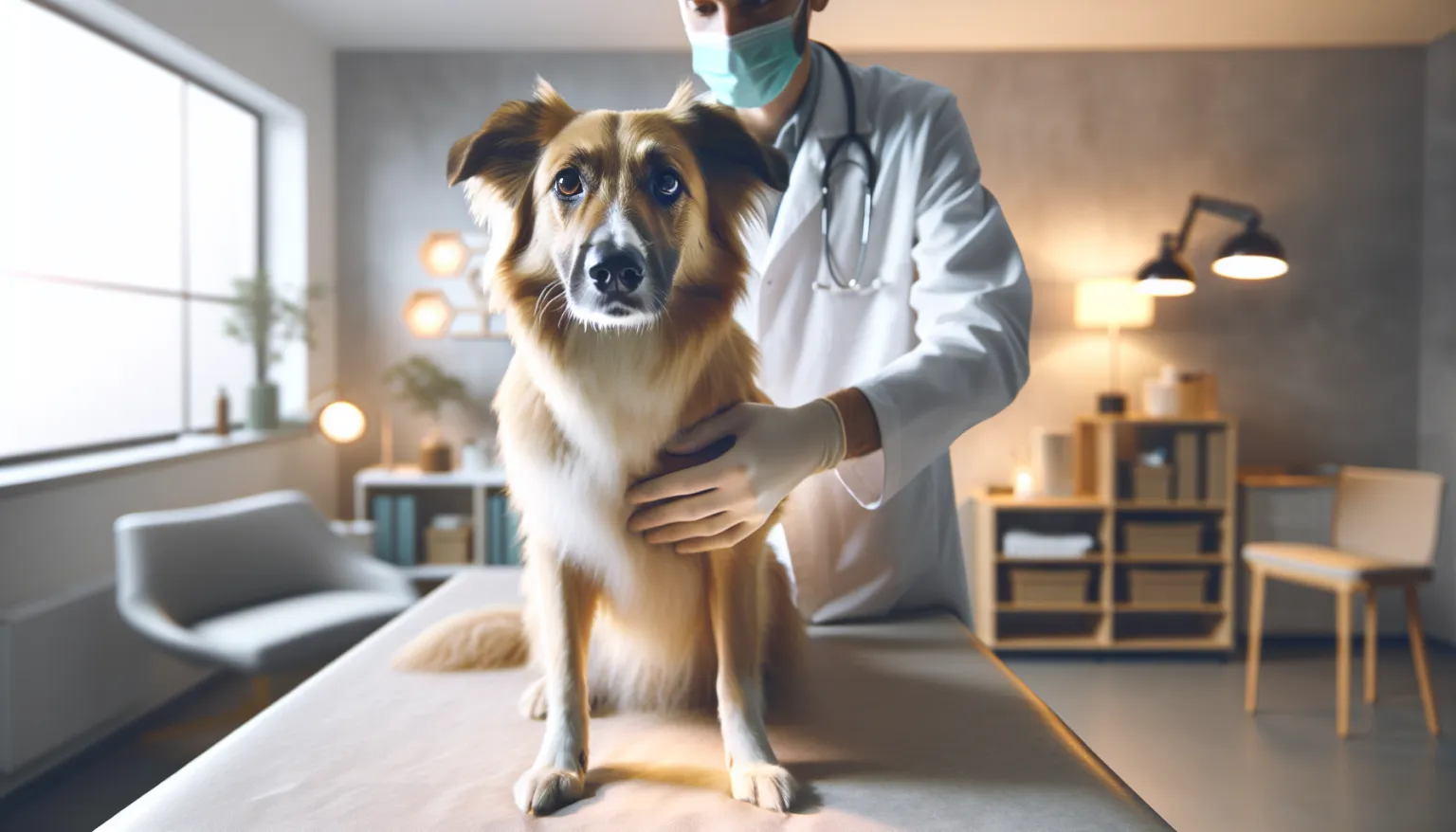
Evidence deep dives for Blastomycosis
Pair mechanism-level evidence with practical protocol context before discussing next steps with your veterinarian.
One Walk Along the Riverbank, Then Months of Fighting for Air
A Labrador digs along a lakeshore. A hound sniffs through damp soil on a hunting trip. Neither dog nor owner notices anything. Two weeks later, a cough starts. Then the weight drops. Then the eyes cloud over. By the time most veterinarians consider a fungal cause, the organism has already spread from the lungs to the skin, bones, eyes, and lymph nodes.
Blastomyces dermatitidis — a dimorphic fungus lurking in moist, acidic soil near waterways — thrives along the Mississippi River Valley, Ohio River Valley, Great Lakes, and the St. Lawrence Seaway. Dogs inhale microscopic spores while digging or walking through contaminated areas. Once inside the lungs, the spores convert into a yeast form that the immune system struggles to contain, spreading through the bloodstream to virtually any organ.
Blastomycosis is not rare. In endemic areas, it is one of the most common systemic fungal infections in dogs. Sporting and hound breeds are disproportionately affected, likely because of their higher exposure to waterside environments during hunting and outdoor activities.
Why Blastomycosis Is Dangerous
The disease carries a mortality rate of approximately 20-40% even with appropriate antifungal treatment. Several factors make it particularly threatening:
Delayed recognition: Early respiratory signs mimic kennel cough, pneumonia, or chronic bronchitis. Dogs may receive weeks of ineffective antibiotic therapy before the correct diagnosis is considered.
Multi-organ dissemination: By the time most dogs are diagnosed, the fungus has already spread beyond the lungs. Eye involvement (present in 30-50% of cases) can cause blindness. Bone lesions cause painful lameness. Skin lesions drain thick, bloody fluid.
Treatment intensity: Effective antifungal therapy requires months of medication, carries its own side effect profile, and costs add up substantially over the treatment course.
Jarisch-Herxheimer reaction: When antifungal treatment kills large numbers of organisms rapidly, the inflammatory response to dying fungi can temporarily worsen clinical signs, particularly respiratory distress. This treatment-related flare can be life-threatening in dogs with heavy lung involvement.
Recognizing the Signs
Blastomycosis presents differently depending on which organs are involved, and most dogs have multi-system disease by the time they reach a veterinarian.
Respiratory signs (85% of cases):
- Persistent cough that does not respond to antibiotics
- Labored breathing, increased respiratory rate at rest
- Exercise intolerance that worsens progressively
- Nasal discharge (less common)
Skin signs (40-50% of cases):
- Raised, firm nodules that may ulcerate and drain thick, bloody-purulent material
- Lesions commonly on the nose, face, and nail beds
- Non-healing wounds that resist standard wound care
Eye signs (30-50% of cases):
- Redness, swelling, cloudiness, or visible color change in the eye
- Squinting, excessive tearing, or pawing at the eye
- Sudden blindness (can be the presenting complaint)
- Retinal detachment, glaucoma, or uveitis on ophthalmologic exam
Bone and joint signs (up to 30% of cases):
- Lameness, often shifting between limbs
- Swelling over long bones
- Painful response to palpation of affected areas
Systemic signs:
- Weight loss, often 10-20% of body weight by diagnosis
- Fever that fluctuates and does not respond to antibiotics
- Lymph node enlargement
- Lethargy and progressive decline in activity level
If your dog has been in an endemic area and develops a cough that does not respond to antibiotics, especially combined with skin lesions, eye changes, or lameness, request fungal disease testing.
How Your Vet Will Identify This
Urine antigen testing: The most practical screening test. The Blastomyces urine antigen test (MiraVista Diagnostics) has sensitivity above 90% for disseminated disease. Cross-reactivity with histoplasmosis exists, but clinical context usually differentiates the two.
Cytology: Fine-needle aspirate of skin lesions, lymph nodes, or lung tissue can reveal the characteristic large (8-20 micron), broad-based budding yeast cells. This is often the fastest route to a definitive diagnosis.
Chest radiographs: Diffuse miliary or nodular interstitial lung patterns are characteristic. However, radiographic patterns can mimic cancer, bacterial pneumonia, or other fungal infections.
Histopathology: Tissue biopsy with special staining (PAS, GMS) provides definitive diagnosis and is particularly useful for atypical presentations.
Serology (antibody testing): Less reliable than antigen testing. Sensitivity varies widely (40-90%), and false negatives are common in immunosuppressed dogs or very early infection.
Treatment Protocol
Itraconazole is the current first-line antifungal for canine blastomycosis, typically prescribed at 5 mg/kg once daily. Treatment duration is a minimum of 60 days and often extends to 4-6 months, continuing for at least 1 month beyond complete clinical resolution.
Fluconazole is used when eye or central nervous system involvement is present, as it penetrates the blood-brain and blood-ocular barriers more effectively than itraconazole.
Amphotericin B (lipid-encapsulated formulation) is reserved for severe, life-threatening cases where rapid fungal kill is necessary. It requires intravenous administration and carries nephrotoxicity risk, though lipid formulations have significantly reduced kidney damage compared to older preparations.
Critical treatment considerations:
- Monitor liver enzymes every 2-4 weeks during itraconazole therapy (hepatotoxicity is the primary side effect)
- Give itraconazole with a fatty meal to maximize absorption
- Do not discontinue treatment based on clinical improvement alone — use urine antigen testing to confirm resolution
- Warn about the Herxheimer reaction: respiratory signs may transiently worsen 24-72 hours after starting treatment, particularly in dogs with heavy pulmonary involvement
- Eye involvement requires concurrent ophthalmologic management; vision loss may be permanent even with systemic antifungal therapy
12-Week Recovery and Monitoring Plan
- Weeks 1-2 (treatment initiation): Start antifungal therapy. Obtain baseline CBC, chemistry panel, urinalysis, and liver enzymes. Restrict activity. Monitor breathing rate at rest (count breaths per minute while sleeping — normal is under 30).
- Weeks 3-4 (response assessment): Recheck liver enzymes. Evaluate clinical signs — cough frequency, skin lesion size, eye status. Most dogs show measurable improvement by week 3-4 if the treatment is working.
- Weeks 5-6 (continued therapy): Maintain medication schedule strictly. Recheck chest radiographs if respiratory signs were prominent. Gradually reintroduce light activity if energy is returning.
- Weeks 7-8 (mid-treatment checkpoint): Recheck liver enzymes and urine antigen. Declining antigen levels confirm treatment response. Stable or rising levels warrant treatment reevaluation.
- Weeks 9-10 (sustained improvement): Continue treatment. Assess weight recovery, exercise tolerance, and overall quality of life. Most skin lesions should be healing or healed.
- Weeks 11-12 (long-term planning): Treatment will likely continue beyond 12 weeks. Establish the recheck cadence for the remaining treatment months. Discuss criteria for safe treatment discontinuation with your veterinarian.
Feeding and Nutritional Support
Dogs with blastomycosis often present with significant weight loss and need caloric rehabilitation alongside antifungal therapy.
- High-quality, calorie-dense food to support weight recovery
- Itraconazole should be given with a fatty meal (peanut butter, olive oil, or a meal with adequate fat content) for optimal drug absorption
- Avoid raw diets during treatment — immunocompromised dogs face higher risk from foodborne pathogens
- Milk thistle may provide hepatoprotective support during prolonged itraconazole therapy, which carries hepatotoxicity risk
For detailed guidance:
- Feeding Guide for Adult Dogs: Maintenance Nutrition Without Drift
- Omega-3 Fish Oil for Dogs: Evidence, Dosing Context, and Safety
When to Go to the ER Today
- Severe respiratory distress: open-mouth breathing, blue-tinged gums, or sleeping respiratory rate above 40 breaths per minute
- Sudden blindness or acute eye swelling/redness
- Collapse or inability to stand
- Seizures or sudden disorientation
- Acute worsening of breathing within 24-72 hours of starting antifungal treatment (possible Herxheimer reaction)
- High fever (above 105 F / 40.5 C) that does not respond to cooling measures
Respiratory decompensation in blastomycosis can escalate rapidly. Do not wait overnight.
Related Condition Pathways
- Chronic Bronchitis: Chronic cough differential that must be distinguished from fungal pneumonia
- Eye Conditions: Blastomycosis-associated uveitis and retinal detachment require specialized management
- Aspiration Pneumonia: Secondary bacterial infection can complicate fungal pneumonia
- Fungal Infections: Broader context on systemic mycoses in dogs
Related Breed Longevity Guides
Sporting and hound breeds with high waterside exposure are overrepresented:
- Labrador Retriever Lifespan & Longevity Guide
- Golden Retriever Lifespan & Longevity Guide
- Weimaraner Lifespan & Longevity Guide
- Pointer Lifespan & Longevity Guide
Supporting Research and Protocols
- Preventive Bloodwork for Dogs
- Senior Dog Screening Protocol
- Parasite Prevention as a Longevity Lever in Dogs
Additional Breeds at Elevated Risk
Frequently Asked Questions
Is blastomycosis contagious between dogs or to humans?
Not through direct contact. Both dogs and humans become infected by inhaling spores from contaminated soil, not from each other. You cannot catch blastomycosis from your dog. However, if your dog was diagnosed, it means the organism is present in your shared environment, and you should be aware of your own exposure risk.
Can blastomycosis come back after treatment?
Yes. Relapse rates are approximately 20-25%, most commonly within the first 6 months after treatment discontinuation. This is why treatment must continue well beyond clinical resolution and should be guided by urine antigen monitoring, not symptoms alone.
How much does blastomycosis treatment cost?
Treatment costs vary widely based on severity and duration, but owners should anticipate $2,000-$6,000 or more for a complete treatment course including diagnostics, months of antifungal medication, and monitoring bloodwork. Severe cases requiring hospitalization and amphotericin B will cost substantially more.
Will my dog’s eyesight recover?
It depends on the severity and timing of treatment. Dogs with mild anterior uveitis caught early often retain functional vision. Dogs with retinal detachment, severe glaucoma, or optic nerve involvement may sustain permanent vision loss despite successful systemic treatment.
Should I avoid taking my dog near water in endemic areas?
Complete avoidance is impractical for most sporting and outdoor dogs. Focus on reducing exposure to disturbed soil near waterways, avoid areas with recent excavation or flooding, and be vigilant about early signs so that diagnosis is not delayed if infection occurs.
Medical Disclaimer
This content is educational and does not replace veterinary diagnosis or treatment. Dogs with persistent cough, skin nodules, eye changes, or systemic illness in blastomycosis-endemic regions need prompt veterinary evaluation.
References
- Legendre AM et al. Treatment of blastomycosis with itraconazole in 112 dogs. J Vet Intern Med. 1996;10(6):365-371.
- Bromel C, Sykes JE. Epidemiology, diagnosis, and treatment of blastomycosis in dogs and cats. Clin Tech Small Anim Pract. 2005;20(4):233-239.
- Foy DS et al. Serum and urine Blastomyces antigen concentrations as markers of clinical remission in dogs treated for systemic blastomycosis. J Vet Intern Med. 2014;28(2):305-310.
- Schwartz IS, Kauffman CA. Blastomycosis. Semin Respir Crit Care Med. 2020;41(1):31-41.
- CAPC (Companion Animal Parasite Council) fungal disease resources. capcvet.org.
Related reads
Related Reading
Continue exploring