Evidence deep dives for Canine Influenza
Pair mechanism-level evidence with practical protocol context before discussing next steps with your veterinarian.
Dog Flu Spreads Fast, But Most Cases End Well
Canine influenza virus (CIV) is a contagious respiratory infection caused by two distinct influenza A strains. H3N8 emerged from equine influenza around 2004. H3N2 surfaced in dogs in Asia and reached the United States in 2015. Both strains cause similar illness but are genetically distinct, requiring separate vaccine antigens for full protection.
CIV does not cause significant annual mortality in the general dog population. But it spreads with remarkable efficiency in congregate settings — boarding kennels, shelters, dog daycares, dog shows, and dog parks. Virtually all exposed naive dogs develop infection regardless of age or health status.
Infection rates approach 100%, though only about 80% develop clinical signs. The remaining 20% shed virus silently and spread infection without looking sick.
Most cases are mild and self-limiting. A subset, estimated at 5-8%, progress to pneumonia that can be fatal. Brachycephalic breeds, immunocompromised dogs, and dogs with pre-existing respiratory disease face significantly higher risk of severe outcomes.
Beyond Treatment: The Longevity Dimension
Canine influenza matters for longevity planning because it is a preventable infectious disease that carries real mortality risk in a specific subset of dogs. For dogs that regularly attend boarding, grooming, daycare, or dog parks — particularly those in high-risk categories — vaccination offers meaningful protection against the worst outcomes.
The secondary bacterial pneumonia that complicates some CIV cases can cause permanent lung damage in survivors. That reduced respiratory reserve persists for the rest of the dog’s life. Preventing primary CIV infection through vaccination is a genuine longevity intervention for at-risk dogs, not simply a convenience measure.
What CIV Looks Like
CIV presents as a respiratory illness with variable severity:
- Sudden onset cough — may be soft and moist or harsh and persistent
- Nasal discharge — initially clear, may turn purulent (yellow/green) with secondary bacterial infection
- Low-grade fever (38.5-40 degrees C / 101-104 degrees F)
- Lethargy and reduced appetite over the first few days
- Sneezing and eye discharge in some dogs
- In severe cases: high fever (above 40 degrees C / 104 degrees F), labored breathing, and signs of pneumonia
Most dogs with CIV look mildly ill and recover without complications. The key is recognizing when mild illness is tipping toward pneumonia — indicated by worsening fever, difficulty breathing, or signs that have not improved after 5-7 days.
How Your Vet Confirms It
CIV is diagnosed using PCR testing of nasal or pharyngeal swabs, which is most accurate within the first 4 days of illness when viral shedding peaks. Serological testing (antibody titers) can confirm exposure but requires paired samples 2-4 weeks apart, limiting its usefulness for management decisions during active illness.
In outbreaks, diagnosing a few index cases by PCR is usually sufficient to assume CIV in subsequent cases with compatible signs and exposure history. Chest radiographs should be obtained in any dog with suspected pneumonia — the radiographic pattern, combined with clinical signs, guides treatment intensity.
- PCR testing of nasal or pharyngeal swab is the most accurate diagnostic test within 4 days of onset
- Chest radiographs to evaluate for pneumonia in dogs with high fever, labored breathing, or prolonged illness
- CBC to assess white blood cell response and identify secondary bacterial infection
- Culture and sensitivity from transtracheal wash or BAL in dogs with confirmed pneumonia to guide antibiotic selection
Treatment
Uncomplicated CIV calls for supportive care: rest, isolation from other dogs, hydration support, and monitoring. Antiviral drugs (oseltamivir) are not recommended for routine cases due to limited evidence of benefit and concerns about resistance development. Antibiotics are appropriate when secondary bacterial pneumonia is suspected or confirmed, but should not be used prophylactically for every CIV case.
Dogs with pneumonia need more intensive care: hospitalization, IV fluids, oxygen supplementation, and parenteral antibiotics guided by culture results. Anti-inflammatory doses of NSAIDs may help reduce fever and improve comfort in dogs tolerating oral medication.
- Isolate affected dogs from all other dogs for at least 14 days from onset or until 7 days after signs resolve
- Ensure adequate hydration — offer broth or wet food if appetite is reduced
- Restrict exercise until full recovery
- Keep the dog warm and avoid cold, damp environments during recovery
- Do not return dogs to shared settings (kennels, daycare, parks) until cleared by your veterinarian
12-Week Recovery and Prevention Plan
- Weeks 1-2 (baseline lock-in): Confirm diagnosis, start a shared household log, and capture daily markers including temperature, appetite, respiratory effort, activity tolerance, and sleep quality.
- Weeks 3-4 (adherence audit): Verify that every caregiver follows the same isolation and care protocol. Identify missed-step friction and remove one reliability bottleneck.
- Weeks 5-6 (response checkpoint): Compare current trends against baseline. Escalate quickly if core markers are not improving. Avoid changing multiple variables in the same week.
- Weeks 7-8 (risk tightening): Predefine escalation thresholds for severe symptoms. Confirm after-hours emergency route. Align caregiver decisions so urgent signs are never handled as watch-and-wait.
- Weeks 9-10 (resilience build): Reinforce exercise, mobility, and nutrition routines your veterinarian has cleared so short-term recovery converts into durable function.
- Weeks 11-12 (handoff to maintenance): Document the long-term cadence for reassessment, decide which metrics to keep tracking weekly, and schedule the next checkpoint.
The Drift That Costs the Most
The most common mistake is waiting for obvious severe signs before responding. CIV outcomes improve when you act at first measurable drift rather than end-stage deterioration. Missing a short reassessment window can turn a manageable setback into a high-burden cycle with more pain, more cost, and slower recovery.
Two process failures appear repeatedly. First, inconsistent household execution — each caregiver follows a different version of the plan, and trend data becomes unreliable. Second, over-correcting too fast with multiple simultaneous changes that obscure what actually helped.
Consistent weekly tracking of one objective data point is the simplest way to detect regression before it becomes visible to the casual eye.
Feeding During Recovery
Maintaining nutritional intake during CIV supports immune function and recovery. Dogs that refuse food benefit from small, frequent, highly palatable meals. Warming food slightly can help dogs with reduced smell from nasal congestion.
Probiotic supplementation may support gut immune function during and after illness, though specific evidence for CIV recovery is limited. Hydration is the highest priority — broth or water-added food helps if the dog resists dry kibble.
- Feeding Guide for Adult Dogs: Maintenance Nutrition Without Drift
- Probiotics for Dogs: Strain-Specific Evidence and Use Cases
- Bone Broth for Dogs provides hydration and calories in a palatable liquid form for dogs with reduced appetite during illness
For evidence context and execution details, review:
- Vaccination Schedule Optimization for Dogs
- Senior Dog Screening Protocol
- Canine Frailty Signals and Early Intervention
What to Watch During Illness
Most CIV cases resolve within 2-3 weeks with supportive care. Watch for signs of disease progression:
- Temperature twice daily during active illness — rising fever beyond day 3-4 suggests secondary complication
- Resting respiratory rate — above 30 breaths per minute warrants veterinary contact
- Appetite and hydration assessment daily
- Nasal discharge character — transition from clear to purulent suggests bacterial secondary infection
A dog that has not improved after 7-10 days needs re-evaluation. Chest radiographs and CBC should be obtained if not already done.
When to Escalate Care
Contact your veterinarian promptly or seek emergency care for:
- Fever above 40 degrees C (104 degrees F) that is worsening rather than improving after the first few days
- Labored breathing, rapid breathing at rest, or open-mouth breathing
- Coughing up blood or producing bloody nasal discharge
- Complete anorexia for more than 48 hours
- Rapid deterioration in any dog with pre-existing heart, lung, or immune disease
Related Condition Pathways
Canine Influenza often overlaps with adjacent pathways that affect diagnosis timing, treatment burden, and long-term resilience:
- Kennel Cough: CIV and kennel cough overlap clinically and often occur together in outbreak settings.
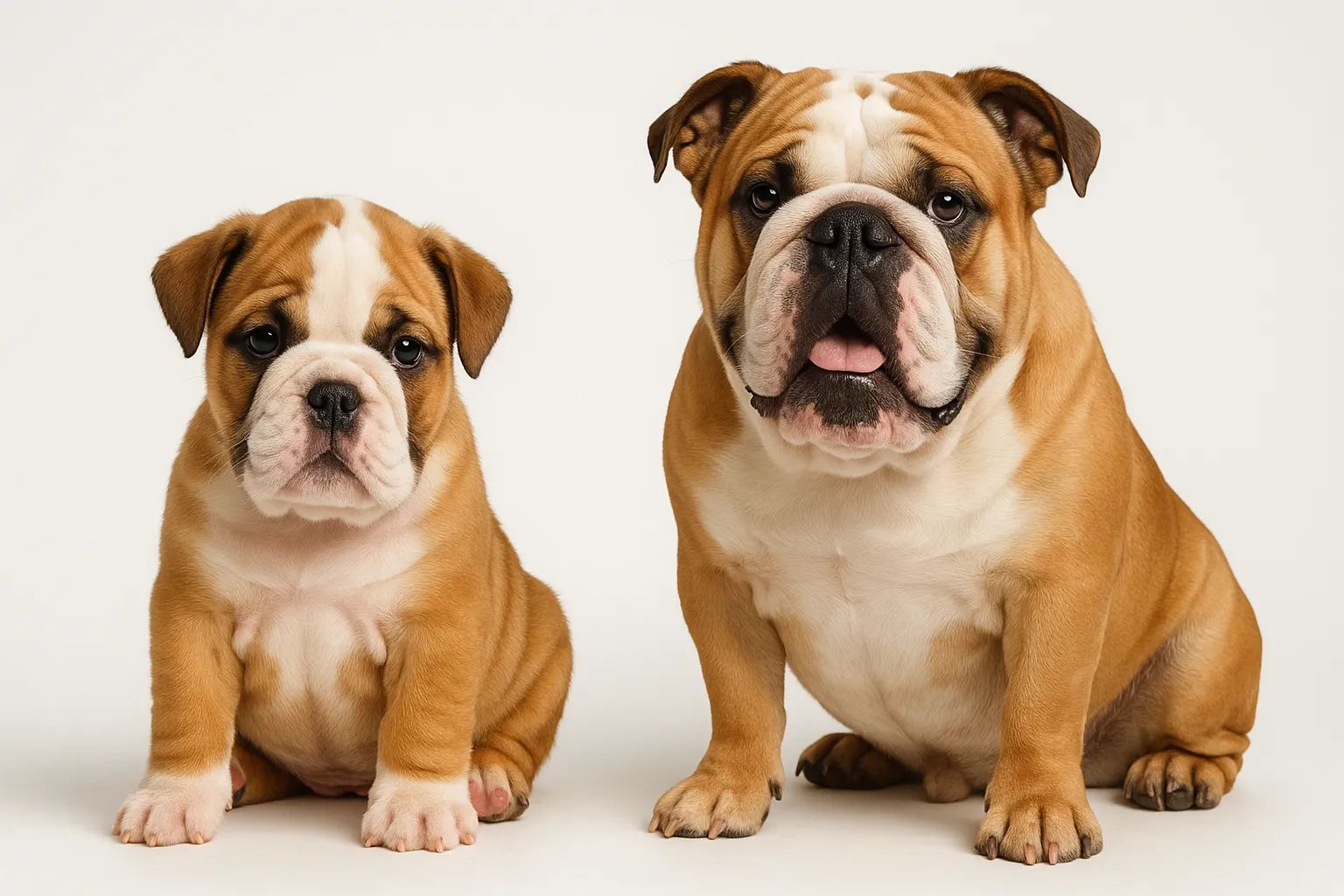
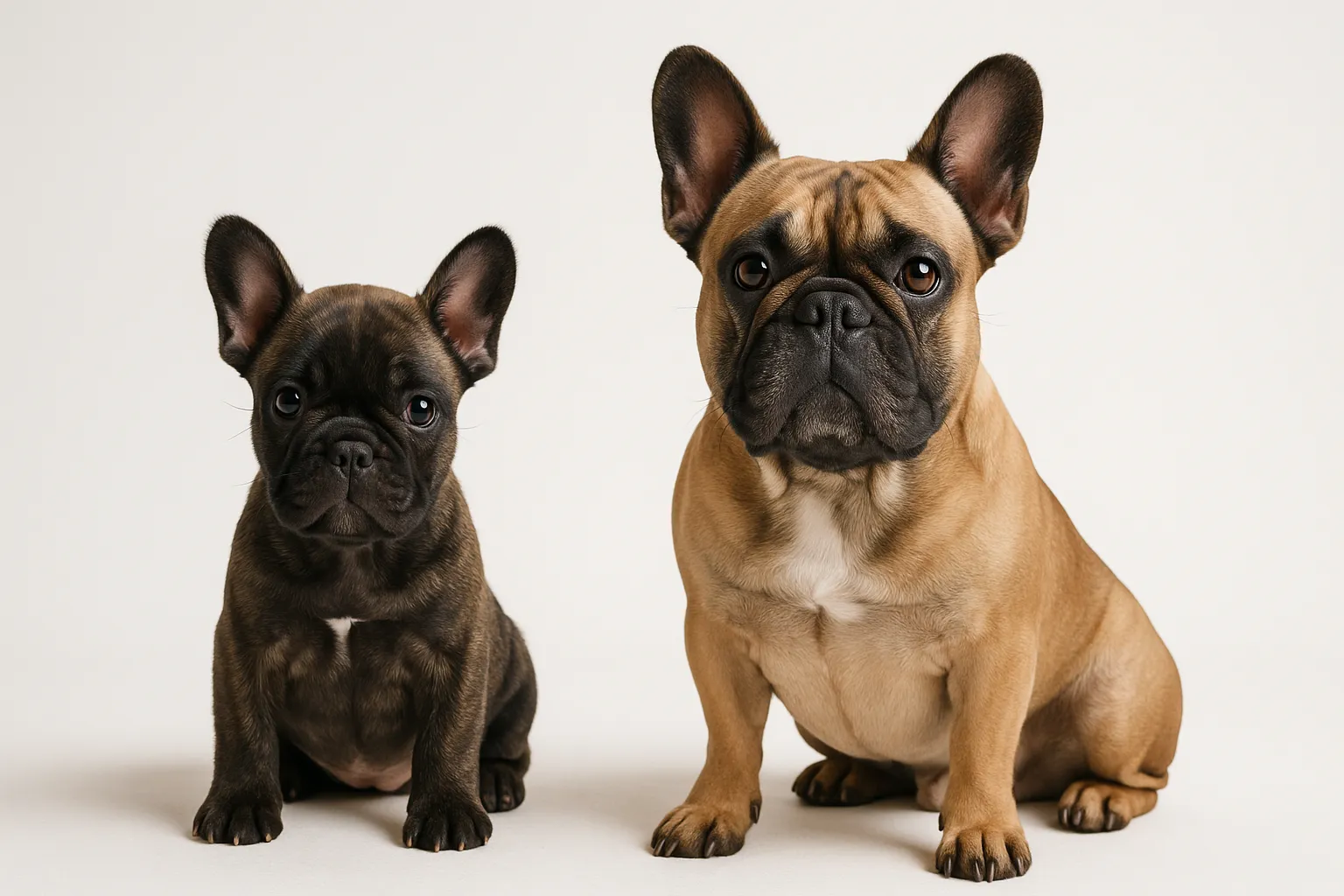
- Brachycephalic Syndrome: brachycephalic dogs have severely reduced respiratory reserve making CIV pneumonia much more dangerous.
- Pneumonia: secondary bacterial pneumonia is the most serious CIV complication.
Use this information to ask better questions and understand your options. All diagnosis confirmation and treatment adjustments should go through your veterinarian.
Related Breed Longevity Guides
Any dog attending group settings is at risk. Highest-risk dogs include brachycephalic breeds and immunocompromised dogs:
- French Bulldog Lifespan & Longevity Guide
- Labrador Retriever Lifespan & Longevity Guide
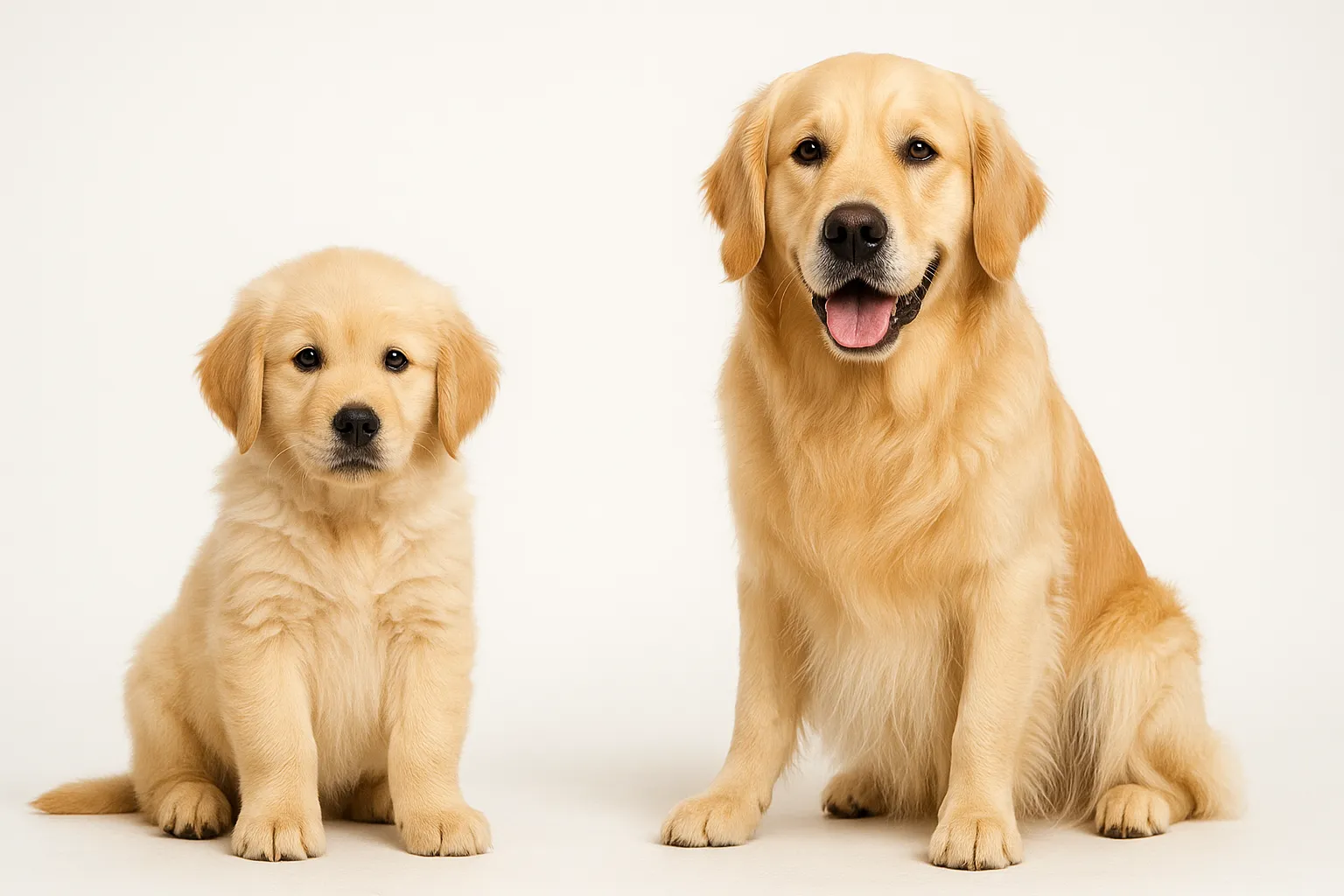
- Golden Retriever Lifespan & Longevity Guide
The CIV vaccine is categorized as a lifestyle vaccine — recommended for dogs with regular exposure to other dogs (boarding, daycare, dog parks) rather than all dogs universally. Discuss with your veterinarian based on your dog’s social exposure.
Additional Breeds at Elevated Risk
Frequently Asked Questions
Can humans get canine influenza?
No. Canine influenza H3N8 and H3N2 strains are not known to infect humans under natural conditions. CIV is a dog-specific influenza lineage. This is distinct from some other influenza strains (like H3N2 in Asia) that have broader host ranges, but the dog-adapted strains circulating in North America do not pose a human health risk based on current evidence.
How long is a dog with CIV contagious?
Dogs with CIV shed virus for approximately 4-7 days, but some H3N2-infected dogs shed for up to 26 days. Isolation for a minimum of 14 days from symptom onset is recommended. Subclinical dogs can still shed virus, which is why outbreak management in kennels and shelters is challenging.
Is there a vaccine for canine influenza?
Yes. Both bivalent vaccines (covering H3N8 and H3N2) and individual strain vaccines exist. The initial series requires two doses 2-4 weeks apart, followed by annual boosters. Vaccination does not fully prevent infection but significantly reduces severity and duration of illness and reduces viral shedding.
My dog is coughing after boarding — could it be CIV?
Coughing after boarding is more commonly kennel cough (infectious tracheobronchitis from Bordetella and parainfluenza) than CIV, though both can cause post-boarding respiratory illness. PCR testing distinguishes them. Both benefit from similar supportive care and veterinary evaluation if signs are progressive.
Which dogs should get the CIV vaccine?
AVMA and ACVIM categorize CIV vaccination as appropriate for dogs with regular social exposure: boarding, doggy daycare, grooming, dog parks, and dog shows. Dogs with limited social exposure and no planned boarding may not require vaccination. Discuss risk assessment with your veterinarian based on your dog’s lifestyle.
Medical Disclaimer
This content is educational and does not replace veterinary evaluation. Dogs with respiratory illness and fever, especially after group exposure, benefit from prompt veterinary evaluation and isolation from other dogs.
References
- Crawford PC et al. Transmission of equine influenza virus to dogs. Science. 2005.
- AVMA canine influenza backgrounder. avma.org.
- Voorhees IEH et al. Spread of canine influenza A(H3N2) virus, United States. Emerg Infect Dis. 2017.
- Jang H et al. Isolation of canine H3N2 influenza virus from cats in South Korean animal shelter. Vet Microbiol. 2017.
- Deshpande MS et al. Clinical efficacy of bivalent CIV vaccine. Vet Ther. 2009.
Related reads
Related Reading
Continue exploring