Evidence deep dives for Conjunctivitis
Pair mechanism-level evidence with practical protocol context before discussing next steps with your veterinarian.
The Red Eye That Deserves a Closer Look
Your dog wakes up with one eye squinting, the white of the eye tinged pink, and a streak of yellow-green discharge matting the fur below. By afternoon, the other eye starts to look the same.
Conjunctivitis is inflammation of the conjunctiva, the thin mucous membrane that lines the inner surface of the eyelids and covers the visible white of the eye (sclera). It is one of the most common ocular conditions in dogs, and while it is often straightforward to treat, it can also be the first visible sign of a more serious underlying problem.
The conjunctiva serves as the eye’s first line of immunological defense. When irritated or infected, it responds with redness (hyperemia), swelling (chemosis), and increased discharge. The character of the discharge, the presence or absence of pain, and whether one or both eyes are affected all provide diagnostic clues that guide treatment.
Signs and Symptoms
Conjunctivitis presents with a recognizable cluster of signs, though their severity and character vary with the underlying cause:
Primary signs:
- Red or pink discoloration of the whites of the eyes and inner eyelids
- Ocular discharge (clear/watery, mucoid, or purulent yellow-green)
- Swelling of the conjunctival tissue (chemosis)
- Excessive blinking or squinting (blepharospasm)
- Pawing at the eyes or rubbing the face on furniture or carpet
Signs that suggest a more serious problem:
- Cloudiness or color change in the cornea (the clear front surface)
- Visible pain with light sensitivity (photophobia)
- Change in pupil size compared to the unaffected eye
- Vision changes or bumping into objects
- Swelling of the eyeball itself (proptosis or buphthalmos)
distinguish conjunctivitis from deeper ocular conditions. A red, painful eye with corneal cloudiness may indicate glaucoma, corneal ulcer, or uveitis (inflammation inside the eye), all of which require urgent intervention. Conjunctivitis alone does not cause corneal cloudiness or vision loss.
Common Causes
Allergic Conjunctivitis
The most common cause of bilateral (both eyes) conjunctivitis in dogs. Environmental allergens like pollen, dust mites, and mold trigger an immune response in the conjunctival tissue. Allergic conjunctivitis tends to produce clear to mucoid discharge, is bilateral, and is often seasonal. Dogs with atopic dermatitis or skin allergies frequently develop concurrent allergic conjunctivitis.
Bacterial Conjunctivitis
Often secondary to another condition (allergies, dry eye, anatomical abnormalities) rather than a primary infection. Common bacteria include Staphylococcus, Streptococcus, and Pseudomonas. Bacterial conjunctivitis typically produces purulent (yellow-green) discharge and may affect one or both eyes. Primary bacterial conjunctivitis is less common in dogs than in humans.
Viral Conjunctivitis
Canine distemper virus and canine herpesvirus can cause conjunctivitis, usually as part of a broader systemic illness. Canine influenza may also produce ocular discharge. Viral conjunctivitis in dogs is less common than allergic or bacterial forms but can be severe.
Keratoconjunctivitis Sicca (Dry Eye)
Inadequate tear production causes chronic conjunctival inflammation and characteristic thick, stringy mucoid discharge. Dry eye (KCS) is a common underlying cause of recurrent conjunctivitis, particularly in breeds like Cocker Spaniels, Pugs, Bulldogs, and Cavalier King Charles Spaniels. A Schirmer tear test measures tear production and can identify KCS as the root cause.
Anatomical Factors
Breed-specific anatomy plays a significant role. Brachycephalic breeds with prominent eyes and shallow orbits have greater corneal exposure and less effective eyelid coverage. Entropion (inward-rolling eyelids) and ectropion (outward-drooping eyelids) cause chronic mechanical irritation of the conjunctiva. Cherry eye (prolapse of the third eyelid gland) can cause secondary conjunctivitis.
Irritant Exposure
Dust, smoke, chemical fumes, shampoo, and foreign bodies (grass seeds, debris) can cause acute conjunctivitis. These cases are typically unilateral and resolve once the irritant is removed.
Which Breeds Are More Susceptible
Certain breeds face higher conjunctivitis risk due to their facial and ocular anatomy:
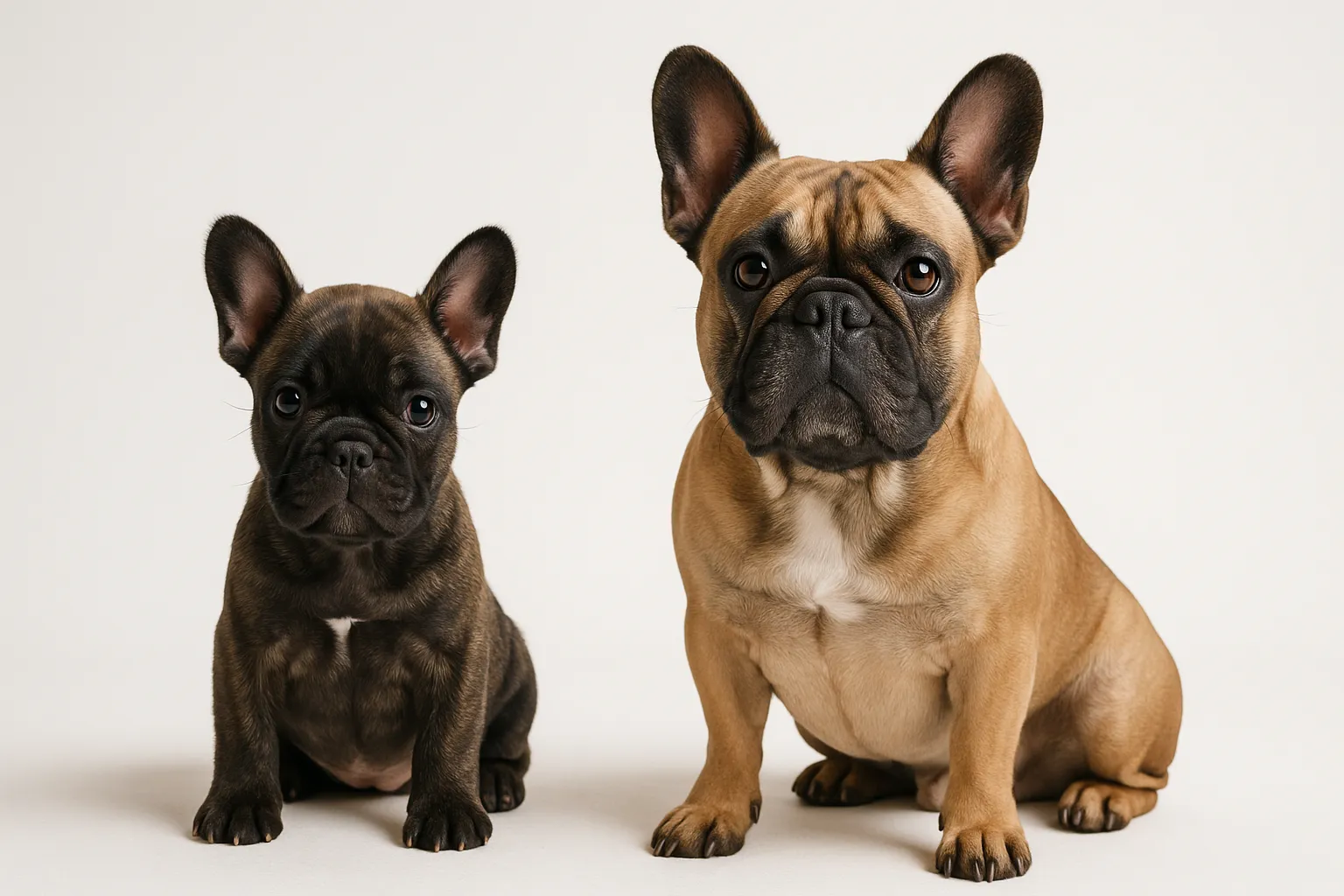
- French Bulldog — prominent eyes, shallow orbits, brachycephalic anatomy
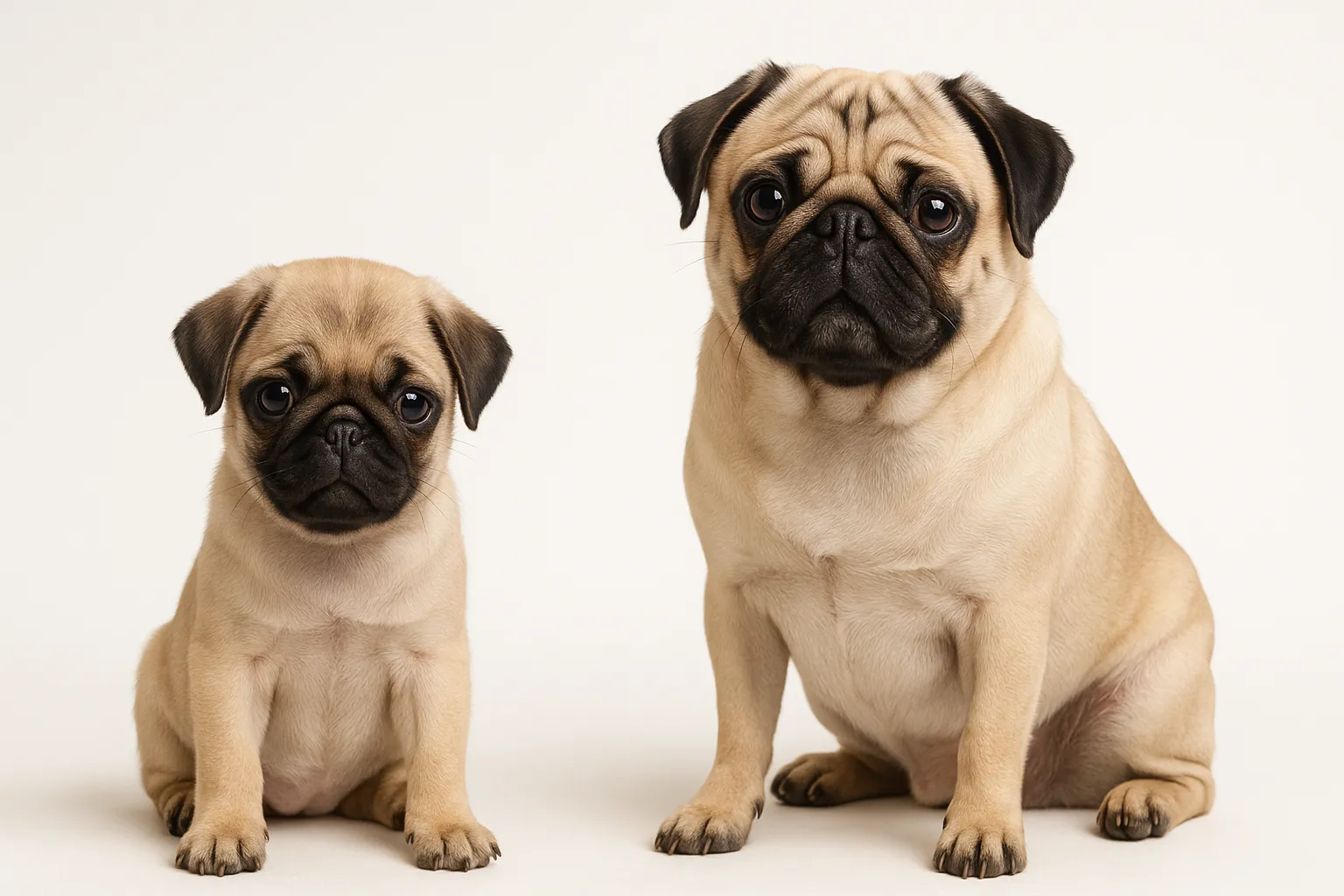
- Pug — extreme brachycephaly with lagophthalmos (inability to fully close eyelids)
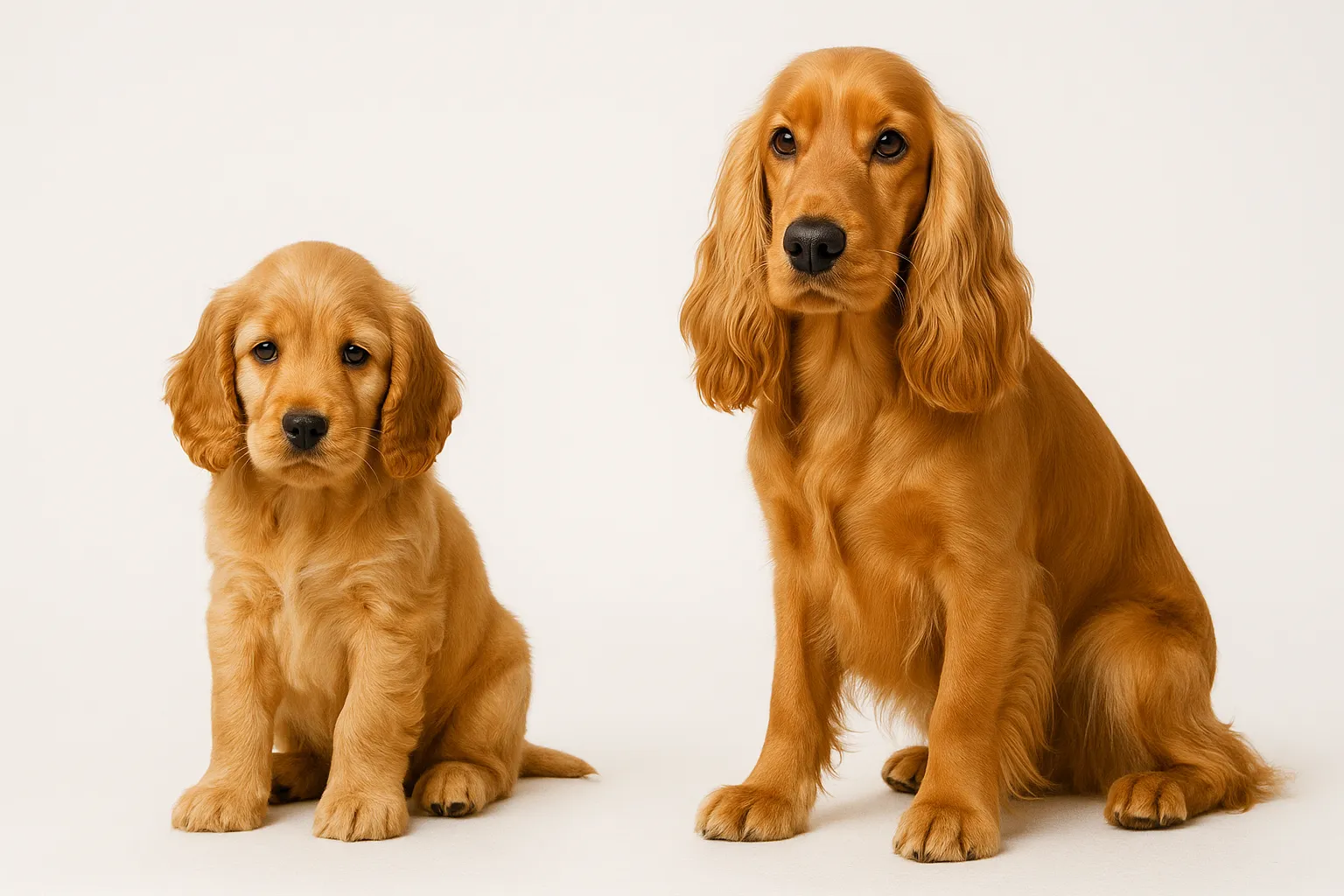
- Cocker Spaniel — prone to KCS, ectropion, and allergic disease
- Cavalier King Charles Spaniel — predisposed to KCS and corneal disease
- Shih Tzu — brachycephalic anatomy with hair-related ocular irritation
- Bulldog — entropion, cherry eye, and prominent globe exposure
Any breed can develop conjunctivitis, but these anatomical predispositions mean some dogs will deal with it repeatedly throughout their lives.
Diagnosis
Ophthalmic Examination
A thorough eye exam includes:
- Visual inspection: Assessing discharge character, redness pattern, and symmetry
- Fluorescein staining: Orange dye applied to the eye to detect corneal ulcers or erosions. This step is critical because a corneal ulcer changes the treatment approach entirely (corticosteroids, which are commonly used for allergic conjunctivitis, are contraindicated with corneal ulcers)
- Schirmer tear test: A small paper strip placed inside the lower eyelid measures tear production over 60 seconds. Values below 15 mm/min suggest KCS
- Intraocular pressure (IOP): Tonometry rules out glaucoma, which can present with redness that mimics conjunctivitis
- Cytology: In recurrent or severe cases, conjunctival swabs examined under microscopy can identify bacterial types, inflammatory cell patterns, or inclusion bodies suggesting viral infection
When Referral to a Veterinary Ophthalmologist Is Warranted
- Conjunctivitis that does not respond to appropriate treatment within 7-10 days
- Recurrent episodes without a clear underlying cause
- Any corneal involvement (cloudiness, ulceration, pigmentation)
- Suspected KCS requiring long-term management
- Anatomical abnormalities that may benefit from surgical correction
Treatment
Treatment targets the underlying cause. Treating the symptoms without addressing the root problem leads to recurrence.
Allergic Conjunctivitis
- Topical antihistamines or mast cell stabilizers: Reduce the allergic response locally
- Topical corticosteroids (prednisolone acetate, dexamethasone): Effective for severe allergic inflammation, but only after corneal ulcer has been ruled out with fluorescein staining
- Systemic allergy management: Addressing the broader allergic disease (environmental controls, immunotherapy, oclacitinib, lokivetmab) reduces conjunctival inflammation alongside skin symptoms
- Cool compresses: Can provide temporary comfort during acute flares
Bacterial Conjunctivitis
- Topical broad-spectrum antibiotic drops or ointment: Commonly prescribed options include tobramycin, ciprofloxacin, or triple antibiotic (neomycin-polymyxin-bacitracin)
- Culture and sensitivity: Recommended for cases that do not respond to empirical antibiotic therapy, or when Pseudomonas is suspected
Keratoconjunctivitis Sicca
- Cyclosporine ophthalmic (Optimmune) or tacrolimus: Immunomodulatory drugs that stimulate tear production. These are the mainstay of KCS treatment and are typically needed lifelong
- Artificial tears: Lubricating drops provide comfort and protect the corneal surface between cyclosporine applications
- Parotid duct transposition: A surgical option for severe KCS unresponsive to medical management, rerouting a salivary duct to lubricate the eye
Anatomical Correction
- Entropion surgery: Corrects inward-rolling eyelids that cause chronic irritation
- Cherry eye repair: Pocket technique (preferred) to replace, not remove, the prolapsed third eyelid gland, preserving its tear production capacity
Prevention Strategies
Complete prevention of conjunctivitis is not always possible, particularly in predisposed breeds. However, several measures reduce frequency and severity:
- Keep the facial area clean, especially in breeds with prominent skin folds and facial wrinkles
- Trim periocular hair that contacts the eye surface
- Avoid direct exposure to chemical irritants, aerosol sprays, and cigarette smoke
- Manage underlying allergic disease comprehensively
- Address anatomical abnormalities (entropion, cherry eye) surgically when appropriate
- Use protective eyewear (doggles) during high-wind or high-debris activities
- Maintain tear production monitoring in breeds predisposed to KCS
Related Condition Pathways
Related Breed Longevity Guides
When to Seek Veterinary Care
Routine evaluation is appropriate for:
- Mild redness with clear discharge lasting less than 24-48 hours
- Known allergic conjunctivitis with access to previously prescribed medication
- Slight increase in tear staining without other signs
Urgent evaluation is needed for:
- Painful, squinting eye with any corneal cloudiness or color change
- Copious purulent (yellow-green) discharge
- Swelling of the eye or surrounding tissues
- Any eye injury or suspected foreign body
- Sudden vision changes or pupil asymmetry
- Conjunctivitis accompanied by nasal discharge, coughing, or systemic illness
A red eye is common. A painful, cloudy eye is an emergency. Learning to distinguish between the two can prevent vision loss.
Frequently Asked Questions
Can my dog’s conjunctivitis spread to me or other pets? Most canine conjunctivitis (allergic, anatomical, KCS-related) is not contagious. Bacterial conjunctivitis can theoretically spread between dogs through direct contact, but cross-species transmission to humans is rare. Practice good hand hygiene after applying eye medications, and keep discharge cleaned from the dog’s face.
How long does conjunctivitis take to resolve? With appropriate treatment targeting the underlying cause, most cases of acute conjunctivitis improve within 5-7 days. If signs worsen or fail to improve within that timeframe, re-evaluation is needed. KCS-related conjunctivitis requires ongoing management, and allergic conjunctivitis may recur seasonally.
Can I use human eye drops for my dog? Do not use human eye drops without veterinary guidance. Some human formulations contain preservatives or active ingredients (such as certain vasoconstrictors) that can harm canine eyes. Plain artificial tears (preservative-free saline) are generally safe for temporary comfort, but medicated drops should be prescribed specifically for your dog’s condition.
Why does my dog keep getting conjunctivitis? Recurrent conjunctivitis usually points to an unaddressed underlying cause: unmanaged allergies, undiagnosed KCS, an anatomical abnormality, or chronic irritant exposure. Rather than repeatedly treating symptoms, pursue a diagnostic workup to identify and address the root cause. A Schirmer tear test and fluorescein stain are good starting points.
Is conjunctivitis painful for dogs? Mild allergic conjunctivitis causes irritation and discomfort rather than true pain. Bacterial conjunctivitis, especially with corneal involvement, can be significantly painful. If your dog is squinting, pawing at the eye, or avoiding light, pain is present and warrants prompt veterinary evaluation.
Should I clean the discharge from my dog’s eyes? Yes. Gently wipe discharge away using a warm, damp cloth or cotton ball, moving from the inner corner outward. Use a separate cloth for each eye to avoid cross-contamination. Keeping the area clean improves comfort and allows you to monitor whether discharge is increasing or changing character.
Medical Disclaimer
This guide is informational and does not replace in-person veterinary diagnosis or treatment. Eye conditions can deteriorate rapidly, and some conditions that resemble simple conjunctivitis (glaucoma, corneal ulcers, uveitis) require urgent intervention. If your dog’s eye appears painful, cloudy, or swollen, seek veterinary care immediately rather than attempting home treatment.
References
[1] Maggs DJ, Miller PE, Ofri R. Slatter’s Fundamentals of Veterinary Ophthalmology. 6th ed. Elsevier; 2018. [2] Giuliano EA. “Diseases and Surgery of the Canine Lacrimal Secretory System.” In: Gelatt KN, ed. Veterinary Ophthalmology. 5th ed. Wiley-Blackwell; 2013. [3] Hendrix DVH. “Canine Conjunctivitis and Blepharitis.” In: Gelatt KN, ed. Veterinary Ophthalmology. 5th ed. Wiley-Blackwell; 2013. [4] Kaswan RL, Salisbury MA. “A new perspective on canine keratoconjunctivitis sicca: treatment with ophthalmic cyclosporine.” Vet Clin North Am Small Anim Pract. 1990;20(3):583-613. [5] Williams DL. “Immunopathogenesis of keratoconjunctivitis sicca in the dog.” Vet Clin North Am Small Anim Pract. 2008;38(2):251-268.