Evidence deep dives for Hypertrophic Osteodystrophy
Pair mechanism-level evidence with practical protocol context before discussing next steps with your veterinarian.
When Growing Bones Turn Painful
Hypertrophic osteodystrophy (HOD) strikes during the most intense growth phase a large-breed puppy will ever experience. The disease targets the metaphyses — the growth plate regions of long bones — causing symmetric inflammation and abnormal bone formation. The front legs take the worst of it, particularly the distal radius, ulna, and tibia.
The result is a puppy with swollen, hot, painful limbs and, in many cases, systemic illness including high fever and complete refusal to eat or move.
Researchers have not fully established the cause. Proposed mechanisms include immune-mediated or inflammatory dysregulation, possibly linked to recent vaccination in some cases (particularly in Weimaraners, though proof of a causal connection remains elusive), and breed-specific genetic predisposition. Weimaraners carry a documented breed-specific and possibly heritable form that can be severe and recurrent.
HOD ranges from manageable to life-threatening. Mild cases involve moderate lameness and localized swelling that resolve with supportive care. Severe cases bring dangerously high fevers, complete weight-bearing refusal, extreme pain, and systemic illness requiring hospitalization.
Long-Term Consequences and Prevention Value
Severe or recurrent HOD episodes can permanently alter bone structure at the growth plates. In Weimaraners, the condition can recur multiple times during the growth period, leaving lasting radius and ulna angulation deformities that set the stage for early-onset arthritis.
The pain burden matters too. Inadequately managed pain during acute episodes sensitizes the developing nervous system in ways that worsen future pain responses. Aggressive pain management during acute HOD is both a welfare priority and a long-term health investment.
Recognizing HOD in Your Puppy
HOD typically presents at 2-4 months of age, and severity can escalate quickly:
- Sudden lameness or reluctance to bear weight, often bilateral (both front legs)
- Visibly swollen, warm, painful areas above the wrist joints (distal radius/ulna)
- Fever ranging from 39.5 to over 41 degrees C (103-106 degrees F)
- Extreme sensitivity to touch over affected limb regions
- Severe lethargy, anorexia, or complete refusal to move
- Depression disproportionate to what you would expect from an orthopedic injury in a puppy
Any large-breed puppy with swollen, painful limbs above the wrist and concurrent fever should be evaluated the same day. HOD can deteriorate rapidly, and severe cases require hospitalization for IV pain control and supportive care.
How HOD Is Diagnosed
Radiographic diagnosis is definitive. HOD produces a characteristic irregular lucent zone in the metaphysis parallel to the growth plate — often described as a “double physis” sign. Periosteal new bone formation along the metaphysis appears in more advanced cases. Both forelimbs should be radiographed simultaneously, as the condition is typically symmetric.
Bloodwork evaluates systemic severity, inflammatory markers, and rules out infectious causes. Cultures should be submitted to exclude osteomyelitis in atypical presentations.
Key diagnostic steps:
- Bilateral forelimb radiographs including distal radius and ulna for the classic metaphyseal lucency sign
- CBC and chemistry to quantify inflammatory burden and guide supportive care needs
- Temperature measurement — fever severity guides the hospitalization decision
- Blood and urine culture if osteomyelitis cannot be excluded based on imaging alone
Treatment and Supportive Care
HOD management is supportive. NSAIDs (meloxicam, carprofen, or grapiprant) form the foundation of pain control in mild to moderate cases. Severe cases require hospitalization with IV fluid support, IV opioid analgesia, and nutritional support for anorectic puppies. Corticosteroids are generally avoided due to effects on bone development but may be used in severe refractory cases.
Most mild to moderate cases resolve over 1-3 weeks with adequate pain control and rest. Weimaraner-type recurrent HOD may require several treatment cycles. Orthopedic follow-up is appropriate for dogs with significant growth plate disturbance to catch developing deformities early.
Practical treatment priorities:
- Initiate appropriate-dose NSAID therapy immediately — do not under-dose for pain control.
- Restrict exercise completely during the acute phase.
- Provide soft, padded bedding to reduce pressure on affected limbs.
- Ensure adequate caloric intake using palatable foods if anorexia persists beyond 48 hours.
- Follow up with orthopedic radiographs 4-6 weeks post-resolution to assess for residual deformity.
A 12-Week Recovery and Monitoring Plan
- Weeks 1-2 (baseline lock-in): Confirm the diagnosis, start one shared household log, and capture daily markers including temperature, pain level, appetite, limb use, and sleep quality.
- Weeks 3-4 (adherence audit): Review whether every caregiver is following the same pain management protocol. Identify missed-dose friction. Remove one reliability bottleneck causing drift.
- Weeks 5-6 (response checkpoint): Compare current trends against baseline. Escalate quickly if fever recurs or weight-bearing is not improving. Avoid changing multiple variables in the same week.
- Weeks 7-8 (risk tightening): Predefine escalation thresholds for recurrence. Confirm after-hours emergency route. Align caregiver decisions so fever spikes are never handled as watch-and-wait.
- Weeks 9-10 (resilience build): Begin gradual, controlled activity reintroduction as cleared by your veterinarian. Maintain lean growth trajectory.
- Weeks 11-12 (handoff to maintenance): Document the long-term orthopedic follow-up cadence. Schedule the next radiographic recheck. Confirm growth-rate and nutrition targets through skeletal maturity.
The Drift Pattern Families Miss
HOD outcomes improve most when response begins at the first sign of drift rather than after obvious deterioration. Missing a short reassessment window can turn a manageable recurrence into a high-burden cycle with more pain, more hospitalization risk, and slower recovery.
The most common process failure is inconsistent household execution — each caregiver dosing differently or at different times, making it impossible to judge whether the treatment is actually working. The second failure is over-correcting too fast, changing pain medications, diet, and activity simultaneously so no one knows what helped.
Families that track one objective metric each day — temperature, limb use, or appetite — detect problems earlier and recover faster.
Nutritional Considerations During and After HOD
Do not supplement calcium, phosphorus, or vitamin D above balanced diet levels during the growth phase. Excess mineral supplementation has been associated with developmental bone disease in large breeds. Feed a large-breed puppy formula that is AAFCO-certified for growth in large breeds, with appropriate calcium:phosphorus ratios and controlled energy density.
Omega-3 fatty acids at age-appropriate doses may provide modest anti-inflammatory support during recovery, though no controlled trials specifically in HOD puppies exist.
- Feeding Guide for Puppies: Large and Giant Breed Considerations
- Feeding Guide for Large Breed Dogs
- Omega-3 Fish Oil for Dogs — modest anti-inflammatory support during recovery at age-appropriate doses
For evidence context and execution details, review:
Follow-Up and Long-Term Monitoring
Monitoring focuses on resolution of the acute episode and detection of residual skeletal changes:
- Temperature and appetite checks twice daily during active fever phase at home
- Radiographic recheck at 4-6 weeks post-resolution to identify periosteal deformity
- Gait assessment at each puppy wellness visit through 18 months to detect emerging angular limb deformity
- Annual orthopedic evaluation through 3 years of age in breeds with documented HOD history
Severe cases should be referred to a veterinary orthopedic specialist to assess for growth plate-related deformity that may require corrective intervention in late puppyhood.
When to Seek Same-Day Emergency Care
Hospitalize or seek emergency care when:
- Fever exceeds 40.5 degrees C (105 degrees F) and is not responding to NSAID therapy
- The puppy is completely anorectic for more than 24-48 hours
- The puppy cannot stand at all and is in severe distress
- Signs of HOD are progressing rapidly despite initiated NSAID therapy
Related Condition Pathways
HOD often overlaps with adjacent pathways that affect diagnosis timing, treatment burden, and long-term skeletal outcomes:
- Osteoarthritis: growth plate disturbance from severe HOD can accelerate early-onset joint degeneration.
- Hip Dysplasia: co-occurrence in giant breeds can complicate orthopedic management planning.
- Elbow Dysplasia: differential diagnosis for forelimb lameness and metaphyseal swelling in large breed puppies.
Use these resources for context and informed decision-making; confirm all diagnostic and treatment decisions with your veterinarian.
Related Breed Longevity Guides
Fast-growing large and giant breeds face the highest HOD risk during the puppy growth phase:
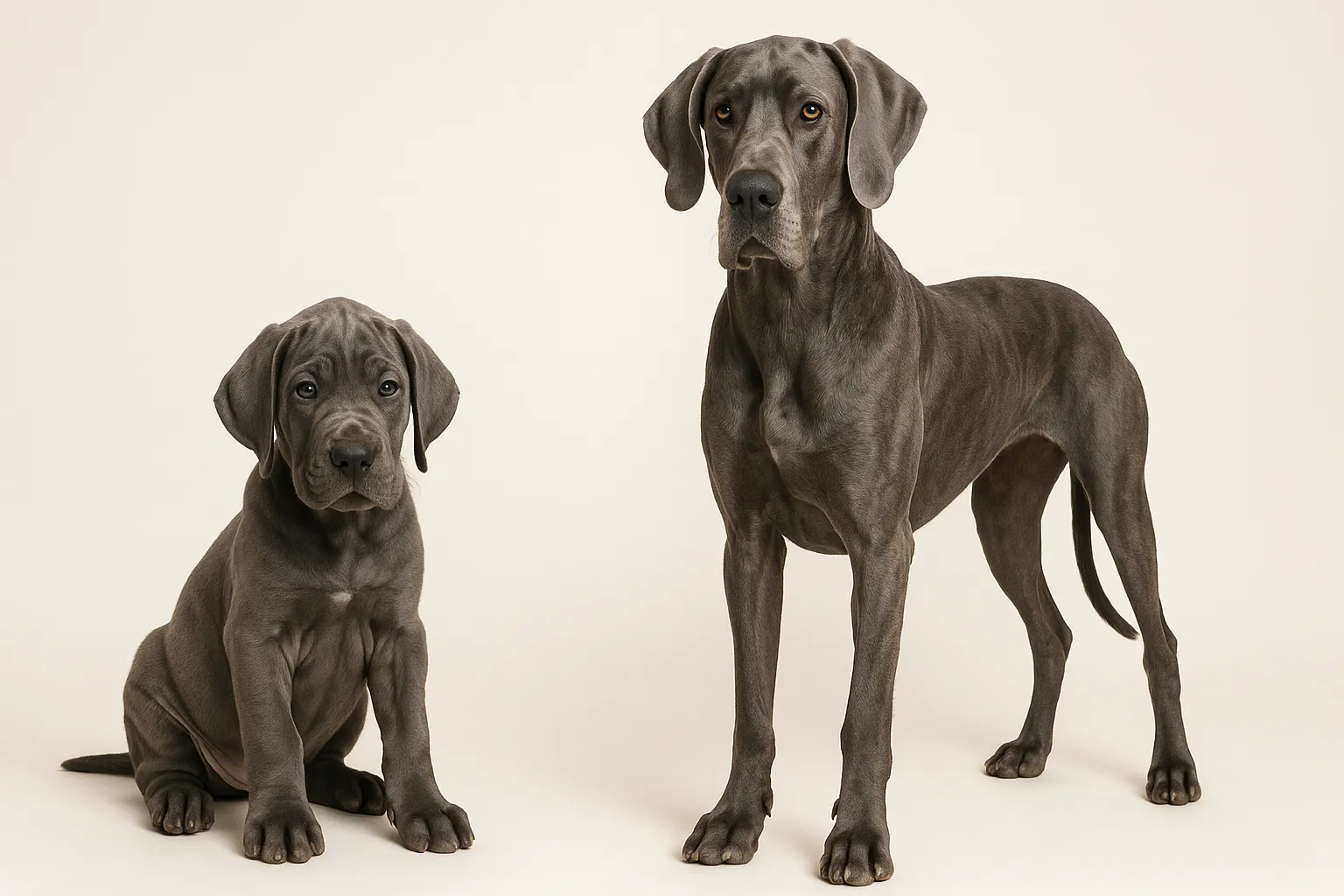
- Great Dane Lifespan & Longevity Guide
- Weimaraner Lifespan & Longevity Guide
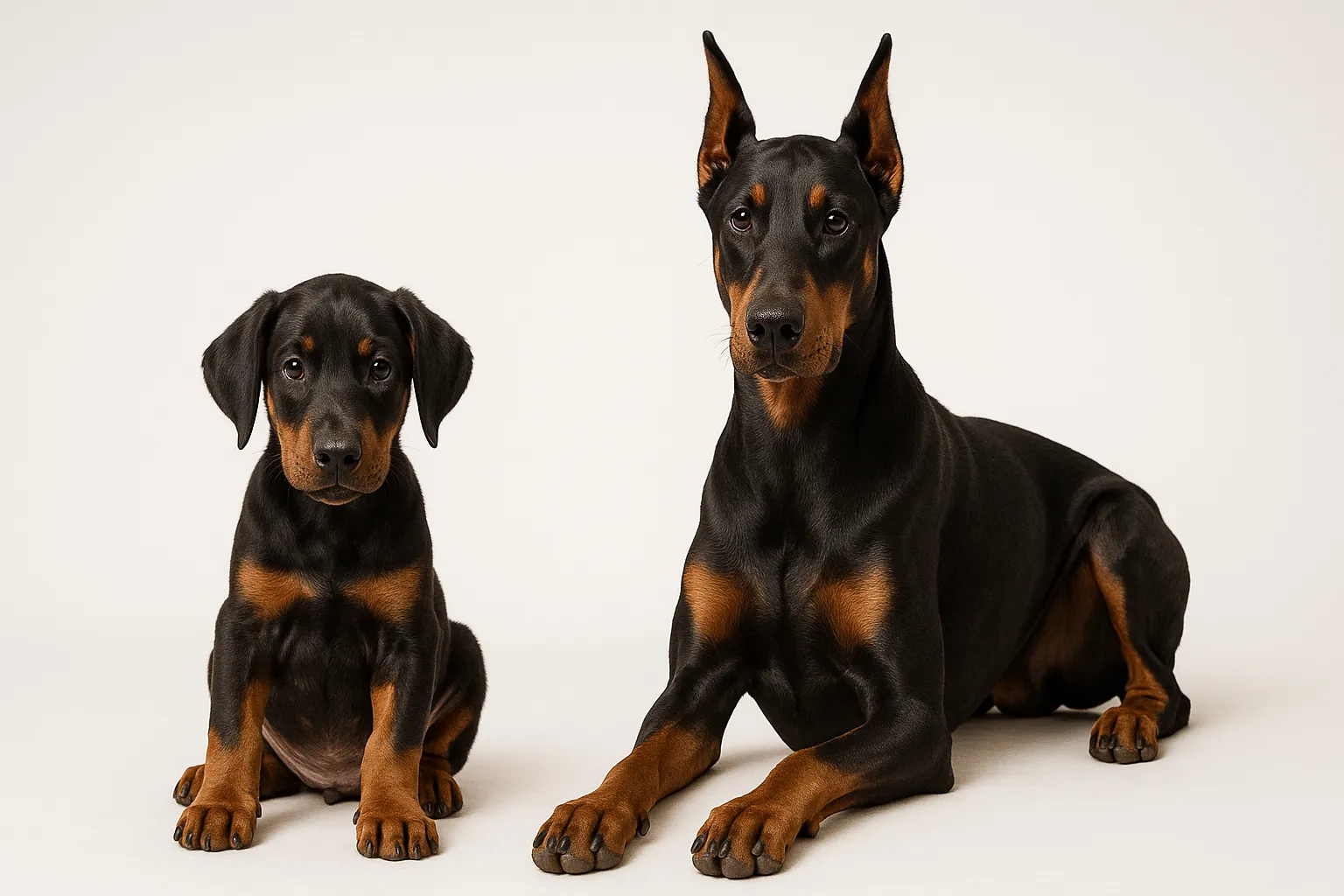
- Doberman Pinscher Lifespan & Longevity Guide
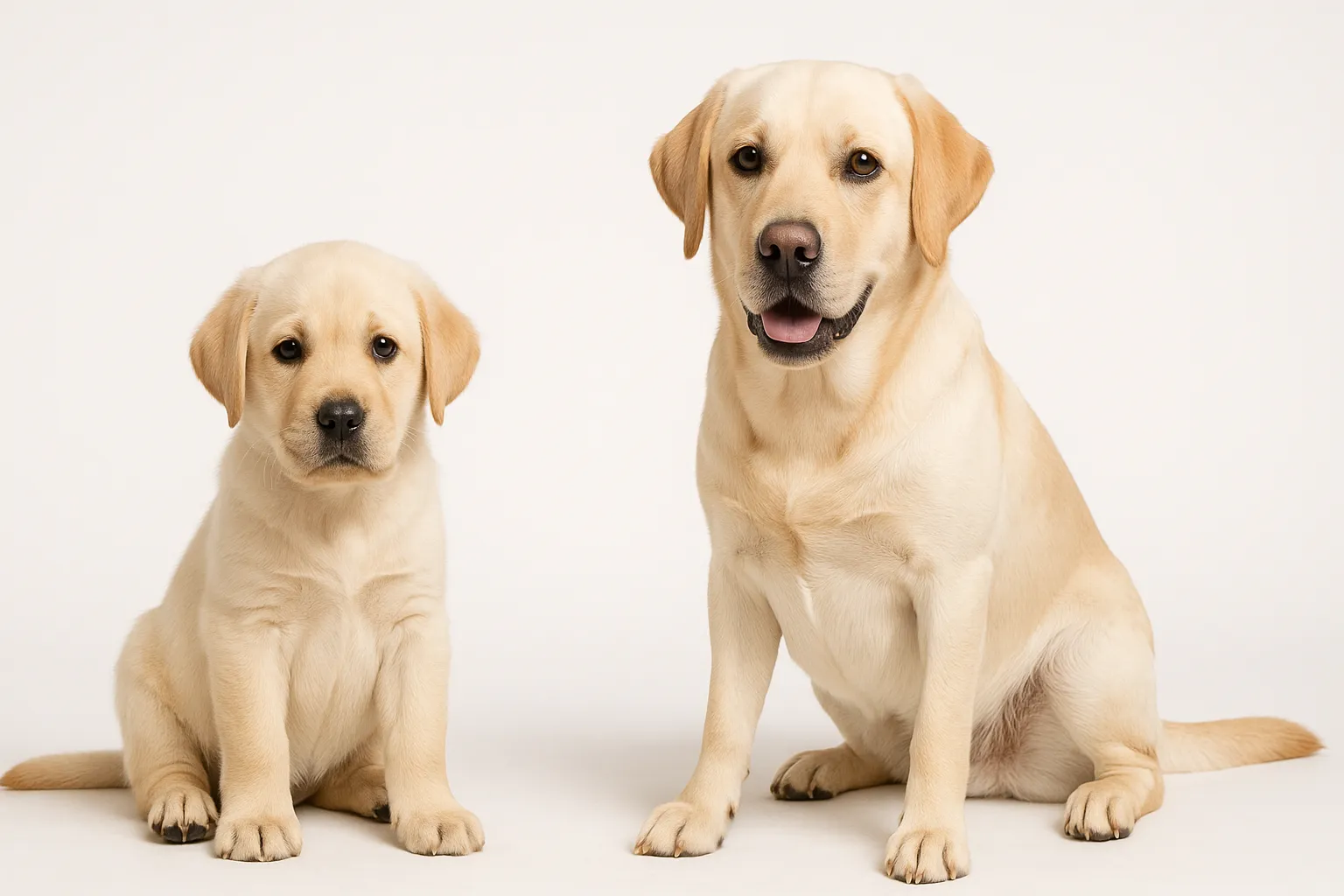
- Labrador Retriever Lifespan & Longevity Guide
Large-breed puppy feeding protocols that avoid excess calcium supplementation and support controlled growth rates are part of the preventive framework for developmental bone disease.
Additional Breeds at Elevated Risk
Frequently Asked Questions
Is HOD related to the distemper vaccine?
A temporal association between modified-live distemper vaccination and HOD onset has been reported, particularly in Weimaraners. However, the causal relationship is not proven, and withholding distemper vaccination is not recommended as it prevents a far more serious disease. Discuss vaccine timing with your veterinarian if your puppy has a history of HOD.
Will HOD cause permanent damage to my puppy’s bones?
Mild to moderate cases typically heal without lasting damage. Severe cases, particularly with significant periosteal bone production and growth plate involvement, can cause angular deformity of the radius and ulna. Weimaraners with recurrent severe disease have the highest risk of permanent skeletal changes.
Should a puppy with HOD restrict all exercise?
Yes, during the acute phase. Complete rest is appropriate while fever and pain are present. As the puppy recovers, controlled leash walking is gradually reintroduced over 1-2 weeks. High-impact activity should be avoided until radiographic resolution is confirmed.
My puppy recovered from HOD. Will it come back?
Most dogs have a single episode that resolves permanently. Weimaraners are an exception, with documented recurrent disease across multiple growth periods. Any recurrence of metaphyseal swelling and fever should be re-evaluated radiographically.
Can diet cause HOD?
Excess calcium, phosphorus, or vitamin D supplementation on top of a balanced diet has historically been associated with developmental bone abnormalities in large breeds. However, current evidence does not support diet as a primary cause of HOD in dogs fed appropriately formulated large-breed puppy food without additional mineral supplementation.
Medical Disclaimer
This content is educational and does not replace veterinary evaluation. Hypertrophic osteodystrophy in puppies can progress rapidly. Any large-breed puppy with limb pain and fever should be seen by a veterinarian the same day.
References
- Schulz KS et al. Hypertrophic osteodystrophy. In: Tobias KM, Johnston SA, eds. Veterinary Surgery: Small Animal. Saunders; 2012.
- Woodard JC. Canine hypertrophic osteodystrophy, a study of the spontaneous disease in littermates. Vet Pathol. 1982.
- Harrus S et al. Hypertrophic osteodystrophy in Weimaraners. Isr J Vet Med. 2002.
Related reads
Related Reading
Continue exploring