Evidence deep dives for MDR1 Drug Sensitivity
Pair mechanism-level evidence with practical protocol context before discussing next steps with your veterinarian.
A Gene Mutation That Makes Common Drugs Dangerous
MDR1 drug sensitivity is a genetic condition caused by a mutation in the ABCB1 gene (formerly called MDR1, for Multi-Drug Resistance 1). This gene produces P-glycoprotein, a transport protein that acts as a molecular pump in the blood-brain barrier, intestinal lining, liver, and kidneys. P-glycoprotein’s job is to move certain drugs and toxins out of sensitive tissues — particularly the brain — before they can accumulate to harmful levels.
Dogs with the MDR1 mutation produce little or no functional P-glycoprotein. When they receive drugs that would normally be safely pumped out of the brain by this protein, those drugs accumulate in the central nervous system to toxic concentrations. The result can range from mild sedation to seizures, coma, and death — from medications that are perfectly safe in non-affected dogs.
This is not a drug allergy. It is a pharmacogenetic defect that changes how the body handles specific classes of drugs. The mutation follows autosomal recessive inheritance: dogs with two copies of the mutation (homozygous mutant/mutant) are most severely affected, dogs with one copy (heterozygous mutant/normal) have intermediate sensitivity, and dogs with no copies are unaffected.
Which Breeds Are Affected
The MDR1 mutation is overwhelmingly concentrated in herding breeds and their crosses. Prevalence data from the Washington State University Veterinary Clinical Pharmacology Laboratory:
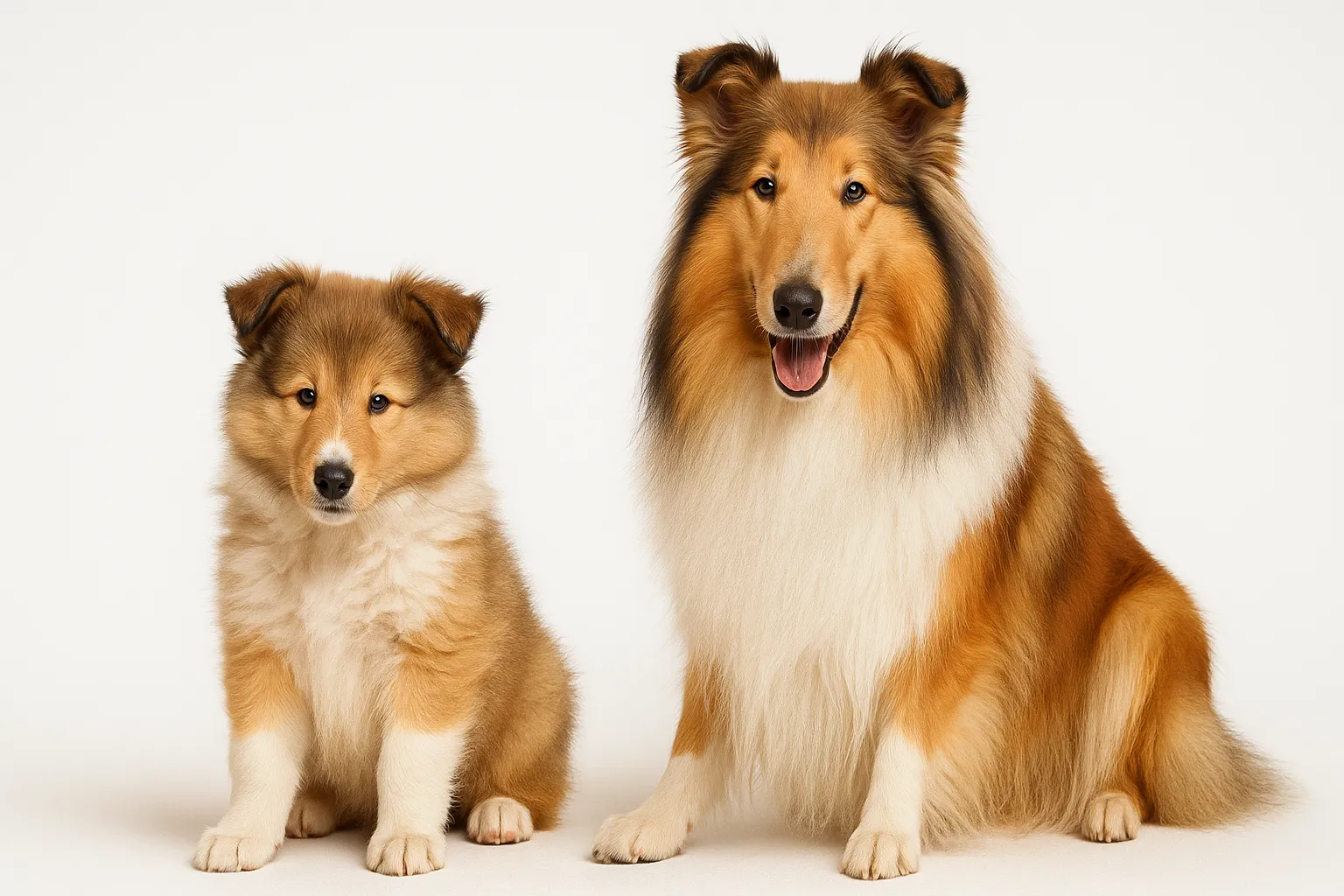
- Collie (Rough and Smooth): ~70% carry the mutation (35% homozygous)
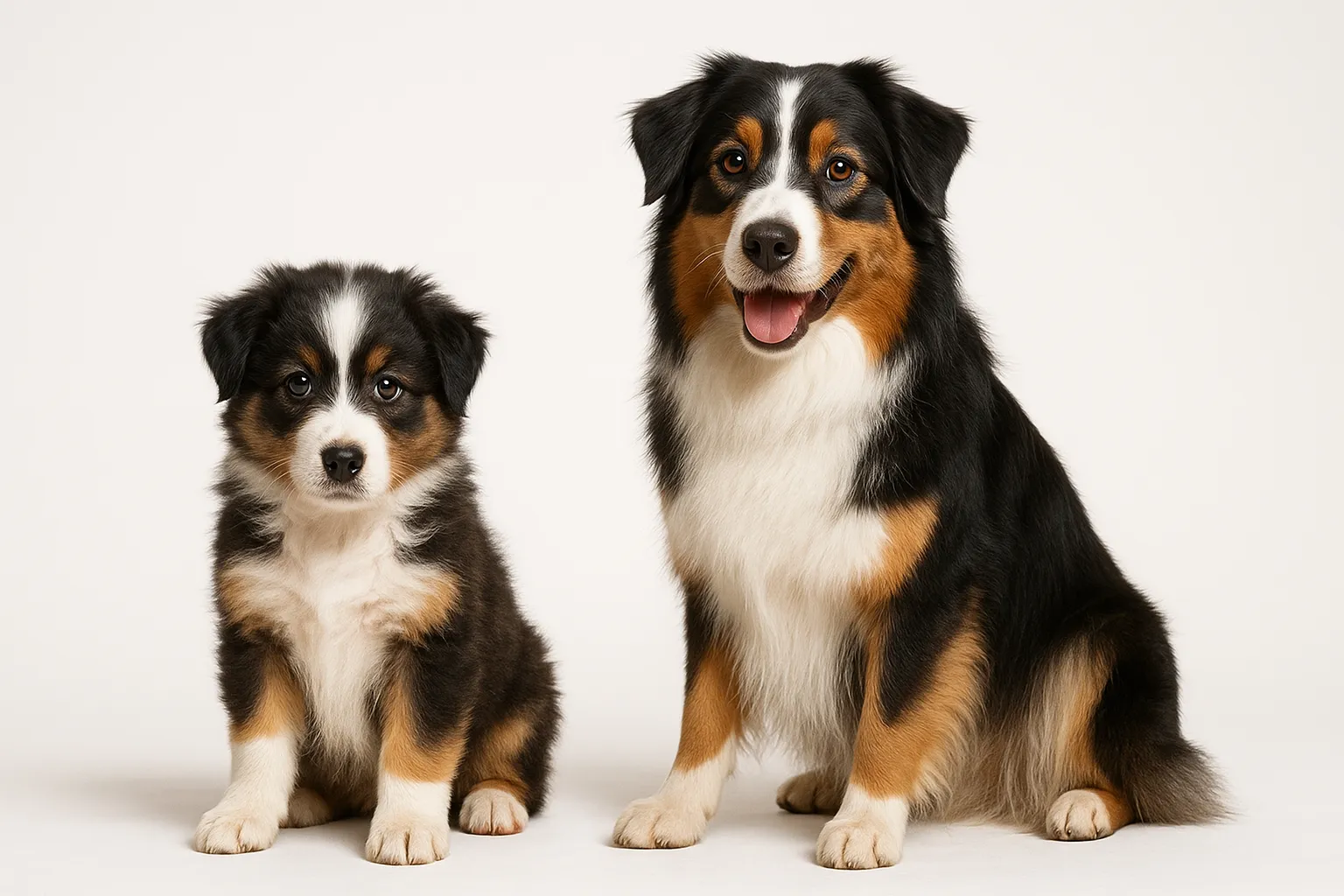
- Australian Shepherd: ~50% carry the mutation
- Shetland Sheepdog: ~15% carry the mutation
- Miniature American Shepherd: ~50% carry the mutation
- Old English Sheepdog: ~5% carry the mutation
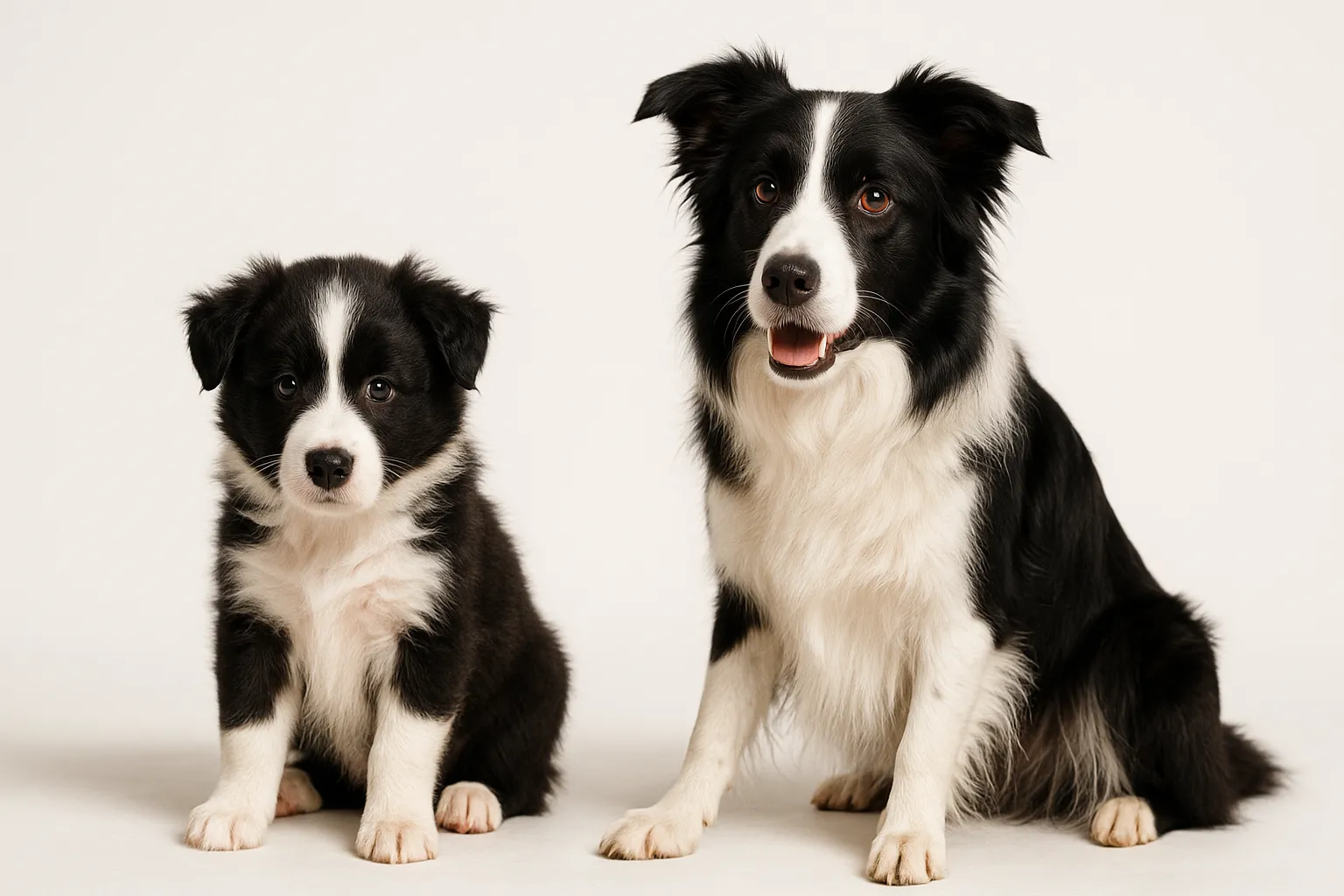
- Border Collie: ~5% carry the mutation
- German Shepherd: ~10% carry the mutation
- Mixed-breed dogs with herding ancestry: Variable, unpredictable
The mutation traces to a single founder event in the herding dog lineage, which is why it clusters so strongly in these related breeds. Any mixed-breed dog with herding breed heritage should be considered potentially affected until tested.
Drugs That Pose a Serious Risk
The following drugs require dose modification or complete avoidance in MDR1-affected dogs:
High risk (potentially fatal at standard doses):
- Ivermectin (at doses used for demodectic mange — heartworm prevention doses are generally safe)
- Milbemycin (at high doses)
- Moxidectin (at high doses)
- Loperamide (Imodium): A common over-the-counter anti-diarrheal that crosses the blood-brain barrier in MDR1 dogs, causing severe CNS depression
- Acepromazine: Commonly used sedative/tranquilizer; effects are profoundly prolonged and exaggerated in affected dogs
Moderate risk (require dose reduction and careful monitoring):
- Butorphanol: Opioid pain medication; prolonged sedation at standard doses
- Vincristine, vinblastine, doxorubicin: Chemotherapy agents with increased toxicity risk
- Cyclosporine: Immunosuppressive; blood levels may be significantly higher than predicted
- Digoxin: Cardiac drug with narrow therapeutic index
- Ondansetron: Anti-nausea medication
Important context: The risk is dose-dependent. Many of these drugs can still be used in MDR1 dogs at reduced doses under veterinary supervision. The danger lies in unknowing administration at standard doses — which is why testing matters.
Testing
MDR1 status is determined by a simple DNA test. There is no reason to guess.
Testing options:
- Washington State University Veterinary Clinical Pharmacology Laboratory: The original and most widely used MDR1 test
- Commercial genetic testing panels: Many providers (Embark, Wisdom Panel, Optimal Selection) include MDR1 status in their breed/health panels
- Sample type: Cheek swab or blood sample
Test results and their meaning:
- Normal/Normal: No mutation. Standard drug protocols are safe.
- Normal/Mutant (heterozygous): One copy of the mutation. These dogs have intermediate P-glycoprotein function. Some drugs may need modest dose adjustments, particularly loperamide and acepromazine.
- Mutant/Mutant (homozygous): Two copies. Severely reduced or absent P-glycoprotein function. Full drug avoidance or significant dose reduction is necessary.
When to test: Every Collie, Australian Shepherd, Shetland Sheepdog, and related breed should be tested before any surgery, illness requiring medication, or heartworm/parasite prevention is prescribed. Testing costs $50-$80 and provides a lifelong answer.
Clinical Signs of an MDR1 Drug Reaction
If an MDR1-affected dog receives a problem drug at a standard dose, signs typically appear within hours:
- Excessive sedation: the dog cannot be roused or responds only minimally to stimulation
- Ataxia: drunken, uncoordinated movement progressing to inability to stand
- Tremors or muscle twitching
- Hypersalivation
- Dilated pupils and apparent blindness
- Bradycardia (slow heart rate)
- Respiratory depression (slow, shallow breathing)
- Seizures
- Coma
The severity depends on the drug, the dose, and whether the dog is heterozygous or homozygous. Ivermectin toxicity at mange-treatment doses in homozygous dogs can be fatal without aggressive supportive care.
Emergency Treatment for Drug Reactions
There is no antidote for MDR1-mediated drug toxicity. Treatment is entirely supportive:
- IV fluid therapy to support circulation and drug elimination
- Lipid emulsion therapy (Intralipid): binds lipophilic drugs and can reduce CNS levels. Increasingly used as a rescue intervention for ivermectin and other lipophilic drug toxicities.
- Mechanical ventilation if respiratory depression is severe
- Anti-seizure medication (levetiracetam) if seizures occur
- Nutritional support (feeding tube if coma is prolonged)
- Thermoregulation (affected dogs may lose temperature regulation)
Recovery from severe ivermectin toxicity can take days to weeks. Dogs in ivermectin-induced coma may require ICU care for an extended period, but recovery is possible even from profound toxicity with aggressive supportive care.
Practical Management for Affected Dogs
At the veterinary clinic:
- Flag your dog’s MDR1 status prominently in the medical record
- Remind every new veterinarian, surgeon, or emergency clinician about the mutation before any drug is administered
- Request that MDR1 status be included on ID tags or in your dog’s emergency file
- Before any anesthetic protocol, ask which drugs will be used and confirm they are safe for MDR1 dogs
At home:
- Do not give loperamide (Imodium) for diarrhea — this is one of the most common accidental exposures
- Use only veterinary-approved heartworm preventatives at labeled doses (most are safe at prevention doses, but confirm with your vet)
- Keep all medications out of reach — accidental ingestion of another pet’s or human medication is a real risk
- Inform pet sitters, groomers, and boarding facilities about the condition
Breeding decisions:
- MDR1 status should be part of breeding pair evaluation
- Breeding two carriers (Normal/Mutant) produces 25% homozygous affected puppies
- The goal is not to eliminate carriers from the gene pool (which would dangerously narrow the breeding base in some breeds) but to make informed mating decisions
Feeding and Nutritional Considerations
MDR1 drug sensitivity does not require dietary modification. However:
- Some herbal supplements and natural products may interact with P-glycoprotein pathways — discuss any supplements with your veterinarian
- During recovery from drug toxicity, nutritional support (including tube feeding if necessary) is critical
- Milk thistle is sometimes used for hepatic support in dogs recovering from drug toxicity, but consult your veterinarian before adding any supplement in MDR1-affected dogs, as P-glycoprotein interactions may alter supplement handling
For general breed-appropriate nutrition:
- Feeding Guide for Adult Dogs: Maintenance Nutrition Without Drift
- Probiotics for Dogs may support gut recovery after prolonged supportive care, though P-glycoprotein interactions with any oral product should be discussed with your veterinarian
When to Go to the ER Today
If your MDR1-affected dog has been exposed to any problem drug and shows:
- Excessive, unrousable sedation
- Inability to stand or walk
- Tremors, seizures, or muscle rigidity
- Slow or shallow breathing
- Unresponsiveness to voice or touch
This is a medical emergency. Bring the drug container or packaging to the ER so the veterinary team knows exactly what was ingested, the dose, and the timing.
Related Condition Pathways
- Heartworm Disease: Preventative drug selection must account for MDR1 status
- Seizures & Epilepsy: MDR1 drug reactions can cause seizures that mimic primary epilepsy
- Cancer: Chemotherapy drug selection and dosing must be modified for affected dogs
Related Breed Longevity Guides
- Collie Lifespan & Longevity Guide
- Australian Shepherd Lifespan & Longevity Guide
- Shetland Sheepdog Lifespan & Longevity Guide
- Border Collie Lifespan & Longevity Guide
- Old English Sheepdog Lifespan & Longevity Guide
- German Shepherd Lifespan & Longevity Guide
Deeper Dives Into the Science
- Genetic Testing for Dogs: Clinical ROI
- Polypharmacy Management in Senior Dogs
- Anesthesia Risk in Dogs by Age and Breed
Additional Breeds at Elevated Risk
Frequently Asked Questions
Should I test my mixed-breed dog for MDR1?
If your mixed-breed dog has any herding breed heritage — Collie, Australian Shepherd, Sheltie, Border Collie, or similar — testing is recommended. The mutation can persist through multiple generations of crossbreeding. Many commercial DNA panels include MDR1 testing alongside breed identification.
Is heartworm prevention safe for MDR1 dogs?
Yes, at labeled prevention doses. The ivermectin dose in monthly heartworm preventatives (6 mcg/kg) is far below the toxic threshold even for homozygous MDR1 dogs. The danger arises when ivermectin is used at much higher doses (300-600 mcg/kg) for mange treatment. Always use the prevention product exactly as labeled.
Can MDR1 dogs ever receive the problem drugs safely?
In some cases, yes — at significantly reduced doses under close veterinary monitoring. The decision depends on whether safer alternatives exist, the severity of the condition being treated, and the dog’s specific MDR1 genotype (heterozygous dogs tolerate more than homozygous dogs).
Is the MDR1 mutation the same as ivermectin sensitivity?
MDR1 was originally identified through ivermectin toxicity in Collies, which is why it is sometimes called “ivermectin sensitivity.” But the mutation affects sensitivity to many drugs beyond ivermectin. The term “MDR1 drug sensitivity” or “ABCB1 mutation” more accurately describes the scope of the condition.
Can a dog be tested at any age?
Yes. The MDR1 mutation is present from birth and does not change over the dog’s lifetime. Testing a puppy gives a result that remains valid forever. Ideally, test before the first veterinary procedure requiring medication.
Medical Disclaimer
This content is educational and does not replace veterinary guidance. All medication decisions for MDR1-affected or potentially affected dogs should be made in consultation with a veterinarian aware of the dog’s genetic status.
References
- Mealey KL et al. Frequency of the mutant MDR1 allele associated with multidrug sensitivity in a sample of herding breed dogs living in Australia. Vet Parasitol. 2005;131(3-4):193-196.
- Mealey KL. Therapeutic implications of the MDR-1 gene. J Vet Pharmacol Ther. 2004;27(5):257-264.
- Washington State University Veterinary Clinical Pharmacology Laboratory. MDR1 FAQ and drug list. vcpl.vetmed.wsu.edu.
- Geyer J et al. Breed distribution of the nt230(del4) MDR1 mutation in dogs. Vet J. 2005;169(1):67-71.
- Dowling P. Pharmacogenetics: it’s not just about ivermectin in Collies. Can Vet J. 2006;47(12):1165-1168.
Related reads
Related Reading
Continue exploring