Evidence deep dives for Nasal Aspergillosis
Pair mechanism-level evidence with practical protocol context before discussing next steps with your veterinarian.
A Fungal Infection That Destroys From the Inside
Nasal aspergillosis is a fungal infection of the nasal passages caused by Aspergillus fumigatus — a mold so common in the environment that every dog encounters its spores daily. It lives in soil, organic debris, hay, and decaying plant material. Healthy dogs with intact nasal mucosa clear these spores without trouble. But when infection takes hold, the fungus colonizes the turbinate bones inside the nasal cavity and progressively destroys their delicate scroll-like architecture.
The disease comes in two forms. Sinonasal aspergillosis (SNA) is the more common presentation — a localized infection that, while destructive within the nose, rarely spreads beyond the nasal cavity in immunocompetent dogs. Disseminated aspergillosis is the far more serious systemic form, most often affecting German Shepherd Dogs and other immunocompromised patients.
The fungus is not passive. Aspergillus fumigatus produces enzymes and secondary metabolites that break down mucosal tissue, erode turbinate bone, and provoke intense local inflammation. Over time, turbinate destruction creates enlarged nasal chambers with poor mucociliary clearance, creating a vicious cycle that perpetuates the infection. On rhinoscopy, the fungal plaques appear as white-gray to green, velvety colonies adhering to the turbinates.
Why some dogs develop this infection while others exposed to identical environments do not remains unclear. Dolichocephalic (long-nosed) breed conformation, prior nasal trauma, foreign body penetration, and poorly characterized local immune defects are all proposed risk factors. The disease is not contagious.
Why Early Treatment Preserves Nasal Function
Untreated nasal aspergillosis causes progressive, irreversible turbinate destruction. The longer the infection persists, the more nasal architecture is permanently lost. Turbinate bone does not regenerate, which means successful treatment eliminates the fungus but cannot restore the structures it destroyed.
Dogs with longstanding disease may end up with chronically enlarged, poorly functioning nasal cavities susceptible to recurrent bacterial infections. From a longevity perspective, the burden compounds: chronic inflammation from active fungal infection, repeated antibiotic courses for secondary bacterial infections, and persistent nasal discomfort that affects appetite and sleep quality all degrade long-term health trajectory.
The takeaway is straightforward: early treatment, before extensive turbinate loss, produces the best functional outcomes.
Recognizing the Early Signs
Nasal aspergillosis typically presents with a characteristic but initially subtle cluster of signs:
- Mucopurulent nasal discharge, often unilateral at first, progressing to bilateral
- Epistaxis (nosebleeds) ranging from blood-tinged mucus to active bleeding
- Depigmentation or loss of the normal cobblestone texture on one or both nostrils
- Nasal pain: the dog rubs its nose on surfaces, resists touch, or flinches when approached from the front
- Sneezing in bursts, and reverse sneezing
- Decreased airflow through the affected side
- Facial asymmetry or soft tissue swelling around the bridge of the nose in advanced cases
The classic early presentation is a young to middle-aged dog with a medium or long nose showing unilateral discharge with blood. Any dog matching this pattern deserves prompt evaluation rather than empirical antibiotics without investigation.
How the Diagnosis Is Made
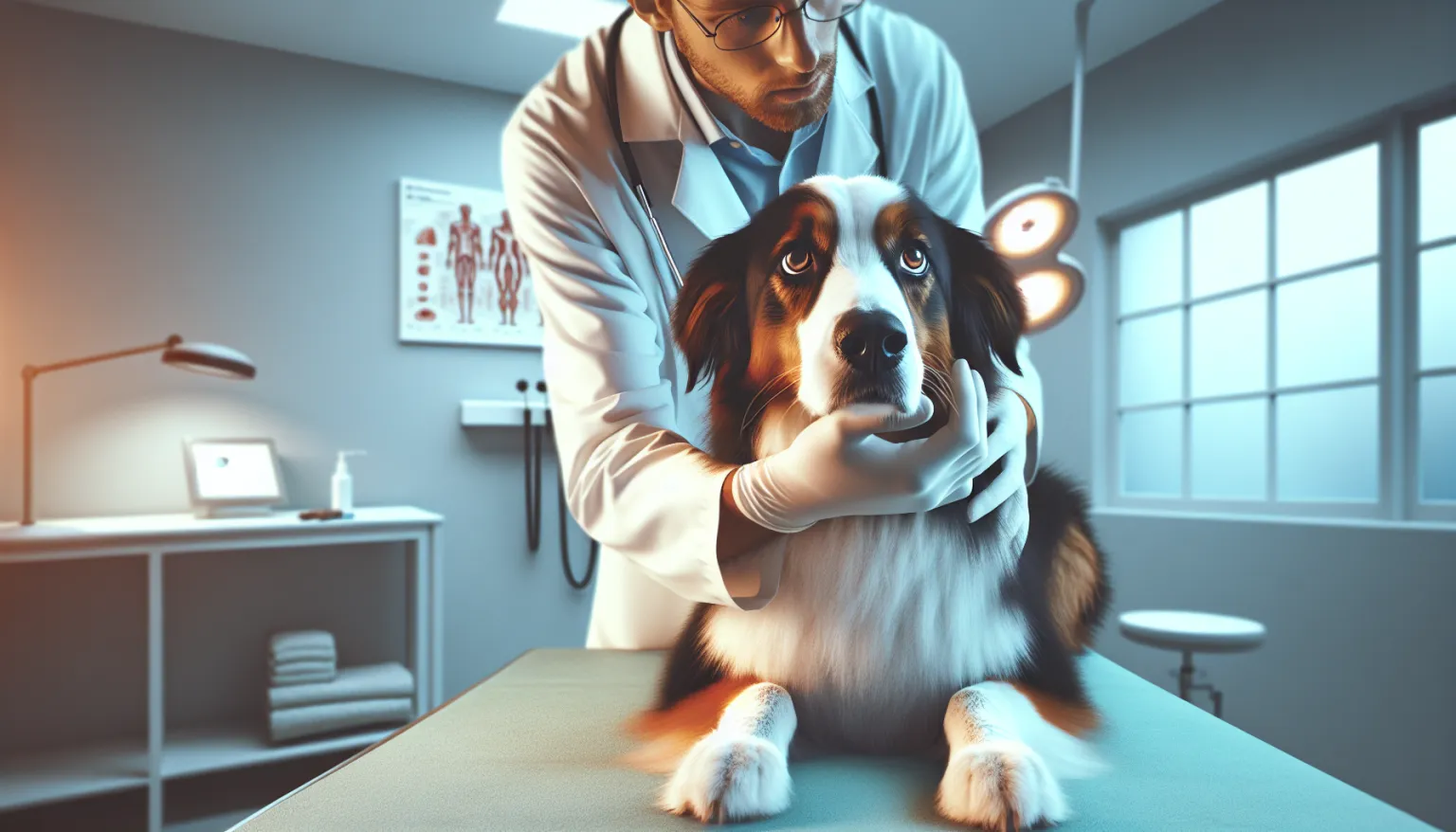
Diagnosis requires rhinoscopy and/or advanced imaging combined with cytology or culture. CT scan of the nasal passages and frontal sinuses is the imaging modality of choice — it reveals turbinate destruction patterns, fungal plaque densities, and critically, whether the cribriform plate (the thin bone separating the nasal cavity from the brain) is intact. This last point matters because a breached cribriform plate changes treatment planning significantly.
Rhinoscopy allows direct visualization of Aspergillus colonies and targeted biopsy or brush cytology for fungal elements. Nasal discharge culture alone has poor sensitivity and specificity and should never be the sole diagnostic test. Serology (Aspergillus precipitin tests or ELISA) can support the diagnosis but has variable sensitivity in dogs and works best alongside other findings.
Diagnostic components:
- CT scan of nasal passages and frontal sinuses: turbinate destruction pattern, fungal plaque locations, cribriform plate assessment
- Rhinoscopy under general anesthesia: direct visualization, biopsies, and brush cytology of fungal colonies
- Cytology of nasal discharge or brushings: identification of Aspergillus hyphae (branching, septate)
- Aspergillus serology (precipitins, ELISA): supportive evidence; interpret alongside imaging and direct findings
- Culture of nasal brushings on Sabouraud dextrose agar: confirms species identity; not sufficient alone for diagnosis
- Complete blood count and chemistry panel: generally normal in sinonasal aspergillosis; immunodeficiency screen if disseminated form suspected
Treatment: Topical Infusion Leads the Evidence
Intranasal clotrimazole infusion is the most evidence-supported treatment and the current standard of care. The procedure is performed under general anesthesia with rhinoscopic guidance. A 1% clotrimazole solution is infused directly into the nasal passages and frontal sinuses, held in contact with the nasal mucosa for 60-120 minutes using inflatable catheters, then flushed. Published cure rates after a single procedure range from 65-90%, with retreatment available for dogs that do not fully respond.
Oral systemic antifungals — itraconazole (5 mg/kg daily), voriconazole, or posaconazole — serve as alternatives when intranasal treatment is not feasible or as adjuncts for frontal sinus involvement that topical infusion cannot fully reach. Systemic courses typically run 6-12 weeks and require monitoring for hepatotoxicity via serial liver enzymes. Alone, systemic therapy has lower cure rates than topical infusion.
Surgical debridement has been performed, but evidence for better outcomes over medical treatment is limited, and accessing all turbinate surfaces is anatomically constrained. Most cases are managed with topical infusion, with or without systemic azole therapy.
Practical treatment steps:
- Schedule rhinoscopy and intranasal clotrimazole infusion at a center experienced with the procedure
- Administer systemic itraconazole for 6-12 weeks when frontal sinus involvement is present or intranasal infusion alone is insufficient
- Monitor liver enzymes (ALT, ALP) monthly during systemic azole therapy due to hepatotoxicity risk
- Recheck CT or rhinoscopy 4-6 weeks after treatment to assess fungal plaque clearance
- Treat concurrent bacterial rhinitis with appropriate antibiotics identified via culture and sensitivity
Getting Started: The First 12 Weeks
- Weeks 1-2 (baseline lock-in): Confirm the diagnosis, start a shared household log, and capture daily markers including nasal discharge quality, appetite, energy, activity tolerance, and sleep quality.
- Weeks 3-4 (adherence audit): Verify that every caregiver follows the same protocol. Identify friction points causing missed medication doses, and fix the biggest reliability gap.
- Weeks 5-6 (response checkpoint): Compare current trends against baseline. Escalate quickly if core markers are not improving. Avoid changing multiple variables in the same week.
- Weeks 7-8 (risk tightening): Predefine escalation thresholds for severe symptoms. Confirm the after-hours emergency route. Align all caregivers so urgent signs are never handled as watch-and-wait.
- Weeks 9-10 (resilience build): Reinforce the nutrition and activity routines your veterinarian has cleared. Convert short-term stabilization into durable function.
- Weeks 11-12 (handoff to maintenance): Document the long-term reassessment cadence. Decide which metrics must stay on the weekly tracker. Schedule the next checkpoint before momentum drops.
The Drift That Gets Missed
Families often wait for dramatic symptoms before escalating, but nasal aspergillosis outcomes improve most when the response begins at first measurable drift — a slight increase in discharge volume, a return of occasional epistaxis, a drop in appetite that seems minor.
Missing a short reassessment window can turn a manageable situation into a longer treatment course with more turbinate damage, more cost, and slower recovery. The most common process failure is inconsistent household execution, where each caregiver follows a slightly different version of the medication and monitoring plan.
Consistent weekly tracking of one objective data point is the simplest way to detect regression before it becomes visible to the casual eye.
Nutritional Considerations
No specific dietary intervention is proven to treat or prevent nasal aspergillosis. What matters is maintaining excellent overall nutritional status and lean body condition to support immune function during treatment. Adequate dietary protein is particularly important during recovery and when systemic illness has suppressed appetite.
Dogs on systemic itraconazole should be watched for appetite changes and gastrointestinal side effects (vomiting, anorexia), which can compromise nutritional intake during the treatment window. Offering highly palatable, nutrient-dense food and giving medication with food can reduce GI side effects.
- Feeding Guide for Adult Dogs: Maintenance Nutrition
- Multi-Vitamin for Dogs: Evidence Review
- Milk Thistle for Dogs: Evidence and Dosing — hepatoprotective support during systemic itraconazole therapy, which carries hepatotoxicity risk
For evidence context and execution details, review:
- Annual Wellness Testing Protocol for Dogs
- Genetic Testing for Dogs: Clinical ROI
- Senior Dog Screening Protocol
Monitoring During and After Treatment
Response monitoring ensures treatment is working and catches recurrence early:
- Nasal discharge character and volume should visibly improve within 4-6 weeks of effective treatment
- Liver enzyme panel (ALT, ALP) monthly during systemic azole therapy; discontinue if significant hepatotoxicity occurs
- CT or rhinoscopy recheck 6-8 weeks after intranasal infusion to assess fungal clearance and turbinate status
- Watch for recurrence signs (return of discharge, epistaxis) at 3 and 6 months post-treatment
- Blood count and chemistry panel before anesthesia for repeat procedures
Dogs achieving complete antifungal response — no visible fungal colonies on rhinoscopy, resolved discharge, negative cytology — carry an excellent prognosis. A small percentage experience recurrence requiring retreatment.
When to Contact Your Veterinarian
Reach out promptly for:
- Heavy or arterial-level nosebleeds that do not slow within 5-10 minutes of gentle pressure
- Any neurological signs alongside nasal disease: head tilt, seizures, circling, or behavioral change (suggests cribriform plate involvement and potential intracranial extension)
- Failure of nasal discharge to improve within 4-6 weeks of starting treatment
- Facial swelling, nasal bone deformity, or orbital involvement developing
- Sudden return of nasal discharge and nosebleeds after apparent treatment success
Related Condition Pathways
Nasal aspergillosis shares clinical features with several conditions that must be distinguished by imaging and biopsy:
- Nasal Cancer: nasal aspergillosis and nasal neoplasia share many clinical signs and must be differentiated by imaging and biopsy.
- Dental Disease: tooth root infections (particularly upper carnassial teeth) can extend into the nasal cavity and mimic or coexist with aspergillosis.
- Chronic Bronchitis: secondary lower airway infection can occur in dogs with chronic nasal disease and compromised mucociliary function.
These guides provide background for productive veterinary conversations — they do not replace clinical evaluation or treatment planning.
Related Breed Longevity Guides
Nasal aspergillosis shows breed predisposition toward medium to large mesocephalic and dolichocephalic dogs:
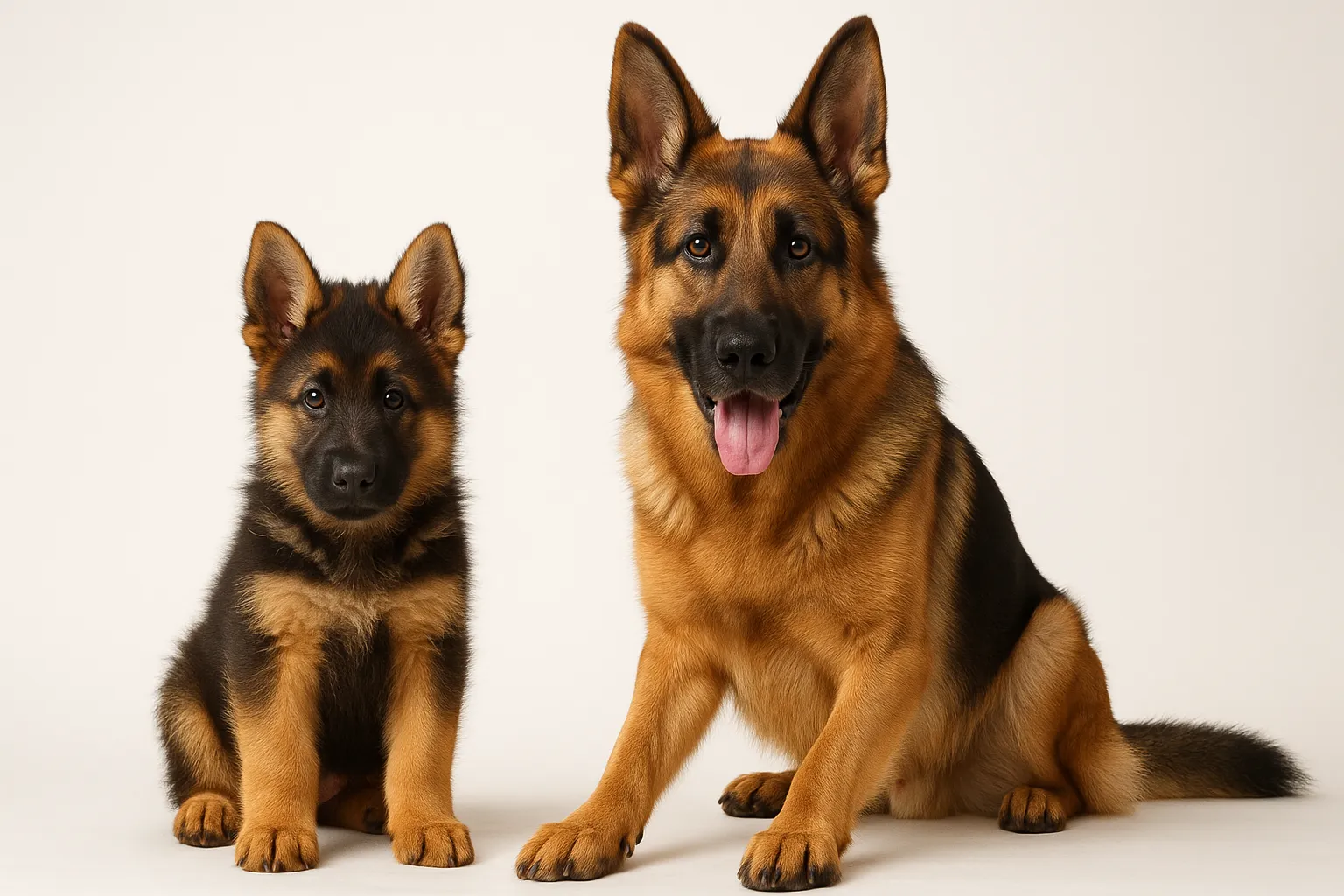
German Shepherd Dogs account for a disproportionate number of cases in published series. The disseminated (systemic) form of aspergillosis, which carries a far worse prognosis, is particularly associated with German Shepherds and may reflect a breed-specific immune susceptibility.
Frequently Asked Questions
Is nasal aspergillosis contagious to other dogs or people?
No. Nasal aspergillosis is not contagious. Aspergillus fumigatus is ubiquitous in the environment and is inhaled by all dogs and people constantly; it only establishes infection when local or systemic immune defenses are insufficient to clear spores. The disease cannot be transmitted from dog to dog or from dog to human.
How effective is the intranasal clotrimazole infusion?
Intranasal clotrimazole infusion is the standard of care and achieves cure rates of 65-90% in published series, depending on disease extent and frontal sinus involvement. A second procedure is offered for dogs that do not fully respond. The procedure requires general anesthesia and rhinoscopic guidance for best results. Success rates are higher when performed before extensive turbinate destruction.
Will my dog’s sense of smell return after treatment?
Partial or complete return of olfactory function depends on the degree of turbinate damage sustained before treatment. Dogs treated early with limited destruction have better functional recovery. Dogs with extensive turbinate loss will likely have permanently reduced nasal airway function, though most adapt well and maintain acceptable quality of life.
Can nasal aspergillosis become systemic?
In immunocompetent dogs, sinonasal aspergillosis is generally a localized infection. Dissemination is rare but possible if the cribriform plate is breached or if the dog has underlying immune dysfunction. The disseminated form, more common in German Shepherd Dogs, is a much more serious disease with spinal, disc, kidney, and multi-organ involvement and a significantly worse prognosis.
How long does treatment take?
Intranasal clotrimazole infusion is a single procedure (or series of 2-3 procedures if retreatment is needed), each requiring general anesthesia. Adjunct systemic itraconazole therapy typically runs 6-12 weeks. Most dogs show improvement in nasal discharge within 4-6 weeks of successful treatment. Full resolution of inflammation and secondary bacterial infection may take several more weeks.
Medical Disclaimer
This content is for educational purposes only and does not constitute veterinary medical advice. Nasal aspergillosis requires professional diagnosis via rhinoscopy, imaging, and mycological testing. Treatment with antifungal agents requires veterinary supervision and monitoring for drug toxicity.
References
- Peeters D, Clercx C. Update on canine sinonasal aspergillosis. Vet Clin North Am Small Anim Pract. 2007;37(5):901-916.
- Sissener TR, Bacon NJ, Friend E, et al. Combined clotrimazole irrigation and depot therapy for canine nasal aspergillosis. J Small Anim Pract. 2006;47(6):312-315.
- Mathews KG, Linder KE, Davidson GS, et al. Assessment of clotrimazole distribution from a single intrasinus infusion in dogs with frontal sinus aspergillosis: a pilot study. Vet Surg. 2009;38(1):93-101.
- Pomrantz JS, Johnson LR. Endoscopic examination of the nasal cavities and paranasal sinuses. Vet Clin North Am Small Anim Pract. 2009;39(5):869-880.
- Sharp NJH, Harvey CE, Sullivan M. Canine nasal aspergillosis/penicilliosis. Compend Contin Educ Pract Vet. 1991;13(1):41-49.
Related reads
Related Reading
Continue exploring