Evidence deep dives for Reverse Sneezing
Pair mechanism-level evidence with practical protocol context before discussing next steps with your veterinarian.
The Snorting Episode That Alarms Every Owner
Your small dog suddenly stops, extends their neck, and begins making rapid, forceful inhalations through the nose, producing a loud snorting or honking sound. Their sides may heave. Their eyes may bulge. The episode lasts 15-60 seconds, then stops as suddenly as it started. Your dog walks away as if nothing happened.
You, meanwhile, are convinced your dog just had a seizure, an asthma attack, or stopped breathing.
Reverse sneezing (pharyngeal gag reflex or inspiratory paroxysmal respiration) is one of the most common reasons dog owners search online in a state of alarm. The episodes look and sound dramatic. But in the vast majority of cases, reverse sneezing is a benign, self-limiting reflex that causes no harm, no pain, and no long-term consequences.
Understanding what reverse sneezing is, why it happens, and how to distinguish it from conditions that actually do require veterinary intervention can save you considerable anxiety.
What Exactly Happens During a Reverse Sneeze
In a normal sneeze, air is rapidly expelled outward through the nose to clear an irritant from the nasal passages. In a reverse sneeze, air is rapidly and forcefully pulled inward through the nose, creating the characteristic loud snorting or honking sound.
The reflex is triggered by irritation or spasm of the soft palate and/or nasopharyngeal area (the back of the nasal cavity where it meets the throat). When this tissue is irritated, the dog reflexively extends the neck, opens the mouth slightly, and makes rapid inspiratory efforts. The abdominal muscles contract forcefully to pull air in through the narrowed nasopharynx.
The mechanics are essentially the opposite of a regular sneeze. Both are protective reflexes designed to clear the upper airway, but they look and sound very different.
Signs and Symptoms
A reverse sneezing episode has distinctive features:
- Sudden onset: The dog stops what they are doing mid-activity
- Posture: Standing or braced position, neck extended forward, elbows splayed
- Sound: Rapid, loud snorting, honking, or snuffling inhalations. Described by many owners as the dog “trying to breathe in and sneeze at the same time”
- Duration: Typically 15-60 seconds, rarely exceeding 1-2 minutes
- Frequency: Variable. Some dogs have episodes daily, others weekly, and some only occasionally
- Resolution: Abrupt and complete. After the episode, the dog immediately returns to normal behavior
- Between episodes: Completely normal. No coughing, no labored breathing, no exercise intolerance
What reverse sneezing is NOT:
- It is not choking (the dog can breathe throughout the episode)
- It is not a seizure (the dog remains conscious and standing)
- It is not asthma (dogs do not develop asthma in the same way humans and cats do)
- It is not tracheal collapse (though the sounds can be similar, the pattern is different)
- It is not kennel cough (which produces a persistent dry cough, not episodic snorting)
Common Triggers
Reverse sneezing episodes are triggered by irritation of the nasopharynx or soft palate:
- Environmental irritants: Pollen, dust, perfumes, cleaning products, air fresheners, cigarette smoke
- Excitement: Sudden excitement, play, or greeting behavior
- Eating or drinking: Rapid eating or drinking can trigger the reflex
- Pulling on a leash: Pressure on the trachea and pharynx, particularly with neck collars
- Temperature changes: Moving from warm to cold air (or vice versa)
- Nasal mites (Pneumonyssoides caninum): An uncommon but treatable parasitic cause of persistent reverse sneezing
- Foreign bodies: Grass seeds or plant material in the nasal passages
- Allergies: Seasonal allergies can increase the frequency of episodes
- Elongated soft palate: In brachycephalic breeds, the anatomically long soft palate is more prone to nasopharyngeal irritation
Which Breeds Are Most Affected
Reverse sneezing can occur in any dog, but it is more common and more frequent in:
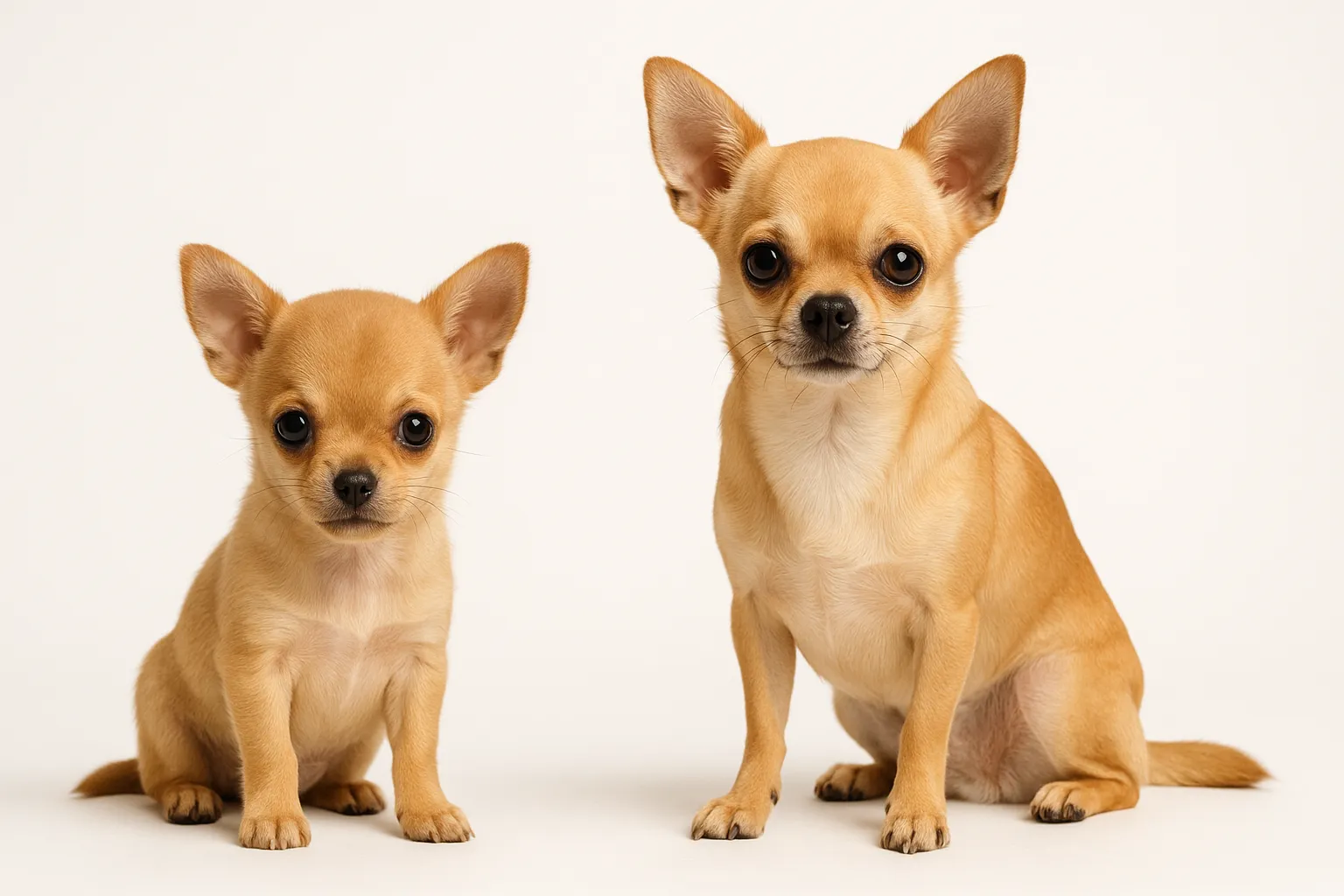
- Chihuahua — one of the breeds most commonly affected, possibly due to small nasopharyngeal anatomy
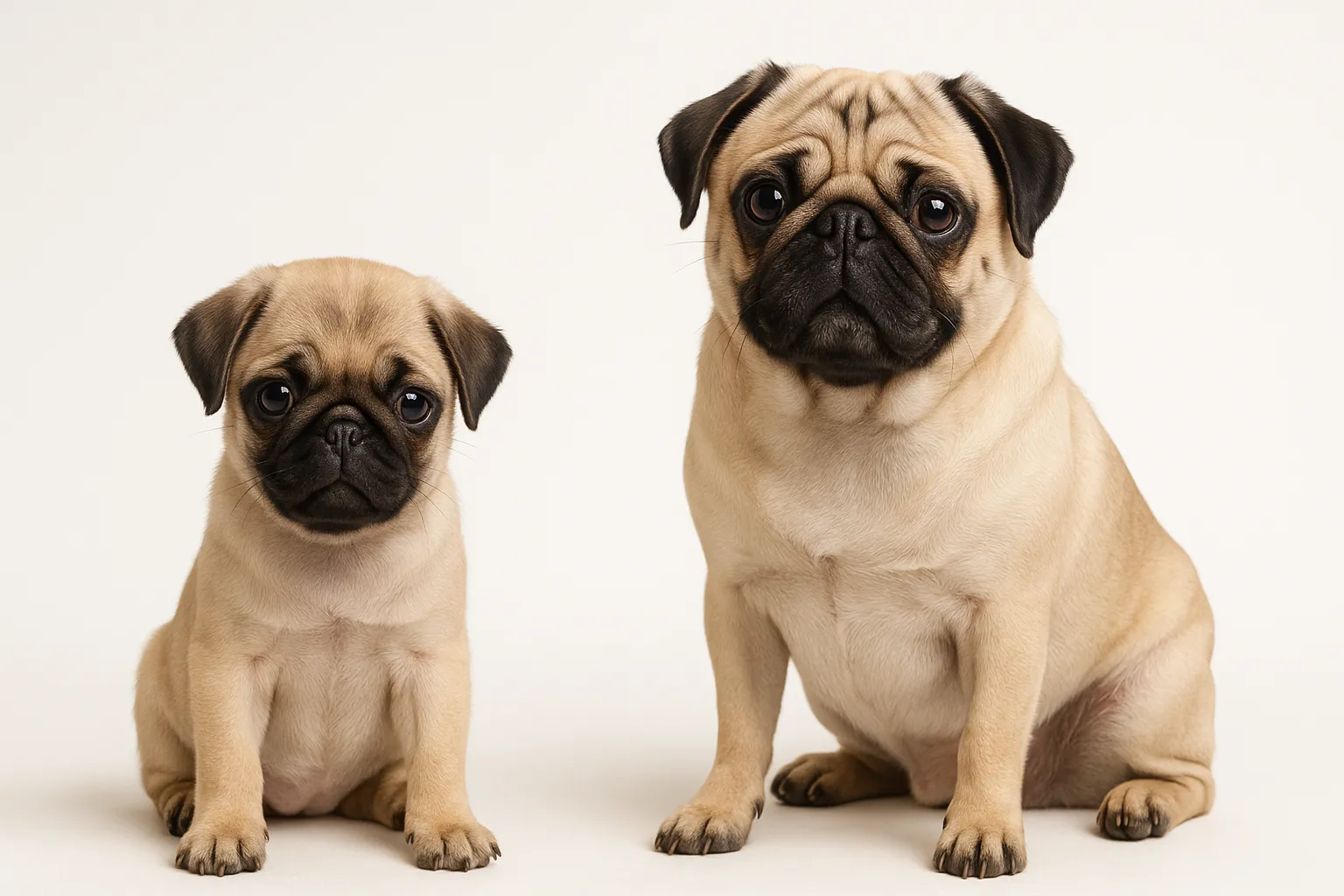
- Pug — brachycephalic anatomy creates a narrowed nasopharynx with an elongated soft palate
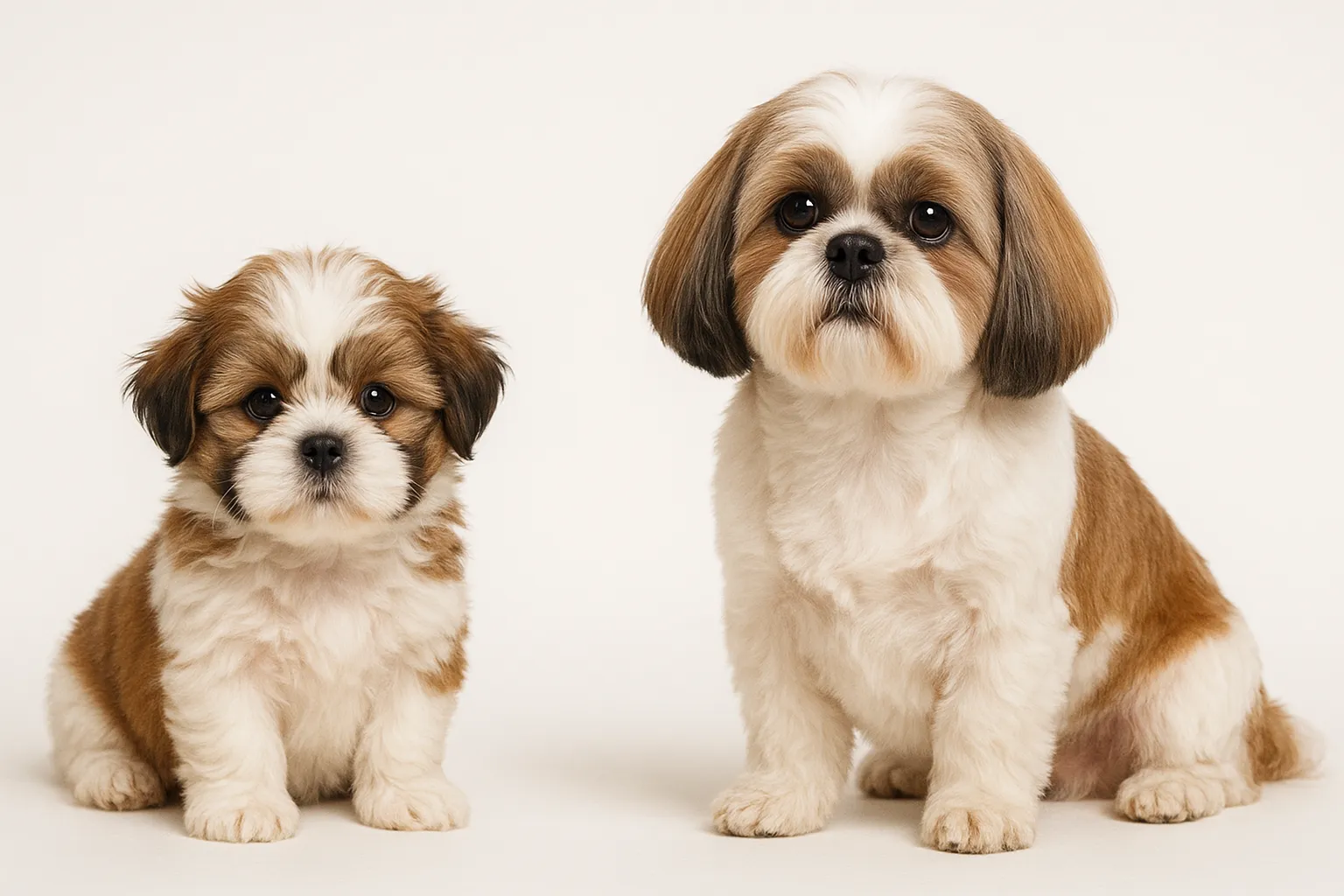
- Shih Tzu — brachycephalic anatomy predisposes to soft palate irritation
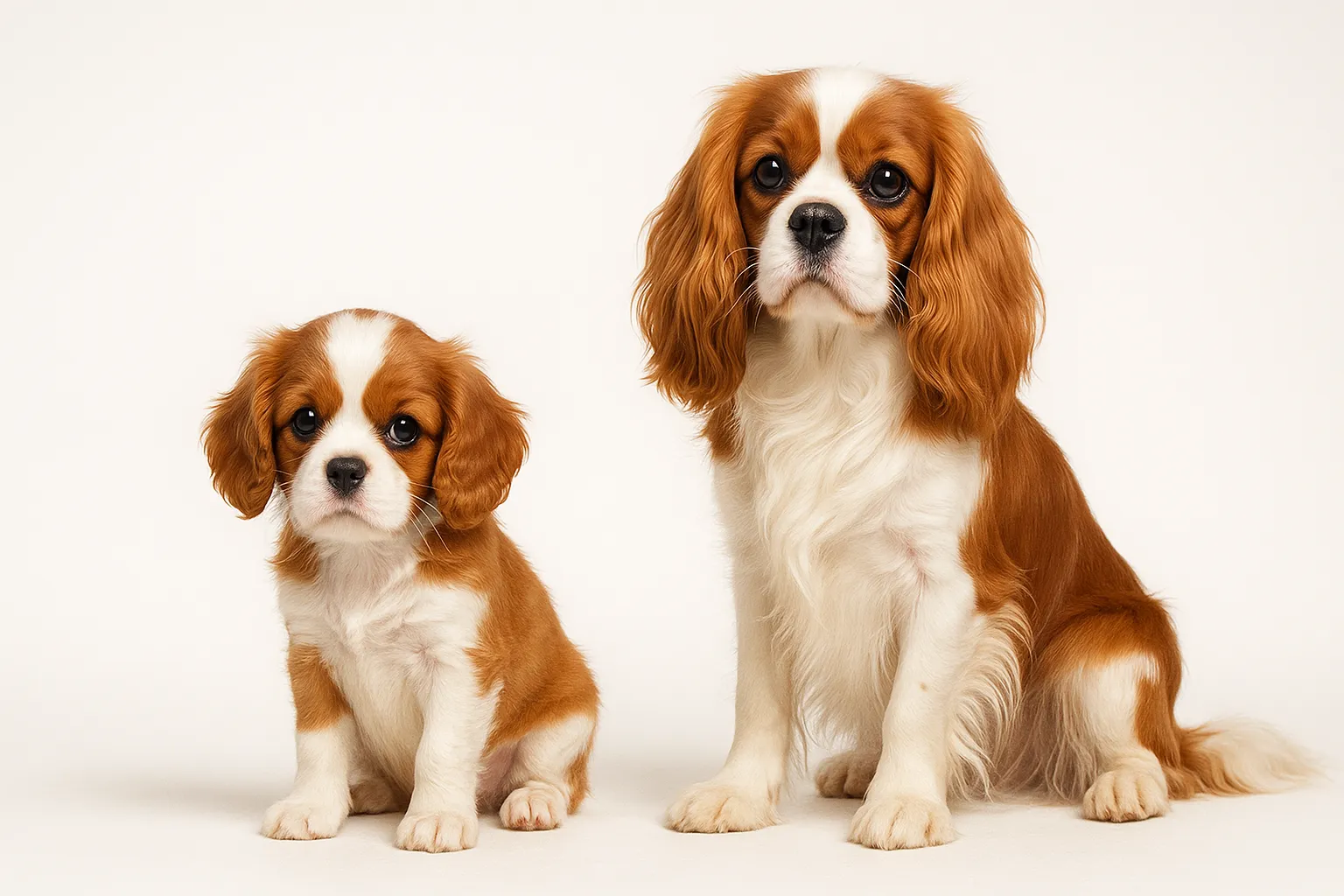
- Cavalier King Charles Spaniel — shorter muzzle and nasopharyngeal anatomy
- Boston Terrier — brachycephalic anatomy
- Pomeranian — small breed with predisposition
- Miniature Pinscher — small breed affected
- Yorkshire Terrier — toy breed predisposition
Brachycephalic breeds are more frequently affected because their shortened skulls create compressed nasal passages and elongated soft palates. The soft palate in these breeds extends further into the pharynx than in dolichocephalic (long-nosed) breeds, providing more tissue to be irritated and trigger the reflex. This is part of the broader brachycephalic syndrome complex.
What to Do During an Episode
In most cases, the best response is calm reassurance:
- Stay calm. Your anxiety makes your dog anxious
- Gently stroke the throat in a downward motion, which may help relax the soft palate
- Briefly cover the nostrils for 1-2 seconds to encourage the dog to swallow, which can reset the soft palate position
- Offer a treat or water after the episode ends; swallowing helps
- Do not restrain the dog or force their mouth open
- Record a video of the episode to show your veterinarian (this is genuinely the most useful thing you can do diagnostically)
Most episodes resolve on their own within 30-60 seconds regardless of intervention.
When Reverse Sneezing Is NOT the Diagnosis
While reverse sneezing itself is benign, several conditions can mimic it or present with similar sounds. These require veterinary evaluation:
Tracheal Collapse
Tracheal collapse produces a “goose honk” cough that can sound similar to reverse sneezing. Key differences: tracheal collapse cough is expiratory (occurs while exhaling), is often triggered by excitement or pulling on a leash, and tends to worsen over time. It is most common in small and toy breeds, which overlaps with the reverse sneezing demographic.
Nasal Foreign Body
A grass seed, foxtail, or other plant material lodged in the nasal passage can cause persistent sneezing, reverse sneezing, nasal discharge (often unilateral), and pawing at the nose. If reverse sneezing episodes suddenly become frequent and persistent in a dog that is normally unaffected, nasal foreign body should be investigated.
Nasal Tumors
Nasal tumors in older dogs can cause progressive nasal obstruction, bloody nasal discharge, facial swelling, and increased sneezing or reverse sneezing. These are distinguished from benign reverse sneezing by their progressive nature and accompanying signs.
Brachycephalic Obstructive Airway Syndrome
In severely brachycephalic dogs, reverse sneezing may overlap with brachycephalic syndrome. If episodes are very frequent, accompanied by exercise intolerance, sleep-disordered breathing (snoring, sleep apnea), or cyanosis (blue gums), surgical evaluation for palate shortening may be beneficial.
Nasal Mites
Pneumonyssoides caninum is a nasal mite that causes chronic sneezing, reverse sneezing, and nasal discharge. It is diagnosed by nasal flush or rhinoscopy and is treatable with antiparasitic medications (ivermectin, milbemycin).
Diagnosis
For dogs with typical, infrequent reverse sneezing episodes that resolve spontaneously, no diagnostic workup is needed. The diagnosis is clinical, made by observing the characteristic episode pattern.
Diagnostic investigation is warranted when:
- Episodes are increasing in frequency or duration
- Episodes are accompanied by nasal discharge (especially bloody or unilateral)
- The dog shows exercise intolerance or labored breathing between episodes
- New onset of reverse sneezing in a previously unaffected older dog
- The dog appears distressed during or after episodes
- Episodes are accompanied by coughing, gagging, or regurgitation
Useful diagnostics (when indicated):
- Video of the episode (the single most helpful diagnostic tool for veterinary evaluation)
- Nasal radiographs or CT scan (to rule out foreign bodies, tumors, or structural abnormalities)
- Rhinoscopy (direct visualization of the nasal passages)
- Response to antiparasitic treatment (therapeutic trial for nasal mites)
Management
For most dogs, reverse sneezing requires management of expectations rather than medical treatment:
- Reduce environmental irritants: Minimize exposure to dust, strong fragrances, cigarette smoke, and aerosol products
- Use a harness instead of a collar: Reduces tracheal and pharyngeal pressure during walks
- Manage allergies: If seasonal allergy patterns correlate with increased episode frequency, discuss allergy management with your veterinarian. See atopic dermatitis
- Slow down eating: Use slow-feeder bowls if eating triggers episodes
- Maintain a healthy weight: Excess weight worsens upper airway compromise, particularly in brachycephalic breeds. See obesity
- Avoid extreme temperature transitions: Gradual temperature changes may reduce triggers
For dogs with very frequent episodes that affect quality of life, antihistamines (diphenhydramine, cetirizine) may reduce episode frequency, particularly when allergies are a contributing factor. Discuss dosing with your veterinarian.
Related Condition Pathways
Related Breed Longevity Guides
When to Seek Veterinary Care
No evaluation needed for:
- Occasional reverse sneezing episodes (weekly or less) that resolve spontaneously
- Episodes consistent with the classic pattern: sudden onset, snorting, immediate resolution
- Episodes triggered by identifiable mild irritants (excitement, eating)
Routine evaluation is appropriate for:
- Increasing episode frequency without other signs
- Desire to rule out contributing factors (allergies, nasal mites)
- Episodes in a brachycephalic breed to assess overall airway status
Urgent evaluation is needed for:
- Episodes accompanied by bloody nasal discharge
- Labored breathing between episodes
- Blue or purple gums (cyanosis) during or after episodes
- Collapse or extreme distress during an episode
- New, persistent episodes in an older dog that previously never experienced them
- Suspected foreign body (sudden onset after outdoor activity in grassy areas)
Frequently Asked Questions
Is reverse sneezing dangerous? No. Reverse sneezing is a benign reflex that causes no damage to the airway, no oxygen deprivation, and no long-term health consequences. It looks and sounds far worse than it is. Dogs remain fully conscious, can breathe throughout the episode, and return to normal immediately afterward.
Should I take my dog to the emergency vet for reverse sneezing? For a typical episode that resolves within 1-2 minutes with the dog returning to normal behavior, emergency care is not needed. However, if the episode does not resolve, if the dog appears to be truly choking or struggling to breathe, if the gums turn blue, or if the dog collapses, seek emergency evaluation. Recording a video during the episode helps your veterinarian determine whether what you observed was reverse sneezing or something else.
Can reverse sneezing be cured? Because reverse sneezing is a normal reflex rather than a disease, there is no cure and none is needed. Reducing exposure to triggers (irritants, allergens, collar pressure) can decrease episode frequency. In most dogs, episodes remain occasional and inconsequential throughout life.
Why does my dog reverse sneeze more at night? Nighttime reverse sneezing may be triggered by dust in bedding, position-related soft palate relaxation (the soft palate droops more when lying down), or dry indoor air from heating systems. Ensuring clean bedding, using a humidifier, and keeping the sleeping area free of irritants may help.
Is reverse sneezing related to kennel cough? No. Kennel cough is a contagious respiratory infection that produces a persistent, harsh cough. Reverse sneezing is a non-infectious reflex. However, both can cause concerning sounds, and owners sometimes confuse the two. Kennel cough persists between episodes and usually worsens over days, while reverse sneezing resolves completely between episodes.
My dog has reverse sneezing episodes daily. Is that normal? Daily episodes are at the higher end of frequency but can still be normal, particularly in brachycephalic breeds. If episodes are brief, the dog is otherwise healthy, and there are no accompanying signs (nasal discharge, exercise intolerance, weight loss), daily reverse sneezing may simply be your dog’s baseline. However, a veterinary evaluation to rule out allergies, nasal mites, or brachycephalic airway compromise is reasonable.
Medical Disclaimer
This guide is informational and does not replace in-person veterinary diagnosis or treatment. While reverse sneezing is typically benign, several conditions that require veterinary attention can present with similar symptoms. If your dog shows labored breathing, bloody nasal discharge, cyanosis, or collapse during a respiratory episode, seek emergency veterinary care immediately.
References
[1] Reinero CR. “Interstitial lung diseases in dogs and cats part I: the idiopathic interstitial pneumonias.” Vet J. 2019;243:48-54. [2] Koch DA, et al. “Brachycephalic syndrome in dogs.” Compend Contin Educ Vet. 2003;25(1):48-55. [3] Tasker S, et al. “Aetiology and diagnosis of persistent nasal disease in the dog: a retrospective study of 42 cases.” J Small Anim Pract. 1999;40(10):473-478. [4] Johnson LR. “Nasal and nasopharyngeal disorders.” In: Clinical Canine and Feline Respiratory Medicine. Wiley-Blackwell; 2010. [5] Hendricks JC. “Brachycephalic airway syndrome.” Vet Clin North Am Small Anim Pract. 1992;22(5):1145-1153.
Related reads
Related Reading
Continue exploring