Evidence deep dives for Sebaceous Adenitis
Pair mechanism-level evidence with practical protocol context before discussing next steps with your veterinarian.
An Immune Attack on the Glands That Keep Skin Healthy
A Standard Poodle develops dull, flaky patches along its back. The groomer notices white keratin sheaths clinging to individual hairs. The coat, once glossy, begins to thin and mat despite regular care. This is often how sebaceous adenitis announces itself — quietly, through the coat, before anyone suspects an immune disease is underway.
Sebaceous adenitis (SA) is an immune-mediated inflammatory condition in which the body’s own immune system attacks and progressively destroys the sebaceous glands — the oil-producing structures embedded in skin follicles. Once destroyed, these glands do not regenerate. The skin permanently loses its natural lubrication and barrier function in affected areas.
The underlying process is granulomatous inflammation targeting glandular tissue. The immune response triggers a cycle of gland destruction, follicular plugging, and secondary bacterial colonization. The result: characteristic scaling, hair loss, and a distinctive musty odor from follicular debris and microbial overgrowth.
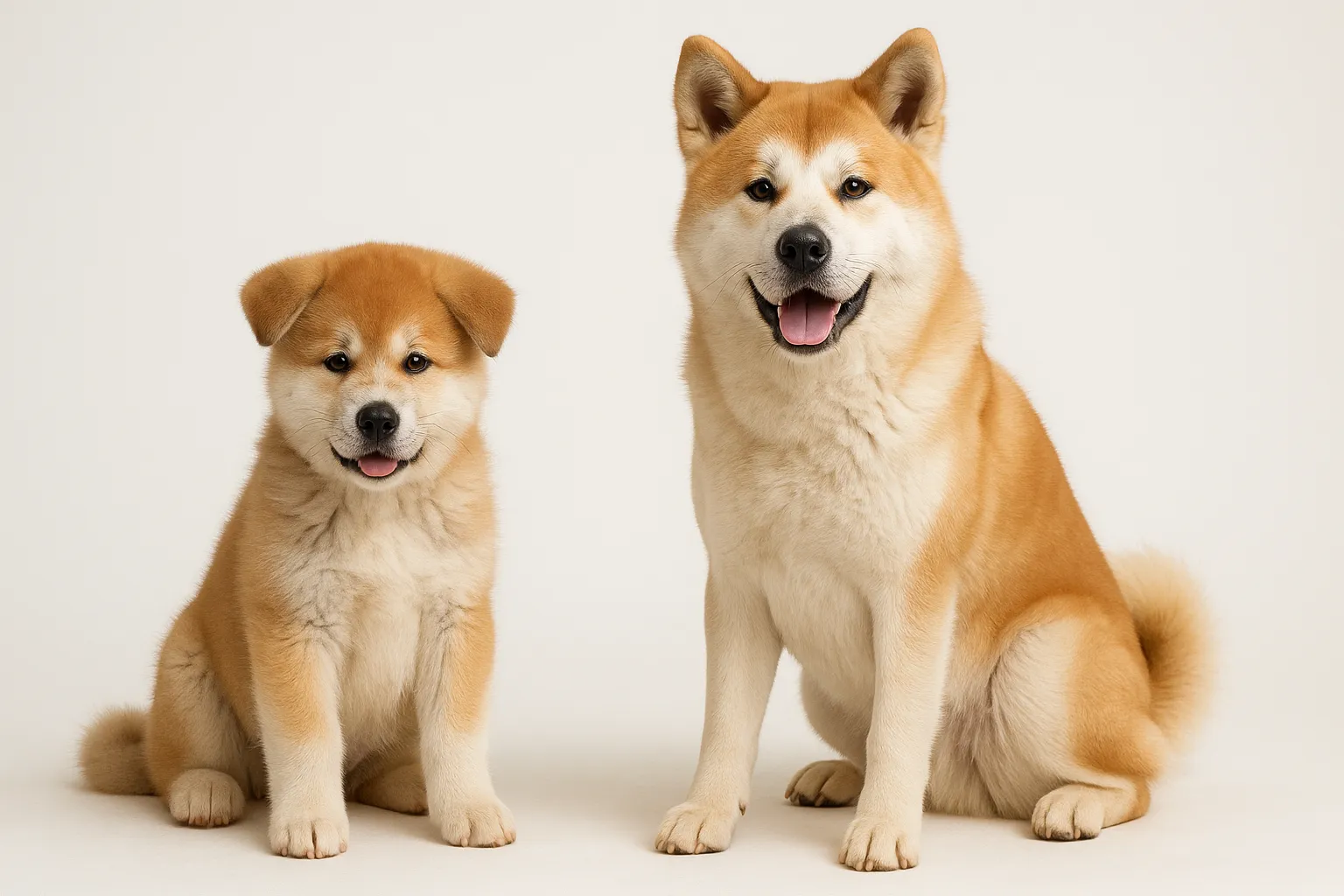
SA presents differently depending on coat type. In long-coated breeds like Standard Poodles, the disease typically shows as diffuse, symmetrical scaling along the back, matted or dull coat, and clumping of hair follicles with keratin casts. In short-coated breeds like Akitas, the presentation tends to be more severe: widespread hair loss with thick adherent scale, pustular secondary infections, and systemic signs including lethargy and loss of condition.
The disease is not contagious and is not caused by any pathogen, though secondary bacterial and yeast infections frequently complicate the primary immune dysregulation. Genetic predisposition plays a significant role, particularly in Standard Poodles where heritability studies support autosomal recessive transmission patterns.
The Bigger Picture: Longevity and Quality of Life
SA significantly reduces quality of life through chronic skin discomfort, secondary infections requiring repeated courses of antibiotics, and the ongoing burden of intensive skin management. Poorly controlled disease leads to painful skin erosions, progressive hair loss across large body surface areas, and behavioral changes driven by chronic itching and discomfort.
Dogs with unmanaged SA face higher risk from repeated systemic antibiotic use, which carries long-term microbiome consequences and contributes to antimicrobial resistance. The chronic inflammatory state also places metabolic stress on affected dogs, particularly seniors managing multiple concurrent conditions.
Early diagnosis changes the trajectory substantially. Dogs identified early — when sebaceous gland destruction is still partial — retain more functional skin and respond better to immunomodulatory therapy than dogs diagnosed after significant gland loss has already occurred.
Early Signs and Recognition
SA often creeps in slowly. The early signs include:
- dull, dry, or lackluster coat with loss of normal sheen
- fine white or silver scaling along the dorsal midline and ears
- tightly adherent keratin casts around hair shafts (follicular casts)
- clumping or matting of hair in localized patches despite regular grooming
- musty or rancid skin odor not explained by bathing habits
- mild itching, particularly around the face, ears, or back
- patchy hair thinning, especially along the topline
In Standard Poodles, follicular casts — small white sheaths of keratin clinging to hair shafts — are a particularly specific early indicator. Their presence warrants a skin biopsy even if the coat still appears relatively full.
From Suspicion to Diagnosis
Definitive diagnosis requires skin biopsy. Multiple samples from both actively affected areas and visually normal skin should be submitted for histopathology. The hallmark finding is perifollicular granulomatous inflammation targeting sebaceous glands, with variable degrees of gland destruction. Early disease shows inflamed glands still visible; advanced disease shows complete gland absence replaced by fibrous tissue.
Superficial skin cytology at the same visit characterizes secondary bacterial and yeast populations, since concurrent Malassezia overgrowth and bacterial pyoderma are widespread and influence treatment decisions. Complete blood count, chemistry panel, and thyroid testing help exclude concurrent endocrinopathies that can compound skin disease in the same age-risk window.
- multiple skin biopsies (minimum 3-4 sites including early and advanced lesions) for histopathology
- skin cytology from affected areas to characterize secondary microbial overgrowth
- thyroid panel (total T4, free T4, TSH) to exclude hypothyroidism as a contributing factor
- complete blood count and chemistry panel for baseline health assessment
- fungal culture if dermatophytosis cannot be excluded clinically
Treatment and Long-Term Management
There is no cure for sebaceous adenitis. Destroyed glands do not come back. Treatment aims to slow remaining gland destruction, clear secondary infections, and improve skin barrier function through consistent topical management.
Oral cyclosporine (5 mg/kg daily) is the best-evidenced systemic immunomodulatory treatment, with response rates of 60-80% in published case series. Most dogs need 3-6 months before significant improvement becomes visible, and many require ongoing lower-dose cyclosporine for maintenance. Alternatively, tetracycline and niacinamide combination therapy shows modest benefit in milder cases at lower cost with fewer side effects.
Topical management is equally important as systemic therapy. Weekly or twice-weekly oil soaks (baby oil, propylene glycol spray, or commercially prepared fatty acid sprays) compensate for lost sebum, soften keratin casts, and reduce scaling. Apply the oil to coat and skin, allow 20-60 minutes of penetration time, then remove with a degreasing shampoo. For significantly affected dogs, this routine is a lifelong commitment.
Secondary pyoderma and Malassezia dermatitis must be treated concurrently. Failing to address infection while treating the primary disease leads to inadequate response and justified owner frustration with systemic therapy.
- oral cyclosporine at 5 mg/kg daily for active disease; taper to the lowest effective dose once remission is achieved
- weekly oil soaks using baby oil or veterinary fatty acid sprays with 20-60 minute contact time
- medicated shampoos containing benzoyl peroxide, salicylic acid, or sulfur to remove follicular debris
- oral essential fatty acid supplementation (EPA/DHA) at evidence-based dosing for anti-inflammatory effect
- treat concurrent Malassezia and bacterial infections before or alongside systemic immunomodulation
- groom carefully to prevent mat formation, which traps keratin debris and worsens follicular plugging
Structured 12-Week Protocol
- Weeks 1-2 (baseline lock-in): confirm diagnosis, start one shared household log, and capture daily markers including skin condition, appetite, elimination, activity tolerance, and sleep quality.
- Weeks 3-4 (adherence audit): review whether every caregiver follows the same protocol. Identify missed-dose or missed-step friction and remove one reliability bottleneck causing drift.
- Weeks 5-6 (response checkpoint): compare current trends against baseline. Escalate quickly if skin markers are not improving. Avoid changing multiple variables in the same week.
- Weeks 7-8 (risk tightening): predefine escalation thresholds for severe symptoms, confirm your after-hours emergency route, and align caregiver decisions so urgent signs are never handled with watch-and-wait.
- Weeks 9-10 (resilience build): reinforce exercise, mobility, and nutrition routines your veterinarian has cleared, converting short-term stabilization into durable function.
- Weeks 11-12 (handoff to maintenance): document the long-term reassessment cadence, decide which metrics must stay tracked weekly, and schedule the next checkpoint before current momentum fades.
Most-Missed Drift Pattern
The most common failure is waiting for obvious severe signs before taking action. SA outcomes improve when response begins at the first measurable drift — a new patch of scaling, increased follicular casts, or subtle odor change — rather than after large areas of skin have broken down.
Missing that short window can turn a manageable flare into a high-burden cycle: more pain, more antibiotics, slower recovery. The second common failure is making multiple simultaneous changes that hide what actually helped.
Households that review one objective metric each week (such as scaling extent or coat quality from consistent-angle photos) detect flares much earlier. Durable control comes from reducing preventable variance in daily care and escalating quickly when predefined thresholds are crossed.
Nutritional and Supplement Considerations
Omega-3 fatty acid supplementation with EPA and DHA from fish oil has anti-inflammatory properties relevant to sebaceous adenitis. Doses of 20-55 mg EPA+DHA per kilogram of body weight daily are commonly used in dermatological disease and may reduce the systemic immunosuppressive dose required for control.
Vitamin E at 400-600 IU daily has been used as adjunct therapy in SA, theoretically supporting skin antioxidant defense and membrane integrity. Evidence is limited to case reports, but risk at these doses is minimal in otherwise healthy dogs. Biotin supplementation supports keratin integrity and may improve coat quality as an adjunct, though it does not address the underlying immune pathology.
- Omega-3 Fish Oil for Dogs: Evidence and Dosing
- Vitamin E for Dogs: Safety and Evidence
- Coconut Oil for Dogs: Evidence and Limitations — sometimes used as a topical skin moisturizer or dietary fat source alongside fish oil for skin barrier support
For evidence context and execution details, review:
- Supplement Evidence for Dog Longevity
- Omega-3 for Dogs: Evidence and Safety
- Evaluating Longevity Supplement Claims for Dogs
Monitoring and Response Assessment
Long-term monitoring tracks both disease control and medication safety:
- monthly skin scoring using photographs from the same angles to track scaling, hair loss extent, and coat quality objectively
- cyclosporine blood levels if dose adjustments are needed, particularly in dogs showing side effects or treatment failure
- blood pressure monitoring in dogs on long-term cyclosporine, as hypertension is a potential complication
- skin cytology every 3-6 months to identify secondary infections before they become clinically severe
- full chemistry panel including BUN/creatinine every 6-12 months in dogs on long-term cyclosporine
SA is a lifelong condition in most dogs. The goal is not cure but durable skin health, maintained with the minimum effective treatment burden.
When to Contact Your Veterinarian
Contact your veterinarian promptly for:
- sudden expansion of hair loss into new body regions despite ongoing treatment
- painful skin erosions, open sores, or crusts with purulent discharge (suggests deep pyoderma requiring systemic antibiotics)
- signs of cyclosporine toxicity: vomiting, diarrhea, gingival hyperplasia, or weight loss
- significant behavioral changes including withdrawal or reluctance to be touched, suggesting pain or worsening itch
- new systemic signs such as fever, lethargy, or reduced appetite during a skin flare
Related Condition Pathways
SA often overlaps with adjacent pathways that affect diagnosis timing, treatment burden, and long-term resilience:
- Skin Allergies (Atopic Dermatitis): overlapping presentation; both cause scaling, itching, and secondary infection — differentiated by biopsy.
- Hypothyroidism: concurrent hypothyroidism worsens skin disease and must be excluded or treated alongside SA.
- Skin Cancer: chronic inflammatory skin disease increases localized tissue stress and warrants ongoing skin surveillance.
Reference these pages to prepare for vet visits and understand your options. Final decisions on diagnosis and treatment belong with your veterinary team.
Related Breed Longevity Guides
SA is most prevalent in specific breeds with known genetic predisposition:
Standard Poodles have the highest documented prevalence, with studies estimating SA affects 2-5% of the breed population. Genetic testing panels for Standard Poodles now include SA-associated markers.
Frequently Asked Questions
Is sebaceous adenitis curable?
No. Immune-mediated destruction permanently eliminates sebaceous glands, which cannot regenerate. Treatment suppresses active inflammation to slow remaining gland loss and manages secondary complications. Many dogs achieve good long-term skin health with consistent management.
How long does it take to see improvement with cyclosporine?
Most dogs need 3-6 months of cyclosporine before significant coat and skin improvement becomes visible. Do not interpret slow initial progress as treatment failure. Monthly photographic documentation is useful for tracking gradual change that is easy to miss when viewing the dog daily.
Can sebaceous adenitis be detected in Standard Poodles before symptoms appear?
Skin biopsy of clinically normal-appearing skin in young Standard Poodles can reveal subclinical glandular inflammation before surface signs develop. Some breeders use this approach when screening breeding stock, though it is not standard practice. Genetic marker panels now include SA-associated variants that can identify higher-risk individuals.
Does sebaceous adenitis affect quality of life long-term?
With consistent management, most dogs with SA live comfortable lives with near-normal or improved skin function. Poorly controlled SA causes chronic discomfort, recurrent infections, and significant coat loss that affects quality of life. The management burden — weekly oil soaks, medicated shampoos, medications — is substantial for owners and should be factored into care planning.
Is sebaceous adenitis hereditary?
Genetic predisposition is well established, particularly in Standard Poodles where studies support autosomal recessive inheritance patterns. Affected dogs and their close relatives should not be used in breeding programs. Many breed clubs and health registries track SA prevalence to guide responsible breeding decisions.
Do oil soaks help?
Yes. Topical oil therapy is a cornerstone of SA management and complements systemic treatment. By replacing lost sebum, oil soaks soften follicular casts, reduce trans-epidermal water loss, and improve skin barrier function. They do not treat the underlying immune disease but significantly reduce scaling burden and improve coat appearance when done consistently.
Medical Disclaimer
This content is for educational purposes only and does not constitute veterinary medical advice. Sebaceous adenitis requires professional diagnosis via skin biopsy and ongoing veterinary supervision. Treatment protocols, medication dosages, and monitoring schedules should be determined by a licensed veterinarian familiar with your dog’s individual health status.
References
- Linek M, Rufenacht S, Brachelente C, et al. Nonhereditary and hereditary sebaceous adenitis in dogs: a retrospective study of 38 cases. Vet Dermatol. 2005;16(4):213-221.
- Rosser EJ. Sebaceous adenitis. In: Bonagura JD, Twedt DC, eds. Kirk’s Current Veterinary Therapy XIV. Saunders Elsevier; 2009:457-459.
- Hargis AM, Mundell AC. Familial canine dermatomyositis. Compend Contin Educ Pract Vet. 1992;14(7):855-865.
- White SD, Rosychuk RA, Scott KV, et al. Sebaceous adenitis in dogs and results of treatment with isotretinoin and etretinate: 30 cases (1990-1994). J Am Vet Med Assoc. 1995;207(2):197-200.
- Reichler IM, Hauser B, Schiller I, et al. Sebaceous adenitis in the Akita: clinical observations, histopathology and heredity. Vet Dermatol. 2001;12(5):243-253.
Related reads
Related Reading
Continue exploring