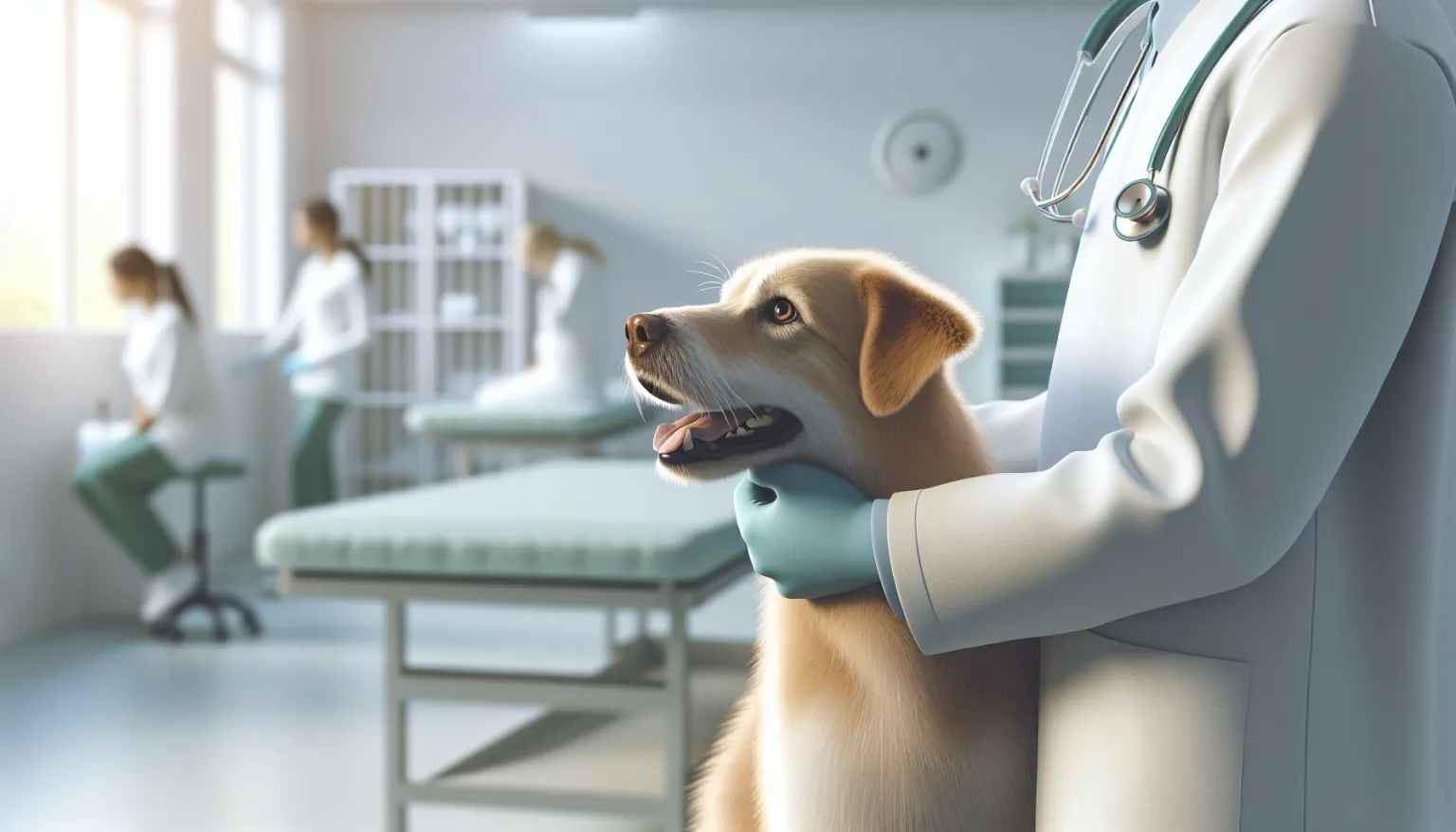
Evidence deep dives for Urinary Incontinence
Pair mechanism-level evidence with practical protocol context before discussing next steps with your veterinarian.
Wet Spots on the Bed That Your Dog Cannot Control
You find wet spots on the dog bed again. Your dog gets up from a nap and there is a puddle where she was lying. She does not seem to know it happened. This is urinary incontinence — the involuntary leakage of urine — and your dog is not choosing to urinate inappropriately. She has lost the ability to fully control bladder emptying.
Incontinence is one of the most common conditions in middle-aged and senior spayed female dogs. An estimated 5-20% of spayed females will experience it over their lifetime. The most common form is hormone-responsive urinary incontinence (HRUI), also called spay-related or estrogen-responsive incontinence. Estrogen helps maintain urethral sphincter tone, and its loss after ovariohysterectomy reduces sphincter competence in a significant subset of dogs.
Other causes include ectopic ureters (congenital), urethral sphincter mechanism incompetence (USMI) unrelated to hormones, neurological dysfunction, and urinary tract infections causing urgency incontinence. The distinction between true incontinence and inappropriate urination matters. A dog that leaks urine while sleeping is dealing with a different problem than one that actively chooses to urinate in the wrong place.
The Bigger Picture: Longevity and Quality of Life
Urinary incontinence is rarely life-threatening, but unmanaged incontinence chips away at quality of life for both dog and owner in ways that accumulate over time. Chronic urine scalding of the perineal skin causes painful dermatitis that can become infected. The resulting discomfort leads to behavioral changes, reluctance to rest, and reduced activity — all of which erode long-term health outcomes.
From a longevity planning perspective, the relationship between spay timing and incontinence risk is increasingly relevant. Research suggests that spaying before the first estrus carries higher lifetime incontinence risk in large and giant breeds compared to spaying after the first or second cycle. This informs more nuanced conversations about optimal spay timing that balance reproductive and hormonal health against traditional spay-at-six-months protocols.
Early Signs and Recognition
Urinary incontinence often develops gradually. The early signs are easy to dismiss as one-offs, which is why awareness matters:
- wet spots on bedding where the dog has been sleeping or resting
- urine dribbling when the dog rises from a resting position
- perineal hair that appears consistently damp or urine-stained
- skin irritation, redness, or odor around the vulva or prepuce
- the dog appearing unaware of or startled by leakage
- urine leakage specifically during excitement, stress, or exercise
A dog that leaks while sleeping or resting without any apparent awareness is showing classic incontinence. Recognizing this pattern early leads to faster diagnosis and better outcomes.
Diagnostic Workup
Diagnosis starts with a thorough history: spay status and timing, breed, age, and the pattern of leakage (sleeping versus active, continuous versus intermittent). Urinalysis and urine culture should always be performed first to rule out urinary tract infection, which can cause urgency incontinence and make true incontinence worse.
For young dogs or those with continuous rather than intermittent leakage, ectopic ureters must be excluded via imaging — cystoscopy, CT urogram, or contrast radiography depending on available equipment. A neurological examination assesses for spinal cord or bladder innervation problems. In spayed females over four years with classic sleeping leakage, the diagnosis of HRUI is often clinical after infection has been excluded.
Key diagnostic steps:
- urinalysis and urine culture to exclude UTI before assuming primary incontinence
- complete blood count and chemistry panel to assess overall health and rule out polyuria/polydipsia causes
- imaging (ultrasound, CT) if ectopic ureters or anatomical cause is suspected
- neurological examination if hindlimb weakness or reduced perianal sensation is present
- cystoscopy for definitive exclusion of ectopic ureters in young dogs or refractory cases
Treatment Options
Phenylpropanolamine (PPA) is the first-line pharmacological treatment for HRUI and has the strongest evidence base. It works by increasing urethral sphincter tone through alpha-adrenergic stimulation, with response rates of 75-90% reported in controlled trials. PPA requires a prescription and monitoring for side effects including hypertension, restlessness, and appetite changes.
Estriol (a short-acting estrogen, licensed as Incurin in many countries) is an effective alternative or addition to PPA, particularly for dogs that do not fully respond to PPA alone. Diethylstilbestrol (DES) is used in some countries but carries a higher bone marrow suppression risk. For ectopic ureters, surgical correction (laser ablation via cystoscopy or traditional surgery) offers curative potential. Collagen injections at the urethral sphincter and surgical periurethral bulking procedures are available for refractory HRUI.
Practical management:
- start PPA at the lowest effective dose and titrate upward only if needed to minimize cardiovascular side effects
- monitor blood pressure periodically in dogs on long-term PPA, particularly those with existing cardiac disease
- keep bedding dry and change it frequently to prevent perineal skin irritation
- clean and dry the perineal area daily to prevent urine scald dermatitis
- record leakage frequency and volume to track treatment response objectively
Structured 12-Week Protocol
- Weeks 1-2 (baseline lock-in): confirm diagnosis assumptions, start one shared household log, and capture daily markers for urinary incontinence including function, appetite, elimination, activity tolerance, and sleep quality.
- Weeks 3-4 (adherence audit): review whether every caregiver is following the same protocol, identify missed-dose or missed-step friction, and remove one reliability bottleneck that is causing drift.
- Weeks 5-6 (response checkpoint): compare current trend against baseline, escalate quickly if core markers are not improving, and avoid changing multiple variables in the same week.
- Weeks 7-8 (risk tightening): predefine escalation thresholds for severe symptoms, confirm after-hours emergency route, and align caregiver decisions so urgent signs are never handled as watch-and-wait.
- Weeks 9-10 (resilience build): reinforce exercise, mobility, and nutrition routines that your veterinarian has cleared so short-term stabilization converts into durable function.
- Weeks 11-12 (handoff to maintenance): document the long-term cadence for reassessment, decide which metrics must remain tracked weekly, and schedule the next checkpoint before current momentum drops.
Most-Missed Drift Pattern
Incontinence management fails most often when leakage is treated as an annoyance rather than a trackable medical metric. Families tend to react only when the problem becomes obviously worse, missing the earlier signals — a slight increase in leakage frequency, a patch of skin redness developing, a gradual return of overnight accidents after initial improvement.
The most common process failure is inconsistent household execution. One caregiver gives medication reliably while another forgets. Bedding gets changed regularly for a few weeks, then less often. These small inconsistencies produce unreliable trend data and delayed dose adjustments.
Durable control is about reducing preventable variance in daily execution, not finding one perfect solution. Teams that track one objective metric each week — leakage events, for example — detect worsening much earlier.
Nutritional Considerations
There is no specific diet for urinary incontinence, but maintaining lean body condition matters more than most owners realize. Obesity directly worsens incontinence. Every kilogram of excess weight increases intra-abdominal pressure on the bladder and reduces the sphincter’s margin of control.
Adequate hydration is important even in incontinent dogs. Restricting water to reduce urine volume is counterproductive and increases UTI risk. Keep fresh water available at all times and monitor for signs of concentrated urine.
- Feeding Guide for Adult Dogs: Maintenance Nutrition Without Drift
- Weight Loss Feeding Protocol for Dogs
- Cranberry (not yet covered) — may support urinary tract health and reduce UTI recurrence risk in dogs with chronic incontinence prone to secondary infections
For evidence context and execution details, review:
- Senior Dog Screening Protocol
- Spay-Neuter Timing and Longevity Context
- Blood Pressure Monitoring in Dogs
Monitoring During Treatment
Track treatment response and watch for medication side effects:
- track leakage frequency weekly for the first month to assess treatment response
- blood pressure check at 2-4 weeks after starting PPA and every 6 months on long-term treatment
- urine culture every 6-12 months in dogs with chronic incontinence to catch silent UTIs early
- skin examination at each veterinary visit to assess for perineal dermatitis
Dogs managed well on PPA may require dose adjustment over time as sphincter function changes. Some dogs achieve long-term remission; others require ongoing therapy for life.
When to Contact Your Veterinarian
Contact your veterinarian promptly for:
- sudden worsening of previously controlled incontinence
- straining to urinate, blood in urine, or crying during urination (suggests UTI or urinary obstruction)
- hindlimb weakness, difficulty rising, or loss of anal tone alongside incontinence (suggests neurological cause)
- signs of cardiovascular side effects from PPA: restlessness, increased heart rate, or hypertension
- skin infection or open sores in the perineal area from chronic urine contact
Related Condition Pathways
Urinary incontinence often overlaps with adjacent pathways that affect diagnosis timing, treatment burden, and long-term resilience:
- Kidney Disease: polyuria from early kidney disease can mimic or worsen incontinence.
- Diabetes: polyuria and increased bladder pressure from diabetes can cause or worsen urinary leakage.
- Obesity: excess body weight directly increases bladder pressure and worsens sphincter incompetence.
These resources help you plan and prepare. Diagnostic confirmation and treatment changes are clinical decisions that require veterinary oversight.
Related Breed Longevity Guides
Urinary incontinence is particularly common in spayed females of large and giant breeds:
- Labrador Retriever Lifespan & Longevity Guide
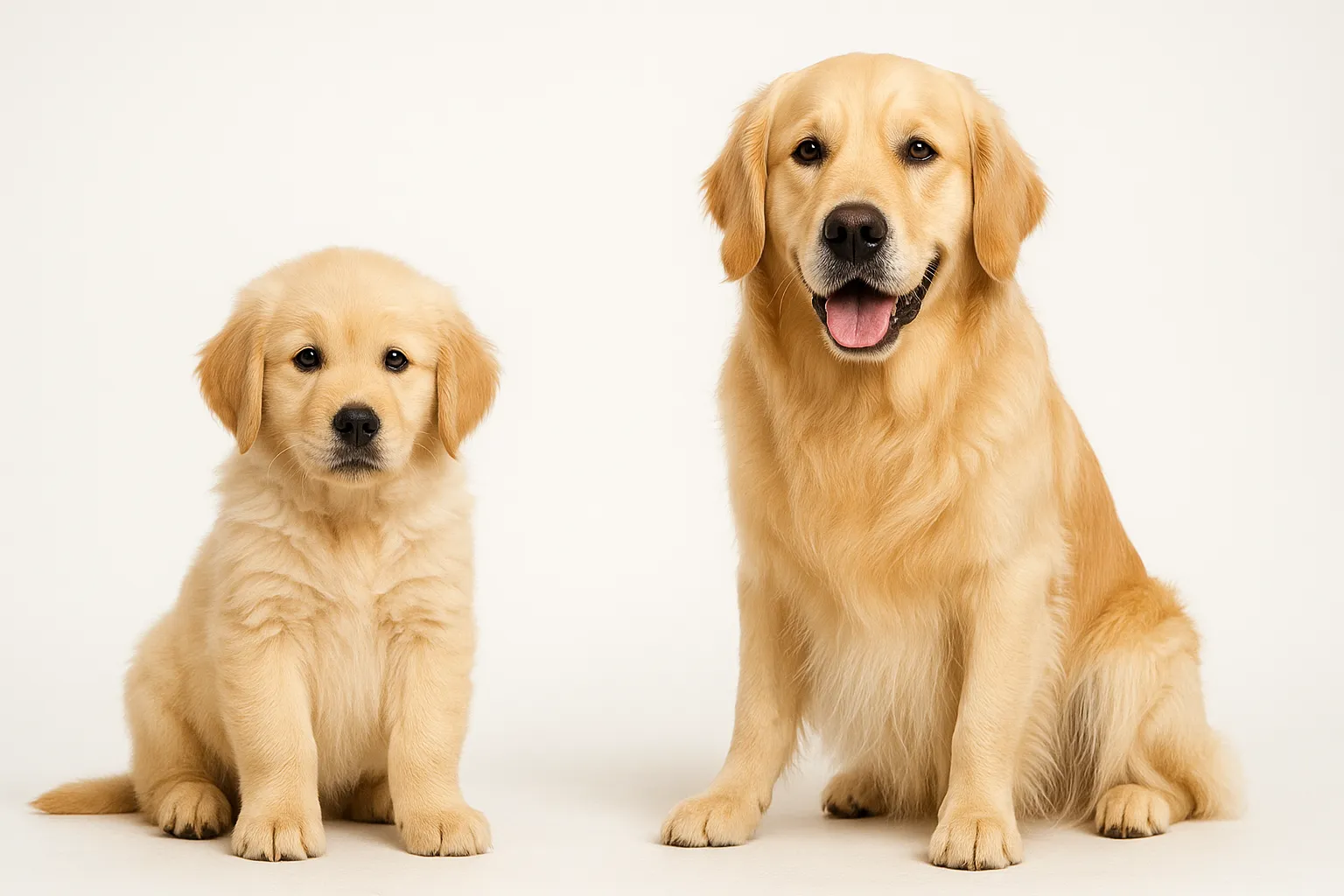
- Golden Retriever Lifespan & Longevity Guide
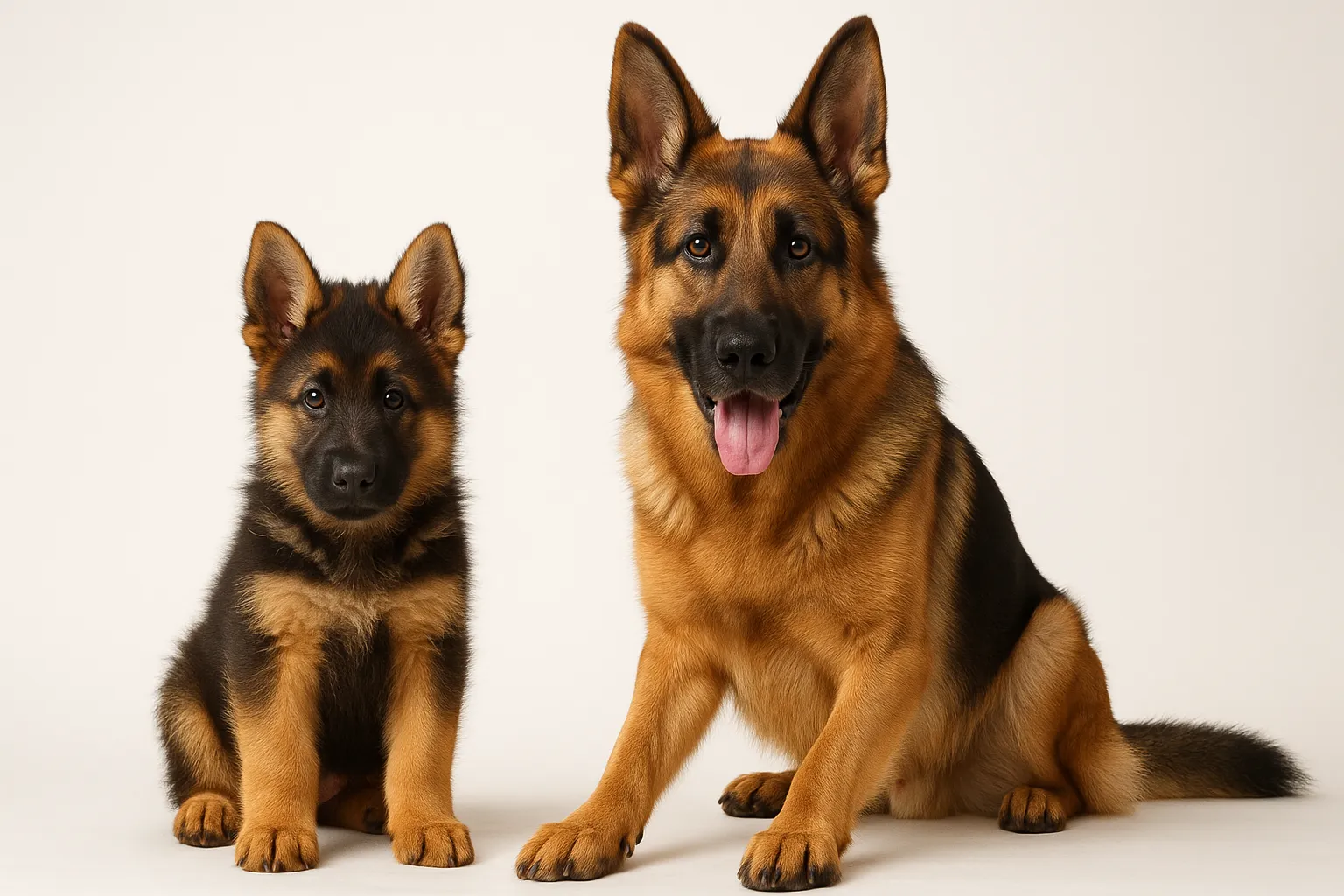
- German Shepherd Lifespan & Longevity Guide
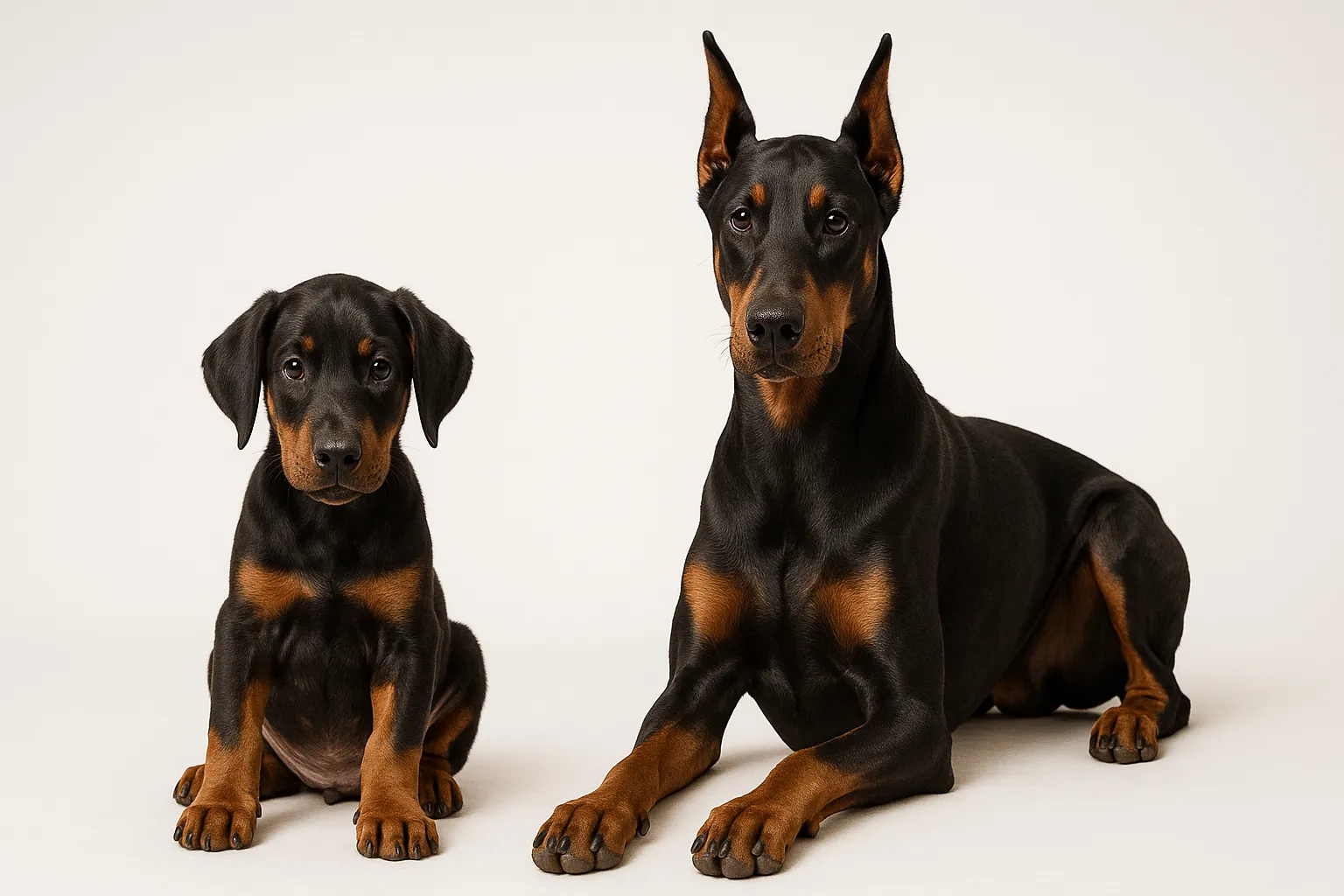
- Doberman Pinscher Lifespan & Longevity Guide
Large and giant breed spayed females have the highest lifetime incontinence rates. Body weight management and early treatment initiation improve long-term outcomes in these breeds.
Additional Breeds at Elevated Risk
Frequently Asked Questions
Is urinary incontinence in dogs curable?
Many cases are effectively managed rather than cured. HRUI responds well to PPA or estriol in most dogs, allowing good quality of life on medication. Ectopic ureters can often be corrected surgically with good outcomes. Some dogs achieve remission and can be weaned off medication; others require lifelong treatment.
Does spaying cause urinary incontinence?
Spaying, particularly at young ages before the first estrus, increases lifetime incontinence risk in large breeds. The mechanism involves estrogen loss reducing urethral sphincter tone. This is one factor in ongoing discussions about optimal spay timing, particularly for large and giant breeds.
How can I tell if my dog has incontinence or a UTI?
UTI typically causes a dog to urinate frequently in small amounts, often with urgency or discomfort, and the dog is aware of needing to urinate. Incontinence usually involves urine leakage during sleep or relaxation when the dog is unaware. Urinalysis distinguishes them — UTI will show bacteria, white blood cells, and often blood.
Is PPA safe for long-term use in dogs?
PPA is generally safe for long-term use in dogs without pre-existing cardiovascular disease. The main concern is blood pressure elevation. Periodic blood pressure monitoring on long-term PPA is recommended, particularly in dogs with known heart disease or hypertension.
Can I manage my dog’s incontinence without medication?
For mild cases, management strategies such as frequent outdoor access, waterproof dog diapers, and keeping sleeping areas dry can reduce impact on daily life. Weight loss in obese dogs often improves incontinence severity. However, these are supportive measures — medical treatment is more effective and should be discussed with your veterinarian.
Medical Disclaimer
This content is educational and does not replace veterinary diagnosis or treatment. Urinary changes in dogs, including new onset incontinence, warrant veterinary evaluation to rule out infection, neurological disease, and other causes before beginning any treatment.
References
- Arnold S. Urinary incontinence in castrated bitches. Part 1: significance, clinical aspects and etiopathogenesis. Schweiz Arch Tierheilkd. 1997.
- Holt PE. Urinary incontinence in dogs and cats. Vet Rec. 1990;127:347-350.
- Reichler IM et al. Urethral closure pressure and urethral sphincter mechanism incompetence in spayed female dogs. AJVR. 2006.
- Forsee KM et al. Evaluation of the prevalence of urinary incontinence in spayed female dogs. JAVMA. 2013.
- Byron JK. Micturition disorders. Vet Clin North Am Small Anim Pract. 2015.
Related reads
Related Reading
Continue exploring