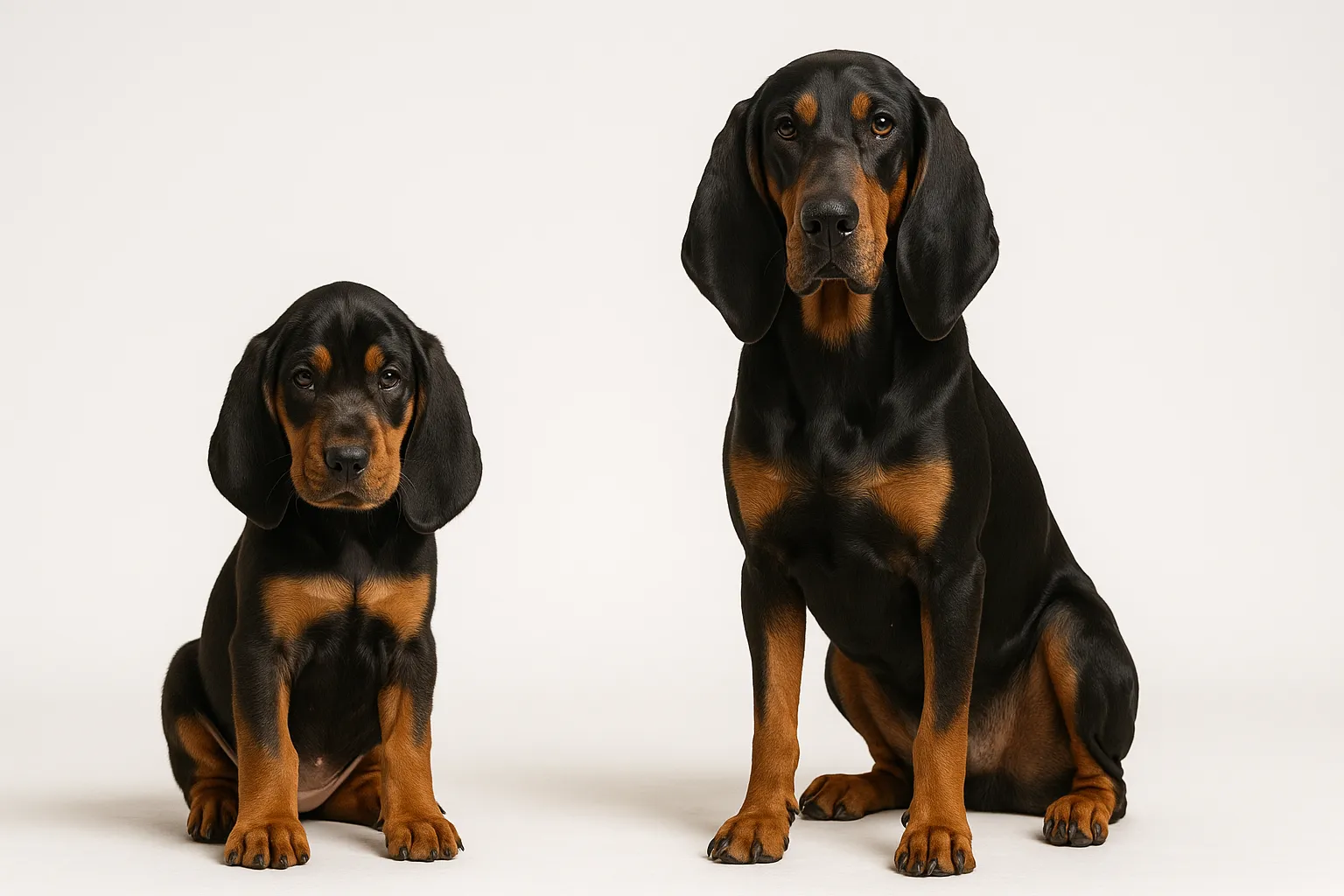
Those Ears Are Beautiful. They Are Also a Lifelong Project.
Black and Tan Coonhounds are large working scent hounds with typical lifespans of 10-12 years. Developed from Virginia Foxhounds and Bloodhound-type dogs, they are among the oldest American coonhound breeds recognized by the AKC.
The characteristic pendulous ears serve a functional purpose — they help direct scent toward the nose during tracking. But those same ears trap moisture and debris, creating ideal conditions for bacterial and yeast growth. Chronic ear disease is the most common long-term health management challenge in this breed. Hip dysplasia and GDV round out the primary concerns.
Key Health Challenges
Hip Dysplasia
Hip dysplasia is the primary structural concern. OFA hip evaluation at 24 months establishes a baseline. Weight management and omega-3 supplementation support joint health throughout life, particularly important in a breed that works hard in the field.
See the Hip Dysplasia guide for full prevention and management detail.
Ear Infections (Otitis Externa)
Pendulous hound ears are one of the most infection-prone ear types in the canine world. The long, heavy ear flap closes the canal, trapping moisture and blocking air circulation.
Weekly inspection and cleaning with veterinarian-recommended cleansers prevents infections from establishing. After-water cleaning is essential. Recurrent or chronic infections require culture-guided treatment and possibly surgical canal management.
See the Ear Infections (Otitis Externa) guide for full prevention and management detail.
Bloat (GDV)
The deep-chest, large-breed anatomy of the Black and Tan Coonhound carries GDV risk. Prophylactic gastropexy at spay/neuter eliminates volvulus risk. Feeding twice daily and avoiding exercise after meals reduce risk further. Acute GDV signs — distended abdomen, unproductive retching — require immediate emergency care.
See the Bloat (GDV) guide for full prevention and management detail.
Ear Care Is a Weekly Commitment
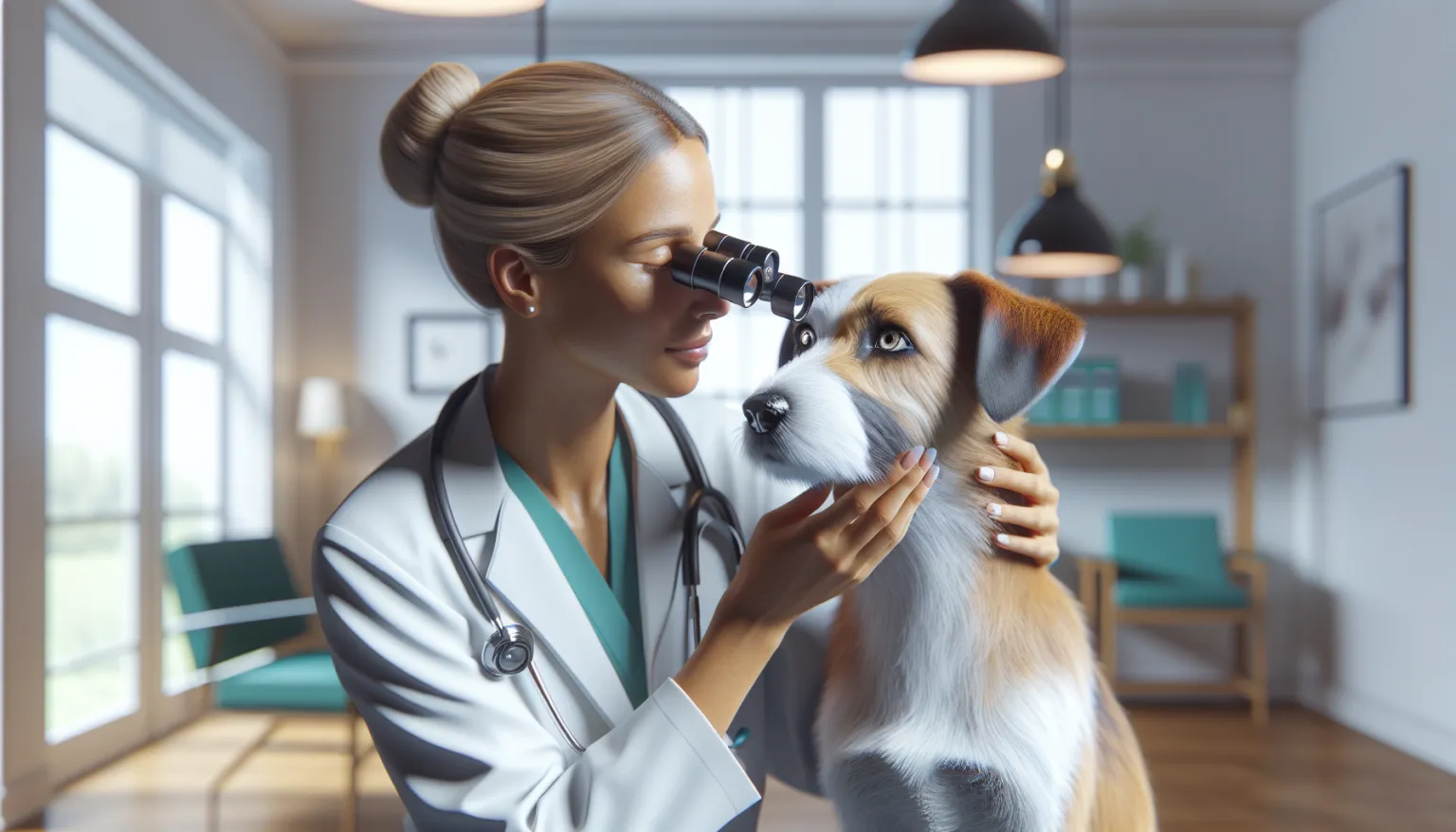
Black and Tan Coonhound ear management is not optional — it is a lifelong, weekly responsibility. Lift the ear flap. Inspect the canal for debris, odor, or discharge. Clean gently with a vet-recommended cleanser.
After swimming, hunting in wet environments, or bathing, dry the ears immediately. Dogs prone to recurrent infections may benefit from more frequent prophylactic cleaning. Signs of active infection — head shaking, scratching, odor — warrant veterinary culture and treatment within 2-3 days, not weeks.
Managing a Working Athlete’s Body
These dogs can run for hours on scent trails. Maintaining lean body condition supports both joint health and hunting endurance. Working dogs may need higher caloric intake during hunting season and reduced calories in the off-season.
Monthly body condition scoring prevents the seasonal weight cycling that stresses joints over time. A dog that gains 8-10 pounds every off-season and loses it every spring is accumulating joint damage with each cycle.
Post-Hunt Inspections Save Problems Later
Coonhounds working in dense brush, rivers, and rough terrain are exposed to lacerations, paw pad injuries, thorns, and foreign bodies. A thorough post-hunt inspection — paws, ears, body, eyes — identifies injuries before they become infected.
The breed’s pain stoicism means significant injuries may not be obvious immediately after hunting. Look carefully.
Start Here: Your Top Longevity Targets
If you focus on three things for your Black and Tan Coonhound, make it these:
- OFA hip evaluation at 24 months — moderate hip dysplasia prevalence in coonhound breeds
- Weekly ear cleaning — pendulous hound ears are among the most infection-prone ear types in dogs
- Prophylactic gastropexy given deep-chest large-breed GDV risk
Concentrate your prevention budget — time, money, and attention — on these conditions. They represent the highest-probability risks and the areas where early action matters most. See Hip Dysplasia, Ear Infections, Bloat for the full breakdown.
Body Composition and Muscle Maintenance
Maintaining stable weight and lean muscle mass is one of the highest-yield longevity interventions for this breed. As a large breed, joint load and metabolic strain rise quickly when body composition drifts. These pursuit athletes need sustained lean mass to preserve joint function and cardiovascular efficiency.
Condition-Focused Prevention Stack
Build your prevention strategy around Hip Dysplasia, Ear Infections, Bloat. These are the conditions where early detection and sustained intervention most reliably extend healthy years.
Stress, Routine, and Recovery
Household consistency matters more than most owners realize with this breed. Irregular schedules and insufficient scent work often present as behavior drift or recovery problems before physical decline becomes visible.
Preventive Screening Cadence
Schedule veterinary reassessment intervals by age band and trend changes rather than waiting for obvious deterioration. Planned checkpoints focused on orthopedic function and gait quality improve early detection and intervention timing.
Breed-Specific Research
Use these evidence deep dives to add context to your Black and Tan Coonhound longevity plan:
- Exercise Protocols By Breed Size: exercise and fitness management for large working scent hounds
- Annual Wellness Testing Protocol For Dogs: wellness monitoring framework for working hound breeds
- Canine Obesity And Lifespan Evidence: weight management evidence for working breeds with seasonal activity patterns
What Genetic Testing Can and Cannot Tell You
For Black and Tan Coonhounds, genetic testing delivers the most value when results directly change what you measure, how often, and what triggers escalation. Hip and elbow scoring (OFA or PennHIP) quantifies orthopedic risk. CERF eye exam or PRA gene testing detects heritable eye disease.
- A well-chosen initial panel gives you a risk map. Follow-up assessments at regular intervals tell you which risks are materializing and which remain theoretical.
- Focus your first monitoring protocols on Hip Dysplasia and Ear Infections — the conditions where early data most directly shapes the intervention timeline.
- Keep a unified record of all test results, vet findings, and home observations. The connections that matter most — slow trends, seasonal patterns — only show up when all the data lives in one place.
- Each time your Black and Tan Coonhound enters a new life stage or shows a persistent change in function, go back to the genetic data and ask what it means in the new context.
Every genetic or diagnostic result should answer one question: what do I do differently starting now?
What Breeding History Tells You
The Black and Tan Coonhound was bred for tracking endurance, pursuit speed, and scent-driven work. That legacy creates structural load patterns demanding proactive orthopedic surveillance.
- Structural load patterns require a monitoring schedule that tightens as age-related risks compound.
- The breed’s history-informed risk profile highlights Hip Dysplasia, Ear Infections, Bloat as the conditions warranting the closest ongoing attention.
- Repeated low-grade signals are how most chronic conditions announce themselves. Respond to the pattern, not just the individual data point.
- Static prevention plans decay in value. The most effective owners treat their Black and Tan Coonhound’s health plan as something that evolves with every vet visit and every home observation.
Breeding history narrows the search. Serial monitoring data makes the call.
Preventive Care Timeline
- Puppy to 2 years: OFA hip at 24 months, establish ear care routine
- 3-7 years: monthly ear care, annual wellness panel, body condition monitoring, gastropexy if not done
- 8+ years: senior panel annually, ear monitoring, orthopedic pain assessment
Feeding for Longevity
Black and Tan Coonhounds benefit from complete large-breed adult diets with caloric management adjusted for activity level. Working dogs need higher intake; inactive household dogs need strictly managed portions to prevent obesity. Omega-3 supplementation supports joint and general health. Feed twice daily given GDV risk.
How the Pieces Connect
Black and Tan Coonhounds with consistent ear care, hip screening, and prophylactic gastropexy are positioned for healthy lives in the 10-12 year range. The breed’s primary ongoing management challenge — ear disease — is preventable with consistent weekly attention.
The Drift Patterns Owners Miss First
Healthspan erosion in a Black and Tan Coonhound typically starts with subtle shifts that are easy to miss:
- Hind-limb stiffness after rest related to Hip Dysplasia — often dismissed as “just getting up slow”
- Mild ear odor dismissed as normal that actually signals Ear Infections progression
- Restlessness after meals or unproductive retching signaling Bloat risk that demands immediate attention
When any measured function stays below baseline for a week or more, investigate — waiting for spontaneous recovery risks missing a treatable window.
Additional Health Risks to Monitor
Based on breed predisposition data, Black and Tan Coonhound owners should also be aware of:
Frequently Asked Questions
How long do Black and Tan Coonhounds live?
Black and Tan Coonhounds typically live 10-12 years. Consistent ear care, hip evaluation, and prophylactic gastropexy are the key longevity investments.
Are coonhounds prone to ear infections?
Yes — pendulous hound ears are one of the most infection-prone ear types. Weekly cleaning and monitoring are essential throughout life.
Are Black and Tan Coonhounds good family pets?
Black and Tan Coonhounds are gentle, affectionate dogs with family but have a powerful prey drive and strong tracking instinct. They need a securely fenced yard as they may follow a scent and not return. Their loud baying can be challenging in suburban settings.
Are Black and Tan Coonhounds good with children?
Generally yes — they are gentle, patient dogs. Supervision is always appropriate given their large size. Early socialization helps establish appropriate interaction patterns.
Do coonhounds need a lot of exercise?
Black and Tan Coonhounds are working scent hounds that need significant daily exercise — at minimum 45-60 minutes of vigorous activity. Without exercise, they may become anxious or destructive. Field work, hiking, and scent tracking activities provide excellent physical and mental exercise.
References
[1] American Black and Tan Coonhound Club health resources. abtcc.com. [2] OFA health statistics by breed. ofa.org. [3] WSAVA global nutrition guidelines. wsava.org. [4] Ear infections in dogs: Noxon JO. Vet Clin North Am. 2016. [5] Prophylactic gastropexy: Glickman et al. JAVMA. 2000.
Related reads
Related Reading
Continue exploring