A Five-Year Lifespan Spread That Depends Almost Entirely on You
The Borzoi’s lifespan range — 9 to 14 years — is one of the widest among recognized breeds, and that spread tells you something important: management quality makes a dramatic difference with this dog. As sighthounds, Borzois share their group’s general constitutional hardiness. But they also carry the deep-chest GDV risk and a drug sensitivity that can turn routine veterinary care into a crisis if you are not prepared. The MDR1/ABCB1 gene mutation, present across many sighthound breeds, is a critical safety consideration that must be addressed before any drug is administered.
GDV is the most acute life-threatening risk, driven by the Borzoi’s deep, narrow chest and large body size. Drug sensitivity from the MDR1 mutation is a safety factor that spans the entire lifespan. Cardiac disease and anesthesia sensitivity require breed-specific protocols for any surgical or medical procedure. Cancer and hypothyroidism round out the chronic longevity concerns.
What This Breed Is Most Likely to Face
Bloat (GDV)
Borzois have among the highest GDV risk of any breed. Their very deep, narrow chest combined with large body size creates the textbook conformation for this emergency. Prophylactic gastropexy should be discussed at the first puppy visit. Even with gastropexy in place, feeding twice daily, using a slow-feeder bowl, and avoiding exercise within 1 hour of meals remain essential daily practices.
See the Bloat (GDV) guide for full prevention and management detail.
Heart Disease
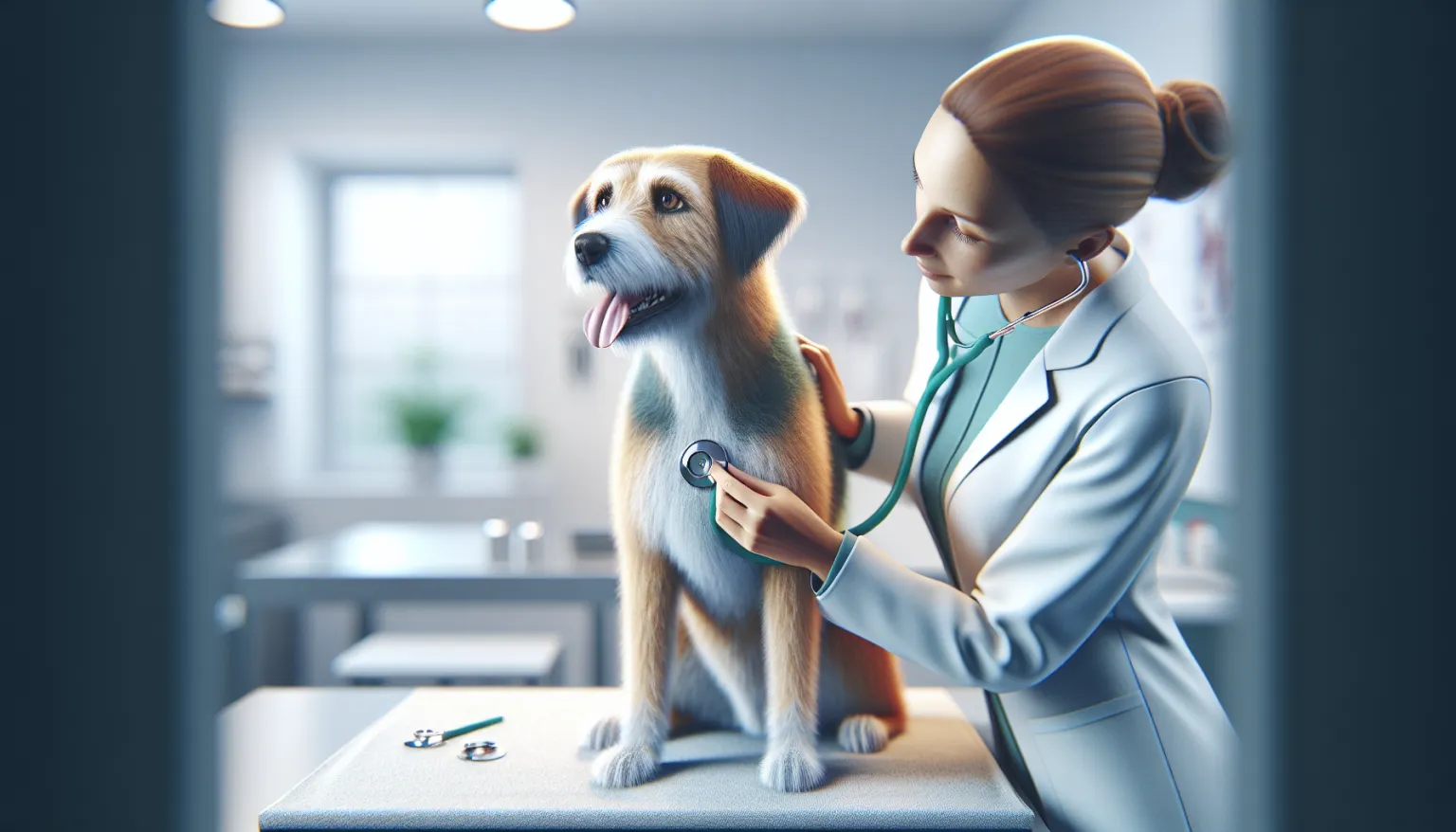
Borzois are sighthounds with naturally low resting heart rates and distinctive cardiac physiology that can look abnormal against standard reference ranges. Arrhythmias and dilated cardiomyopathy are both reported. Annual cardiac auscultation by a veterinarian who understands sighthound cardiac physiology is important — it distinguishes normal breed variation from actual pathology.
See the Heart Disease guide for full prevention and management detail.
Cancer
Cancer rates in Borzois track generally with other large breeds. Osteosarcoma risk is relevant given their size. Annual physical examinations with lymph node palpation, bone tenderness assessment, and prompt workup of any suspicious masses provide standard surveillance.
See the Cancer guide for full prevention and management detail.
Hypothyroidism
Hypothyroidism occurs in Borzois, but interpreting thyroid results requires breed-specific context. Sighthounds naturally run lower baseline T4 levels than other breeds — results that look “low normal” against the general population may actually be perfectly normal for a Borzoi. Always use breed-specific reference ranges for thyroid interpretation. The greyhound and sighthound literature provides validated reference intervals.
See the Hypothyroidism guide for full prevention and management detail.
Arthritis
Secondary arthritis develops with age and becomes a quality-of-life concern in senior Borzois. The breed’s naturally lean conformation is an advantage here — less body mass means less joint load. Omega-3 supplementation, controlled exercise, and appropriate pain management support long-term mobility.
See the Arthritis guide for full prevention and management detail.
What Actually Moves the Needle
MDR1 Drug Safety
MDR1/ABCB1 mutation testing is non-negotiable for every Borzoi before any drug exposure. The mutation causes severe, potentially fatal reactions to common veterinary drugs including ivermectin, loperamide, vincristine, and certain anesthetic agents. Test once via DNA panel — it is a lifetime result. Then share it with every veterinarian, emergency clinic, and specialist your dog ever sees. For MDR1-positive dogs, alternative heartworm prevention protocols are readily available. This is a manageable constraint, not a barrier to appropriate care.
Sighthound Anesthesia Considerations
Sighthounds carry lower body fat than other breeds of similar size, reduced plasma protein levels, and liver enzyme differences that alter how anesthetics and drugs are metabolized. Borzois require lower anesthetic doses and longer recovery time. Any veterinarian performing a procedure on your Borzoi — from spay/neuter to dental cleanings — should know these differences and ideally have experience with sighthound-specific anesthetic protocols. Ask specifically about sighthound protocols at any anesthesia consultation. Do not assume it will be addressed automatically.
Body Condition and Lean Conformation
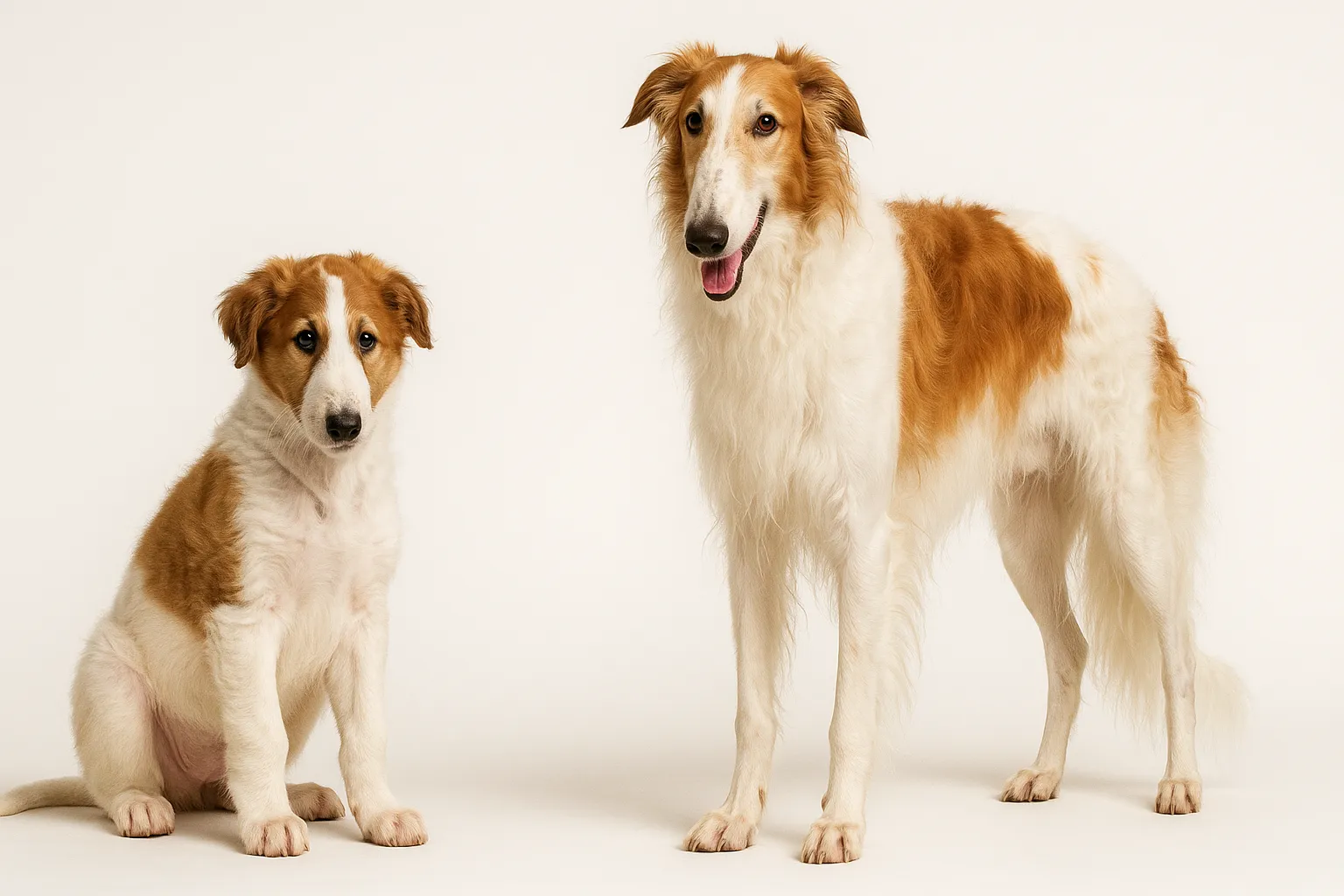
A healthy Borzoi looks thin to the untrained eye. Visible ribs and prominent hip bones that would alarm an owner of a Labrador are normal and expected in this breed. Do not attempt to add weight to a Borzoi at healthy body condition. Conversely, any weight gain above ideal represents a larger percentage of total body mass than it would in a heavier breed, making even small gains consequential. Monthly palpation-based body condition scoring provides more reliable assessment than visual evaluation alone.
The Longevity Priorities That Move the Needle
The actions most likely to extend your Borzoi’s healthy years:
- Prophylactic gastropexy is the highest-return surgical decision for a Borzoi
- Test for MDR1/ABCB1 drug sensitivity mutation before any drug exposure
- Cardiac and drug sensitivity monitoring are essential for safe anesthesia in this breed
Build your annual wellness calendar around these targets. Review progress quarterly and shift resources toward whichever risk area is trending fastest. See Bloat, Heart Disease, Cancer for detailed protocols.
Evidence-Based Longevity Priorities
Body Composition and Muscle Maintenance
Keeping a Borzoi at optimal body condition extends healthspan by reducing cumulative load across multiple systems. Joint stress and metabolic strain rise quickly when body composition drifts. These pursuit athletes need sustained lean mass to preserve both joint function and cardiovascular efficiency — excess weight does not just stress joints, it strains the heart.
Condition-Focused Prevention Stack
The conditions most likely to shorten a Borzoi’s lifespan or erode quality of life are Bloat, Heart Disease, and Cancer. Consistent execution across these three targets preserves your options and prevents the compounding effect of delayed treatment.
Behavior, Stress Load, and Recovery
Daily routine quality directly shapes how Borzois age. Predictable activity patterns, adequate scent enrichment, and protected rest windows help these pursuit athletes maintain cognitive and physical function longer. They are not high-maintenance in terms of demands, but they are sensitive to chaos.
Preventive Screening Cadence
Use planned veterinary reassessment intervals, then tighten cadence when trend logs show drift in orthopedic function or gait quality. Early intervention windows are where the biggest healthspan gains happen.
Breed-Specific Research
Use these evidence deep dives to add mechanism-level context to your Borzoi longevity plan:
- Blood Pressure Monitoring In Dogs: relevant for cardiac monitoring considerations in sighthounds
- Canine Cancer Early Warning Workflow: guides cancer surveillance planning in large sighthound breeds
- Senior Dog Screening Protocol: framework for annual wellness testing with sighthound-specific considerations
What Genetic Testing Can and Cannot Tell You
Genetic testing in a Borzoi should drive monitoring strategy, not replace it. Use results to tighten surveillance windows and calibrate when to escalate. Hip and elbow scoring (OFA or PennHIP) quantifies orthopedic risk. Breed-specific cancer panels or tumor marker surveillance, when available, add early-detection capability.
- Begin with a panel designed for your breed’s known risks, then validate those findings through follow-up exams rather than treating a single test as the final word.
- Link your first monitoring playbook to Bloat and Heart Disease so results translate into changed daily practice.
- Document weight, energy level, appetite patterns, and any changes you notice between vet visits. When combined with clinical data, home observations often reveal the earliest signs of drift.
- Revisit your genetic panel results at every life-stage transition and whenever your Borzoi shows sustained changes in recovery time, appetite, mobility, or behavior.
The value of any test is measured by whether it changes what you do next.
Breeding History & Health Implications
The Borzoi was bred for sight-driven pursuit at high speed — a hunting heritage that shaped every aspect of its conformation and physiology. That history produces structural load patterns requiring proactive orthopedic surveillance, along with the sighthound-specific cardiac and metabolic considerations that affect every veterinary interaction.
- Structural load from a lifetime of athletic conformation means monitoring should tighten, not loosen, as your dog moves through adulthood.
- Focus surveillance on Bloat, Heart Disease, and Cancer.
- Treat repeat low-grade drift as an early action signal, not noise.
- Reassess your prevention plan every quarter so updates reflect real trend data rather than assumptions.
Breed heritage identifies the likely risks. Your dog’s longitudinal health data converts those probabilities into specific, timed actions.
The Screening Calendar That Matters
- Puppy to 18 months: MDR1 gene test, cardiac auscultation, baseline thyroid using sighthound reference ranges
- 2 to 6 years: annual wellness exam with cardiac auscultation, thyroid panel, weight monitoring
- 7+ years: biannual exams, cancer surveillance, bone pain assessment, cognitive monitoring
Fuel for the Long Run
Borzois need complete, high-quality diets appropriate for their size, using lean large-breed formulas. Given their naturally low body fat, caloric restriction for weight loss is rarely needed in healthy dogs. Monitor monthly to prevent obesity. Omega-3 supplementation supports coat health and provides anti-inflammatory benefit. Use sighthound-appropriate thyroid reference ranges when evaluating any nutritional influence on thyroid function.
What a Well-Managed Life Looks Like
Borzois have solid longevity potential when MDR1 testing is completed early, GDV is prevented through gastropexy, and cardiac health is monitored by a veterinarian who understands sighthound physiology. The wide lifespan range — 9 to 14 years — reflects just how much management quality matters. Well-managed dogs routinely reach the upper end.
Most-Missed Early Drift Pattern
Disease progression in Borzois usually presents as low-grade changes that owners attribute to normal aging or breed quirks:
- Restlessness or pacing after meals related to Bloat — easy to dismiss as normal but potentially an early warning
- Subtle compensation masking Heart Disease progression — reduced exercise tolerance blamed on aging
- Gradual Cancer warning signs — palpable masses, persistent lethargy, or sudden collapse — that demand immediate evaluation
When any measured function stays below baseline for a week or more, investigate — waiting for spontaneous recovery risks missing a treatable window.
Frequently Asked Questions
Do Borzois have the MDR1 gene mutation?
Yes — the MDR1/ABCB1 mutation is present in Borzois and other sighthound breeds. DNA testing is mandatory before any drug exposure. It causes severe reactions to many common veterinary drugs including ivermectin.
Are Borzois prone to bloat?
Yes — their deep, narrow chest is among the highest-risk conformations for GDV. Prophylactic gastropexy is recommended.
Do Borzois need special anesthesia care?
Yes. Sighthounds metabolize anesthetics differently due to low body fat, reduced plasma proteins, and liver enzyme differences. Any procedure requiring anesthesia should use sighthound-specific protocols by an experienced veterinarian.
How long do Borzois live?
Borzois typically live 9-14 years. The wide range reflects how significantly management quality — particularly GDV prevention and MDR1 safety — affects outcomes.
Do Borzois look underweight normally?
Borzois are naturally very lean with visible ribs and prominent hip bones. What appears underweight in other breeds is often ideal for a Borzoi. Use breed-specific body condition standards and consult a veterinarian familiar with sighthound conformation.
References
[1] MDR1/ABCB1 mutation in dogs: Washington State University Veterinary Clinical Pharmacology Lab. [2] Sighthound anesthesia protocols: Veterinary reference guidelines. [3] Prophylactic gastropexy: Glickman et al. JAVMA 2000. [4] OFA health statistics by breed. ofa.org. [5] Borzoi Club of America Health Committee. borzoiclubofamerica.org.
Related reads
Related Reading
Continue exploring