The World’s Greatest Nose Comes with Real Vulnerability
Bloodhounds typically live 10-12 years — average to below-average for a large breed. The longevity score of 4 reflects genuine risk. Their deep chest and large body size create specific threats, primarily bloat (gastric dilatation-volvulus) and hip dysplasia, that directly limit lifespan.
These are working dogs with significant physical demands on their bodies. The owners who extend Bloodhound lives most effectively focus on two things: preventing bloat from becoming fatal and managing musculoskeletal health proactively.
Health Risks Worth Knowing
Bloat (GDV)
Bloodhounds sit in the highest-risk category for GDV based on chest depth-to-width ratio and body size. This is the most acute longevity threat — GDV can kill within hours if untreated, and mortality remains high even with emergency surgery.
Prophylactic gastropexy surgically attaches the stomach wall to prevent rotation, eliminating the life-threatening volvulus component. It does not prevent the stomach from filling with gas, but it prevents the rotation that causes tissue death and fatal cardiovascular collapse. Preventive management includes twice-daily feeding, no vigorous exercise for 1 hour before and after meals, and use of a slow-feeder bowl.
See the Bloat (GDV) guide for full prevention and management detail.
Hip Dysplasia
Hip dysplasia affects the majority of Bloodhounds according to OFA data. The breed’s size amplifies the joint load associated with even mild dysplasia. OFA evaluation at 24 months is the standard screening tool. Weight management throughout life and controlled exercise during the growth period are the primary modifiable risk factors.
See the Hip Dysplasia guide for full prevention and management detail.
Cancer
Cancer is common in large breeds including Bloodhounds, with osteosarcoma and soft tissue sarcomas among the more frequently reported types. Annual physical exams after age 6 with lymph node palpation and prompt workup of any masses or bone changes provide the best available surveillance.
See the Cancer guide for full prevention and management detail.
Hypothyroidism
Hypothyroidism occurs at above-average rates in Bloodhounds. Annual thyroid panels starting at age 3 provide reliable detection. Signs include weight gain, skin and coat changes, and lethargy. Treatment with levothyroxine is effective and well tolerated.
See the Hypothyroidism guide for full prevention and management detail.
Arthritis
Secondary arthritis develops in most Bloodhounds with hip dysplasia, and the breed’s large size means joint disease burden accumulates year over year. Lean body condition, omega-3 supplementation, controlled exercise, and veterinarian-supervised analgesic management when needed form the standard approach.
See the Arthritis guide for full prevention and management detail.
Gastropexy: The Single Most Important Surgical Decision
Gastropexy is the highest-impact surgical decision a Bloodhound owner will make. The procedure takes 15-20 minutes when performed laparoscopically alongside spay or neuter.
Studies show gastropexy reduces GDV mortality risk by 95%+ in high-risk breeds. The cost is modest compared to emergency GDV surgery, which runs $3,000-8,000+ with no guarantee of survival. Discuss gastropexy with your veterinarian at the first puppy visit. Do not wait.
A Proactive Hip Protocol
For a breed where hip dysplasia prevalence exceeds 20%, a proactive management protocol is essential.
During growth (0-18 months), maintain lean body condition and avoid high-impact exercise — no forced running, jumping, or stairs. OFA evaluation at 24 months establishes structural status. For dogs with confirmed dysplasia, monthly body condition scoring, weight management, omega-3 supplementation, and regular veterinary pain assessment form the ongoing foundation. Surgical options (total hip replacement, FHO) are available for severe cases.
Those Ears Need Weekly Attention
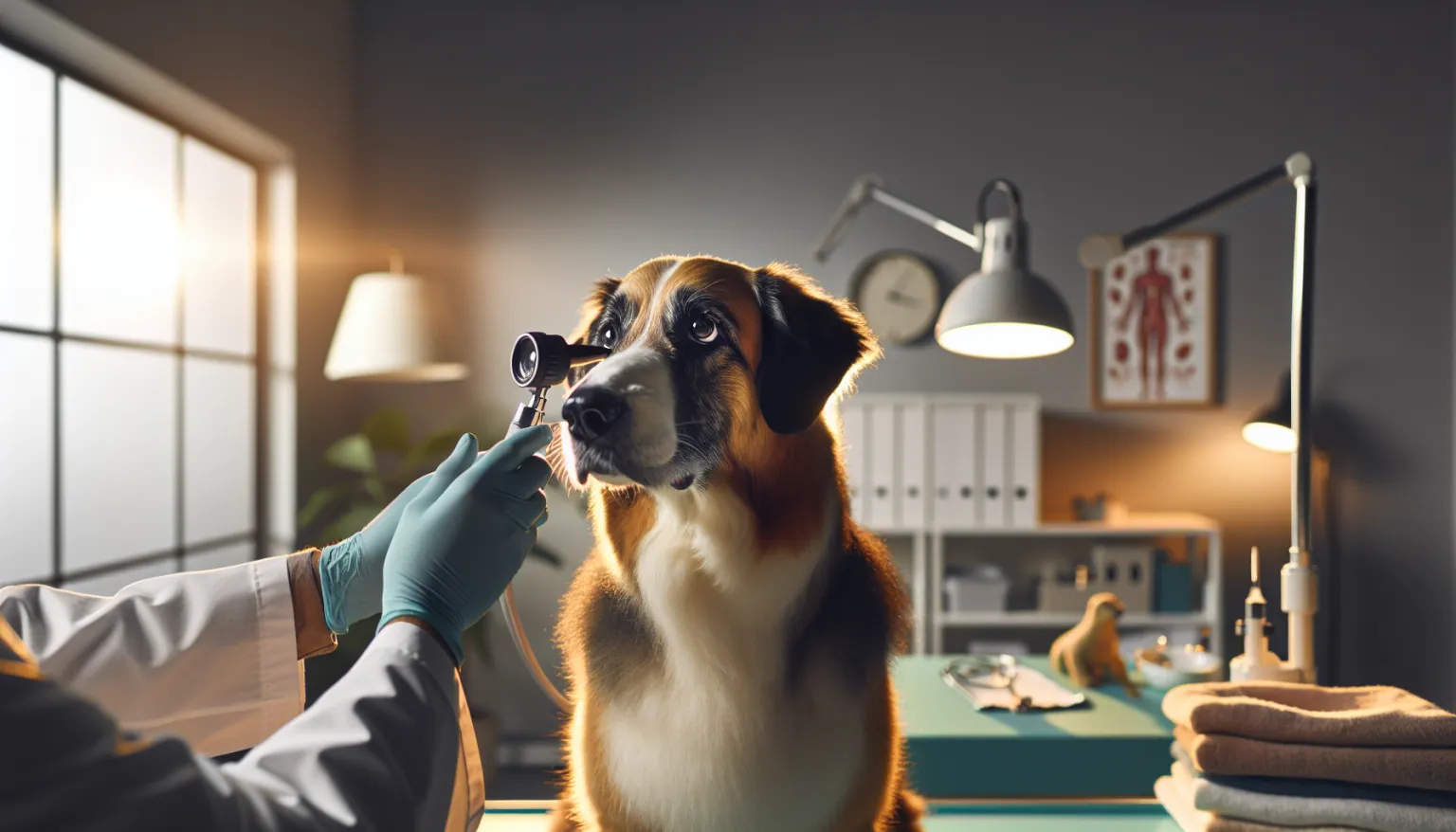
Bloodhound ears are long, pendulous, and create warm, moist ear canals highly conducive to yeast and bacterial infection. Weekly inspection and cleaning with a veterinary ear cleaner prevents recurrent infections that, left untreated, progress to middle and inner ear disease.
Dry ears thoroughly after bathing or swimming. If infections recur despite cleaning, pursue allergy evaluation rather than repeated empiric antibiotic courses — recurrent ear infections in Bloodhounds often have an underlying allergic component.
Priority Actions for a Longer Life
Start here — these are the highest-impact moves for Bloodhound longevity:
- Bloat prevention is the top longevity priority — discuss prophylactic gastropexy with your veterinarian
- Hip dysplasia management with weight control and regular monitoring starting in puppyhood
- Annual cancer screening after age 6 given elevated large-breed cancer rates
These are the monitoring anchors for your Bloodhound. Revisit them at every wellness visit and update your approach when screening results shift the picture. Reference Bloat, Hip Dysplasia, Cancer for evidence-based management.
Body Composition and Muscle Maintenance
Weight stability and muscle quality are foundational to orthopedic health and metabolic longevity in Bloodhounds. As a large breed, joint load and metabolic strain rise quickly when body composition drifts. These pursuit athletes need sustained lean mass to preserve joint function and cardiovascular efficiency.
Condition-Focused Prevention Stack
The greatest healthspan gains come from focusing prevention on Bloat, Hip Dysplasia, Cancer. The cost of early action is almost always lower than the cost of delay — in treatment complexity, in quality of life, and in total lifespan.
Stress, Routine, and Recovery
Household consistency matters more than most owners realize with Bloodhounds. Irregular schedules and insufficient scent work often present as behavior drift or recovery problems before physical decline becomes visible.
Preventive Screening Cadence
Set routine veterinary review checkpoints and escalate frequency when orthopedic function or gait quality show early drift. Prevention windows close quickly once symptoms become obvious.
Breed-Specific Research
Use these evidence deep dives to add context to your Bloodhound longevity plan:
- Arthritis Pain Management Stack For Dogs: evidence framework for hip dysplasia and arthritis management in large breeds
- Canine Cancer Early Warning Workflow: guides cancer surveillance planning in large breeds
- Canine Obesity And Lifespan Evidence: evidence base for weight management and joint disease relationship
The Role of Genetic Testing in Prevention
For Bloodhounds, genetic testing delivers the most value when results directly change what you measure, how often, and what triggers escalation. Hip and elbow scoring (OFA or PennHIP) quantifies orthopedic risk. Breed-specific cancer panel or tumor marker surveillance, when available, adds another layer.
- Match your initial testing to the breed’s established vulnerabilities. One round of results tells you where to look; repeated clinical assessment tells you what is actually happening.
- Build your initial monitoring playbook around Bloat and Hip Dysplasia, so that every test result feeds into a specific follow-up action.
- Consolidate everything — genetic results, lab work, exam notes, and what you observe at home — into a single document your vet can review in minutes.
- The value of genetic testing compounds over time. Each veterinary visit adds context that makes the original results more — not less — relevant to current decisions.
Good testing leads to better questions, not just more data. Let results sharpen your focus rather than broaden your anxiety.
What Breeding History Tells You
The Bloodhound was bred for tracking endurance, pursuit stamina, and scent-driven work over long distances. That legacy creates structural load patterns demanding proactive orthopedic surveillance and cancer susceptibility that benefits from serial tumor monitoring.
- Both orthopedic and cancer risks require sustained surveillance intensity from early adulthood through the senior years.
- Direct your monitoring attention first to Bloat, Hip Dysplasia, Cancer — these are the risks that the breed’s working history and health data identify as most likely.
- The owner who notices “something is slightly off for the third time this month” catches problems earlier than the one waiting for an obvious crisis.
- The best prevention plan is a living document. Adjust it whenever new data arrives, whenever a life stage changes, and whenever something surprises you.
The breed’s past shapes the risk landscape. Your Bloodhound’s present — measured in real data, not assumptions — shapes the response.
When to Screen, Test, and Reassess
- Puppy to 2 years: OFA hip evaluation, gastropexy discussion, bloat prevention education, baseline thyroid
- 2 to 6 years: annual wellness exam including thyroid panel, joint assessment, ear checks
- 7+ years: biannual exams, cancer surveillance protocol, pain and mobility reassessment
The Feeding Plan That Matters
Bloodhounds benefit from large-breed adult diets with controlled calcium and phosphorus during growth to avoid accelerated skeletal development. Adults do well on measured portions of complete large-breed diets. Twice-daily feeding rather than once daily reduces GDV risk. Omega-3 supplementation supports joint health. Avoid supplements or diets high in fermentable carbohydrates, which may increase gas production.
Your Long-Term Health Trajectory
Bloodhound longevity is most effectively extended through proactive bloat prevention and hip dysplasia management. The breed’s working-dog heritage supports good physical conditioning when exercise is appropriately managed across life stages. Owners who pursue gastropexy, maintain lean condition, and monitor thyroid and joint health give their dogs the best chance of reaching the upper end of the 10-12 year range.
The Drift Patterns Owners Miss First
Healthspan erosion in a Bloodhound typically starts with subtle shifts that are easy to rationalize:
- Restlessness or pacing after meals related to Bloat — often dismissed as normal post-meal behavior
- Bunny-hopping gait or reluctance to jump that masks Hip Dysplasia progression
- Palpable masses, persistent lethargy, or sudden collapse signaling Cancer that has already advanced
A week of consistent deviation from your dog’s normal baseline is not a fluctuation. It is a signal that warrants veterinary reassessment.
Frequently Asked Questions
How long do Bloodhounds live?
Bloodhounds typically live 10-12 years. With prophylactic gastropexy and proactive hip and health management, reaching the upper end of this range is achievable.
Should all Bloodhounds get gastropexy surgery?
Yes — most veterinarians recommend prophylactic gastropexy for Bloodhounds given the breed’s very high GDV risk. The surgery is most conveniently performed at the time of spay/neuter and is highly cost-effective compared to emergency GDV surgery.
Are Bloodhounds prone to hip problems?
Yes. Hip dysplasia prevalence in Bloodhounds is significant. OFA evaluation at 24 months establishes baseline status, and weight management throughout life is the primary modifiable protective factor.
Do Bloodhound ears need special care?
Yes. Their long pendulous ears require weekly inspection and cleaning to prevent recurrent yeast and bacterial ear infections. Dry ears thoroughly after bathing. Recurring infections often indicate underlying allergy.
What is the biggest health threat for Bloodhounds?
Bloat (GDV) is the most acute, life-threatening risk. Prophylactic gastropexy effectively eliminates the fatal volvulus component. Hip dysplasia is the most impactful chronic health concern.
References
[1] Prophylactic gastropexy in large-breed dogs: Glickman et al. JAVMA 2000. [2] OFA hip dysplasia statistics by breed. ofa.org. [3] WSAVA global nutrition guidelines. wsava.org. [4] Merck Veterinary Manual: Gastric Dilatation-Volvulus. merckvetmanual.com. [5] AKC Bloodhound breed health surveys. akc.org.
Related reads
Related Reading
Continue exploring