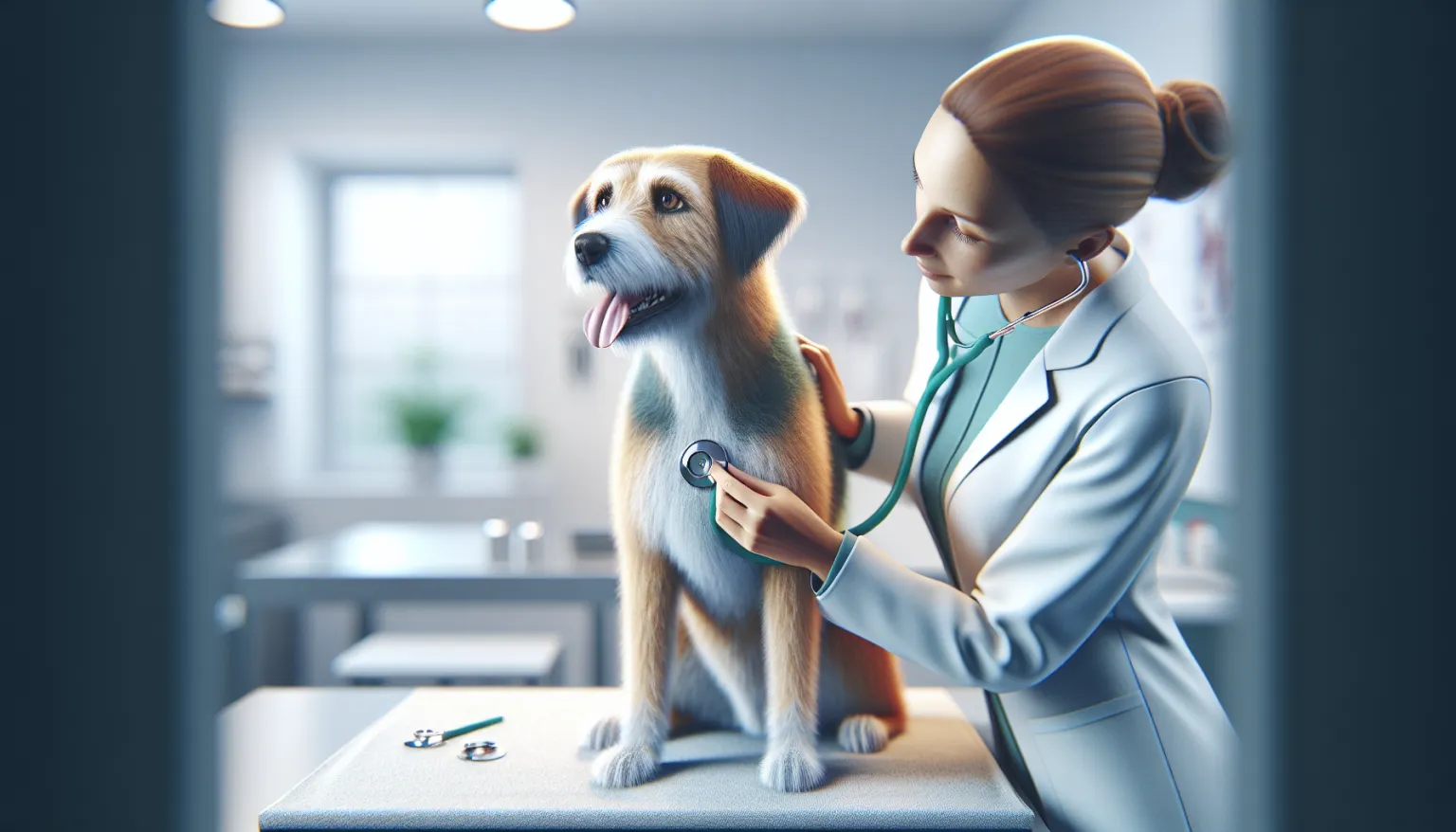
The Cardiac Question That Defines This Cross
Every Cavapoo owner needs to understand one fact above all others: the Cavalier King Charles Spaniel — one half of this cross — carries the highest rate of mitral valve disease (MVD) of any breed. Studies have found that by age 5, roughly 50% of Cavaliers have detectable mitral valve degeneration. By age 10, the number approaches 100%.
This is the medical reality the Cavapoo inherits. Crossing with a Miniature Poodle or Toy Poodle may dilute this risk — first-generation crosses benefit from heterosis for conditions with strong genetic components — but it does not eliminate it. Your Cavapoo’s longevity plan must be organized around cardiac surveillance from an early age. Everything else is secondary to this single priority.
That said, the news is not all bad. With proactive screening, early detection, and modern cardiac management, many dogs with MVD live years beyond the point of initial diagnosis. The dogs that lose time are the ones whose murmurs go unmonitored until heart failure develops.
Hybrid Vigor: Realistic Expectations
The Cavapoo benefits from genuine heterosis when the parents come from genetically diverse, unrelated lines. A 2013 JAVMA study analyzing over 27,000 dogs found mixed breeds had lower prevalence of several inherited conditions compared to purebreds.
For Cavapoos specifically, the Poodle cross likely provides the most benefit for conditions where the Cavalier carries concentrated breed-specific risk — conditions like syringomyelia (associated with Cavalier skull conformation) and certain recessive disorders. The benefit is smaller for polygenic conditions like heart disease and luxating patella, which both parent breeds carry at elevated rates.
First-generation (F1) crosses show the strongest heterosis effect. Multigenerational breeding progressively diminishes this advantage as the gene pool narrows again.
The Cavalier King Charles Spaniel Inheritance
The Cavalier contributes the Cavapoo’s gentle, affectionate temperament — the quality that makes this cross one of the most sought-after companion dogs. The Cavalier also contributes a health profile that requires honest assessment.
Mitral Valve Disease
MVD is a degenerative condition where the mitral valve loses its structural integrity over time, allowing blood to regurgitate backward through the heart. It begins as a soft murmur detectable only with a stethoscope and progresses, over months to years, toward congestive heart failure if unmanaged.
The Cavalier’s MVD predisposition is so well-documented that the breed club established the MVD Breeding Protocol in 1998, recommending that Cavaliers not be bred until age 5 with clear cardiac evaluations. Compliance, unfortunately, remains inconsistent across breeders.
For your Cavapoo, this means:
- Cardiac auscultation at every veterinary visit, starting from the first puppy exam
- Baseline echocardiogram by age 3-4, particularly if breeding history is unknown
- Learning to count sleeping respiratory rate at home — normal is under 30 breaths per minute
- Treating any new murmur as a signal for echocardiographic evaluation, not a wait-and-see observation
The EPIC study (2016) demonstrated that the cardiac medication pimobendan, started at the preclinical stage of MVD (before heart failure develops), significantly delayed the onset of congestive heart failure by a median of 15 months. Early detection changes outcomes.
Additional Cavalier Contributions
Cavaliers also carry elevated risk for syringomyelia (a neurological condition related to skull malformation), dental disease, and ear infections. The Poodle cross may reduce syringomyelia risk by altering skull conformation, but dental and ear issues persist in many Cavapoos.
The Poodle Side of the Equation
Poodles contribute longevity, intelligence, and the low-shedding coat that attracts many buyers. Toy and Miniature Poodles average 12-15+ years, providing the genetic basis for the Cavapoo’s life extension beyond the Cavalier’s typical 10-14 year range.
Poodle-origin health concerns relevant to Cavapoos include:
- Progressive retinal atrophy (PRA): responsible breeders test for prcd-PRA before crossing
- Luxating patella: both Poodles and Cavaliers carry risk, making this a double-loaded concern
- Skin allergies: Poodles are among the breeds with higher atopic dermatitis prevalence
- Ear canal anatomy: floppy ears with hair growth inside the canal drive recurrent ear infections
Luxating Patella: Double Inheritance
When both parent breeds carry elevated luxating patella risk, the offspring cannot benefit from heterosis for that condition. The Cavapoo inherits small-breed knee anatomy from both sides, making patellar instability a genuine concern.
Weight management is the most impactful modifiable factor. In a 9-25 lb dog, even modest weight gain places disproportionate additional load on the stifle joint. Lean body condition from puppyhood onward does not prevent luxating patella, but it meaningfully slows progression and reduces clinical impact.
Have your veterinarian evaluate patellar stability at every routine visit. Grades I-II often respond to conservative management (weight control, muscle conditioning). Grades III-IV typically warrant surgical discussion to prevent progressive cartilage damage and secondary arthritis.
Dental Health in Small Mouths
Both Cavaliers and Poodles carry predisposition for dental disease, and the Cavapoo’s small jaw anatomy amplifies the problem. Crowded teeth trap plaque and bacteria, driving periodontal progression faster than in breeds with more spacious oral anatomy.
Daily tooth brushing is the highest-return dental intervention. Professional cleanings on a veterinarian-recommended schedule maintain the foundation. Do not delay dental procedures due to age alone — a well-planned dental cleaning with appropriate pre-anesthetic assessment carries far less risk than untreated periodontal disease.
Ear Health Management
Between the Cavalier’s pendulous ears and the Poodle’s ear-canal hair, Cavapoos are predisposed to chronic ear infections. Weekly ear cleaning with a veterinary-recommended solution prevents the moisture and debris accumulation that drives infection cycles.
Monitor for head shaking, odor from ear canals, dark discharge, or scratching at the ears. Chronic, untreated ear infections lead to structural changes in the ear canal that make future infections more likely and harder to treat.
Feeding a Small Dog With Big Cardiac Risk
Nutrition in the Cavapoo serves two critical functions: maintaining lean body condition to protect joints, and supporting cardiovascular health through anti-inflammatory and heart-supportive nutrients.
Use Feeding Guide for Small Breeds as your framework. Measured meals, a strict treat budget, and monthly body condition scoring are essential. For dogs with documented cardiac concerns or MVD family history, discuss CoQ10 for Dogs and Omega-3 Fish Oil for Dogs with your veterinarian as targeted adjuncts.
Avoid excess sodium in treats and table scraps — particularly important for dogs with any stage of cardiac disease. Maintain adequate protein intake to preserve muscle mass, which supports both mobility and cardiac output.
Exercise for a Heart-Conscious Dog
Cavapoos are moderately active dogs that benefit from 30-60 minutes of daily exercise. The key is consistent, moderate activity rather than sporadic bursts of intense exercise.
For dogs with known or suspected cardiac disease, exercise guidelines should be veterinarian-guided. Watch for:
- Coughing during or after exercise
- Disproportionate fatigue relative to activity level
- Reluctance to continue activities your dog previously enjoyed
- Labored breathing that does not resolve within a few minutes of rest
These are signals to reduce intensity and schedule a cardiac reassessment, not to eliminate exercise entirely. Appropriate activity supports cardiac function; excessive sedentariness accelerates deconditioning.
Preventive Screening Timeline
- Puppy to 2 years: Baseline cardiac auscultation, patellar evaluation, dental assessment. Establish grooming and ear care routines. Begin socialization for veterinary handling.
- 3 to 6 years: Annual wellness with cardiac auscultation, echocardiogram if murmur detected or if breeding cardiac history is concerning. Eye screening for PRA. Dental cleaning as recommended.
- 7 to 10 years: Add comprehensive bloodwork. Increase cardiac monitoring frequency. Assess arthritis progression. Senior dental evaluation.
- 11+ years: Twice-yearly exams with cardiac echocardiography, senior metabolic panel, mobility evaluation, and cognitive function assessment.
Breed-Specific Research
- Blood Pressure Monitoring in Dogs: The Silent Risk Most Owners Miss: cardiac screening and blood pressure monitoring for breeds with MVD predisposition.
- Dental Disease in Dogs: Oral Health and Longevity: oral health protocols relevant to small-breed longevity.
- Senior Dog Screening Protocol: What to Test and When: structured screening framework for cardiac-risk breeds.
Condition-Specific Monitoring Triggers
- Mitral Valve Disease: Resting respiratory rate trending above your dog’s personal baseline, coughing at night or after excitement, exercise intolerance, or fainting.
- Luxating Patella: Intermittent skipping on a hind leg, reluctance to jump, or stiffness after rest.
- Heart Disease: Subtle increases in breathing effort, restlessness at night, reduced stamina, or new murmur detected at routine exam.
- Progressive Retinal Atrophy: Night blindness, hesitation in unfamiliar dim spaces, dilated pupils.
- Dental Disease: Bad breath, reluctance to chew, dropping food, bleeding gums, facial swelling.
- Ear Infections: Head shaking, ear odor, dark discharge, scratching at ears.
- Skin Allergies: Persistent scratching, paw licking, face rubbing, recurrent hot spots.
12-Month Longevity Execution Plan
Quarter 1: Cardiac Baseline and Core Protocols
- Establish cardiac baseline: auscultation, resting respiratory rate log, echocardiogram if warranted
- Document weight, body condition score, patellar stability, and dental status
- Set feeding protocol with measured meals and explicit treat limits
- Build ear cleaning and dental care into daily/weekly routines
Quarter 2: Early Detection Focus
- Reassess cardiac status — any murmur change warrants echocardiographic follow-up
- Compare weight and dental condition against Q1 baselines
- Review adherence to ear care, grooming, and feeding protocols
- Address any skin, eye, or behavioral changes promptly
Quarter 3: Midyear Cardiac and Joint Review
- Repeat cardiac auscultation and resting respiratory rate trend analysis
- Evaluate joint health: patellar stability, gait quality, exercise tolerance
- Adjust exercise programming based on cardiac and musculoskeletal findings
- Update dental cleaning schedule based on current periodontal status
Quarter 4: Annual Synthesis and Forward Planning
- Comprehensive year-end review: cardiac status, joint health, weight trends, dental staging
- Complete senior bloodwork if age-appropriate
- Build next year’s screening calendar with specific dates and triggers
- Update household emergency plan and escalation criteria
When to Seek Emergency Care
- Rapid, labored breathing with restlessness (possible congestive heart failure)
- Fainting or collapse, even briefly
- Blue or purple tongue or gum color
- Complete food refusal for 24+ hours with lethargy
- Sudden severe lameness or inability to bear weight
- Sustained resting respiratory rate above 40 breaths per minute
- Seizure activity
Home Tracking Dashboard
Track monthly:
- Resting (sleeping) respiratory rate — the most important home cardiac metric
- Weight and body condition score
- Dental comfort: willingness to chew, breath quality, gum appearance
- Gait quality: any skipping, limping, or joint stiffness
- Ear health: odor, discharge, head shaking frequency
- Energy level and exercise tolerance compared to personal baseline
- Sleep quality and behavioral consistency
Frequently Asked Questions
How likely is my Cavapoo to develop heart disease? The Cavalier parent’s MVD predisposition means cardiac disease risk is elevated compared to most small breeds. The Poodle cross may dilute but does not eliminate this risk. Early screening and ongoing monitoring are the most effective ways to manage it.
When should cardiac screening start? Auscultation at every vet visit from puppyhood. Baseline echocardiogram by age 3-4, or immediately if a murmur is detected. This is the single most important breed-specific screening for Cavapoos.
What is resting respiratory rate and why does it matter? Count how many breaths your dog takes per minute while sleeping. Normal is under 30. A sustained increase above your dog’s personal baseline — even if still technically in the normal range — is one of the earliest detectable signs of cardiac decompensation.
Does the Poodle cross eliminate the Cavalier’s heart problems? No. First-generation crosses may reduce severity or delay onset through heterosis, but MVD risk persists. Treat your Cavapoo as a cardiac-risk breed and screen accordingly.
Is luxating patella treatable? Grade I-II often responds well to conservative management: weight control, muscle conditioning, and activity modification. Grade III-IV typically benefits from surgical correction. Your vet can grade your dog’s condition and recommend the appropriate path.
How important is breeder cardiac testing? Extremely important. A Cavapoo from Cavalier parents with documented cardiac clearances after age 5 has meaningfully different odds than one from untested parents. Request cardiac screening records and MVD breeding protocol compliance.
Can diet help with heart disease risk? Diet alone does not prevent MVD, but maintaining lean body condition reduces cardiac workload. Omega-3 fatty acids support cardiovascular function, and sodium moderation becomes important if cardiac disease develops. Discuss specific cardiac nutrition protocols with your vet.
References
[1] Effect of Pimobendan in Dogs with Preclinical Myxomatous Mitral Valve Disease (EPIC Study, 2016) [2] Prevalence of inherited disorders among mixed-breed and purebred dogs (Bellumori et al., JAVMA, 2013) [3] Life expectancy, mortality, and longevity in companion dogs (Scientific Reports, 2024) [4] AKC Cavalier King Charles Spaniel Breed Information [5] Merck Veterinary Manual [6] AAHA Canine Life Stage Guidelines
This content is for informational purposes only and does not constitute veterinary advice. Always consult a licensed veterinarian for decisions about your dog’s health, diagnosis, and treatment.
Related reads
Related Reading
Continue exploring