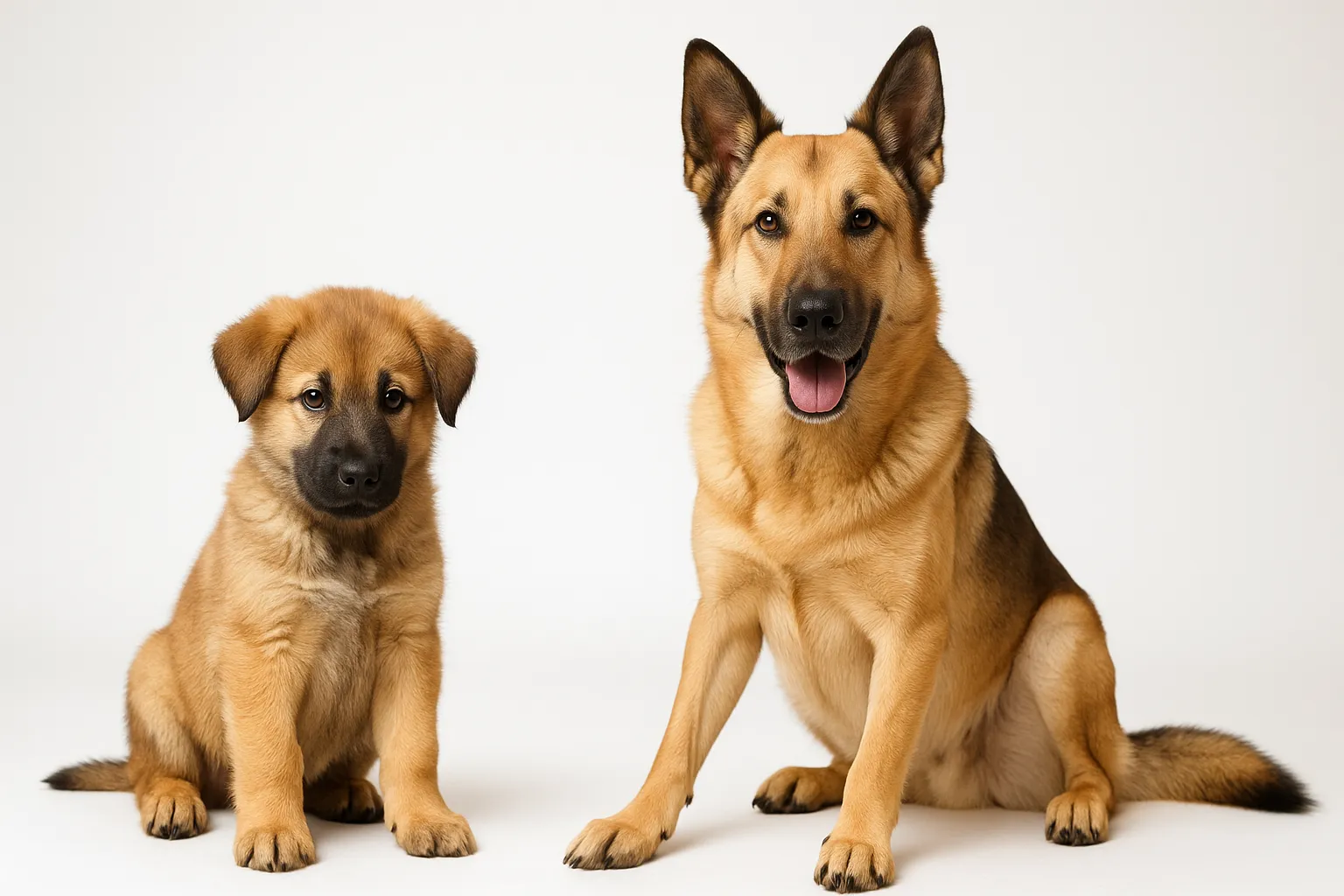
The Longevity Challenge Every Chinook Owner Should Understand
A large working dog that regularly lives 13-15 years should not exist — but the Chinook does. Developed by explorer Arthur Treadwell Walden in early 1900s New Hampshire specifically for sled dog work, this gentle, powerful breed is one of the rarest AKC-recognized dogs in the world. In the 1960s, only 125 Chinooks were alive. That near-extinction event shapes every health decision today.
The breed’s extremely small historical gene pool makes comprehensive health testing of all breeding stock critical. Hip dysplasia is the primary documented orthopedic concern. Epilepsy and eye conditions, including progressive retinal atrophy, round out the risk profile. But here is the remarkable part: despite the genetic bottleneck, the Chinook’s sled dog heritage has preserved a robustness that gives large-breed owners a longevity outlier few would expect. New Hampshire honored that legacy by making the Chinook the state dog in 2009.
The Health Conditions That Define This Breed
Hip Dysplasia
Hip dysplasia is the primary orthopedic concern in Chinooks. OFA hip evaluation at 24 months is essential for all breeding stock — and in a breed this rare, every screening contributes to the genetic health of the entire population. Lean body condition and controlled exercise during skeletal development reduce clinical severity. The Chinook Owners Association tracks OFA data to guide responsible breeding decisions.
See the Hip Dysplasia guide for full prevention and management detail.
Epilepsy
Seizures are documented in Chinooks, with idiopathic epilepsy typically presenting between ages 1 and 5. Dogs with two or more unprovoked seizures require a full neurological evaluation. Anticonvulsant therapy with drug level monitoring every 6 months manages most cases effectively. The Chinook community maintains seizure tracking to support research into the genetic basis of the condition.
See the Epilepsy guide for full prevention and management detail.
Eye Conditions
Progressive retinal atrophy and other eye conditions have been reported in Chinooks. Annual CAER exams from age 1 provide ongoing surveillance. Given the small gene pool, both DNA testing for documented mutations and CAER registration of all breeding dogs serve as important tools for protecting the breed’s future.
See the Eye Conditions guide for full prevention and management detail.
What the Evidence Says About Living Longer
Rarest Working Breed Stewardship
Owning a Chinook means being a steward of one of the rarest AKC breeds in existence. Purchasing from a health-testing breeder is not just about your dog’s health — it directly contributes to the genetic viability of the entire breed. The Chinook Owners Association requires OFA hip evaluation, CAER exams, and cardiac evaluation for all breeding dogs. Supporting this program through selective purchasing choices contributes to breed recovery from near-extinction.
Sled Dog Exercise and Work Needs
Chinooks were built for one thing: pulling sleds over long distances in cold conditions. They carry exceptional stamina and cold-weather tolerance in their DNA. Daily exercise of 60-90 minutes minimum is non-negotiable. They excel in recreational mushing, skijoring, carting, and weight pulling. The breed’s gentle temperament makes them easier to live with than many working breeds, but their stamina demands must be respected. An under-exercised Chinook becomes a restless one.
Exceptional Longevity for a Large Breed
When a 55-90 lb working dog regularly reaches 13-15 years, senior care planning takes on special importance. Begin senior protocols at age 9: biannual wellness visits, cardiac monitoring, and cognitive function tracking. Dogs living into their mid-teens may develop age-related changes in vision, hearing, and mobility — all manageable with appropriate environmental adaptation and veterinary support. Their longevity makes long-term health investments particularly valuable.
Priority Actions for a Longer Life
These are the investments that pay the highest longevity dividend for a Chinook:
- OFA hip evaluation at 24 months — hip dysplasia is the primary orthopedic concern
- Annual CAER eye exam — eye conditions documented in the breed
- Monitor for epilepsy signs — seizures documented in Chinooks
Concentrate your prevention budget — time, money, and attention — on these conditions. They represent the highest-probability risks and the areas where early action matters most. See Hip Dysplasia, Seizures Epilepsy, Eye Conditions for the full breakdown.
Evidence-Based Longevity Priorities
Body Composition and Muscle Maintenance
Body condition is the single most modifiable longevity factor for a Chinook — every extra pound of fat amplifies risk across joints, heart, and metabolism simultaneously. At 55-90 lbs, joint load and metabolic strain rise quickly when body composition drifts. Their sled-pulling heritage means muscle maintenance directly affects functional longevity — these dogs were built to work, and they age best when they stay active.
Condition-Focused Prevention Stack
Prevention delivers the greatest return when aimed at Hip Dysplasia, Seizures Epilepsy, Eye Conditions. Acting on these early keeps your options wide and prevents the cascading complications that delayed treatment invites.
Behavior, Stress Load, and Recovery
Daily routine consistency matters more in working breeds than in most other groups. For Chinooks, stable sleep windows, controlled activity, and clear social structure prevent the kind of stress-driven aging acceleration that erodes healthspan.
Preventive Screening Cadence
Use planned veterinary reassessment intervals, then tighten cadence when trend logs show drift in orthopedic function and gait quality. Early intervention windows are where most healthspan gains are made.
Breed-Specific Research
Use these evidence deep dives to add mechanism-level context to your Chinook longevity plan:
- Senior Dog Screening Protocol: extended senior monitoring for a large breed that commonly lives 13-15 years
- Genetic Testing For Dogs Clinical Roi: genetic health management in a breed recovering from near-extinction bottleneck
- Exercise Prescription By Life Stage: exercise management for a high-stamina sled dog breed
Using DNA Data to Guide Prevention
Genetic testing in a breed this rare carries extra weight. Use results to tighten surveillance windows and calibrate intervention thresholds. OFA or PennHIP hip scoring and CERF eye exams form the practical starting point.
- A well-chosen initial panel gives you a risk map. Follow-up assessments at regular intervals tell you which risks are materializing and which remain theoretical.
- Anchor your initial monitoring to Hip Dysplasia and Seizures Epilepsy. Testing matters when it changes what you measure, how often, and what triggers escalation.
- Track everything in one place: test results, exam findings, medication changes, and what you notice at home. Patterns that span months or years only become visible when the data lives together.
- Each time your Chinook enters a new life stage or shows a persistent change in function, go back to the genetic data and ask what it means in the new context.
Every genetic or diagnostic result should answer one question: what do I do differently starting now?
Breeding History & Health Implications
Arthur Walden developed the Chinook for draft work, endurance, and a temperament steady enough for expedition conditions. That history directly informs today’s health priorities.
- The breed’s structural load patterns demand proactive orthopedic surveillance and sustained surveillance intensity from early adulthood through the senior years.
- Focus your risk surveillance on Hip Dysplasia, Seizures Epilepsy, Eye Conditions — these are the conditions where this breed’s ancestry creates the most actionable risk profile.
- Repeated low-grade signals are how most chronic conditions announce themselves. Respond to the pattern, not just the individual data point.
- Static prevention plans decay in value. The most effective owners treat their Chinook’s health plan as something that evolves with every vet visit and every home observation.
Breeding history narrows the search. Serial monitoring data makes the call.
Age-Based Monitoring Milestones
- Puppy to 2 years: OFA hip evaluation, CAER exam, cardiac evaluation
- 3-8 years: annual CAER exam, wellness bloodwork every 2 years
- 9+ years: senior panel biannually, cardiac monitoring, mobility assessment, cognitive tracking
The Feeding Plan That Matters
Quality large-breed adult food meets most Chinooks’ needs. Active sled-work dogs require higher caloric density during working seasons. Lean body condition throughout life protects joint health and preserves the breed’s exceptional longevity potential. Omega-3 supplementation supports coat and joint health.
Your Long-Term Health Trajectory
Chinooks are exceptional longevity outliers among large working breeds — frequently reaching 13-15 years with the kind of healthspan that makes those extra years worth having. OFA screening, CAER surveillance, and appropriate sled-dog exercise management form the foundation. Their working heritage and the resilience built through natural selection support robust health when owners do their part.
Most-Missed Early Drift Pattern
Early disease progression in Chinooks usually presents as low-grade changes that owners attribute to normal aging:
- Subtle hind-limb stiffness after rest related to Hip Dysplasia that owners often dismiss as temporary
- A mild early sign tied to Seizures Epilepsy that appears intermittently
- Gradual drift toward Eye Conditions signs that become harder to reverse: visible cloudiness, chronic redness, or navigation difficulty
If baseline function is drifting for 7-10 days, treat it as a prevention failure signal and reassess early.
Additional Health Risks to Monitor
Based on breed predisposition data, Chinook owners should also be aware of:
Frequently Asked Questions
How long do Chinooks live?
Chinooks typically live 12-15 years, which is exceptional for a large working breed. OFA orthopedic screening, CAER eye monitoring, and active exercise management are the primary longevity investments.
Is the Chinook the state dog of New Hampshire?
Yes — the Chinook was designated the state dog of New Hampshire in 2009, recognizing the breed’s origins in the state and the role of Chinooks in Arthur Walden’s famous sled dog expeditions.
How rare are Chinooks?
The Chinook is one of the rarest AKC-recognized breeds, with only a few hundred dogs registered annually. The breed reached a low of 125 individuals in 1965 before breed preservation efforts stabilized the population.
Are Chinooks good family dogs?
Chinooks are known for their gentle, patient temperament — they are excellent family dogs. Their sled-dog working heritage means they are active and need regular exercise, but their gentle nature makes them manageable for most families who can meet their exercise needs.
Did Chinooks go to Antarctica?
Yes — Arthur Walden’s Chinook sled dogs accompanied Admiral Richard Byrd’s first Antarctic Expedition in 1929, demonstrating the breed’s exceptional endurance and cold-weather capability.
References
[1] Chinook Owners Association. chinookowners.org. [2] OFA health statistics. ofa.org. [3] New Hampshire state dog designation. nh.gov. [4] Byrd Antarctic expedition history: National Archives. [5] AKC breed information. akc.org.
Related reads
Related Reading
Continue exploring