The Longevity Challenge Every Curly-Coated Retriever Owner Should Understand
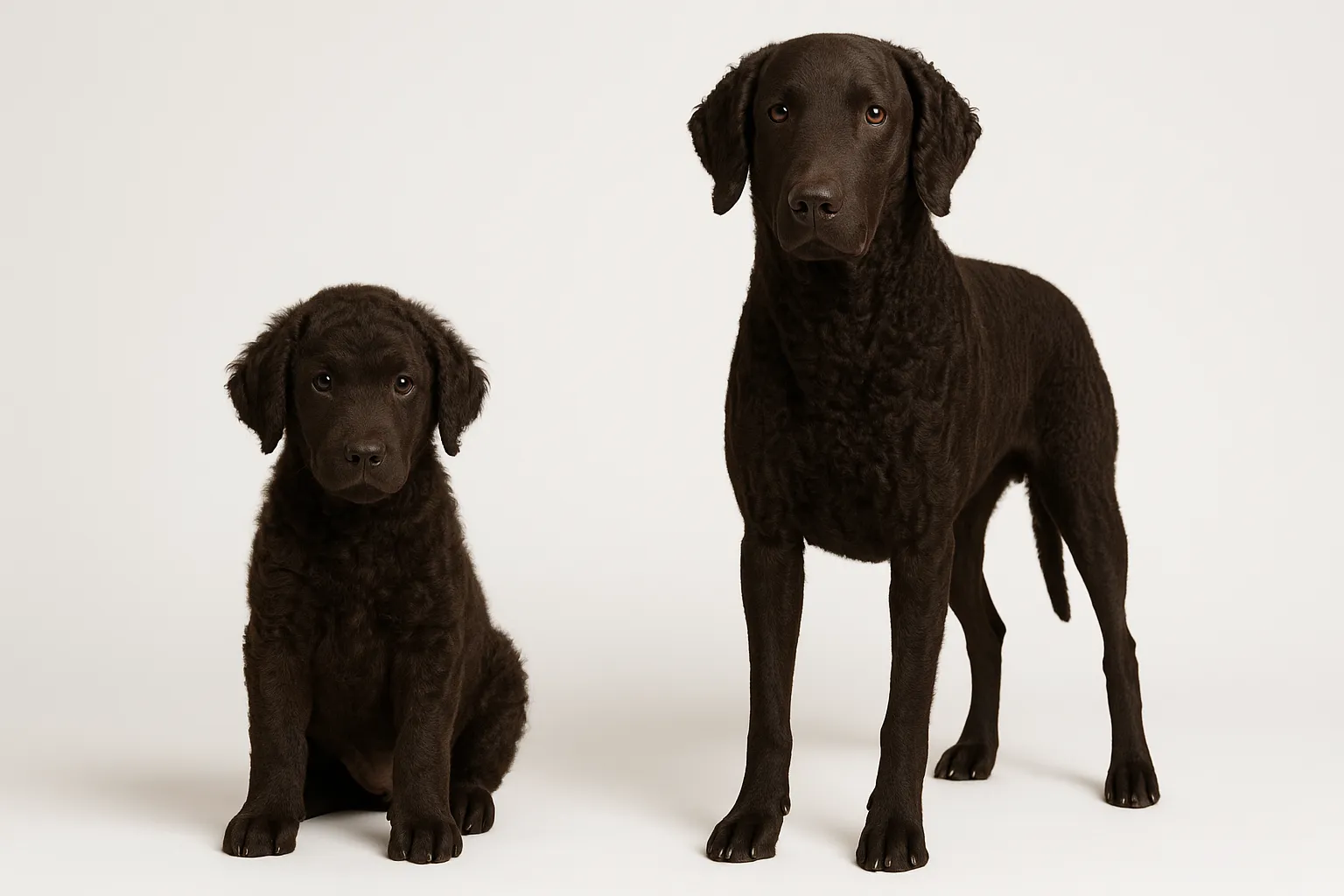
The Curly-Coated Retriever is the oldest retriever breed, and one of the most distinctive — those tight, crisp curls over a dark liver or black coat set them apart from every other sporting dog. Originally developed in England for upland game and waterfowl retrieval, they are athletic, independent, and intelligent. Lifespans run 10-12 years, shaped primarily by two threats: elevated cancer rates and a breed-specific metabolic disease that can be eliminated through genetic testing.
Cancer is the leading cause of death in Curly-Coated Retrievers. Hemangiosarcoma, lymphoma, and mast cell tumors appear at elevated rates compared to other retriever breeds. Glycogen storage disease type IIIa (GSD IIIa) — caused by a mutation in the AGL gene — is an autosomal recessive metabolic disease that causes progressive liver and neuromuscular deterioration. It is fatal without genetic identification before breeding. DNA testing identifies clear, carrier, and affected dogs, making this a preventable tragedy. Hip dysplasia and epilepsy round out the documented concerns.
The Health Landscape for This Breed
Hip Dysplasia
Hip dysplasia occurs in Curly-Coated Retrievers at rates consistent with large retrievers. OFA or PennHIP evaluation at 24 months provides the structural baseline. Lean body condition from puppyhood reduces clinical impact. For dogs with moderate-to-severe dysplasia, physical rehabilitation and joint-supportive nutrition should begin at the time of diagnosis rather than waiting for function to decline further.
See the Hip Dysplasia guide for full prevention and management detail.
Cancer
Cancer is what takes most Curly-Coated Retrievers. Hemangiosarcoma, lymphoma, and mast cell tumors are the most frequently reported types. Starting at age 6, annual abdominal ultrasound, chest radiographs, and lymph node palpation provide structured surveillance. Monthly owner inspection of skin and lymph nodes at home enables early detection of surface lesions and lymphadenopathy — the kind of catch that can change outcomes.
See the Cancer guide for full prevention and management detail.
Epilepsy
Epilepsy occurs in Curly-Coated Retrievers at above-average rates, typically presenting between ages 1 and 5. A full diagnostic workup is indicated for dogs with two or more unprovoked seizures. Anticonvulsant therapy with drug level monitoring every 6 months manages most cases effectively. Seizure logs help characterize type and frequency to guide treatment decisions.
See the Epilepsy guide for full prevention and management detail.
Practical Longevity Strategies
GSD IIIa Genetic Testing — Essential for All Breeding Dogs
Glycogen storage disease type IIIa is the kind of disease that should not exist in any more litters. It is breed-specific, autosomal recessive, and fully identifiable through DNA testing. Affected dogs accumulate abnormal glycogen in liver and muscle, causing progressive hepatomegaly, muscle weakness, and hypoglycemia. The disease is fatal. DNA testing identifies clear, carrier, and affected dogs before any breeding decision is made. No carrier-to-carrier pairings should occur. Responsible breeding can eliminate GSD IIIa from the breed population entirely.
Cancer Surveillance Protocol
With cancer as the primary mortality cause, a proactive surveillance protocol starting at age 5-6 significantly improves the odds of catching treatable cancers before metastasis. Owners should perform monthly whole-body palpation — skin, lymph nodes, long bones — and report any new masses immediately. Annual abdominal ultrasound and chest radiographs from age 6-7 add imaging-based surveillance. The Curly-Coated Retriever Club of America cancer survey tracks breed incidence to support ongoing research.
Independent Temperament and Training
Curly-Coated Retrievers are not Labrador Retrievers. They are notably more independent and reserved — not typically biddable or eager-to-please in the way most people associate with retrievers. They require patient, consistent positive training and early socialization. Their reserved nature can be misread as aloofness by owners expecting a golden retriever personality. Mental engagement through field work, agility, or nose work is essential. Understimulated Curlies become bored, and a bored Curly becomes destructive.
Where to Focus Your Prevention Effort
These are the investments that pay the highest longevity dividend for a Curly-Coated Retriever:
- DNA testing for glycogen storage disease type IIIa — a breed-specific fatal metabolic disease
- OFA hip evaluation at 24 months — hip dysplasia is a significant concern in large retrievers
- Annual cancer surveillance from age 6 — cancer is a leading cause of mortality in the breed
Concentrate your prevention budget — time, money, and attention — on these conditions. They represent the highest-probability risks and the areas where early action matters most. See Hip Dysplasia, Cancer, Seizures Epilepsy for the full breakdown.
Evidence-Based Longevity Priorities
Body Composition and Muscle Maintenance
Maintaining lean muscle mass in a Curly-Coated Retriever is one of the highest-yield longevity interventions available. At 60-95 lbs, joint load and metabolic strain escalate quickly when body composition drifts. These are endurance-bred field dogs — they maintain better muscle quality when activity patterns stay consistent.
Condition-Focused Prevention Stack
The greatest healthspan gains come from focusing prevention on Hip Dysplasia, Cancer, Seizures Epilepsy. Early action preserves the widest range of treatment options — waiting narrows them irreversibly.
Behavior, Stress Load, and Recovery
Inconsistent exercise schedules show up first as behavior changes, sleep fragmentation, or slower recovery from exertion. Stable routines protect both cognitive function and physical resilience. This breed does not do well with unpredictability.
Preventive Screening Cadence
Schedule veterinary reassessment intervals by age band and trend changes rather than waiting for obvious deterioration. Planned checkpoints focused on orthopedic function and cancer markers improve early detection and intervention timing.
Breed-Specific Research
Use these evidence deep dives to add mechanism-level context to your Curly-Coated Retriever longevity plan:
- Cancer Screening In Dogs What Helps: cancer surveillance strategies for a breed with elevated hemangiosarcoma and lymphoma rates
- Genetic Testing For Dogs Clinical Roi: GSD IIIa genetic testing and cancer screening in Curly-Coated Retrievers
- Canine Cancer Early Warning Workflow: early cancer detection workflow applicable to high-risk retriever breeds
Using DNA Data to Guide Prevention
For Curly-Coated Retrievers, genetic testing carries life-or-death stakes — GSD IIIa testing alone justifies the investment. Beyond that, OFA or PennHIP hip and elbow scoring quantifies orthopedic risk. Breed-specific cancer panels, when available, add another layer.
- Run a panel targeted to your breed’s most common conditions. Then confirm what the genetics suggest through ongoing clinical evaluation — the panel sets direction, not destiny.
- Link your monitoring plan to Hip Dysplasia and Cancer first. When test results drive concrete changes in screening cadence or intervention, testing earns its cost.
- Your Curly-Coated Retriever’s health story unfolds across years, not appointments. A continuous record linking genetic data, lab trends, and daily observations makes each veterinary conversation more productive.
- Each time your Curly-Coated Retriever enters a new life stage or shows a persistent change in function, go back to the genetic data and ask what it means in the new context.
Every genetic or diagnostic result should answer one question: what do I do differently starting now?
Breeding History & Health Implications
The Curly-Coated Retriever was bred for stamina, retrieval work, and sustained field activity in cold water and rough terrain. That legacy created a robust working dog — and also a breed with structural load patterns and cancer susceptibility that require structured surveillance.
- The mechanical stress this breed’s frame sustains over a lifetime makes orthopedic surveillance a non-negotiable part of the prevention plan.
- Channel your prevention effort toward Hip Dysplasia, Cancer, Seizures Epilepsy, the conditions where this breed’s genetic and functional history creates the greatest vulnerability.
- The difference between catching a problem early and catching it late is often just paying attention to the small stuff that repeats. One off day is nothing. Three in a month is a trend.
- Prevention strategies that never get updated become prevention rituals. Revisit yours regularly and adjust based on what the data actually shows.
Breed heritage identifies the likely risks. Your dog’s longitudinal health data converts those probabilities into specific, timed actions.
Monitoring Schedule by Life Stage
- Puppy: GSD IIIa DNA testing, baseline wellness
- 2 years: OFA hip and elbow evaluation, CAER exam
- 3-6 years: annual CAER exam, wellness bloodwork every 2 years
- 7+ years: senior panel annually, chest radiograph and abdominal ultrasound annually for cancer surveillance
What and How to Feed
Quality large-breed adult food meets most Curly-Coated Retrievers’ needs. Lean body condition matters for both joint health and cancer risk reduction — obesity is an independent cancer risk factor. Omega-3 supplementation supports coat, joint, and immune health. Watch for weight creep when activity levels drop; the breed can gain weight quickly during reduced-exercise periods.
What a Well-Managed Life Looks Like
Curly-Coated Retrievers with GSD IIIa testing, proactive cancer surveillance from middle age, and OFA orthopedic screening are best positioned for healthy lives in the 11-12 year range. Their independent nature and working dog heritage support active longevity when health monitoring stays consistent. The breed rewards owners who combine vigilance with patience.
Most-Missed Early Drift Pattern
Healthspan erosion in Curly-Coated Retrievers typically begins with subtle shifts that are easy to miss:
- Subtle hind-limb stiffness after rest related to Hip Dysplasia that owners often dismiss as temporary
- Subtle compensation patterns that mask Cancer progression: gradual weight loss that blends with normal aging
- A mild early sign tied to Seizures Epilepsy that appears intermittently
If baseline function is drifting for 7-10 days, treat it as a prevention failure signal and reassess early.
Additional Health Risks to Monitor
Based on breed predisposition data, Curly-Coated Retriever owners should also be aware of:
Frequently Asked Questions
How long do Curly-Coated Retrievers live?
Curly-Coated Retrievers typically live 10-12 years. Cancer surveillance, GSD IIIa genetic testing in the lineage, and OFA orthopedic screening are the primary longevity investments.
What is glycogen storage disease in Curly-Coated Retrievers?
GSD IIIa is a fatal autosomal recessive metabolic disease caused by a mutation in the AGL gene. Affected dogs accumulate abnormal glycogen in liver and muscles. DNA testing identifies all genetic statuses — responsible breeding eliminates affected litters.
Are Curly-Coated Retrievers good family dogs?
Curly-Coated Retrievers are loyal and affectionate with family members but tend to be more reserved with strangers than other retrievers. They need significant exercise and mental stimulation. Their independent nature suits experienced dog owners.
Do Curly-Coated Retrievers shed?
The Curly-Coated Retriever’s tight curls shed minimally compared to flat-coated retrievers. Their coat requires minimal brushing — over-brushing disrupts the curl pattern. Bathing every 4-6 weeks maintains coat health.
Are Curly-Coated Retrievers rare?
Yes — the Curly-Coated Retriever is one of the rarer retriever breeds in North America. They remain more common in Australia and New Zealand where they were historically popular for hunting.
References
[1] Curly-Coated Retriever Club of America. ccrca.org. [2] GSD IIIa in Curly-Coated Retrievers: Kishnani PS et al. Mol Genet Metab. 2006. [3] OFA health statistics by breed. ofa.org. [4] Cancer incidence in retriever breeds: Dobson JM. Front Vet Sci. 2013. [5] AKC breed information. akc.org.
Related reads
Related Reading
Continue exploring