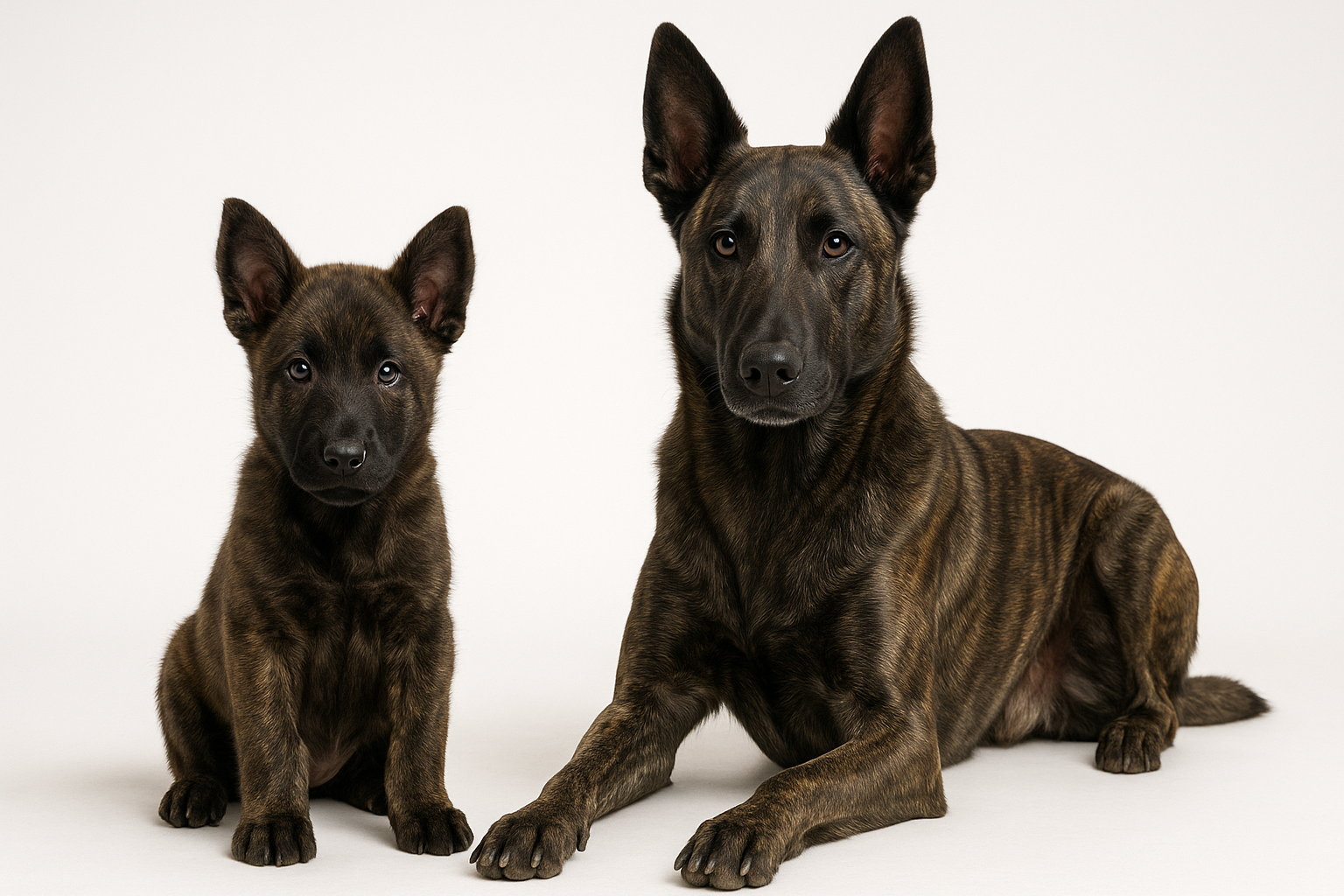
What 13 Years Actually Means
Your Dutch Shepherd has a large breed that typically lives 11 to 14 years, with most reaching around 13. Higher IGF-1 levels in larger dogs accelerate cellular aging, which partly explains the shorter lifespan compared to smaller breeds.
At 42-75 lbs, weight management directly affects joint health and overall lifespan. The Purina Lifetime Study proved that lean dogs live 1.8 years longer than overweight ones, and that margin matters even more in breeds with shorter natural lifespans.
Those numbers are a baseline. What you do with nutrition, preventive screening, and daily management can shift where your dog lands within that range.
The Health Conditions That Define This Breed
Hip Dysplasia
Hip dysplasia affects large and giant breeds at disproportionately high rates. The ball-and-socket joint forms abnormally, creating instability that leads to progressive cartilage destruction and chronic arthritis.
The OFA database shows breed-specific prevalence rates that inform screening priorities. Weight control alone can reduce clinical hip dysplasia severity by up to 50%. Avoid high-impact exercise before growth plates close (12-18 months for most breeds), and discuss OFA or PennHIP screening with your vet. Read the full hip dysplasia guide.
Arthritis
Over 80% of dogs show arthritis evidence on imaging by age 8. The condition is not a minor comfort issue. It drives a cascade of reduced activity, muscle loss, weight gain, and accelerated aging across every organ system.
The Purina Lifetime Study showed lean dogs developed arthritis four years later and with significantly less severity. Omega-3 supplementation, glucosamine/chondroitin, and maintaining lean body weight form the evidence-based prevention triad. Read the full arthritis guide.
Building a Longevity Protocol for Your Dutch Shepherd
The science is clear on what moves the needle for canine lifespan. These are not opinions. They are evidence-backed interventions that apply specifically to this large breed breed.
Nutrition That Extends Life
Feed a complete, balanced diet appropriate for large-breed dogs. Measure portions. Treats should never exceed 10% of daily caloric intake.
Omega-3 fatty acids from fish oil (EPA and DHA) reduce systemic inflammation. For a Dutch Shepherd at average weight, target approximately 2025mg combined EPA/DHA daily. This is not a luxury supplement. Chronic inflammation is the common thread running through nearly every condition that shortens canine lifespans.
For large breeds, consider glucosamine and chondroitin supplementation starting in early adulthood, before joint symptoms appear. Preventive dosing is more effective than reactive treatment.
Exercise That Protects Rather Than Destroys
Avoid repetitive high-impact activity before 14-18 months while growth plates are closing. After maturity, structured daily exercise maintains muscle mass, cardiovascular fitness, and healthy body weight. Swimming is ideal for joint-sparing cardio.
Screening Schedule That Catches Problems Early
Start wellness exams every 6 months once your Dutch Shepherd reaches age 7. Senior bloodwork panels catch kidney decline, thyroid dysfunction, and metabolic changes 12-18 months before symptoms appear. That lead time is the difference between managing a condition and being blindsided by it.
Request OFA or PennHIP hip evaluations for breeding stock. Even non-breeding dogs benefit from baseline radiographs by age 2 to identify early dysplasia before arthritis sets in.
When to Start Senior Protocols
For large-sized breeds, senior care should begin around age 7. This does not mean your dog is old. It means the window for preventive intervention is narrowing, and the returns on proactive screening increase dramatically.
At age 7, implement:
- Twice-yearly wellness exams with senior bloodwork panels
- Monthly body condition scoring (you should feel ribs easily without pressing)
- Joint mobility assessment at every vet visit
- Dental evaluation and professional cleaning schedule
- Cognitive enrichment to maintain mental sharpness
By age 9, add:
- Cardiac screening (auscultation at minimum, echocardiogram if murmur detected)
- Urinalysis to catch early kidney changes
- Blood pressure monitoring
- Adjusted exercise intensity to protect aging joints
Longevity Outlook
The Dutch Shepherd is well-positioned for a longer life compared to many breeds. With consistent preventive care and weight management, many individuals exceed the breed average.
The interventions that matter most are not expensive or complicated. Keep weight lean. Screen early. Feed well. Exercise appropriately. These basics account for more lifespan variation than genetics in most breeds.
Take the longevity quiz to get a personalized protocol for your Dutch Shepherd, including weight-specific supplement doses and a vet-ready screening checklist.
Frequently Asked Questions
How long do Dutch Shepherd dogs live?
Dutch Shepherd dogs typically live 11 to 14 years, with an average around 13 years. Genetics, diet, exercise, and preventive veterinary care all influence where an individual dog falls within that range.
What health problems are Dutch Shepherd dogs prone to?
The most significant breed-associated conditions include hip dysplasia, arthritis. Regular screening and preventive management can reduce the severity and impact of these conditions.
How can I help my Dutch Shepherd live longer?
Maintain a lean body weight (the single most impactful factor), provide appropriate exercise, feed a high-quality diet supplemented with omega-3 fatty acids, follow a preventive screening schedule, and keep dental health current. The Purina Lifetime Study showed lean dogs live 1.8 years longer than overweight dogs.
When is a Dutch Shepherd considered a senior dog?
Dutch Shepherd dogs enter their senior years around age 7. This is when twice-yearly vet visits and senior bloodwork panels become essential for catching age-related conditions before symptoms appear.
Are Dutch Shepherd dogs healthy?
The Dutch Shepherd is generally considered a healthy breed with relatively few serious genetic predispositions. All breeds benefit from evidence-based preventive care tailored to their specific risk profile.
References
- Purina Lifetime Study: demonstrated that lean dogs live 1.8 years longer than overweight counterparts
- Dog Aging Project (University of Washington): ongoing longitudinal study of 45,000+ companion dogs
- Orthopedic Foundation for Animals (OFA): breed-specific prevalence data for orthopedic and genetic conditions
This content is for informational purposes only and does not replace professional veterinary advice. Always consult your veterinarian for decisions about your dog’s health.