Cuba’s National Dog Meets the Poodle’s Precision
The Havapoo pairs two breeds with genuinely complementary qualities. The Havanese — the only breed native to Cuba — brings centuries of companion-bred resilience, a sturdy-for-its-size frame, and a cheerful adaptability that few toy breeds match. The Poodle (typically Toy or Miniature) contributes its storied intelligence, hypoallergenic coat characteristics, and one of the broadest genetic bases in the dog world. At 7 to 20 pounds with a 12-to-16-year lifespan, the Havapoo is built for a long partnership.
What makes this cross particularly interesting from a longevity perspective is the Havanese’s relatively clean health profile compared to many toy breeds. The Havanese lacks the extreme brachycephalic anatomy, the severe dental compression, and the skeletal fragility that burden other small companion breeds. Crossed with a Poodle, the result is a small dog with meaningfully favorable health odds — provided you manage the conditions that both parent lines do share.
Hybrid Vigor: A Strong Starting Position
The Havapoo benefits from genuine heterosis. The Havanese and Poodle gene pools are sufficiently distinct that first-generation crosses typically show reduced expression of recessive disease alleles and improved overall vigor.
Where hybrid vigor helps most: immune function, general vitality, and conditions unique to one parent line. Where it helps less: conditions common to both breeds — luxating patella, progressive retinal atrophy, and cataracts appear at elevated rates in both Havanese and Poodles, so crossing does not eliminate these risks. Dental disease, while less severe in the Havanese than in many toy breeds, remains a relevant concern. Heart disease — particularly mitral valve disease — affects both parent lines in their senior years.
Risk Profile: Understanding Both Parent Contributions
Luxating Patella: The Shared Orthopedic Risk
Luxating patella is the most common orthopedic condition in small and toy breeds, and both Havanese and small Poodles carry elevated prevalence. Studies report patellar luxation in 7 to 12% of dogs under 10 kg, with higher rates in certain lines.
The condition ranges from Grade I (kneecap can be manually luxated but self-reduces) to Grade IV (permanent displacement with skeletal deformity). Intermittent hind-leg skipping — the dog lifts one rear leg for a few strides, then resumes normal gait — is the hallmark early sign. Orthopedic palpation at every wellness visit allows grading and trend monitoring. Surgical correction for Grade III and IV luxation prevents the secondary cartilage erosion and ligament damage that lead to early-onset arthritis.
Progressive Retinal Atrophy: Inherited From Both Sides
PRA is a group of inherited retinal degenerations causing progressive vision loss, beginning with impaired night vision and advancing to complete blindness. Both Havanese and Poodles carry PRA-associated gene variants at meaningful frequencies, making this a priority screening condition for every Havapoo.
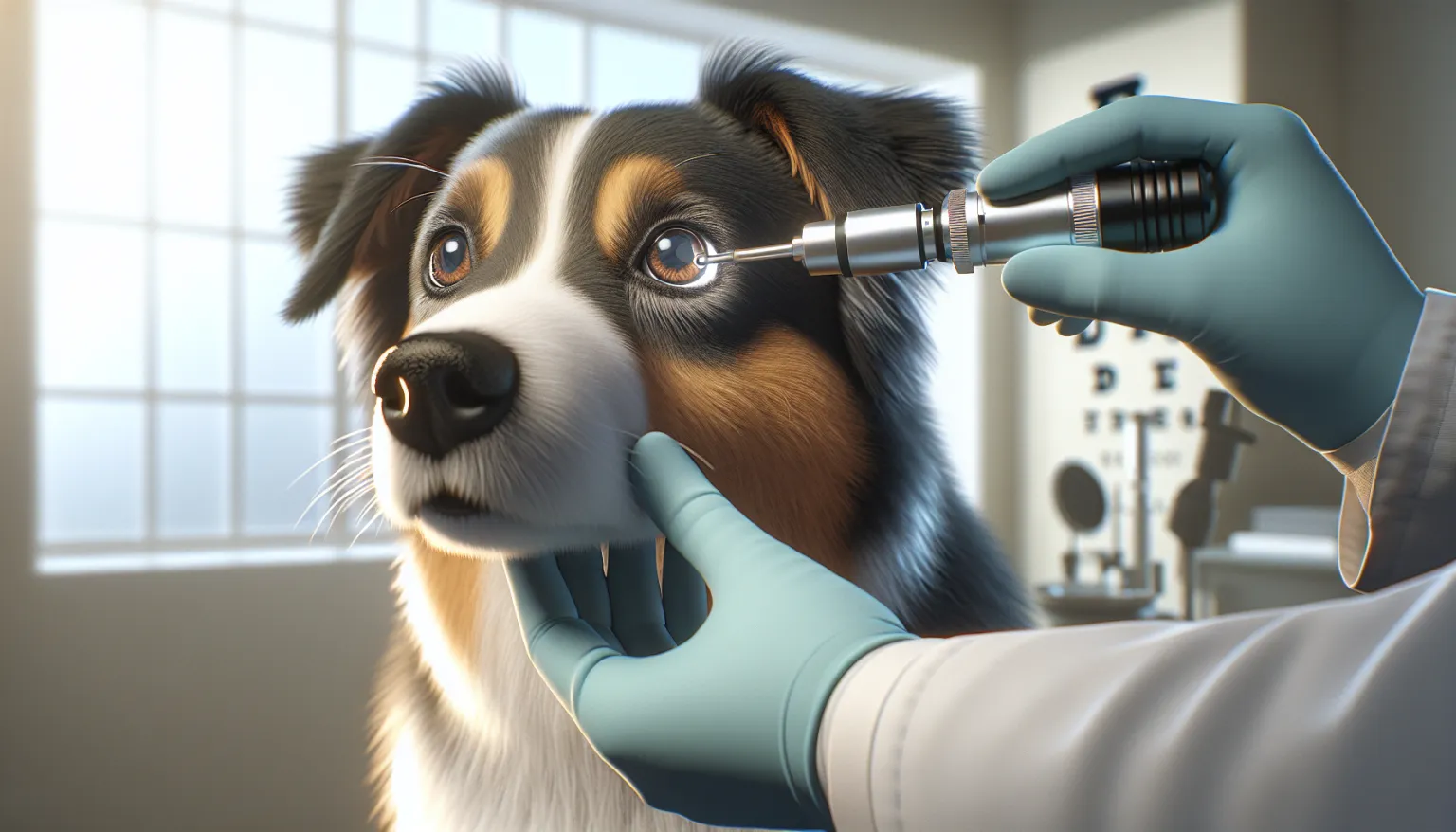
DNA testing identifies affected, carrier, and clear individuals. Annual fundoscopic exams detect retinal changes before behavioral signs appear. Early identification does not prevent PRA progression but allows environmental modifications — consistent furniture placement, lighting adjustments, scent-marking of key locations — that preserve quality of life.
Dental Disease: Less Severe, Still Relevant
The Havanese has a moderately proportioned muzzle by toy-breed standards, which typically means less dental crowding than in breeds like the Chihuahua or Pekingese. However, dental disease remains the most common chronic condition across all small breeds, and the Havapoo is not exempt.
Daily brushing, appropriate chew enrichment, and professional cleanings on a veterinarian-determined schedule control the chronic inflammatory burden that untreated periodontal disease creates. In a dog expected to live 12 to 16 years, cumulative dental neglect compounds into significant systemic stress.
Cataracts: The Lens Transparency Watch
Cataracts develop at higher rates in Poodles than in most breeds, and the Havanese also carries cataract predisposition. Lens opacity can be age-related or hereditary, with hereditary cataracts typically appearing earlier.
Annual ophthalmic screening including slit-lamp examination detects early lens changes. Surgical lens replacement maintains a success rate exceeding 90% in appropriate candidates, making early detection particularly valuable — it preserves the option for intervention while candidacy is still optimal.
Heart Disease: The Senior-Years Concern
Heart disease, particularly mitral valve disease (MVD), is the most common acquired cardiac condition in aging small-breed dogs. Both Havanese and Poodles develop MVD at rates that increase progressively after age 8 to 10.
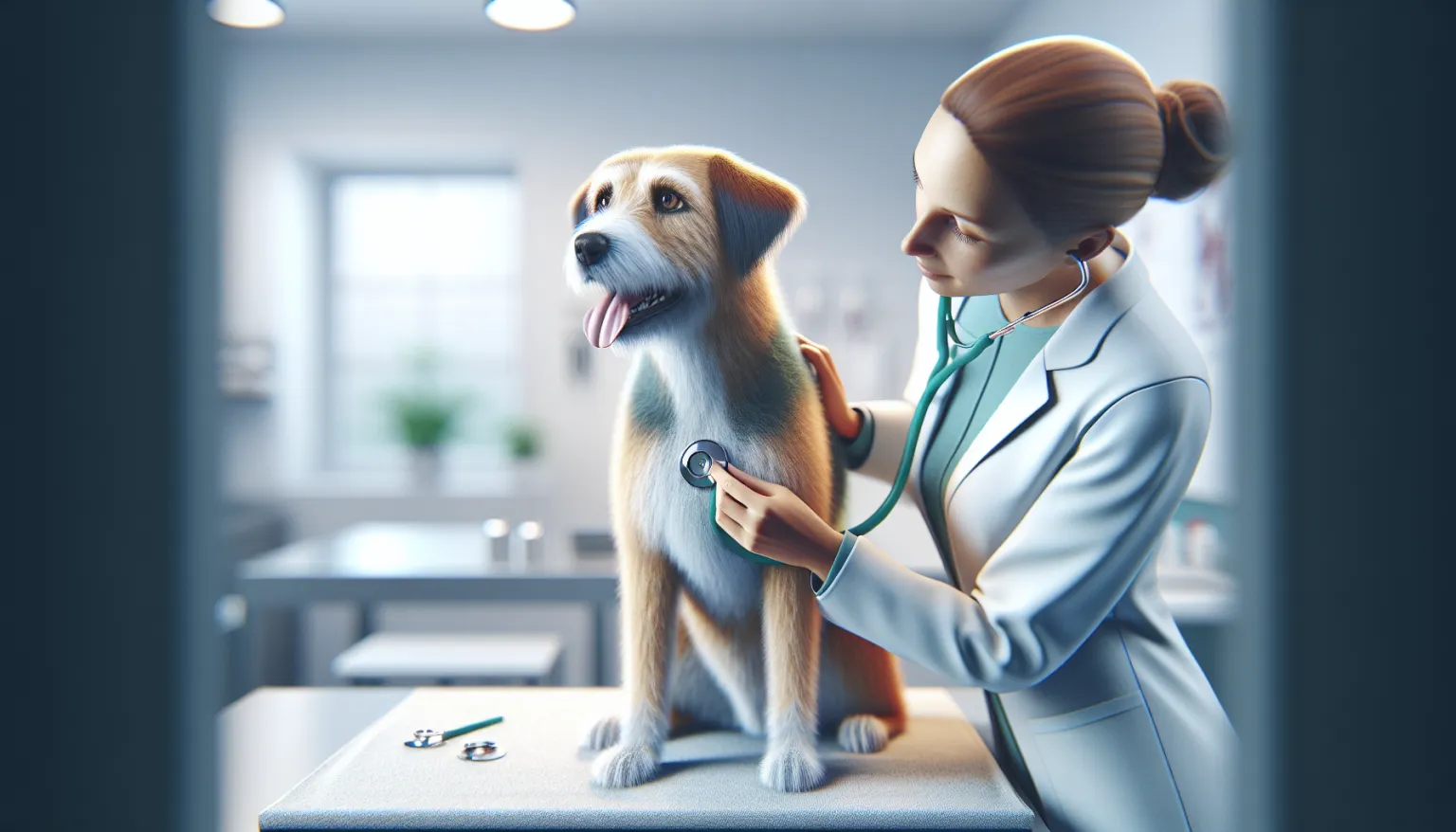
Early detection relies on auscultation (listening for new murmurs), resting respiratory rate tracking at home, and echocardiography when a murmur is identified. The ACVIM staging system guides treatment decisions: starting cardiac medication at the right stage — not too early, not too late — significantly extends survival time.
Hypothyroidism: The Metabolic Drift
Hypothyroidism is common in Poodles and can manifest in Havapoos as gradual weight gain despite stable caloric intake, coat thinning, lethargy, and cold intolerance. The onset is slow enough that owners frequently attribute early signs to normal aging.
Baseline thyroid values at age 3 to 4 — using a full thyroid panel, not just total T4 — provide a reference point for detecting clinically significant drift. Treatment with levothyroxine is straightforward, lifelong, and effective.
Five-Point Longevity Plan
- Annual ophthalmic screening — fundoscopy for PRA, slit-lamp for cataracts, starting in puppyhood.
- Patellar monitoring — orthopedic palpation at every wellness visit with grading and trend documentation.
- Daily dental care — brushing plus professional cleanings on a veterinarian-guided schedule.
- Cardiac surveillance from midlife — auscultation at every exam, resting respiratory rate tracking at home, echocardiography when a murmur is detected.
- Thyroid baseline at age 3-4 — full panel with periodic retesting.
Evidence-Based Longevity Priorities
The Eye Health Investment
With PRA and cataract risk inherited from both parent lines, ophthalmic care in the Havapoo is not screening — it is core preventive medicine. Vision preservation directly sustains the activity level, enrichment engagement, and overall quality of life that support longevity across all other systems. A Havapoo that can see clearly exercises more, navigates its environment with greater confidence, and engages more fully with its family.
Lean Body Condition as Multiplier
The Purina Lifetime Study demonstrated that lean dogs lived 1.8 years longer than their overweight counterparts. In a Havapoo with a 12-to-16-year lifespan, maintaining optimal body condition is one of the simplest and most impactful longevity interventions. It also reduces patellar stress, cardiac workload, and the metabolic burden of thyroid dysfunction.
Cardiac Awareness Without Cardiac Anxiety
Heart disease in small breeds is common but manageable when caught early. Learning to count resting respiratory rate at home — simply counting breaths per minute while your dog sleeps — provides one of the most sensitive early indicators of cardiac decompensation. A normal sleeping respiratory rate is typically below 30 breaths per minute. Consistent elevation warrants veterinary evaluation.
Metabolic Monitoring Over Time
Hypothyroidism caught early reverses cleanly. Caught late, it creates months of weight gain, coat deterioration, and reduced quality of life that take time to fully recover from. Baseline thyroid values transform a vague symptom like “seems less energetic” into a measurable clinical question.
Breed-Specific Research
- Eye Health Screening Frequency by Breed: ophthalmic screening timelines calibrated for PRA and cataract risk.
- Dental Disease in Dogs: Oral Health and Longevity: oral care protocols for small breeds.
- Cardiovascular Screening Cadence for Small Breed Dogs: cardiac monitoring timelines for breeds predisposed to mitral valve disease.
- Canine Hypothyroidism Longevity Management: thyroid monitoring and treatment protocols.
- Senior Dog Screening Protocol: What to Test and When: comprehensive age-appropriate screening guidelines.
Genetic Testing: High Value in This Cross
The Havapoo benefits substantially from genetic testing because both parent lines carry PRA variants that can be definitively identified.
- PRA gene testing determines affected, carrier, or clear status — directly informing screening intensity and prognosis.
- Cataract-associated markers can supplement ophthalmic findings with genetic context.
- Anchor initial monitoring to Progressive Retinal Atrophy and Luxating Patella. These are the conditions where early identification most directly changes management.
- Thyroid-related genetic markers, while less definitive than for PRA, can support earlier baseline testing decisions.
- Layer genetic findings over clinical observations across years. The combination of genetic risk status and clinical trend data provides far more actionable information than either source alone.
How Parent Breed Heritage Shapes Risk
The Havanese contributes its moderate proportions, companion-bred resilience, and relatively favorable health profile for a toy breed. The Poodle adds intelligence, coat characteristics, and its specific disease predispositions — PRA, cataracts, hypothyroidism, and patellar luxation.
- Prioritize surveillance on Progressive Retinal Atrophy, Luxating Patella, Heart Disease, and Cataracts.
- The Havanese’s overall sturdiness provides a favorable foundation that the Poodle cross generally reinforces rather than undermines.
- When a mild concern appears twice, move to earlier screening. Trend data matters more than any single exam.
Life-Stage Monitoring Timeline
- Puppy to 2 years: First ophthalmic exam, patellar evaluation, dental baseline, PRA genetic testing.
- 3 to 8 years: Annual wellness labs, ophthalmic screening, patellar palpation, dental exam, cardiac auscultation. Obtain thyroid baseline at age 3-4.
- 9+ years: Semiannual exams with cardiac evaluation (echocardiography if murmur detected), ophthalmic review, orthopedic assessment, metabolic panel, and cognitive function screening.
What to Track at Home Every Month
- Weight and body condition score
- Vision confidence — navigating dim environments, tracking treats, finding toys
- Gait quality — skipping, bunny-hopping, reluctance to jump
- Resting respiratory rate during sleep (count for a full minute)
- Oral comfort — chewing behavior, breath quality, gum color
- Coat quality and energy level (thyroid indicators)
- Appetite, hydration, and stool consistency
Condition-Specific Monitoring Triggers
- Luxating Patella: Watch for intermittent hind-leg skipping or brief three-legging episodes. Escalate if frequency increases or weight-bearing is compromised.
- Progressive Retinal Atrophy: Track night vision confidence and pupil response. Escalate for rapid changes in visual behavior or eye appearance.
- Dental Disease: Track breath quality, chewing changes, and gum inflammation. Escalate for oral bleeding, dropped food, or facial swelling.
- Cataracts: Watch for lens cloudiness, changes in eye color, or behavioral signs of vision impairment. Escalate for rapid progression or sudden changes.
- Heart Disease: Monitor sleeping respiratory rate, exercise tolerance, and nighttime coughing. Escalate for resting respiratory rate consistently above 30 breaths per minute or new cough.
- Hypothyroidism: Track weight trend, coat quality, energy level, and cold sensitivity. Escalate for unexplained weight gain or persistent lethargy despite stable feeding.
12-Month Longevity Execution Plan
Quarter 1: Baseline and Risk Mapping
- Document baseline ophthalmic findings, patellar grade, dental status, cardiac auscultation, and weight
- Complete PRA genetic testing and discuss implications with your vet
- Standardize feeding: measured meals, treats within 10% of daily calories, consistent protocol across all caregivers
- Begin resting respiratory rate tracking at home
Quarter 2: Adherence and Early Drift Control
- Review Q1 compliance and close gaps
- Tighten observation on any metric that moved — weight, gait, vision behavior, or respiratory rate
- Adjust calorie intake if weight trend indicates drift
- Report any new visual, cardiac, or mobility concerns promptly
Quarter 3: Midyear Reassessment
- Evaluate six months of data and recalibrate the prevention approach
- Update screening cadence based on first-half clinical findings
- Adjust exercise programming for seasonal conditions and any joint tolerance changes
- Repeat ophthalmic exam if PRA risk is elevated
Quarter 4: Senior-Readiness Update
- Build next year’s monitoring plan from twelve months of trend data
- Update urgent vet-visit triggers based on patterns observed this year
- Schedule year-end dental assessment and plan next cleaning
- If approaching age 8-9, discuss transition to semiannual screening and formal cardiac workup
- Recheck thyroid panel and compare to baseline
When to Seek Same-Day Veterinary Care
- Sudden vision loss or dramatic change in eye appearance
- Complete food refusal combined with lethargy or unusual hiding
- New persistent cough, labored breathing, or resting respiratory rate sustained above 40 breaths per minute
- Sudden inability to bear weight or visible distress during movement
- Collapse or loss of consciousness, even briefly
- Abdominal distension, unproductive retching, or signs of acute pain
Longevity Outlook: Favorable Odds, Consistent Execution
A Havapoo at 14 who still greets visitors with the easy warmth that defines this cross, still navigates the yard with visual confidence, still settles calmly after a walk — that dog reflects years of ophthalmic screening that caught early changes, cardiac monitoring that identified a murmur while treatment could change the trajectory, weight management that kept joints healthy, and dental care that prevented systemic inflammation from accumulating.
The Havapoo starts with better odds than many small-breed crosses. The Havanese’s moderate anatomy and the Poodle’s genetic diversity create a genuinely favorable foundation. But favorable odds are not guarantees. They are invitations to act wisely — to screen for what is predictable, to track what is measurable, and to intervene before trends become crises.
Diet and Feeding Strategy
Use Feeding Guide for Small Breeds as the baseline framework. For smaller Havapoos under 10 pounds, Feeding Guide for Toy Breeds may be more appropriate.
For Havapoos with cardiac concerns, Omega-3 Fish Oil for Dogs may provide anti-inflammatory and cardiac support when veterinarian-guided. For those with hypothyroidism, caloric needs may be lower than expected — recalculate with your vet after diagnosis and medication stabilization.
Frequently Asked Questions
Are Havapoos hypoallergenic? No dog is truly hypoallergenic. Havapoos often inherit the Poodle’s low-shedding coat, which reduces — but does not eliminate — allergen exposure. Coat type varies between individuals, and those favoring the Havanese parent may shed more. Regular grooming is essential regardless of coat type.
Do Havapoos have fewer health problems than their parent breeds? First-generation crosses benefit from hybrid vigor, which can reduce the incidence of some inherited conditions. However, both Havanese and Poodles share certain predispositions — patellar luxation, PRA, cataracts — that persist regardless of crossing. The Havapoo’s overall health profile is generally favorable but not risk-free.
How often should my Havapoo have eye exams? Annual ophthalmic evaluations starting in puppyhood, given the PRA and cataract risk from both parent lines. After age 7-8, more frequent screening may be warranted depending on findings. PRA genetic testing can help stratify risk.
When does heart disease typically appear in Havapoos? Mitral valve disease usually develops after age 8 to 10 in small breeds. Early detection through routine auscultation and home respiratory rate monitoring allows treatment to begin at the optimal stage.
Should I test my Havapoo’s thyroid? Yes. Obtain a full thyroid panel (not just total T4) around age 3 to 4 to establish a baseline. Retest annually or sooner if you notice unexplained weight gain, coat changes, lethargy, or cold intolerance. Early treatment with levothyroxine reverses symptoms effectively.
How much exercise does a Havapoo need? Most Havapoos do well with 30 to 60 minutes of moderate daily activity — walks, play sessions, and interactive toys. They are adaptable dogs that adjust to their family’s activity level. Avoid high-impact activities in dogs with known patellar instability.
What is the best way to protect my Havapoo’s knees? Maintain lean body condition (the single most impactful knee-protective measure), avoid excessive jumping from heights, provide ramps or stairs for furniture access, and ensure regular orthopedic evaluation to catch patellar changes early.
References
[1] AKC Havanese Breed Information [2] AKC Poodle (Toy) Breed Information [3] Life expectancy, mortality, and longevity in companion dogs (Scientific Reports, 2024) [4] Effects of Diet Restriction on Life Span and Age-Related Changes in Dogs (Kealy et al., 2002) [5] AAHA Canine Life Stage Guidelines [6] OFA CHIC Program [7] Merck Veterinary Manual [8] WSAVA Global Nutrition Guidelines
This content is for informational purposes only and does not constitute veterinary advice. Always consult a licensed veterinarian for diagnosis, treatment, and care decisions specific to your dog.
Related reads
Related Reading
Continue exploring