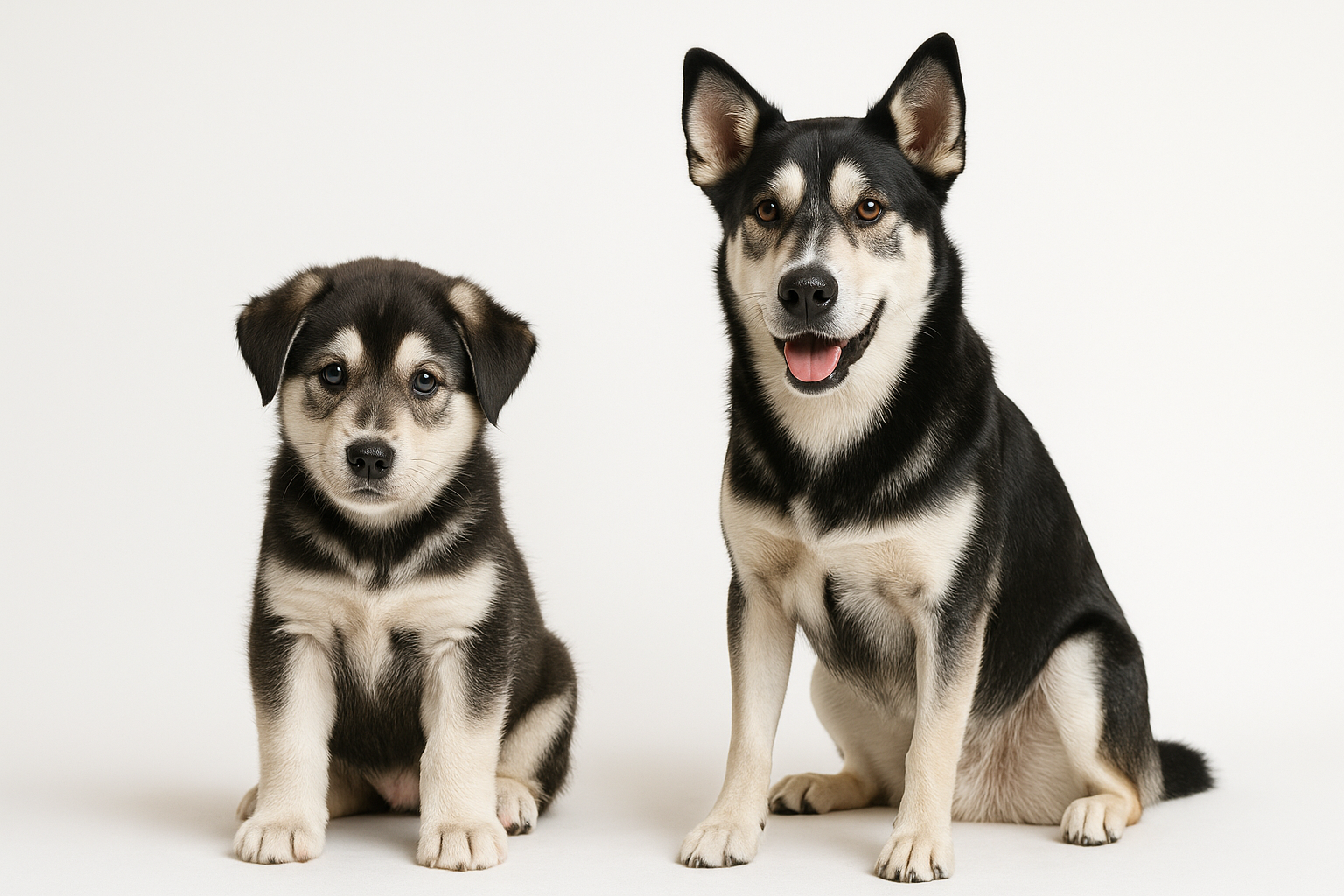
Built to Run, Bred to Eat
The Huskador combines two breeds that could hardly be more different in origin yet share a remarkable capacity for physical work: the Siberian Husky and the Labrador Retriever. Also called the Labsky or Siberian Retriever, this cross produces a dog with the Husky’s endurance and independent streak layered over the Lab’s food drive and social temperament.
The tension between those heritages defines the Huskador health profile. The Husky was developed to run 100 miles per day on minimal calories. The Lab was bred for sustained retrieval work and carries a genetic mutation that makes many individuals genuinely incapable of feeling full. Combine these: you get a dog that needs enormous amounts of exercise but is wired to consume far more calories than it burns.
Most Huskadors live 10 to 14 years. At 40 to 80 pounds, they are large-breed dogs with the attendant joint, metabolic, and cancer risks. But within that framework, the Huskador brings specific vulnerabilities, particularly in the eyes and hips, that respond powerfully to early screening and consistent management.
The Health Conditions That Shape Huskador Longevity
Eye Conditions: The Husky Legacy
The Siberian Husky carries one of the highest breed-specific burdens of eye conditions in dogs. Cataracts, progressive retinal atrophy (PRA), corneal dystrophy, and glaucoma all appear at elevated rates. These conditions are heritable, and a Huskador can inherit any of them.
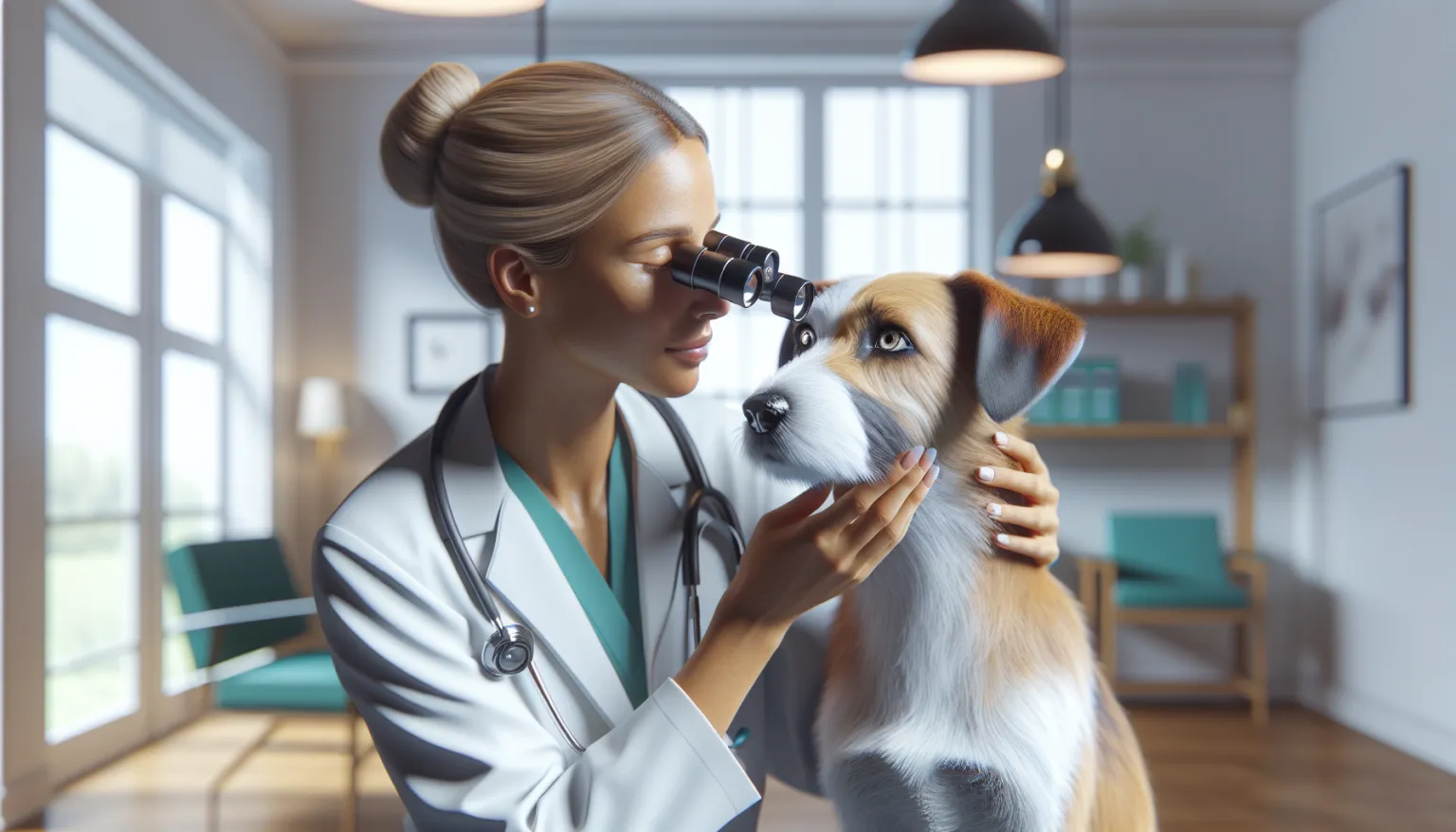
Annual ophthalmologic examinations are the screening standard for any dog with Husky heritage. Early cataract detection allows monitoring and surgical planning before vision loss becomes debilitating. PRA, which causes progressive blindness, currently has no cure, but early identification allows you to prepare the home environment and your dog’s behavioral routines before significant vision loss occurs.
Watch for signs at home: bumping into furniture in dim light, reluctance to navigate unfamiliar environments, cloudiness in the lens, or changes in pupil appearance. Any of these warrant prompt evaluation.
Hip Dysplasia: Shared Structural Risk
Both Labrador Retrievers and Siberian Huskies carry meaningful hip dysplasia risk. The Lab contributes through its high OFA evaluation rates for the condition. The Husky adds its own structural susceptibility, compounded by the running mechanics that put repetitive rotational stress on the hip joints.
Baseline orthopedic evaluation by age two (OFA or PennHIP) establishes structural knowledge. During puppyhood, lean growth rate and controlled exercise protect developing joints. In the adult Huskador, weight management is the highest-yield intervention: the Purina Lifetime Study showed lean-fed dogs developed arthritis four years later than overweight counterparts.
Obesity: The Lab Gene in a Husky Body
Obesity in Huskadors creates a particularly insidious pattern. The Husky body type was bred for efficient calorie utilization. The Lab POMC gene deletion removes satiety signaling. Together, you get a dog that may be metabolically efficient (needing fewer calories than you would expect for its size) while simultaneously driven to eat as much as possible.
Many Huskador owners overfeed because the dog’s exercise capacity makes them assume high caloric needs. But a Husky-derived metabolism may be processing those calories more efficiently than a typical large breed, and the excess gets stored as fat that hides under the thick double coat.
Monthly weigh-ins are essential. You cannot visually assess body condition through a Huskador’s coat. Hands-on rib checks are the only reliable method. You should feel individual ribs with light pressure through the coat. If you need to press firmly to find them, your dog is carrying excess weight.
Ear Infections: The Lab Contribution
The Lab parent’s floppy ears trap moisture, creating conditions favorable for ear infections. Huskadors with Lab-type ear carriage face this risk, compounded by the thick coat that can trap debris and moisture around the ear canal.
If your Huskador swims (and many will, inheriting the Lab’s water affinity), dry the ears thoroughly after every water exposure. Weekly ear inspection, noting any changes in odor, color, or discharge, catches infections early. Chronic ear infections often signal underlying allergies that need systemic investigation.
Bloat: Large Breed, Deep Chest
Bloat (gastric dilatation-volvulus) affects deep-chested large breeds, and the Huskador’s chest conformation places it in the risk category. The condition is surgical emergency.
Prevention: feed two to three smaller meals daily, avoid exercise within 60 minutes of eating, use a slow-feeder bowl if your dog eats rapidly. Know the signs: unproductive retching, sudden abdominal distension, restlessness, and pacing.
Arthritis: The Downstream Cascade
Arthritis in Huskadors typically develops as a downstream consequence of hip dysplasia, obesity, or the cumulative impact of high-intensity exercise over years. A dog bred for endurance running that also carries joint structural risk is managing a tension between what it wants to do and what its joints can sustain.
The key is exercise quality, not just quantity. Vary the terrain and type. Include low-impact conditioning (swimming is ideal). Avoid concentrated, repetitive joint loading from activities like sustained ball throwing on hard surfaces. Monitor for post-exercise stiffness and adjust intensity when recovery takes longer than expected.
The Three Moves That Matter Most
- Screen eyes annually for breed-specific ocular conditions. Early detection of cataracts, PRA, and other heritable eye conditions from the Husky parent preserves treatment options and allows environmental preparation.
- Maintain lean body condition despite the Lab appetite drive. The combination of Husky metabolic efficiency and Lab food obsession makes weight management the defining daily discipline for this cross.
- Provide daily high-intensity exercise to match the combined energy of both breeds. A Huskador that does not get adequate physical and mental outlets develops behavioral and stress-related health problems.
The Exercise Paradox
Huskadors need more exercise than most owners expect. The Husky parent was developed for sustained endurance work, and the Lab parent brings its own athletic capacity. A Huskador without adequate exercise is a Huskador developing destructive behaviors, anxiety, and the chronic stress that undermines immune function and recovery.
Plan for 60 to 90 minutes of structured daily activity, minimum. Ideal activities include running (on soft surfaces), swimming, hiking, and structured play. Mental stimulation through puzzle feeders, nose work, and training supplements the physical component.
The paradox: this dog needs enormous exercise but also carries joint risk. The solution is exercise variety. Alternate high-impact and low-impact activities. Include swimming frequently. Monitor post-exercise recovery and dial back intensity if stiffness persists beyond 24 hours.
Winter is actually when many Huskadors thrive, as the Husky heritage gives them cold tolerance and snow enthusiasm. Summer requires careful heat management. The double coat provides insulation but can cause overheating during intense exercise in warm weather.
The Coat and What It Hides
The Huskador typically inherits a dense double coat that sheds prodigiously. Beyond the housekeeping implications, this coat has health monitoring consequences: it hides body condition changes, skin issues, and lumps from visual detection.
Monthly hands-on body assessments are mandatory. Run your hands over the entire body, feeling for new lumps, changes in rib coverage, and skin irritation. Do not rely on visual assessment through the coat. Huskadors can gain or lose significant weight invisibly.
Rescue and Adoption Context
Huskadors appear in shelters when owners underestimate the exercise requirements of this cross. A Husky’s energy in a Lab’s social body is more than many households are prepared for. If you adopted a Huskador from a shelter, the previous surrender may have been driven by behavior problems rooted in insufficient exercise rather than any temperament flaw.
Invest in a comprehensive initial veterinary workup: baseline blood panel, orthopedic evaluation, eye exam, heartworm test, and body condition assessment. For a Huskador, adding an ophthalmologic exam to the initial workup is particularly important given the Husky eye disease burden.
Building a Condition-Focused Prevention Stack
Start with eye screening and weight management, then add joint surveillance and bloat prevention as daily habits. Ear care runs as a parallel track, especially for water-loving Huskadors. This sequencing addresses the most breed-specific risks first while establishing the foundational habits that protect against common large-breed conditions.
Breed-Specific Research
- Genetic Testing for Mixed Breed Dogs: what DNA panels reveal about eye disease and joint risk in Husky crosses.
- Eye Health Screening Frequency by Breed: tailored screening protocols for breeds with heritable ocular conditions.
- Weight Management Protocol for Dogs: evidence-based approach to lean body condition in food-motivated breeds.
- Mixed Breed Longevity Data: What Large Studies Reveal: population data on hybrid vigor in large-breed crosses.
- Exercise Protocols by Breed Size: balancing high-energy needs with joint protection.
Age-Based Monitoring Milestones
- Puppy to 2 years: Protect joints during growth. Lean body condition from day one. Baseline orthopedic and ophthalmologic evaluation. Begin heartworm and tick prevention.
- 3 to 6 years: Annual eye exams and wellness labs. Establish weight and mobility baselines. Monitor ears for infection patterns. Bloat prevention habits locked in.
- 7+ years: Increase screening frequency. Add senior blood panel and abdominal imaging. Monitor for arthritis progression, cognitive changes, and vision decline.
Longevity Outlook
The Huskador benefits from combining two breeds with different genetic backgrounds, introducing diversity that reduces some breed-specific disease concentration. Eye conditions, however, remain a significant concern because Husky ocular diseases have strong heritability. Joint disease risk persists because both parents share it.
The 10 to 14 year range is realistic. Dogs that reach the upper end are typically those maintained at lean body condition, given adequate exercise throughout life, and screened regularly for eye and joint conditions. The owner who feeds with discipline, exercises with variety, and screens with consistency is making the highest-return investments available.
The Drift Pattern Most Owners Miss
- Subtle vision changes attributed to aging: bumping into objects in dim light, hesitation in new environments, indicating Eye Conditions progression from the Husky side
- Weight gain hidden by the double coat that owners notice only after it is significant, masking Obesity that has been accelerating joint disease for months
- Recurring ear flares treated as isolated incidents rather than a pattern requiring systemic allergy investigation for Ear Infections
If baseline function has been drifting for 7 to 10 days, investigate rather than observe.
12-Month Longevity Execution Plan
Quarter 1: Baseline and Risk Mapping
- Establish baselines: body weight (hands-on rib assessment through coat), body condition score, gait video, and resting heart rate
- Schedule ophthalmologic exam and orthopedic evaluation
- Lock down feeding protocol: measured meals, resist the Lab food drive
- Implement bloat prevention habits: split meals, post-meal rest
Quarter 2: Adherence and Early Drift Control
- Review feeding compliance and weight trend
- Update gait footage and compare against Q1
- Monitor ears and address any infection patterns
- Adjust exercise programming as needed
Quarter 3: Midyear Reassessment
- Compare six months of data against baselines
- Reassess body condition through hands-on evaluation
- Recalibrate exercise for seasonal changes (heat management in summer, increased activity in cooler months)
- Schedule dental cleaning if due
Quarter 4: Senior-Readiness Update
- Translate the year’s data into next year’s screening plan
- Schedule annual eye exam
- For dogs 7+, add senior blood panel and abdominal imaging
- Review joint and mobility status comprehensively
When to Seek Emergency Care
Do not wait on any of the following:
- Unproductive retching, sudden abdominal distension, or restlessness (bloat emergency)
- Sudden vision loss, eye swelling, or acute ocular pain
- Sudden refusal to eat with concurrent lethargy
- Labored breathing or collapse
- Rapid decline in mobility, comfort, or behavior
Home Tracking Dashboard
Check monthly:
- Body weight with hands-on rib assessment through coat
- Eye clarity, pupil response, and navigation confidence in dim light
- Gait quality and joint mobility
- Ear condition: odor, discharge, head shaking
- Morning stiffness and post-exercise recovery time
- Activity willingness and engagement quality
- Condition-specific drift markers tied to eye conditions, obesity, hip dysplasia
Diet and Feeding Strategy
Huskadors require careful caloric calibration. The Husky metabolism may be more efficient than a typical large breed, while the Lab appetite drive pushes for overconsumption. Use Feeding Guide for Large Breeds as a starting point, but adjust based on actual body condition rather than package recommendations.
If weight is trending upward, switch to Weight Loss Feeding Protocol. For joint support, Glucosamine and Chondroitin for Dogs and Omega-3 Fish Oil for Dogs provide supplementation frameworks. See Feeding Mixed Breed Dogs: Size-Based Nutrition Guide for cross-specific considerations.
Condition-Specific Monitoring Triggers
- Eye Conditions: Any cloudiness, bumping into objects in dim light, behavioral changes suggesting vision decline, or visible eye changes warrant prompt ophthalmologic evaluation.
- Hip Dysplasia: Gait asymmetry, difficulty rising, bunny-hopping, or reluctance to exercise. Escalate if changes persist beyond a few days.
- Obesity: Monthly hands-on rib check through the coat. If ribs require firm pressure to feel, weight reduction is needed.
- Ear Infections: Clean and dry ears after water exposure. Note changes in odor, discharge, or head-shaking frequency. Early treatment prevents chronic infection.
- Bloat: Unproductive retching, sudden abdominal distension, restlessness. Always an immediate emergency.
- Arthritis: Post-exercise stiffness lasting more than 24 hours, decreasing exercise tolerance, or reluctance to jump or climb stairs.
Additional Relevant Condition Guides
Frequently Asked Questions
How long do Huskadors live? Most live 10 to 14 years. Dogs maintained at lean body condition with regular eye and joint screening tend to reach the upper end of this range. The wide window reflects genetic variability in which parent breed’s traits dominate.
Why does my Huskador eat so much? If your Huskador inherited the Lab’s POMC gene deletion, it may genuinely lack the neurological ability to feel full. This is not greed or poor training. It is a biological condition that requires managed feeding. Measured meals, no free-feeding, and treats counted toward the daily calorie budget are essential.
How much exercise does a Huskador need? 60 to 90 minutes daily, minimum. This cross combines the Husky’s endurance drive with the Lab’s athletic capacity. Include variety: running on soft surfaces, swimming, hiking, and mental enrichment. Insufficient exercise causes behavioral problems that compound into physical health issues through chronic stress.
Should I get my Huskador’s eyes screened? Yes. The Husky parent carries one of the highest breed-specific burdens of heritable eye conditions. Annual ophthalmologic exams are the screening standard for any dog with Husky heritage. Early detection of cataracts or progressive retinal atrophy changes management options significantly.
Can I assess my Huskador’s weight by looking at it? No. The dense double coat hides body condition changes. Hands-on assessment is the only reliable method. Run your hands over the rib cage monthly: you should feel individual ribs with light pressure. If you need to press firmly to find them, your dog is overweight.
My Huskador loves to swim. Is that good for its joints? Swimming is one of the best exercises for joint-vulnerable large breeds. It provides cardiovascular conditioning and muscle building with zero joint impact. The Lab heritage makes most Huskadors natural swimmers. Just remember to dry the ears thoroughly after every swim to prevent ear infections.
References
[1] Effects of Diet Restriction on Life Span and Age-Related Changes in Dogs (Kealy et al., 2002) [2] Dog Aging Project [3] Orthopedic Foundation for Animals (OFA) [4] AAHA Canine Life Stage Guidelines [5] Merck Veterinary Manual [6] WSAVA Global Nutrition Guidelines [7] Life expectancy, mortality, and longevity in companion dogs (Scientific Reports, 2024)
Related reads
Related Reading
Continue exploring