A Gentle Giant With a Ticking Clock
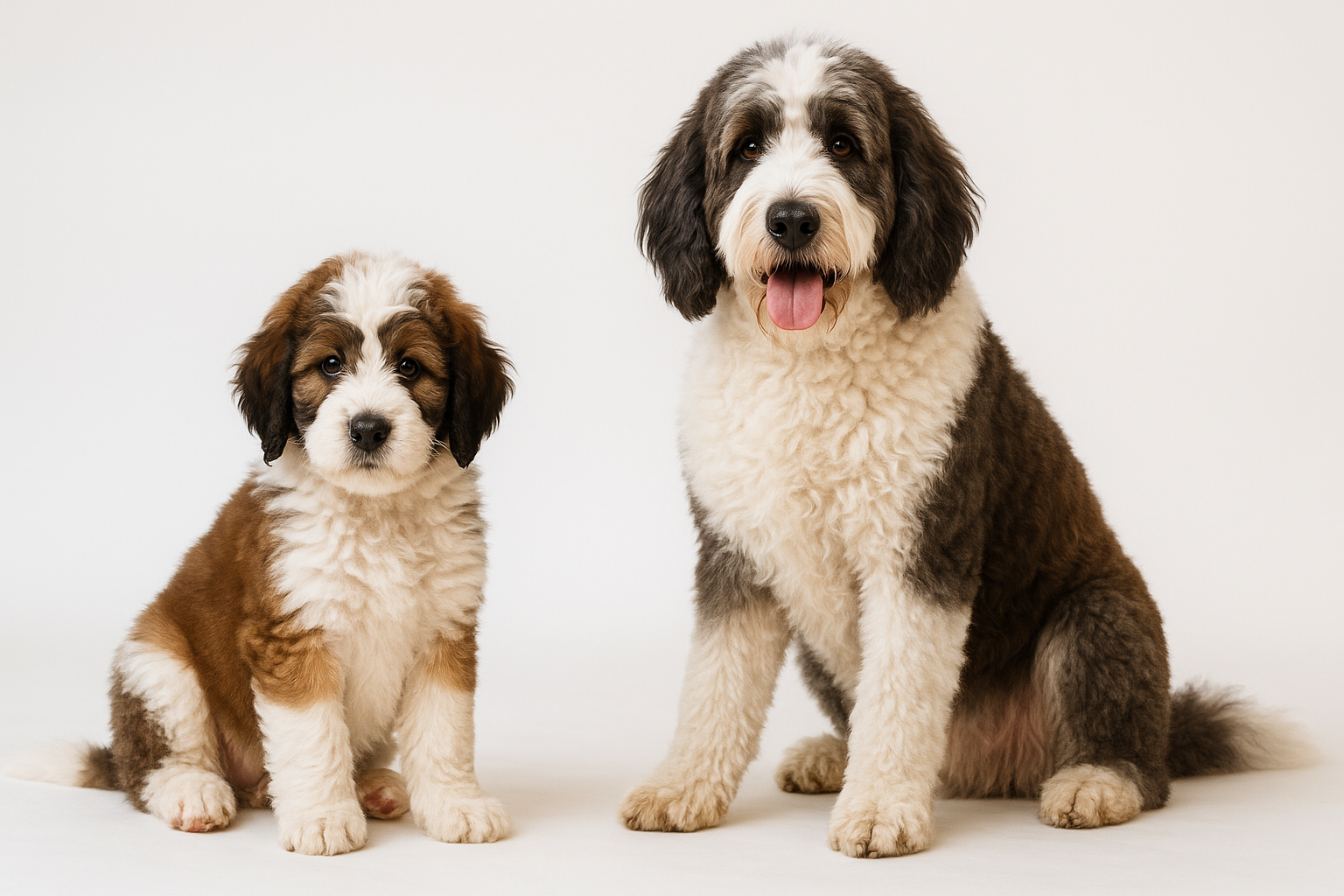
There is a cruel arithmetic to canine longevity: the bigger the dog, the shorter the life. The Saint Berdoodle, a cross between the Saint Bernard and the Standard Poodle, typically weighs 70-150 lbs and carries the metabolic cost that comes with that mass. While the Poodle side contributes intelligence, athleticism, and slightly better longevity genetics than the Saint Bernard alone would offer, it cannot fully counteract the biological toll of giant-breed body size.
Understanding that reality is not pessimism. It is the starting point for a management plan that maximizes the years available. Every month gained through proactive health management is proportionally more valuable in a breed with a shorter baseline lifespan.
What Giant-Breed Size Means for Longevity
The 2024 companion dog longevity study in Scientific Reports confirmed what veterinary science has documented for decades: body size is the single strongest predictor of canine lifespan. Giant breeds age faster at the cellular level, reach physiological maturity later, and develop age-related diseases earlier than smaller dogs.
The Saint Bernard parent typically lives 8-10 years. The Standard Poodle parent averages 12-15 years. The Saint Berdoodle’s 8-12 year range reflects the genetic tug-of-war between these two trajectories. Dogs on the smaller end of the weight range (70-100 lbs) may trend toward the higher end of that lifespan, while those closer to 150 lbs face the compressed longevity curve characteristic of true giant breeds.
First-generation Saint Berdoodle crosses may benefit from heterosis for certain recessive conditions. But the conditions that most threaten giant-breed longevity, including hip dysplasia, bloat, and osteosarcoma, are polygenic or multifactorial. Hybrid vigor offers limited protection against these.
The Conditions That Demand Your Attention
Hip Dysplasia and Progressive Joint Disease
Both parent breeds carry significant hip dysplasia prevalence. The Saint Bernard ranks among the top 10 breeds for OFA hip dysplasia rates, and Standard Poodles carry their own documented burden. In a dog that may reach 100+ lbs, poor hip conformation creates a cascade: abnormal joint mechanics lead to cartilage degradation, which progresses to arthritis that can cripple mobility by midlife.
The Purina Lifetime Study demonstrated that lean dogs developed arthritis an average of 1.8 years later than their overweight counterparts. In a breed with a 10-year average lifespan, that delay represents nearly 20% more arthritis-free living. Combined with controlled growth during the first 24 months, lean body condition is the highest-return orthopedic investment you can make.
Have your Saint Berdoodle’s hips evaluated by OFA or PennHIP before age 2. This establishes a baseline that guides exercise selection and weight management decisions for the remainder of the dog’s life. See Joint Screening Protocol by Breed for a structured approach.
Bloat: The Emergency That Kills in Hours
Gastric dilatation-volvulus (GDV), commonly called bloat, is a life-threatening emergency in which the stomach fills with gas and rotates on its axis, cutting off blood supply to the stomach and spleen. Without surgical intervention, GDV is fatal within hours.
Deep-chested, large-bodied breeds are at highest risk, and both the Saint Bernard and the Standard Poodle appear on GDV risk lists. The Saint Berdoodle inherits the body type that makes this condition possible.
Bloat prevention strategies include:
- Feeding two or three smaller meals rather than one large meal daily
- Using a slow-feeder bowl or puzzle feeder to reduce eating speed
- Avoiding vigorous exercise for at least 60 minutes before and after meals
- Keeping fresh water available at all times (restricting water does not prevent GDV)
- Discussing prophylactic gastropexy with your veterinarian, ideally performed during spay/neuter surgery
Learn the signs of bloat cold. Unproductive retching, abdominal distension, restlessness, excessive drooling, and a rigid abdomen are GDV until proven otherwise. Drive to an emergency veterinary hospital immediately. Do not wait to see if it resolves.
Heart Disease
Both parent breeds contribute heart disease risk, though through different mechanisms. Saint Bernards carry elevated rates of dilated cardiomyopathy (DCM), where the heart muscle weakens and loses its ability to pump effectively. Standard Poodles carry risk for both DCM and mitral valve disease in aging dogs.
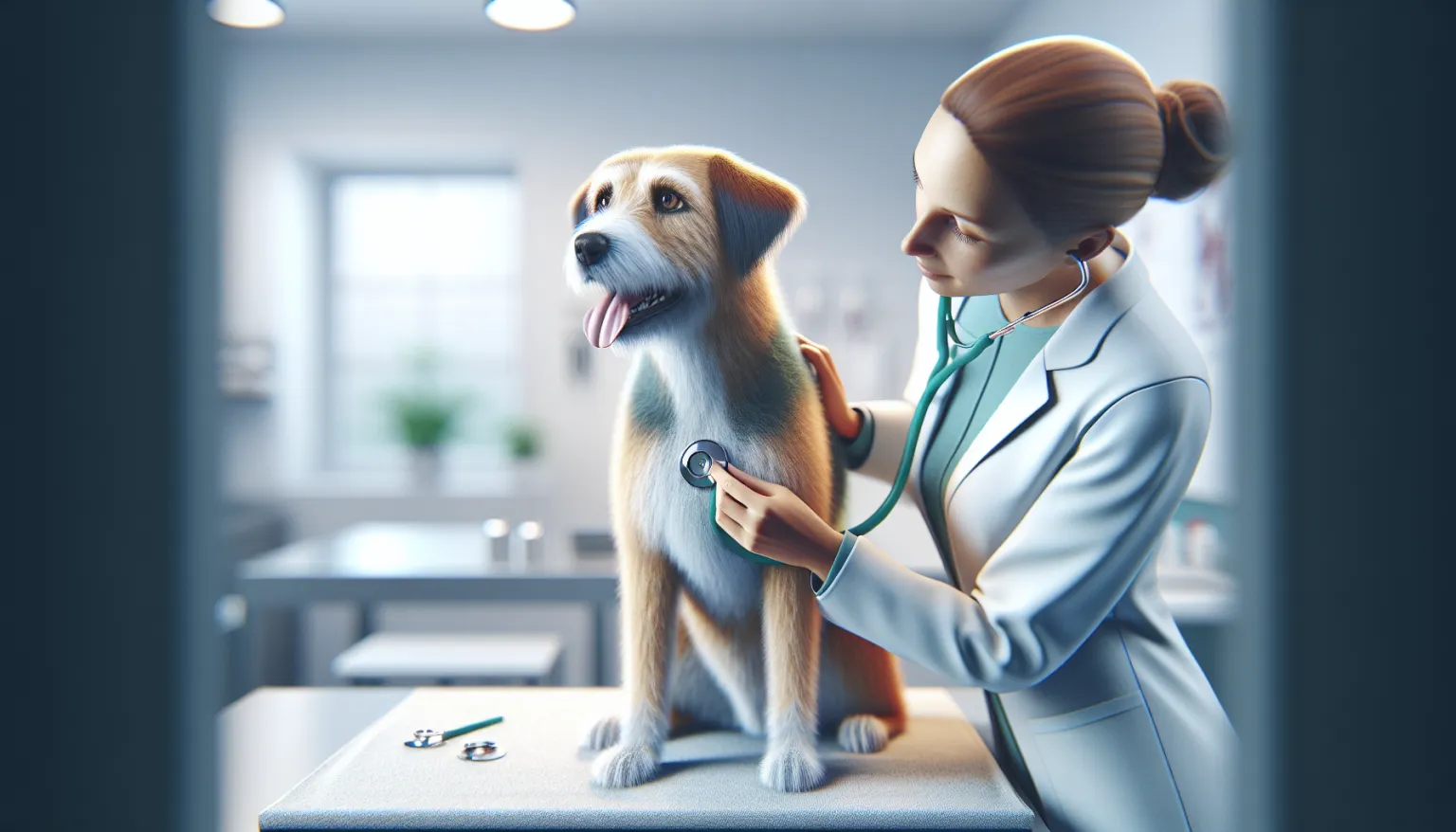
Cardiac screening should include auscultation at every routine exam. Any new murmur warrants echocardiographic evaluation. For dogs with known cardiac abnormalities, monitoring resting respiratory rate at home (count breaths over 15 seconds while the dog sleeps; multiply by 4; consistently above 30 is concerning) provides early warning of developing heart failure.
See Heart Disease Nutrition for Dogs for dietary strategies that support cardiovascular health.
Osteosarcoma
Osteosarcoma, the most common primary bone cancer in dogs, disproportionately affects large and giant breeds. The Saint Bernard carries documented predisposition, and osteosarcoma risk correlates strongly with body size and rapid growth. Most cases present as sudden lameness in a long bone (front legs more often than hind), with or without visible swelling.
There is no reliable way to prevent osteosarcoma, but early detection affects treatment options and quality of life. Any sudden-onset lameness in a Saint Berdoodle over age 5, particularly if it does not respond to rest and anti-inflammatories within a few days, warrants radiographs to rule out bone pathology.
Obesity: The Amplifier
Obesity does not just add one more problem to the Saint Berdoodle’s risk profile. It amplifies every other condition on this list. Excess weight accelerates joint degeneration, increases cardiac workload, raises GDV risk, and creates chronic inflammatory signaling that promotes cancer progression. In a giant breed with a compressed lifespan, obesity is the fastest way to lose years you cannot get back.
Monthly body condition scoring is non-negotiable. Target a BCS of 4-5 on the 9-point scale. You should be able to feel ribs without pressing hard, see a defined waist when viewed from above, and observe an abdominal tuck from the side. If you cannot, your Saint Berdoodle is overweight, and feeding adjustments should begin immediately.
Nutrition for the Giant-Breed Body
Giant-breed nutrition requires a different approach than standard large-breed feeding. During puppyhood, the primary goal is controlled growth. Rapid weight gain during the first 18-24 months overloads developing joints and increases lifelong orthopedic risk. Use a giant-breed puppy formula that limits calcium and caloric density, and resist the temptation to make a Saint Berdoodle puppy “fill out” faster.
For adults, use Feeding Guide for Giant Breeds as your framework. Divide daily food into two or three meals to reduce bloat risk. Omega-3 supplementation at approximately 75 mg EPA+DHA per kg of body weight supports joint, cardiac, and skin health simultaneously.
Glucosamine and chondroitin supplementation may provide modest joint support, though evidence in dogs is less robust than in humans. Discuss a joint supplement stack with your veterinarian, particularly if hip dysplasia has been identified.
Exercise That Protects Rather Than Destroys
The Saint Berdoodle needs daily activity but cannot tolerate the repetitive high-impact exercise that breeds with lighter frames absorb. Swimming is the ideal form of cardiovascular exercise: it builds muscle and endurance with zero joint impact. Walking on varied terrain builds proprioception and stabilizer muscle strength without the pounding of sustained running.
During the first 24 months, strictly limit jumping, stair climbing, and running on hard surfaces. Developing joints need protection, and overenthusiasm during puppyhood creates damage that compounds over a lifetime. After skeletal maturity, moderate daily exercise (30-60 minutes of walking and swimming) supports cardiovascular health and weight management without overtaxing joints.
Avoid exercising within an hour of meals. This is both a joint protection measure and a bloat prevention strategy.
Preventive Screening Timeline
- Puppy to 24 months: Growth-rate monitoring with monthly weigh-ins. Giant-breed puppy nutrition protocol. Discuss prophylactic gastropexy timing. Initial hip/elbow evaluation. Cardiac auscultation at each puppy visit.
- 2 to 5 years: Annual wellness exam with hip reassessment, cardiac auscultation, and body condition scoring. Establish weight and gait baselines with video documentation.
- 5 to 8 years: Add senior bloodwork. Begin monitoring for any lameness suggestive of bone pathology. Echocardiography if any murmur detected. Increase frequency of at-home mobility checks.
- 8+ years: Twice-yearly exams. Comprehensive senior panel. Mobility and pain assessment at each visit. Cardiac imaging. Cognitive function screening.
Breed-Specific Research
These resources provide deeper context for Saint Berdoodle health management:
- Joint Screening Protocol by Breed: structured approach to orthopedic evaluation in high-risk breeds.
- Cancer Prevention and Screening Stack for Dogs: evidence-based cancer surveillance protocols.
- Senior Dog Screening Protocol: structured screening for dogs entering the senior phase earlier than average.
Condition-Specific Monitoring Triggers
These signals should prompt veterinary evaluation rather than continued observation:
- Hip Dysplasia: Bunny-hopping gait, reluctance to climb stairs, stiffness after rest, audible clicking during movement, or difficulty rising.
- Bloat: Unproductive retching, abdominal distension, restlessness, excessive drooling, rigid abdomen. This is an emergency. Go to the ER immediately.
- Heart Disease: Coughing after exertion, exercise intolerance, restlessness at night, resting respiratory rate consistently above 30 breaths per minute, fainting.
- Arthritis: Gradual decline in walk enthusiasm, slower to rise, avoiding previously enjoyed activities, changes in sleep position.
- Osteosarcoma: Sudden lameness in a limb (especially a front leg), localized swelling on a long bone, lameness that does not improve with rest.
- Obesity: Ribs no longer easily palpable, loss of waist definition, weight trending upward on monthly checks.
12-Month Longevity Execution Plan
Quarter 1: Baseline and Risk Mapping
- Document starting weight, body condition score, and gait quality with video
- Complete hip and elbow radiographic evaluation if not already done
- Establish feeding protocol: measured meals (2-3 per day), treat budget, slow-feeder bowl
- Confirm gastropexy status; discuss scheduling if not yet performed
- Complete baseline bloodwork and cardiac auscultation
Quarter 2: Adherence and Course Correction
- Compare current weight and gait video against Q1 baselines
- Audit feeding compliance: is the treat budget being honored? Are meals appropriately portioned?
- Report any changes in lameness, appetite, or energy to your veterinarian promptly
- Ensure exercise protocol is joint-appropriate and bloat-aware
Quarter 3: Midyear Reassessment
- Review six months of weight and mobility data: are prevention measures producing results?
- Cardiac auscultation if murmur was previously detected
- Adjust exercise intensity for seasonal conditions and your dog’s evolving capacity
- Run any lameness through radiographic evaluation to rule out bone pathology if the dog is 5+
Quarter 4: Annual Review and Forward Planning
- Comprehensive wellness exam with full bloodwork
- Cardiac imaging if indicated by auscultation findings
- Complete year-end mobility assessment: joint range of motion, gait symmetry, exercise tolerance
- Use full-year trend data to build next year’s screening schedule and adjust protocols
When to Seek Emergency Care
Do not wait on any of the following:
- Unproductive retching with abdominal distension (bloat/GDV, minutes matter)
- Collapse during or after exercise
- Sudden severe lameness with no history of trauma
- Pale or blue-tinged gums with rapid breathing
- Sudden onset of severe weakness or inability to stand
- Respiratory distress or sustained resting respiratory rate above 40 breaths per minute
- Complete food refusal lasting more than 24 hours with concurrent lethargy
Home Tracking Dashboard
Monitor these markers monthly to catch drift before it becomes crisis:
- Weight and body condition score with rib palpation
- Gait quality on all four limbs, especially after rest (video monthly for comparison)
- Resting respiratory rate (count breaths during sleep; consistently above 30 is concerning)
- Appetite consistency, water intake, stool quality
- Energy level, exercise tolerance, and recovery time
- Any new lumps, masses, or areas of swelling on long bones
- Sleep quality and behavioral consistency
Frequently Asked Questions
How long do Saint Berdoodles typically live? Saint Berdoodles average 8-12 years. Dogs at the lighter end of the weight range (70-100 lbs) may trend toward the higher end, while those over 120 lbs face the compressed longevity curve common in giant breeds. Proactive health management can meaningfully influence where within that range your dog falls.
Is the Saint Berdoodle healthier than a purebred Saint Bernard? The Poodle cross may reduce risk for certain recessive conditions and contribute slightly more favorable longevity genetics. However, the Saint Berdoodle remains a giant-breed dog susceptible to the same size-driven health risks: hip dysplasia, bloat, osteosarcoma, and accelerated aging. “Healthier” depends on the specific parents’ health testing, not the cross itself.
What is the single most important thing I can do for my Saint Berdoodle’s longevity? Maintain lean body condition from puppyhood through the entire life. In a giant breed prone to joint disease, cardiac disease, and cancer, excess weight accelerates every major health risk simultaneously. This is the one intervention with the broadest protective effect.
Should I get a prophylactic gastropexy for my Saint Berdoodle? Yes, discuss this with your veterinarian. Prophylactic gastropexy, which surgically tacks the stomach to the body wall to prevent rotation, can be performed during spay/neuter surgery. It does not prevent bloat (stomach gas accumulation) but prevents the life-threatening volvulus (stomach torsion) that makes GDV lethal.
How much should a Saint Berdoodle puppy grow per month? Controlled growth is critical. Aim for steady, moderate weight gain rather than rapid growth spurts. Your veterinarian should plot your puppy’s growth curve against giant-breed standards. Overfeeding during the first 24 months to “bulk up” the dog increases orthopedic disease risk significantly.
When should I start screening for cancer? Begin monthly at-home checks for unusual lumps or areas of swelling from puppyhood, as a habit. For clinical screening, discuss adding abdominal ultrasound and limb palpation to annual exams starting at age 5. Any sudden lameness that does not resolve within a few days warrants radiographs.
References
[1] Life expectancy, mortality, and longevity in companion dogs (Scientific Reports, 2024) [2] Effects of Diet Restriction on Life Span and Age-Related Changes in Dogs (Kealy et al., 2002) [3] Prevalence of inherited disorders among mixed-breed and purebred dogs (Bellumori et al., JAVMA, 2013) [4] Gastric Dilatation-Volvulus in Dogs (ACVS) [5] Orthopedic Foundation for Animals (OFA) [6] Merck Veterinary Manual [7] AAHA Canine Life Stage Guidelines
This content is for informational purposes only and does not constitute veterinary advice. Always consult a licensed veterinarian for decisions about your dog’s health, diagnosis, and treatment.
Related Reading
Continue exploring