Evidence deep dives for Cruciate Ligament Disease
Pair mechanism-level evidence with practical protocol context before discussing next steps with your veterinarian.
The Limp That Gets Worse, Not Better
Your dog was running fine last week. Now they are limping, favoring one back leg, and slow to rise in the morning. Cranial cruciate ligament (CCL) disease is one of the most common reasons this happens.
Unlike the sudden sports injuries people associate with knee ligament tears, CCL disease in dogs usually follows a slow, degenerative process. Fibers weaken over weeks or months before a partial tear becomes a full rupture.
By the time you notice a limp, the damage has often been building quietly.
Once the ligament fails, the knee loses its primary stabilizer. That instability brings pain, inflammation, and a fast track to osteoarthritis.
Beyond Treatment: The Longevity Dimension
A torn cruciate does not just sideline one leg. It reshapes how your dog moves, how much muscle they keep, and how quickly their joints age.
Without effective treatment, the downstream effects stack up:
- Chronic pain that limits daily activity
- Weight gain from reduced movement
- Accelerating osteoarthritis in the injured knee
- Compensatory overload on the opposite hind limb, which often tears next
Early intervention buys functional years. Delayed care narrows every option that follows.
Typical Signs
Watch for a pattern, not just a single episode:
- Intermittent hind-limb lameness that gradually becomes persistent
- Difficulty rising from rest or jumping onto furniture
- Toe-touching or partial weight-bearing on one rear leg
- Stiffness that worsens after naps or quiet periods
- Declining interest in walks, play, or stairs
Over time, many dogs develop problems in both knees. Bilateral progression is common enough that protecting the second knee should be part of every treatment plan.
Risk Factors
- Excess body weight — the single most modifiable risk
- Breed predisposition (Labradors, Rottweilers, Boxers, Newfoundlands, Golden Retrievers)
- Prior CCL injury in the opposite knee
- Low muscle mass and poor physical conditioning
The risk is both mechanical and biological. Prevention centers on keeping your dog lean and conditioned rather than waiting for a tear to happen.
Diagnostic Workflow
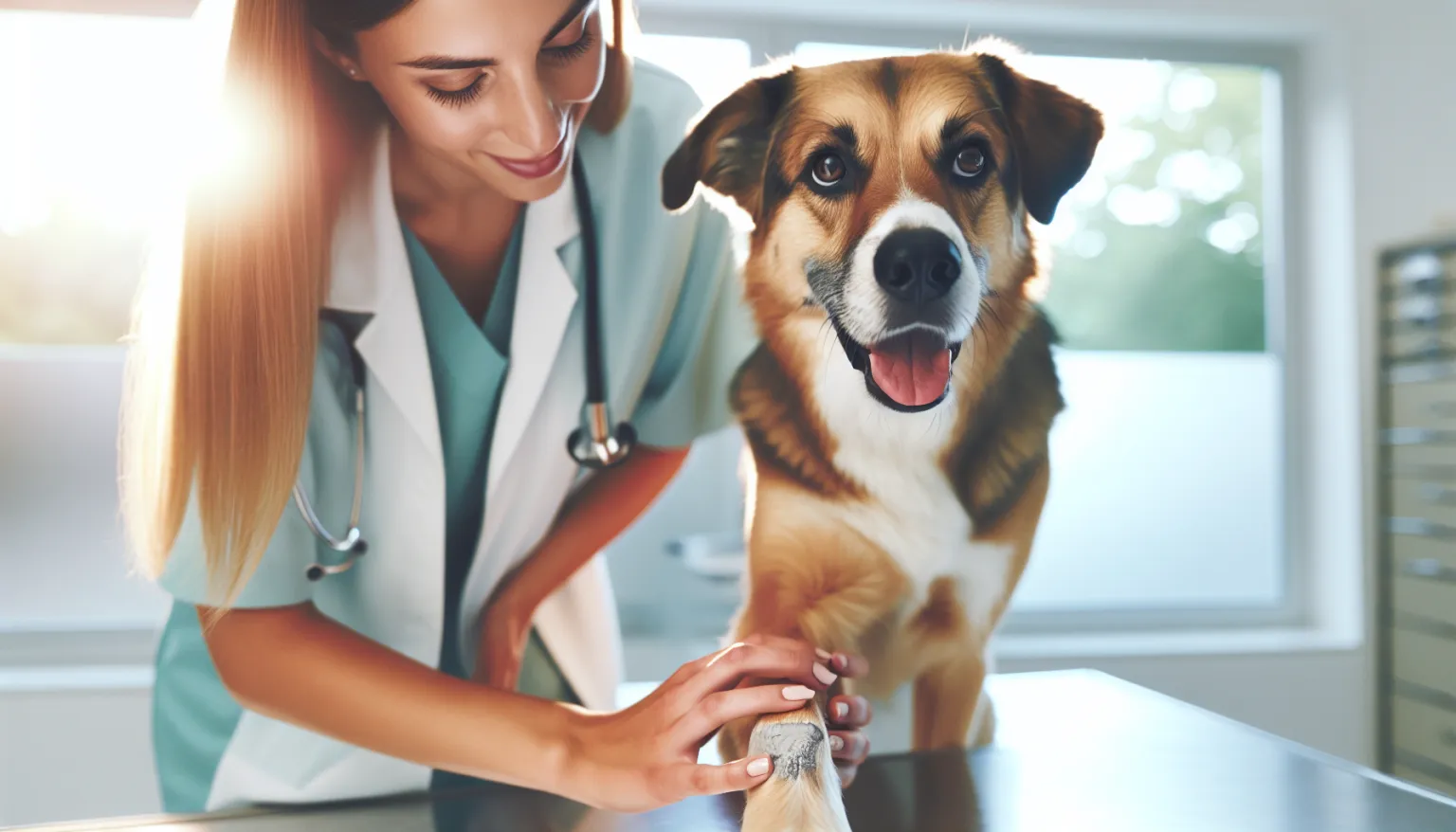
Orthopedic Examination
- Cranial drawer and tibial thrust tests to assess knee stability
- Joint effusion and pain localization
Imaging
- Radiographs to evaluate effusion patterns and early osteoarthritis
- Advanced imaging (MRI or CT) selectively for complex or ambiguous cases
Many dogs need sedation for an accurate hands-on exam. Muscle guarding can mask instability in an awake, painful dog.
Treatment Pathways
Surgical Management
Surgery is often the strongest option for medium-to-large dogs, active dogs, and knees with clear instability.
Common procedures:
- TPLO (tibial plateau leveling osteotomy)
- TTA (tibial tuberosity advancement)
- Extracapsular stabilization in selected smaller dogs
The goal is straightforward: restore mechanical stability and eliminate the painful grinding that drives arthritis.
Non-Surgical Management
Conservative care may suit small dogs or patients who cannot safely undergo anesthesia:
- Weight optimization to reduce joint load
- Anti-inflammatory and pain management
- Structured rehabilitation exercises
- Activity modification and environmental controls
Rehabilitation
Regardless of whether your dog has surgery or not, rehabilitation determines how well they recover. It is not optional — it is core treatment.
Key targets:
- Controlled, progressive weight-bearing
- Thigh muscle restoration (atrophy starts within days of injury)
- Proprioception and gait retraining
- Protection of the opposite limb from compensatory strain
The quality of recovery tracks directly with the quality of rehab.
Supplements and Adjuncts
Joint supplements can play a supporting role within a multimodal plan. They do not replace surgical stabilization when the knee is mechanically unstable.
Think of them as one layer in a larger strategy — not a standalone fix.
Home Monitoring
Keep a weekly log of these markers:
- Lameness score: better, same, or worse than last week
- Ability to rise, climb stairs, and jump
- Activity tolerance on walks
- Body weight and visible muscle condition
Pay special attention to the opposite hind limb. Subtle shifts in weight-bearing or new stiffness there deserve prompt attention.
Prognosis
Most dogs regain strong, functional mobility with timely treatment and committed rehabilitation. The dogs that struggle are typically those where care was delayed, weight crept up, or rehab was cut short.
When to Seek Urgent Care
- Sudden non-weight-bearing lameness on a hind leg
- Significant escalation in pain despite current treatment
- Rapid decline after a period of improvement
- Acute joint swelling with visible distress
Surgical vs Non-Surgical Decision Framework
This is one of the most important conversations you will have with your veterinarian. Surgery tends to produce better outcomes when instability is clear, the dog is medium-to-large, or activity goals are high. Medical management can be reasonable for smaller dogs, mild instability, or situations where anesthesia risk is prohibitive.
Bring these questions to the discussion:
- How severe is the current instability, and how much pain is present?
- Given my dog’s size, how much mechanical load will this joint carry?
- Can our household realistically execute a structured rehab program?
- What is the risk to the opposite knee, and how do we protect it?
Rehabilitation Milestones That Predict Better Outcomes
Weeks 0-2
- Strict rest with controlled leash outings only — no off-leash activity
- Consistent pain control and daily incision checks (if surgery was performed)
- Encourage early, gentle weight-bearing under veterinary guidance
Weeks 3-8
- Progressive loading with monitored leash walks of increasing duration
- Targeted muscle rebuilding, especially thigh mass on the affected side
- Proprioception drills and controlled balance work
Weeks 9-16+
- Gradual return to normal activity levels
- Continued avoidance of high-torque movements (sharp turns, jumping, sudden stops)
- Ongoing monitoring of the opposite limb for early strain signals
Preventing Contralateral Failure
The risk to the opposite knee is substantial. In some studies, 40-60% of dogs eventually injure the second cruciate. Prevention is not a suggestion — it is a priority.
- Maintain lean body condition year-round (obesity control is the single highest-impact lever)
- Preserve muscle symmetry and core stability through consistent exercise
- Treat early stiffness or weight-shifting in the opposite leg as urgent, not optional
- Continue anti-inflammatory support and rehab consistency even after the injured leg feels “back to normal”
Long-Term Joint Preservation Strategy
Cruciate disease is rarely a one-time event. Long-term success means treating the entire orthopedic system: stability, muscle quality, weight trend, and arthritis control (arthritis). Dogs that do well five years out are the ones whose owners never stopped managing the whole picture.
90-Day Owner Implementation Plan
Days 1-14: Protect the Joint and Control Pain
- Enforce strict activity limits. Leash walks for bathroom breaks only.
- Adhere to the prescribed pain-control protocol. If surgery was performed, follow all post-op care steps.
- Start objective tracking now: lameness score, weight-bearing quality, and comfort when rising.
Days 15-45: Restore Function Safely
- Progress rehabilitation under veterinary guidance with planned, incremental loading increases.
- Prioritize muscle rebuilding and gait symmetry over speed of return.
- Watch the opposite limb closely. Compensatory overload signs can appear in this window.
Days 46-90: Transition to Durable Orthopedic Maintenance
- Shift from acute recovery mode to a long-term joint-protection routine.
- Define a safe activity ceiling and eliminate high-torque repetitive patterns (fetch on hard ground, repeated jumping).
- Build a standing prevention plan that integrates arthritis and obesity control.
Escalation Scenarios and Response Windows
Use this decision ladder after diagnosis or surgery:
- Scenario 1 (slow progress): Function improves less than expected, but there is no acute distress. Action: request an early rehab plan reassessment rather than waiting for the next scheduled visit.
- Scenario 2 (clinical setback): Worsening lameness, swelling, or pain after a period of improvement. Action: same-day veterinary review.
- Scenario 3 (urgent instability/pain): Sudden non-weight-bearing lameness, severe distress, or abrupt collapse in function. Action: urgent or emergency evaluation.
With cruciate disease, small delays during setbacks can materially worsen long-term outcomes in both the injured knee and the opposite limb.
Long-Term Outcome Checklist
Sustainable cruciate outcomes depend on joint mechanics, not symptom suppression alone:
- Monthly checks for gait symmetry, thigh-muscle maintenance, and activity tolerance
- Ongoing weight control to keep persistent joint load as low as possible
- Quarterly reassessment of home exercise and mobility routines
- Immediate veterinary reassessment when the opposite limb shows stiffness or reduced weight-bearing
The goal is sustained function across both hind limbs — not just short-term pain relief.
Return-to-Activity Red Flags
A dog can look improved before the tissues and biomechanics are truly ready. Slow down and reassess if you notice:
- Limping that returns after longer walks
- Reluctance to fully load the affected limb after activity
- New stiffness in the opposite hind leg
- Fatigue-driven compensation patterns: hip hiking, shortened stride, or pivot avoidance
These signs usually mean activity progression has outpaced structural readiness.
First 14 Days Post-Procedure Complication Triggers
Escalate quickly during early recovery if any of the following appear:
- Increasing redness, swelling, discharge, or odor at the incision site
- Pain that worsens despite prescribed medication
- Abrupt decline in weight-bearing after initial improvement
- Marked lethargy, appetite loss, or suspected fever
Catching complications early protects surgical outcomes and prevents secondary setbacks.
Home Surface and Stair Control Protocol
The home environment shapes recovery more than most owners expect:
- Place non-slip mats or runners along all routine movement paths
- Block unsupervised stair access during the rehabilitation period
- Prevent furniture jumping and uncontrolled pivoting
- Keep all transitions leash-controlled until your rehab team clears progression
Eliminating avoidable torque events at home protects weeks of rehabilitation progress.
Return-to-Activity Decision Gates (Practical Criteria)
Use explicit gates before increasing activity load:
- Gate 1: Daily comfort stability. No day-to-day worsening in lameness, sleep comfort, or post-walk stiffness for at least 7-10 consecutive days.
- Gate 2: Functional symmetry. Rising, turning, and controlled leash walking look close to baseline without obvious compensation patterns.
- Gate 3: Recovery quality. After planned activity, the dog returns to baseline comfort by the next morning.
If any gate fails, hold progression and reassess with your rehabilitation team. This prevents the common mistake of advancing based on enthusiasm rather than tissue readiness.
Surgery-and-Rehab Handoff Questions Owners Should Bring
Short, specific questions produce better outcomes than broad “is this normal?” check-ins:
- What exact signs tell us we can increase load this week, and what signs mean we should pause?
- Which movement patterns carry the highest risk for this dog right now — stairs, jumping, pivots, or slippery turns?
- What is our contralateral-knee prevention plan for the next 90 days?
- Which objective marker should improve by the next visit (for example, thigh girth, gait symmetry, or tolerance time)?
When expectations are measurable, owners catch problems earlier and avoid silent deterioration.
Lean-Body-Condition Targeting for Orthopedic Protection
Even small upward drift in body weight meaningfully increases joint load after a cruciate injury. Replace visual estimates with a written target:
- Define a target weight range with your veterinarian
- Weigh your dog at the same time each week
- Trigger a plan adjustment after any sustained upward trend
This is one of the highest-return interventions for both the injured knee and the opposite limb.
What Nutrition Can and Cannot Do
Use nutrition as a leverage point in Cruciate Ligament Disease care while keeping diagnostics and treatment primary.
- Feeding Guide for Adult Dogs: Maintenance Nutrition Without Drift: adds structure for owner execution and symptom tracking.
- Feeding Guide for Senior Dogs: Healthspan Nutrition: is most useful when endpoints are defined before implementation.
- Prescription Diets for Dogs: Evidence, Use Cases, and Limits: can improve plan adherence when the household needs clear defaults.
Before changing medications, supplements, or monitoring frequency, verify the plan with your veterinarian.
Related Condition Pathways
These linked condition guides are useful for overlapping prevention priorities and treatment-pathway decisions:
Related Breed Longevity Guides
Use these breed pages for practical lifespan framing and risk-priority planning linked to this condition:
Supporting Research and Protocols
- TPLO Surgery Outcomes: What the Evidence Shows
- Canine Physical Rehabilitation: Evidence for Recovery
- Joint Screening by Breed: When to X-Ray and How Often
Frequently Asked Questions
Is surgery always necessary? Not always. Small dogs with mild instability may do well with strict weight management, structured rehabilitation, and activity modification. However, for medium-to-large dogs — or any dog with clear mechanical instability — surgical stabilization consistently produces better long-term functional outcomes and lower rates of progressive arthritis. The decision depends on your dog’s size, activity goals, instability severity, and your household’s ability to execute a rigorous rehab program.
Can the second knee be affected later? Yes, and the numbers are sobering. Studies suggest 40-60% of dogs that tear one cruciate will eventually injure the opposite knee. This is not bad luck — it reflects the same degenerative biology affecting both ligaments, compounded by compensatory overloading of the uninjured leg during recovery. Protecting the second knee through lean body condition, muscle symmetry work, and early attention to any new stiffness is a core part of post-injury care.
Do supplements cure CCL disease? No. Joint supplements like glucosamine, chondroitin, and omega-3 fatty acids may provide modest anti-inflammatory support as part of a broader plan, but they cannot restore mechanical stability to a torn ligament or reverse established osteoarthritis. They belong in the plan as one layer of support — alongside weight control, rehabilitation, and, when indicated, surgery — not as a standalone treatment.
How long does recovery usually take after surgery? Most dogs show meaningful improvement in weight-bearing and daily comfort within 4-8 weeks after TPLO or TTA surgery. However, full rehabilitation — including muscle restoration, gait normalization, and safe return to regular activity — commonly takes 12-16 weeks or longer. Cutting rehab short is one of the most common reasons dogs lose ground after an initially successful surgery. The quality of the recovery tracks directly with the consistency of the rehabilitation effort.
Medical Disclaimer
This guide is informational and does not replace in-person veterinary diagnosis or treatment. If your dog is acutely unwell, seek veterinary care immediately.
References
[1] ACVS: Cranial Cruciate Ligament Disease [2] Merck Veterinary Manual: Cruciate Ligament Disease [3] AAHA Canine Life Stage Guidelines
Related reads
Related Reading
Continue exploring