Evidence deep dives for Portosystemic Shunt
Pair mechanism-level evidence with practical protocol context before discussing next steps with your veterinarian.
The Puppy That Never Quite Catches Up
Your puppy is the runt of the litter, and months later, the gap has only widened. The other dogs filled out; yours stayed small, sometimes acts confused after meals, and occasionally staggers for no clear reason. These signs point to one of the most underdiagnosed developmental conditions in small breeds: portosystemic shunt.
A portosystemic shunt (PSS) is an abnormal blood vessel that reroutes blood around the liver instead of through it. The consequences ripple through the entire body. When blood bypasses the liver, toxins and metabolic byproducts go unprocessed. The result can be poor growth, gastrointestinal instability, urinary complications, and neurologic episodes — a cluster of problems often grouped under the term hepatic encephalopathy.
Shunts fall into three main categories:
- congenital extrahepatic shunts (more common in small breeds)
- congenital intrahepatic shunts (more common in selected large breeds)
- acquired shunts secondary to severe chronic liver disease and portal hypertension
Most owner-facing decisions involve congenital shunts. Early diagnosis and a clear treatment pathway strongly influence how well these dogs do long-term.
Pathophysiology — How Shunts Damage the Body
In normal circulation, blood from the gastrointestinal tract flows through the portal vein into the liver before reaching systemic circulation. The liver processes this blood — removing ammonia, bacterial endotoxins, drugs, and other metabolic byproducts — before it reaches the brain and other organs.
A portosystemic shunt bypasses this hepatic filter entirely. The consequences are systemic:
- Ammonia accumulation. The liver normally converts ammonia (a byproduct of protein digestion and bacterial metabolism) into urea for renal excretion. When portal blood bypasses the liver, ammonia reaches the brain at toxic concentrations, causing hepatic encephalopathy.
- Hepatic atrophy. The liver depends on portal blood flow for trophic support. Shunted blood deprives the liver of hepatotrophic factors (insulin, glucagon, nutrients), causing the liver to remain undersized or shrink. In congenital cases, puppies often have conspicuously small livers — sometimes only 50-60% of expected size.
- Impaired drug metabolism. Because the liver cannot process drugs normally, affected dogs are dangerously sensitive to sedatives, anesthetics, and many common medications. Dose adjustments or drug avoidance may be critical.
- Urate urolithiasis. Impaired hepatic conversion of uric acid to allantoin leads to elevated blood and urine urate levels, causing ammonium urate crystals and stones. These can form in the kidneys or bladder and cause urinary obstruction.
- Impaired protein synthesis. Reduced hepatic mass leads to lower albumin, coagulation factor, and glucose production. Hypoglycemia is common, especially in small-breed puppies.
- Altered bile acid metabolism. Fasting and post-prandial bile acid levels are typically elevated — which forms the basis of the screening blood test.
Congenital Extrahepatic Shunts
These are single anomalous vessels located outside the liver parenchyma, most commonly connecting the portal vein or its tributaries to the caudal vena cava or azygos vein. They account for approximately 60-75% of congenital shunts and predominate in small and toy breeds. They are generally more amenable to surgical correction.
Congenital Intrahepatic Shunts
These vessels course through the liver parenchyma and typically involve persistent patency of the ductus venosus — a fetal vessel that normally closes within days of birth. They are more common in large breeds (Irish Wolfhound, Golden Retriever, Labrador Retriever) and are technically more challenging to correct surgically.
Acquired Shunts
These develop secondary to chronic portal hypertension, usually from severe hepatic fibrosis or cirrhosis. Multiple small tortuous vessels form as the body attempts to decompress the portal system. They are not surgically correctable — treatment focuses on the underlying liver disease.
Why This Matters for Your Dog’s Healthspan
PSS can shorten both lifespan and healthspan when diagnosis comes late or management drifts.
The major longevity risks include:
- recurrent neurologic episodes (disorientation, staring, pacing, tremor, seizures)
- progressive undernutrition and low muscle reserve
- urinary crystal or stone formation from altered metabolism
- repeated emergency visits for acute decompensation
- ongoing liver stress when blood flow remains abnormal
- increased anesthetic and drug sensitivity that complicates routine medical care
The practical goal extends beyond symptom suppression. It is sustained metabolic stability, safer growth and development in young dogs, and prevention of repeated crisis cycles.
With successful surgical correction, many dogs achieve a normal lifespan with excellent quality of life. Medically managed dogs can also do well but typically have more restricted diets and lifelong medication requirements.
Typical Clinical Pattern
What owners notice varies, but common patterns include:
- smaller body size than littermates or poor weight gain — the “runt” that never catches up
- intermittent vomiting, diarrhea, or reduced appetite
- episodic neurologic behavior after meals (when ammonia rises)
- apparent “spells” of confusion, head pressing, or unsteady walking
- increased urination or urinary discomfort in some dogs
- excessive drooling or ptyalism, particularly in cats but also seen in some dogs
- apparent blindness during neurologic episodes that resolves between events
- seizures in severe cases — these can be the presenting complaint
- hypoglycemic episodes — weakness, trembling, or collapse, especially in toy-breed puppies
Some dogs drift subtly for months before a clear event triggers a full workup. Others present abruptly with severe neurologic signs. Both paths lead to the same need: thorough diagnostics.
Diagnostic Workflow
Diagnosis quality determines treatment quality. The typical steps follow a logical sequence.
1. Baseline Laboratory Assessment
- CBC and chemistry profile — look for microcytosis (small red blood cells, present in approximately 60-70% of dogs with congenital PSS), low BUN (due to impaired urea cycle), low albumin, low glucose, and low cholesterol
- Liver-associated markers and albumin trend
- Fasting and post-prandial bile acids — the primary screening test. Fasting bile acid levels above 25 mcmol/L or post-prandial levels above 25 mcmol/L are suggestive. Values often exceed 100 mcmol/L in confirmed PSS.
- Fasting ammonia — elevated levels support hepatic encephalopathy but require careful sample handling (must be run within 30 minutes of collection on ice)
- Urinalysis with crystal review — ammonium urate crystals (yellow-brown spheroids) are a significant finding
2. Imaging to Confirm Shunt Anatomy
Definitive pathway planning usually requires advanced imaging to map vessel anatomy. Depending on the center and case complexity, this may include:
- Abdominal ultrasound by an experienced operator — can identify the shunt vessel in approximately 80-95% of cases with experienced sonographers. Also evaluates liver size, kidney changes, and bladder stones.
- CT angiography — the current gold standard for anatomic mapping. Provides three-dimensional vessel anatomy essential for surgical planning. Identifies the shunt origin, insertion, and any portal branches. Sensitivity approaches 100%.
- Portal scintigraphy — nuclear medicine scan that measures the fraction of portal blood bypassing the liver. Useful when ultrasound findings are equivocal. Quantifies shunt fraction (normal is less than 15%; shunt dogs typically have fractions above 60%).
- Additional specialist imaging when anatomy is unclear
3. Neurologic and Metabolic Risk Staging
If neurologic events are present, staging should include immediate stabilization priorities and an explicit emergency-threshold plan. For dogs with seizure-like episodes, a structured medication and follow-up framework is often needed (Seizure Medication Monitoring for Dogs).
Document:
- frequency, duration, and triggers of neurologic episodes
- relationship to meals (post-prandial encephalopathy is characteristic)
- seizure history and any anticonvulsant use
- any prior anesthetic or drug sensitivity events
- urinary stone history
Treatment Pathways
Surgical Correction (When Feasible)
For many congenital shunts, surgery offers the best chance of durable physiologic improvement. Timing, technique, and perioperative monitoring all depend on shunt anatomy and the dog’s current stability.
Surgical techniques:
- Ameroid constrictor — a ring placed around the shunt vessel that slowly swells over 2-5 weeks, gradually occluding blood flow. Allows progressive hepatic adaptation. Most commonly used for extrahepatic shunts. Complications include acute portal hypertension if the shunt closes too rapidly (uncommon but potentially fatal).
- Cellophane banding — a thin cellophane strip placed around the shunt that induces a controlled inflammatory response, leading to gradual vessel occlusion over weeks to months. Similar progressive occlusion profile to ameroid constrictors.
- Partial or complete surgical ligation — direct suture closure of the shunt vessel. Complete closure carries higher risk of acute portal hypertension but can be performed when the portal system tolerates full occlusion (assessed via intraoperative portal pressure measurement).
- Interventional radiology techniques — coil embolization or other endovascular approaches, particularly for intrahepatic shunts that are difficult to access surgically.
Surgical outcome data:
- Approximately 80-90% of dogs with single congenital extrahepatic shunts have good to excellent long-term outcomes after surgical correction
- Complete shunt closure is achieved in approximately 50-60% of ameroid constrictor cases (the remainder have reduced but persistent shunting)
- Perioperative mortality is approximately 3-7% in experienced centers
- Post-surgical seizures (portal hypertension-related) occur in approximately 5-10% of cases and carry significant mortality
Surgery carries real risk. But in appropriately selected dogs, it can materially improve long-term outcomes compared with indefinite medical management alone.
Medical Management
Medical management serves three roles:
- preoperative stabilization
- long-term support when surgery is not feasible
- adjunctive care after intervention
Core medical components:
- Lactulose (0.5-1 mL/kg orally 2-3 times daily, adjusted to produce 2-3 soft stools per day) — an osmotic laxative that traps ammonia in the colon and promotes its fecal excretion. The single most important medication for encephalopathy management.
- Antibiotics — metronidazole (7.5-10 mg/kg twice daily) or neomycin (22 mg/kg 2-3 times daily) to reduce ammonia-producing bacteria in the gut. Metronidazole is preferred for long-term use due to neomycin’s potential ototoxicity and nephrotoxicity.
- Hepatic diet — protein-restricted or protein-modified diet to reduce ammonia production. Commercial hepatic diets (e.g., Hill’s l/d, Royal Canin Hepatic) are formulated to provide adequate nutrition while limiting ammonia-producing substrates. Severe protein restriction should be avoided, especially in growing puppies.
- Anti-seizure medication if neurologic events include seizures. Levetiracetam is preferred over phenobarbital in liver shunt patients because it does not require hepatic metabolism.
- Urinary stone management — dietary modification, urine alkalinization, and increased water intake to prevent ammonium urate stone formation.
Preoperative Stabilization Priorities
Before intervention, the quality of stabilization matters:
- reduce encephalopathy burden and neurologic volatility — start lactulose and antibiotics, dietary modification
- normalize hydration and GI function as much as possible
- correct metabolic derangements — address hypoglycemia, hypoalbuminemia
- set household monitoring and escalation thresholds in writing
- ensure imaging and surgical planning are complete
This preparation lowers avoidable perioperative risk and sets the stage for more consistent post-op recovery. Most dogs benefit from 2-4 weeks of medical stabilization before surgery.
Postoperative Monitoring Framework
After surgery, track these markers closely:
- appetite and stool pattern trend
- mentation and behavior stability — any return of neurologic signs warrants immediate reassessment
- weight gain or maintenance trajectory
- urinary signs (straining, hematuria, inappropriate urination)
- incision and recovery status
- bile acid levels at 2-3 months post-surgery to assess shunt closure adequacy
Persistent neurologic or GI drift should trigger earlier reassessment, not watchful waiting.
Post-surgical seizures are a known complication occurring in approximately 5-10% of dogs, most commonly within 72 hours of surgery. These can be severe and carry significant mortality (up to 50% in some reports). Close in-hospital monitoring for 48-72 hours post-surgery is standard practice.
Cost Considerations
PSS diagnosis and treatment carry substantial costs:
- Diagnostic workup (bloodwork + bile acids): $300-$600
- Abdominal ultrasound: $300-$500
- CT angiography: $1,500-$3,000
- Medical management (monthly): $100-$250 (lactulose, antibiotics, hepatic diet)
- Surgical correction: $3,000-$7,000 depending on technique, shunt type, and facility. Intrahepatic shunts and interventional radiology procedures are typically more expensive.
- Post-surgical monitoring (first year): $500-$1,500 (rechecks, bloodwork, bile acid retesting)
- Emergency care for complications: $2,000-$5,000+ per episode
Discuss cost expectations with your veterinary team early, particularly regarding the difference between medical and surgical management pathways. Surgery has higher upfront cost but lower lifetime management burden in most cases.
Prognosis
- Congenital extrahepatic shunts with surgical correction: Good to excellent. Approximately 80-90% of dogs achieve good long-term outcomes with resolution or marked improvement in clinical signs. Many can discontinue hepatic diets and medications after confirmed shunt closure.
- Congenital intrahepatic shunts with surgical correction: Fair to good. Technically more challenging surgery with slightly higher complication rates. Outcomes still favorable in experienced hands.
- Medical management alone: Fair. Many dogs can be maintained for years with diet and medication, but quality of life is generally more restricted than with successful surgery. Episodic encephalopathy may continue. Median survival of 2-5 years with medical management alone is reported in some studies, though individual variation is wide.
- Acquired shunts: Guarded to poor. Prognosis depends on the underlying liver disease severity. Surgical correction is not an option.
Living With a Portosystemic Shunt — Daily Management
For Medically Managed Dogs
- Feed the prescribed hepatic diet consistently. Do not allow access to high-protein treats or table scraps, which can trigger encephalopathic episodes.
- Administer lactulose at the prescribed dose and frequency. Adjust the dose to maintain 2-3 soft (not watery) stools daily.
- Watch for post-meal behavior changes — disorientation, restlessness, apparent blindness, or unusual vocalization after eating suggests encephalopathy.
- Keep a seizure log if episodes have occurred. Note duration, severity, and any identifiable triggers.
- Avoid fasting for prolonged periods — small, frequent meals (3-4 daily) reduce ammonia spikes and maintain blood glucose.
For Post-Surgical Dogs
- Follow the graduated return-to-activity plan provided by the surgical team.
- Continue hepatic diet and medications as directed until bile acid retesting confirms adequate shunt closure (typically 2-3 months post-surgery).
- Monitor for signs of portal hypertension in the days following surgery — ascites (abdominal swelling), bloody diarrhea, or acute deterioration.
- Schedule and keep all post-surgical recheck appointments.
Supporting Recovery and Prevention Through Diet
Nutrition is a core control lever, but diet should be individualized to diagnosis, age, growth status, and neurologic burden.
- Prescription Diets for Dogs: Evidence, Use Cases, and Limits: useful when teams need a stable baseline while monitoring response.
- Feeding Guide for Puppies: Growth Nutrition Without Overload: helpful for young dogs where growth and metabolic stability must be managed together.
- Milk Thistle for Dogs: Liver Support Evidence and Limits: an adjunct topic for discussion, not a substitute for definitive diagnostics or treatment.
Protein planning should be clinically directed and rechecked over time rather than locked in permanently. For context on balancing protein adequacy and metabolic risk, see Senior Dog Protein Strategy for Healthspan.
For owner-facing escalation and day-to-day monitoring structure, review Hepatic Encephalopathy in Dogs: Monitoring and Nutrition Protocol.
Home Monitoring Dashboard
Run a weekly checklist:
- appetite score and meal tolerance
- weight trend and body condition
- stool quality and bowel regularity
- neurologic event count and post-event recovery time
- urinary signs and water-intake pattern
- lactulose dose and stool softness calibration
If metrics worsen for more than 48-72 hours, move to same-week reassessment.
For households dealing with repeated symptom fluctuation, structured tracking frameworks can sharpen decision timing (Home Biomarker Tracking for Senior Dogs).
Most-Missed Early Drift Pattern
The pattern most frequently missed is gradual post-meal neurologic change that appears “mild” day to day but worsens across several weeks. Owners often normalize subtle disorientation, pacing, attention drop, or slower recovery after excitement.
Treat this as actionable drift, not background behavior. Early reassessment during mild drift is usually safer and lower-friction than waiting for seizure-level or collapse-level events.
Breed-Specific Risk Data
- Yorkshire Terrier: The single most commonly affected breed for congenital extrahepatic PSS. Estimated prevalence of congenital PSS is 20-35 times higher than the general dog population.
- Maltese and Havanese: Significantly overrepresented. Similar extrahepatic shunt anatomy to Yorkshire Terriers.
- Miniature Schnauzer: Commonly affected. Also predisposed to concurrent urinary stone formation.
- Shih Tzu, Pug, and Lhasa Apso: Increased prevalence of extrahepatic shunts.
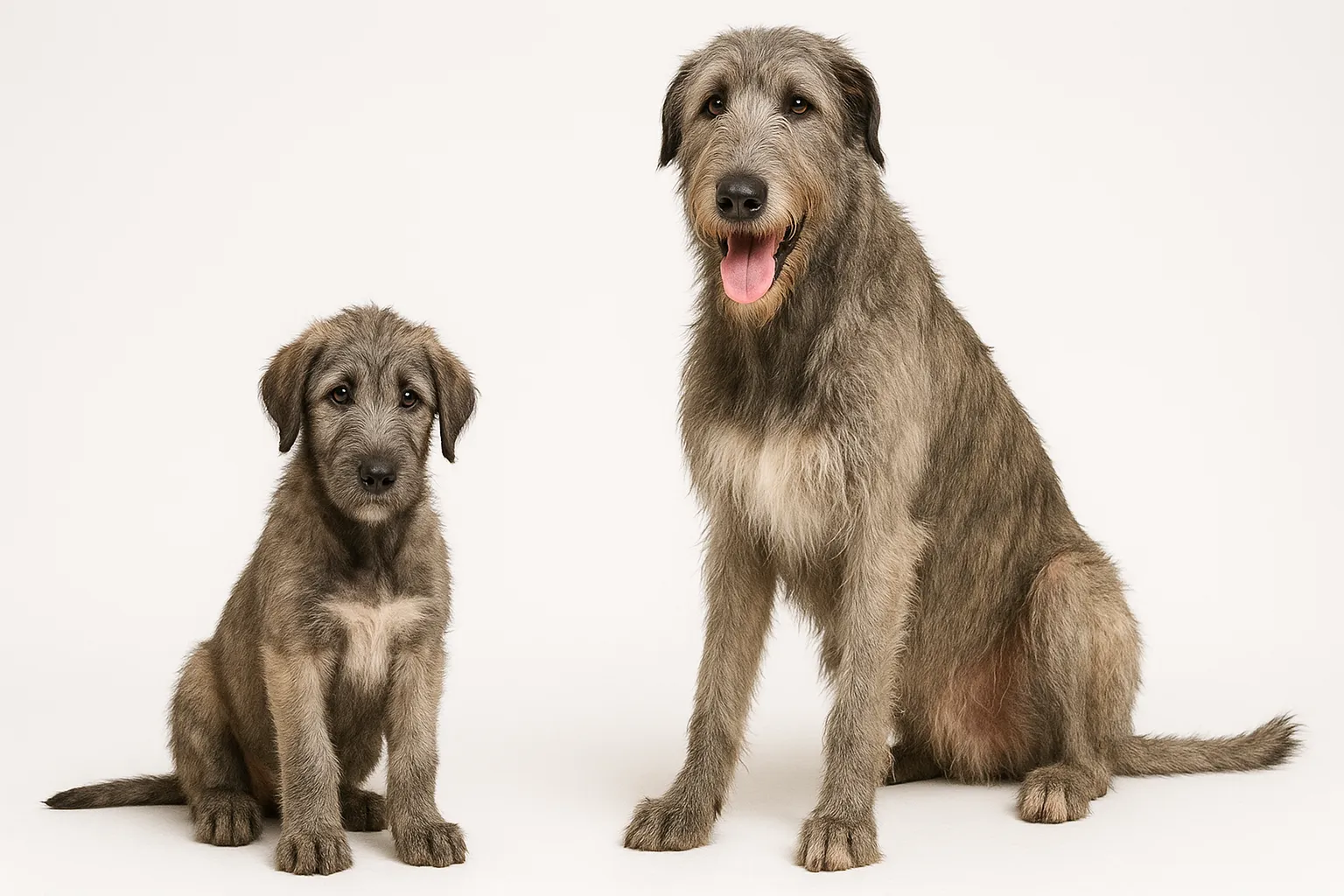
- Irish Wolfhound: The breed most commonly associated with congenital intrahepatic shunts. Prevalence may be as high as 2-3% in some breeding lines. Inheritance appears autosomal with incomplete penetrance.
- Golden Retriever and Labrador Retriever: Occasionally affected, typically with intrahepatic shunts.
Any dog can have a portosystemic shunt. Breed context should lower the diagnostic threshold when compatible signs appear.
When to Escalate Fast
Seek emergency care for:
- seizures or severe persistent disorientation
- collapse, non-responsiveness, or prolonged ataxia
- repeated vomiting with inability to maintain hydration
- marked lethargy with worsening neurologic signs
- signs of acute portal hypertension post-surgery (bloody diarrhea, ascites, acute collapse)
Seek same-day urgent care for:
- new or increasing post-meal neurologic episodes
- rapid appetite decline
- urinary discomfort or blood in urine
- steady functional decline over several days
- hypoglycemic episodes (weakness, trembling, disorientation) — offer a small high-carbohydrate meal and seek care
90-Day Owner Execution Plan
Days 1-14: Confirm Diagnosis Quality and Baseline
- finalize anatomic diagnosis and treatment pathway with your veterinarian
- start written daily tracking for appetite, stool, behavior, and neurologic events
- define emergency vs urgent triggers with all caregivers
- begin medical stabilization (lactulose, antibiotics, diet) if not already started
Days 15-45: Tighten Adherence and Reassess Drift
- audit medication and feeding consistency
- reassess quickly if neurologic or GI patterns persist
- update the plan based on trend data, not isolated good or bad days
- if surgery is planned, complete pre-surgical stabilization and imaging
Days 46-90: Convert to Long-Term Prevention
- finalize follow-up cadence for labs and imaging as advised by your team
- maintain nutrition and medication discipline during routine disruptions (travel, schedule changes)
- review quality-of-life markers monthly to catch early drift
- if surgery was performed, complete post-surgical bile acid retesting and evaluate for medication/diet discontinuation
Related Condition Pathways
Portosystemic shunt often overlaps with broader metabolic and neurologic risk domains. These guides support differential thinking and escalation discipline:
Use pathway links to strengthen monitoring decisions, not to self-diagnose.
Related Breed Longevity Guides
Breed context can help owners and clinicians set lower thresholds for early testing when symptom clusters appear.
- Yorkshire Terrier Lifespan & Longevity Guide
- Maltese Lifespan & Longevity Guide
- Miniature Schnauzer Lifespan & Longevity Guide
- Shih Tzu Lifespan & Longevity Guide
- Pug Lifespan & Longevity Guide
- Irish Wolfhound Lifespan & Longevity Guide
Mixed-breed dogs can still have this condition. Breed predisposition should raise awareness, not replace diagnostic confirmation.
Frequently Asked Questions
Can a dog with a liver shunt live a normal lifespan?
Many dogs with surgically corrected congenital shunts live normal lifespans with excellent quality of life. Approximately 80-90% of dogs undergoing surgical correction for extrahepatic shunts have good long-term outcomes. Medically managed dogs can also live for years but typically have more restricted diets and ongoing medication requirements. Prognosis is highly case-specific and depends on shunt anatomy, timing of diagnosis, and presence of complications.
Is surgery always required for portosystemic shunt?
Not always, but surgery is often the best option for congenital shunts when anatomy and clinical status are suitable. Some dogs are managed medically when surgery is not feasible due to anatomy, concurrent disease, or financial constraints. Medical management alone controls signs but does not correct the underlying abnormal blood flow. The liver typically remains small and abnormal without surgical correction.
Do supplements cure portosystemic shunt?
No. Supplements do not correct abnormal vessel anatomy and should never replace veterinary diagnosis and treatment planning. Milk thistle (silymarin) is sometimes discussed as a hepatoprotective agent, but it does not address the hemodynamic cause of the disease. Focus on proven medical management — lactulose, antibiotics, and hepatic diet — and surgical correction when indicated.
What signs mean I should go to the ER immediately?
Seizures, collapse, severe persistent disorientation, or repeated vomiting with progressive weakness are emergency-level signs. Post-surgical emergency signs include bloody diarrhea, rapid abdominal swelling (ascites), or acute deterioration within 72 hours of surgery — these may indicate portal hypertension and require immediate intervention.
Why does my dog act strange after eating?
Post-meal neurologic changes are characteristic of hepatic encephalopathy. Protein digestion produces ammonia, which normally is processed by the liver. In PSS, this ammonia reaches the brain unfiltered, causing disorientation, pacing, staring, head pressing, or apparent blindness. Feeding smaller, more frequent meals of a hepatic diet and ensuring lactulose is dosed appropriately can reduce these episodes.
Can portosystemic shunts be detected before symptoms appear?
In predisposed breeds, screening with fasting and post-prandial bile acids can detect asymptomatic shunts. Some breeders of high-risk breeds (particularly Yorkshire Terriers and Irish Wolfhounds) screen litters before placement. Routine puppy bloodwork may reveal suggestive abnormalities — low BUN, microcytosis, low albumin — that prompt further evaluation.
How risky is anesthesia for a dog with PSS?
Higher risk than normal dogs because the liver cannot metabolize anesthetic agents effectively. However, with proper drug selection, dose reduction, and experienced anesthetic management, surgical correction is performed safely in the majority of cases. Discuss anesthetic protocols specifically designed for liver shunt patients with your surgical team.
Medical Disclaimer
This content is educational and is not a diagnosis or treatment directive. Portosystemic shunt can become medically urgent, and dogs with neurologic, collapse, or severe GI signs require immediate veterinary evaluation.
References
- Berent AC, Tobias KM. Portosystemic vascular anomalies. Vet Clin North Am Small Anim Pract. 2009;39(3):513-541.
- Greenhalgh SN, Dunning MD, McKinley TJ, et al. Comparison of survival after surgical or medical treatment in dogs with a congenital portosystemic shunt. J Am Vet Med Assoc. 2010;236(11):1215-1220.
- Tivers MS, Lipscomb VJ, Brockman DJ. Treatment of intrahepatic congenital portosystemic shunts in dogs: a systematic review. J Vet Intern Med. 2017;31(4):1012-1020.
- Falls EL, Milovancev M, Hunt GB, et al. Long-term outcome after surgical ameroid ring constrictor placement for treatment of single extrahepatic portosystemic shunts in dogs. Vet Surg. 2013;42(8):951-957.
- ACVIM and specialty internal medicine guidance on canine portosystemic shunt diagnostics, stabilization, and treatment pathways.
Related reads
Related Reading
Continue exploring