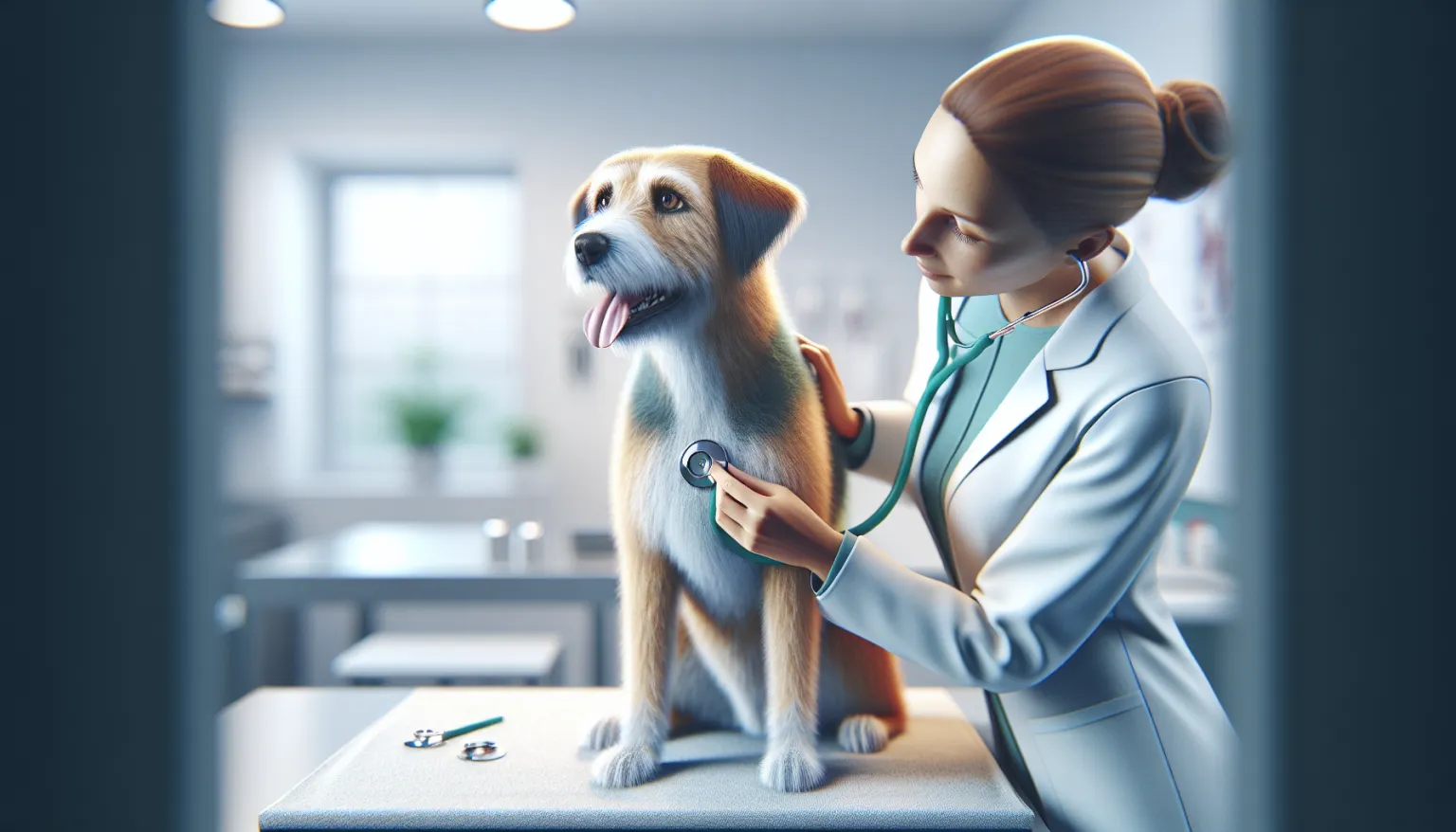
Two Popular Breeds, Two Serious Cancer Profiles
The Boxador brings together the Boxer and the Labrador Retriever — two of the most popular family dogs in the United States, and two breeds with cancer burdens that demand owner awareness. The Boxer has one of the highest cancer rates of any breed, with mast cell tumors, lymphoma, and brain tumors appearing at elevated frequencies. The Labrador carries its own cancer risks, including mast cell tumors, lymphoma, and hemangiosarcoma.
This is not a cross where cancer risk cancels out. Both parent breeds contribute overlapping cancer genetics, making the Boxador a dog whose longevity plan must be organized around early and persistent cancer surveillance. The 10 to 14 year lifespan range is achievable, but the upper end requires proactive health management that accounts for the specific vulnerabilities this cross inherits.
The good news: the Boxador also inherits extraordinary qualities. The Boxer’s playful energy and protective instincts combine with the Lab’s trainability and social nature to produce a loyal, resilient family dog. The goal is to give that dog every possible year.
Hybrid Vigor in a Large-Breed Cross
Heterosis benefits first-generation crosses most strongly. A 2013 JAVMA study of over 27,000 dogs showed mixed-breed dogs were less likely to develop 10 of 24 genetic disorders compared to purebreds, particularly for recessive conditions.
For the Boxador, however, the most relevant conditions — cancer, hip dysplasia, and bloat — are either polygenic or structural, categories where the same study found no significant mixed-breed advantage. Hybrid vigor may offer some protection against conditions like aortic stenosis (elevated in Boxers) or specific autoimmune conditions, but it provides limited reassurance for the big three concerns in this cross.
What the Boxer Contributes
Cancer Predisposition
The Boxer is one of the most cancer-prone breeds. Mast cell tumors are particularly common — a study in Veterinary Pathology found Boxers are 8 to 10 times more likely to develop mast cell tumors compared to mixed-breed dogs. Lymphoma, brain tumors, and hemangiosarcoma also appear at elevated rates.
Your Boxador inherits a meaningful portion of this risk. The Labrador cross may dilute the concentration of cancer-predisposing alleles, but given that Labs also carry elevated cancer rates, the dilution effect is limited. Monthly at-home mass checks should begin at age 3. Annual abdominal ultrasound should be discussed with your veterinarian starting at age 5.
Cardiac Disease
Boxers carry documented risk for arrhythmogenic right ventricular cardiomyopathy (ARVC, formerly called Boxer cardiomyopathy) and aortic stenosis. ARVC can cause sudden cardiac death without warning. While the Labrador cross reduces the likelihood of breed-specific cardiomyopathy, heart disease screening via annual cardiac auscultation and echocardiography in dogs with detectable murmurs remains essential.
Brachycephalic Considerations
Boxers are brachycephalic (short-skulled), which affects airway structure, heat tolerance, and anesthetic risk. The Labrador cross typically lengthens the muzzle, reducing brachycephalic syndrome severity. However, some Boxadors retain enough facial structure compression to experience heat intolerance and exercise-induced respiratory difficulty. Assess your individual dog’s airway function rather than assuming the Lab cross eliminated the issue.
What the Labrador Retriever Contributes
Obesity Genetics
The Lab’s POMC gene deletion — present in approximately 23% of the breed per a 2016 Cell Metabolism study — impairs satiety signaling. Dogs carrying this mutation never feel full. When this trait appears in a 50 to 80 pound dog already predisposed to joint disease, the consequences compound rapidly.
The Purina Lifetime Study showed lean dogs lived 1.8 years longer than overweight dogs and developed arthritis four years later. In a large-breed cross averaging 10 to 14 years, maintaining lean body condition is the single most impactful longevity intervention.
Hip Dysplasia
Labrador Retrievers show approximately 12% hip dysplasia prevalence per OFA data. Boxers show roughly 12% as well. Both parent breeds contribute, making hip dysplasia a near-certainty as a risk factor for the Boxador. At 50 to 80 pounds, mechanical joint stress is significant.
Appetite-Driven Behavior
Labs are scavengers by nature. Combined with the Boxer’s high-energy personality, this creates a dog that will eat anything, anywhere, at any speed. Dietary indiscretion — eating garbage, foreign objects, toxic substances — is a real emergency risk in this cross. Manage the environment proactively.
The Conditions That Shape Longevity
Cancer: The Dominant Risk
Both parent breeds rank among the top 20 breeds for cancer incidence. For the Boxador, cancer surveillance is not optional — it is the most important thing you can do after weight management.
Establish a routine: monthly full-body palpation for new lumps. Learn the difference between lipomas (soft, moveable, slow-growing) and potentially malignant masses (firm, fixed, rapidly growing). Any new mass warrants fine-needle aspirate for cytologic evaluation. Do not “watch and wait” on lumps in this cross.
Bloat (Gastric Dilatation-Volvulus)
Bloat is a life-threatening emergency where the stomach fills with gas and potentially rotates on its axis, cutting off blood supply. Large, deep-chested breeds are at highest risk, and the Boxador’s chest conformation qualifies.
Prevention strategies supported by evidence:
- Feed two to three smaller meals per day instead of one large meal
- Avoid vigorous exercise within one hour of eating
- Use slow-feed bowls to reduce air ingestion
- Discuss prophylactic gastropexy with your veterinarian, particularly if your dog’s body type is deep-chested
Know the signs: unproductive retching, distended abdomen, restlessness, pacing, excessive drooling. Bloat progresses to fatal within hours. This is a drive-to-the-emergency-clinic-immediately situation.
Heart Disease Monitoring
Annual cardiac auscultation is non-negotiable given the Boxer’s cardiomyopathy risk. If a murmur or arrhythmia is detected, echocardiography and possibly Holter monitoring (24-hour continuous ECG) are warranted. Some Boxadors may benefit from cardiac screening even without detectable abnormalities on auscultation, particularly if the Boxer parent had documented cardiac history.
Monitor resting respiratory rate at home. A consistent rate above 30 breaths per minute at rest warrants evaluation for early heart failure.
Hip Dysplasia and Arthritis
At 50 to 80 pounds with dual-parent hip dysplasia risk, joint health management begins on day one. Controlled growth during puppyhood (first 18 months), lifelong weight management, and joint-appropriate exercise form the foundation. Swimming is the gold-standard exercise for this cross — it builds muscle and cardiovascular fitness without stressing joints.
Glucosamine and chondroitin may provide modest chondroprotective benefit when started before clinical arthritis develops. Discuss timing with your veterinarian.
Nutrition Strategy
Use Feeding Guide for Large Breeds as your framework. Measured meals only — never free-feed a Boxador. Cap treats at 10% of daily calories. If your dog displays insatiable hunger, assume the POMC mutation until proven otherwise and manage accordingly.
Omega-3 supplementation reduces systemic inflammation, supporting both joint health and potentially modulating cancer risk. Large breed puppy nutrition during the first 18 months ensures controlled growth that protects developing joints.
Target body condition score 4 to 5 on the 9-point scale. At this weight range, even 5 extra pounds generates measurable additional stress on joints.
Exercise That Protects
Boxadors are high-energy dogs that need 60 to 90 minutes of daily activity. The exercise must protect joints while meeting the significant energy demands of both parent breeds.
- Swimming: the ideal exercise for this cross — cardiovascular conditioning, muscle building, zero joint impact
- Varied terrain walks: build proprioception and distribute muscle workload
- Structured play: fetch on soft ground, tug (builds core strength)
- Mental enrichment: training, puzzle toys, scent work (counts toward daily activity budget)
Avoid: ball launchers on hard surfaces, sustained running on pavement (especially in dogs under 18 months), and exercise immediately after meals (bloat prevention).
Preventive Screening Timeline
- Puppy to 18 months: Growth-rate monitoring, controlled exercise, baseline hip evaluation. Large-breed puppy food to manage growth speed.
- 2 to 4 years: Annual wellness exam, cardiac auscultation, eye exam. Establish weight and gait baselines. Monthly at-home mass checks.
- 5 to 7 years: Add annual abdominal ultrasound. Annual bloodwork. Cancer vigilance intensifies.
- 8 to 10 years: Twice-yearly exams. Senior blood panel, cardiac reassessment, arthritis management plan. Mobility evaluation.
- 11+ years: Geriatric monitoring. Cognitive health, pain management review, quality-of-life scoring.
Breed-Specific Research
- Cancer Prevention and Screening Stack for Dogs: structured surveillance for cancer-prone breeds.
- Arthritis Pain Stack for Dogs: Mobility-First Framework: joint protection for large-breed crosses.
- Senior Dog Screening Protocol: What to Test and When: comprehensive senior screening timeline.
- Dilated Cardiomyopathy Screening in Dogs: cardiac monitoring for breeds with elevated cardiomyopathy risk.
Condition-Specific Monitoring Triggers
Act on these signals immediately:
- Cancer: New lumps (especially firm or rapidly growing), unexplained weight loss, decreased appetite with lethargy, swollen lymph nodes.
- Bloat: Unproductive retching, distended abdomen, restlessness, pacing, excessive drooling. This is a minutes-matter emergency.
- Heart Disease: Coughing after exertion, exercise intolerance, resting respiratory rate above 30, collapse or fainting.
- Hip Dysplasia: Bunny-hopping gait, reluctance to climb stairs, stiffness after rest.
- Obesity: Ribs no longer easily palpable, loss of waist tuck, upward weight trend.
- Arthritis: Declining enthusiasm for walks, slower to rise, avoiding previously enjoyed activities.
12-Month Longevity Execution Plan
Quarter 1: Baseline and Risk Prioritization
- Record starting weight, body condition score, and gait quality with video
- Complete baseline bloodwork, hip evaluation, and cardiac auscultation
- Establish feeding protocol: measured meals, bloat-prevention feeding schedule, treat budget
- Discuss prophylactic gastropexy with your veterinarian
Quarter 2: Protocol Adherence
- Audit Q1 adherence and close gaps
- Compare weight, gait, and cardiac findings against Q1 baselines
- Report any new masses, appetite changes, or energy shifts
- Continue monthly at-home mass palpation
Quarter 3: Midyear Review
- Review six-month data: weight trends, cardiac status, joint mobility
- Adjust exercise intensity for seasonal conditions and your dog’s capacity
- Repeat cardiac auscultation if any concerns were noted in Q1
- Assess any skin masses for changes in size or character
Quarter 4: Annual Planning
- Build next year’s screening schedule from full-year data
- Run senior bloodwork and abdominal imaging if your dog is 5 or older
- Complete year-end mobility assessment
- Update cancer surveillance and cardiac monitoring plan
When to Seek Emergency Care
Do not wait on any of the following:
- Unproductive retching with abdominal distension — this is bloat. Go now.
- Sudden weakness, pale gums, or collapse (potential hemangiosarcoma)
- Fainting or collapse during or after exercise (potential cardiac event)
- Sustained resting respiratory rate above 40 breaths per minute
- Sudden onset of severe lameness or inability to bear weight
- Complete food refusal lasting more than 24 hours with lethargy
Home Tracking Dashboard
Monitor monthly:
- Weight and body condition score with rib palpation
- Full-body mass check — document any new lumps with measurements, photos, and dates
- Resting respiratory rate (count breaths for 60 seconds while sleeping)
- Appetite consistency, eating speed, stool quality
- Energy level, exercise tolerance, and recovery time
- Gait quality — stiffness, lameness, reluctance to move
- Abdominal appearance — any distension or asymmetry
Frequently Asked Questions
How long do Boxadors typically live? Most Boxadors live 10 to 14 years. The Labrador parent typically lives 10 to 13 years and the Boxer 10 to 12 years, so the cross falls within a similar range. The upper end is achievable with cancer surveillance, weight management, and cardiac monitoring.
Is the cancer risk really that significant? Yes. Both parent breeds rank among the most cancer-prone. Boxers have 8 to 10 times the mast cell tumor rate of mixed breeds generally. Labradors carry elevated lymphoma and hemangiosarcoma rates. This is not a risk that cancels out through crossing — both parents contribute overlapping cancer genetics.
Should I worry about bloat in a Boxador? Bloat risk is real in any large, deep-chested dog, and many Boxadors have the chest conformation that increases susceptibility. Prophylactic gastropexy — a surgical procedure that tacks the stomach to the abdominal wall — can be performed during spay/neuter and dramatically reduces bloat mortality risk. Discuss this with your veterinarian.
How do I manage my Boxador’s weight? Measured meals, never free-feeding, treats capped at 10% of daily calories, and monthly body condition scoring. If your dog inherited the Lab’s POMC mutation, the hunger signals will never accurately reflect caloric needs. Use body condition scoring, not appetite, to calibrate portions.
Can my Boxador tolerate heat? It depends on individual muzzle length. If your Boxador inherited more Boxer facial structure (shorter muzzle), heat tolerance will be compromised. Monitor for heavy panting, excessive drooling, and reluctance to exercise in warm conditions. Exercise during cooler parts of the day and always provide access to water and shade.
What exercise is best for a Boxador? Swimming is ideal — cardiovascular fitness with zero joint impact. Varied terrain walks and structured play on soft surfaces are good alternatives. Avoid exercise within one hour of meals (bloat prevention) and avoid sustained high-impact activities on hard surfaces, especially in young dogs or those with hip concerns.
When should cardiac screening start? Cardiac auscultation should be part of every annual exam from the beginning. If a murmur or arrhythmia is detected, echocardiography is warranted regardless of age. Even without detectable abnormalities, monitoring resting respiratory rate at home provides early warning of cardiac changes.
References
[1] Prevalence of inherited disorders among mixed-breed and purebred dogs (Bellumori et al., JAVMA, 2013) [2] A Deletion in the Canine POMC Gene Is Associated with Weight and Appetite (Raffan et al., Cell Metabolism, 2016) [3] Effects of Diet Restriction on Life Span and Age-Related Changes in Dogs (Kealy et al., 2002) [4] Life expectancy, mortality, and longevity in companion dogs (Scientific Reports, 2024) [5] Orthopedic Foundation for Animals (OFA) [6] Merck Veterinary Manual [7] AAHA Canine Life Stage Guidelines
This content is for informational purposes only and does not constitute veterinary advice. Always consult a licensed veterinarian for decisions about your dog’s health, diagnosis, and treatment.
Related reads
Related Reading
Continue exploring