The Second Most Common Shelter Dog in America
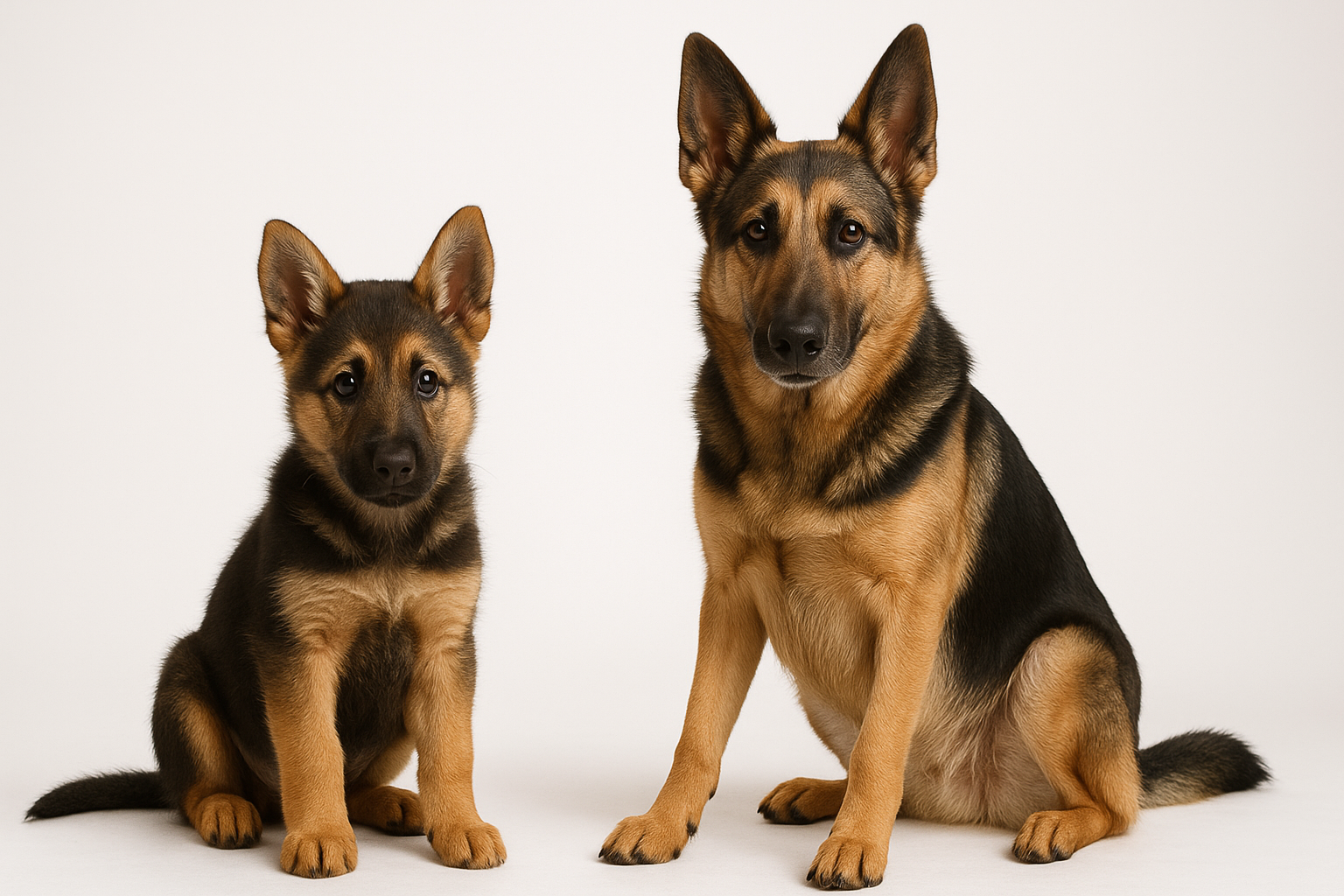
After pit bull mixes, German Shepherd mixes are the most frequently encountered dogs in American shelters. The reasons are straightforward: German Shepherds are the third most popular breed in the country, they are physically imposing dogs that require experienced handling, and their high drive and intelligence mean they develop serious behavioral problems when their needs are not met. The resulting shelter population includes dogs crossed with everything from Labrador Retrievers to Rottweilers to Huskies to hounds.
What these dogs share is German Shepherd heritage, and that heritage carries specific, well-documented health vulnerabilities centered on the hips, spine, and gastrointestinal tract. Whether your GSD mix was an intentional cross or a shelter dog of uncertain parentage, the German Shepherd contribution shapes the health management strategy.
Most German Shepherd mixes live 10 to 14 years. At 40 to 90 pounds, this is a large-breed category with all the attendant metabolic and orthopedic considerations. Hybrid vigor provides some protection against breed-specific recessive conditions, but the conditions most strongly associated with the German Shepherd, particularly hip dysplasia and degenerative myelopathy, are dominant or polygenic traits that do not reliably dilute in a cross.
The Health Conditions That Define GSD Mix Longevity
Hip Dysplasia: The German Shepherd’s Defining Vulnerability
Hip dysplasia is so strongly associated with German Shepherds that the breed essentially defined public awareness of the condition. OFA data shows German Shepherds ranking consistently among the most affected breeds. That genetic load carries into mixes.
The German Shepherd’s sloped hindquarter conformation, particularly in show-line dogs, concentrates mechanical stress on the hip joints in ways that compound the structural instability of dysplasia. A GSD mix may inherit some of this conformation, and any degree of it warrants proactive management.
Baseline orthopedic evaluation by age two, ideally through OFA or PennHIP assessment, provides the structural information needed to plan exercise, supplementation, and monitoring. During puppyhood, controlled growth rate, lean body condition, and avoidance of high-impact exercise on developing joints (no stairs, no repetitive jumping before 12 months) protect the growth plates.
The Purina Lifetime Study demonstrated that lean dogs developed arthritis four years later than overfed counterparts. For a breed predisposed to hip disease, that four-year difference is transformative.
Elbow Dysplasia: The Other Orthopedic Risk
Elbow dysplasia receives less attention than hip dysplasia but affects German Shepherds significantly. The condition encompasses fragmented coronoid process, osteochondrosis dissecans, and ununited anconeal process, all of which compromise the elbow joint’s structural integrity.
Signs include forelimb lameness, stiffness after rest, and a head bob during walking that indicates weight shifting away from the affected limb. Screen elbows alongside hips at your baseline orthopedic evaluation.
Degenerative Myelopathy: The Spinal Threat
Degenerative myelopathy (DM) is a progressive spinal cord disease strongly associated with the German Shepherd breed. It causes progressive hindquarter weakness and ultimately paralysis, resembling ALS in humans. There is currently no cure.
The SOD1 gene mutation responsible for DM is identifiable through genetic testing. A GSD mix that carries two copies (homozygous) has high risk of developing the disease. One copy (heterozygous) indicates carrier status with lower but not zero risk.
Early signs are subtle: hind-paw scuffing on walks, difficulty rising from rest, progressive hindquarter wobbliness, and loss of coordination in the rear limbs. These signs are often mistaken for hip dysplasia, and distinguishing between the two requires veterinary evaluation.
While DM cannot be cured, proactive physical conditioning, targeted hindquarter strengthening exercises, physical rehabilitation, and weight management can meaningfully slow functional decline and preserve quality of life.
Bloat: The Large-Breed Emergency
Bloat (gastric dilatation-volvulus) is a genuine life-threatening emergency. German Shepherds rank among the breeds most commonly affected, and their deep-chested conformation carries into many mixes.
The stomach fills with gas and can rotate on its axis, cutting off blood supply to the stomach wall and compromising circulation. Progression from onset to fatal takes hours. Know the signs: unproductive retching, sudden abdominal distension, restlessness, excessive drooling, pacing.
Feed two to three smaller meals daily rather than one large meal. Avoid exercise within 60 minutes of eating. Use a slow-feeder bowl for fast eaters. Identify your nearest emergency veterinary facility before you ever need it.
Arthritis: The Cumulative Cost
Arthritis in GSD mixes typically develops as a consequence of hip dysplasia, elbow dysplasia, or the cumulative impact of high-activity lifestyles on predisposed joints. The condition often appears by age 7 to 8 in affected individuals.
German Shepherds are stoic dogs that mask pain. A GSD mix slowing down is not “just aging.” It may be compensating for progressive joint disease that is still treatable. Monthly gait videos compared over time catch gradual changes that daily observation misses.
Skin Allergies: More Common Than Expected
Skin allergies affect German Shepherds at elevated rates, with environmental atopy and food sensitivities being the most common forms. GSD mixes may inherit this predisposition.
Signs include persistent itching, hot spots, paw licking, ear flares, and secondary skin infections. As with other breeds, treating individual flares without investigating root causes guarantees ongoing problems. An elimination diet protocol can identify food triggers, and environmental allergy testing can guide long-term management.
The Three Moves That Matter Most
- Screen hips and elbows within the first two years. Structural knowledge drives every subsequent exercise, supplement, and weight decision. Both conditions are common enough in GSD lines that screening is a baseline requirement.
- Monitor hindquarter strength and coordination for DM signs. Degenerative myelopathy is progressive and incurable, but early detection enables conditioning programs that preserve function longer.
- Prevent bloat with split meals and post-meal rest periods. This is a simple daily habit that reduces the risk of a condition that kills within hours.
The Working Brain Needs Purpose
German Shepherd mixes inherit substantial intelligence and working drive. The German Shepherd was developed as a herding and protection dog, with cognitive capabilities that demand engagement. A GSD mix without adequate mental stimulation develops anxiety, reactivity, and chronic stress that compromise immune function and recovery capacity.
Many shelter GSD mixes were surrendered because of behavioral problems rooted in unmet drive requirements, not temperament defects. If your dog shows anxiety, reactivity, or destructive behavior, the first question is whether cognitive and physical exercise needs are being met.
Provide daily structured activities: obedience training, nose work, puzzle feeders, and task-oriented games. Many GSD mixes excel in tracking, search activities, and advanced obedience. Channeling the drive into appropriate outlets is a health intervention, not just a training choice.
Body Composition Through the Double Coat
Many GSD mixes inherit the German Shepherd’s dense double coat. This coat hides body condition changes from visual assessment. An overweight GSD mix can look “normal” to an untrained eye, especially during the heavier winter coat phase.
Hands-on assessment is the reliable method. Feel for rib coverage monthly: you should count individual ribs with light pressure through the coat. A visible waist tuck should be apparent when viewed from above, and an abdominal tuck from the side.
Weigh monthly on the same scale. The Purina study finding that lean dogs live nearly two years longer applies with particular force to a breed predisposed to joint disease. Every excess pound accelerates hip and elbow deterioration.
Shelter Adoption Context
GSD mixes in shelters often arrive with behavioral histories that reflect under-stimulation rather than fundamental temperament problems. Give your dog a minimum of three months to decompress from shelter stress before making firm behavioral assessments.
Invest in a comprehensive initial veterinary workup: baseline blood panel, orthopedic evaluation (hips and elbows), heartworm test, and body condition assessment. For GSD mixes, consider adding SOD1 genetic testing for degenerative myelopathy. Knowing your dog’s DM risk status early allows proactive conditioning.
DNA testing can clarify breed composition and flag specific genetic risks beyond the obvious GSD contribution.
Building a Condition-Focused Prevention Stack
Start with orthopedic screening and weight management, then add bloat prevention as a daily habit, then layer DM surveillance and physical conditioning. Skin allergy management runs as a parallel track when symptoms appear. This sequencing addresses the highest-impact conditions first and builds a sustainable monitoring framework.
Breed-Specific Research
- Genetic Testing for Mixed Breed Dogs: what DNA panels reveal about DM risk and orthopedic predispositions.
- Mixed Breed Longevity Data: What Large Studies Reveal: how hybrid vigor interacts with dominant-trait conditions like hip dysplasia.
- Arthritis Pain Stack for Dogs: Mobility-First Framework: joint-protective exercise and screening for orthopedically vulnerable breeds.
- Senior Dog Screening Protocol: evidence-based screening cadence for large-breed dogs entering senior years.
- Weight Management Protocol for Dogs: maintaining lean body condition in food-motivated breeds.
Exercise Design
GSD mixes need substantial daily exercise: 60 to 90 minutes combining aerobic activity with mental stimulation. The German Shepherd heritage provides both physical endurance and cognitive demand.
Swimming is excellent for joint protection with cardiovascular benefit. Hiking on varied terrain builds balanced muscle groups. Structured walks, tracking exercises, and training sessions all contribute. Avoid repetitive ball throwing on hard surfaces, which concentrates rotational stress on vulnerable joints.
For dogs with DM risk or early signs, emphasize hindquarter conditioning: hill walking, controlled sit-to-stand repetitions, cavaletti pole work, and balance exercises on unstable surfaces. These build the muscle reserve that compensates for neurological decline.
Age-Based Monitoring Milestones
- Puppy to 2 years: Protect joints during growth. Lean body condition from day one. Baseline orthopedic evaluation (hips and elbows). Begin heartworm and tick prevention.
- 3 to 6 years: Annual wellness labs, cardiac auscultation, and dental evaluation. Establish weight and mobility baselines. Monitor for skin allergy patterns.
- 7+ years: Increase screening frequency. Add senior blood panel and abdominal imaging. Begin DM surveillance: hindquarter strength and coordination assessment. Monitor for cognitive changes and arthritis progression.
Longevity Outlook
German Shepherd mixes benefit from hybrid vigor for conditions governed by recessive genetics, but the GSD’s most impactful health conditions, including hip dysplasia, degenerative myelopathy, and bloat, are not strictly recessive traits. They carry into crosses with meaningful frequency.
The 10 to 14 year range is achievable. Dogs at the upper end are typically those maintained at lean body weight, screened early for orthopedic conditions, provided with structured exercise that protects joints while building fitness, and monitored for DM progression when genetic risk exists.
The German Shepherd mix owner who screens proactively, feeds precisely, and exercises thoughtfully is making the decisions that most reliably extend both lifespan and quality of life.
The Drift Pattern Most Owners Miss
- Progressive hindquarter weakness attributed to “slowing down” when it represents Degenerative Myelopathy or advancing Hip Dysplasia
- Weight gain hidden under the double coat that owners notice only after significant Obesity has accelerated joint disease
- Behavioral changes (anxiety, reactivity, withdrawal) interpreted as temperament when they may signal chronic pain from Arthritis or systemic health decline
If baseline function drifts for 7 to 10 days, investigate. Do not wait for dramatic decline.
12-Month Longevity Execution Plan
Quarter 1: Baseline and Risk Mapping
- Establish baselines: body weight (hands-on rib check through coat), body condition score, gait video, resting heart rate
- Complete orthopedic evaluation (hips and elbows) and baseline blood panel
- Implement bloat prevention: split meals, post-meal rest, slow-feeder bowl
- Consider SOD1 genetic testing for degenerative myelopathy
Quarter 2: Adherence and Early Drift Control
- Review compliance with Q1 plan and close gaps
- Compare gait footage against Q1 for stride changes or hindquarter asymmetry
- Monitor weight trend and adjust portions if drifting
- Address any emerging skin allergy patterns
Quarter 3: Midyear Reassessment
- Compare six months of data against baselines
- Reassess exercise programming for seasonal changes and any joint tolerance shifts
- For dogs with DM risk, evaluate hindquarter conditioning and consider physical rehabilitation if any decline is noted
- Schedule dental cleaning if due
Quarter 4: Senior-Readiness Update
- Translate the year’s data into next year’s monitoring plan
- For dogs 7+, add senior blood panel and abdominal imaging
- Update escalation criteria based on observed trends
- Review mobility status comprehensively with your veterinarian
When to Seek Emergency Care
Do not wait on any of the following:
- Unproductive retching, sudden abdominal distension, or restlessness and pacing (bloat emergency)
- Sudden loss of hindquarter function or fecal/urinary incontinence
- Sudden refusal to eat with concurrent lethargy
- Labored breathing, collapse, or abrupt neurological changes
- Rapid decline in mobility, comfort, or behavior patterns
Home Tracking Dashboard
Check monthly:
- Body weight with hands-on rib assessment through the coat
- Hindquarter strength and coordination: rise from rest, stair navigation, paw placement precision
- Gait quality and symmetry
- Skin condition: itching patterns, hot spots, ear health
- Morning stiffness duration and post-exercise recovery
- Activity willingness and engagement quality
- Condition-specific drift markers tied to hip dysplasia, degenerative myelopathy, arthritis
Diet and Feeding Strategy
GSD mixes do best with measured, split meals supporting both weight management and bloat prevention. Use Feeding Guide for Large Breeds as the baseline. If weight drifts upward, switch to Weight Loss Feeding Protocol promptly.
For joint support, Glucosamine and Chondroitin for Dogs, Omega-3 Fish Oil for Dogs, and Joint Supplement Stack Guide provide evidence-based supplementation frameworks. For skin allergy management, Skin and Coat Nutrition Guide addresses the nutritional component.
Condition-Specific Monitoring Triggers
- Hip Dysplasia: Gait asymmetry, bunny-hopping, difficulty rising, or exercise reluctance. Escalate if changes persist beyond a few days.
- Elbow Dysplasia: Forelimb lameness, head bobbing during walks, stiffness after rest. Early detection improves management outcomes.
- Degenerative Myelopathy: Hind-paw scuffing, difficulty positioning for elimination, progressive wobbliness. Early physical rehabilitation preserves function.
- Bloat: Unproductive retching, sudden abdominal distension, restlessness. Always an immediate emergency.
- Arthritis: Post-exercise stiffness persisting beyond 24 hours, avoidance of previously enjoyed activities, visible muscle wasting.
- Skin Allergies: Itching frequency, hot spots, ear flares, paw licking. Escalate when patterns repeat despite treatment.
Additional Relevant Condition Guides
Frequently Asked Questions
How long do German Shepherd mixes live? Most live 10 to 14 years. Dogs at the lower end of the weight range with well-managed joints and lean body condition tend to reach the upper end. Hybrid vigor helps with some conditions but does not eliminate the GSD’s dominant orthopedic and neurological risks.
Are German Shepherd mixes healthier than purebred German Shepherds? Hybrid vigor provides genuine benefit for conditions governed by recessive genetics. However, hip dysplasia, degenerative myelopathy, and bloat risk are not purely recessive traits, and they carry into crosses at meaningful rates. A GSD mix needs the same proactive screening as a purebred for these conditions.
Should I test my GSD mix for degenerative myelopathy? SOD1 testing provides clinically useful information for any dog with German Shepherd heritage. Knowing your dog’s DM status helps you build a proactive hindquarter conditioning program and recognize early signs. A positive result does not guarantee disease development, but it tells you where to focus surveillance and investment.
My GSD mix is dragging its back paws. Is that DM? Hind-paw scuffing can indicate degenerative myelopathy, hip dysplasia, spinal problems, or other neurological conditions. All of these warrant veterinary evaluation. Early assessment allows earlier intervention regardless of the underlying cause.
How do I prevent bloat in my GSD mix? Feed two to three smaller meals daily rather than one large meal. Avoid vigorous exercise within an hour of eating. Use a slow-feeder bowl for fast eaters. Know the emergency signs and have your nearest emergency veterinary clinic identified. These simple habits meaningfully reduce a lethal risk.
My GSD mix has behavioral issues. Is that a health concern? It can be. Behavioral changes in German Shepherd mixes often reflect unmet exercise and mental stimulation needs, chronic pain (from joints or other sources), or underlying anxiety. Before attributing behavior to temperament, rule out physical discomfort and ensure daily exercise and cognitive engagement needs are being met. Chronic behavioral stress also affects immune function, inflammatory response, and overall healthspan.
References
[1] Effects of Diet Restriction on Life Span and Age-Related Changes in Dogs (Kealy et al., 2002) [2] Dog Aging Project [3] Orthopedic Foundation for Animals (OFA) [4] AAHA Canine Life Stage Guidelines [5] Merck Veterinary Manual [6] WSAVA Global Nutrition Guidelines [7] Life expectancy, mortality, and longevity in companion dogs (Scientific Reports, 2024)
Related reads
Related Reading
Continue exploring