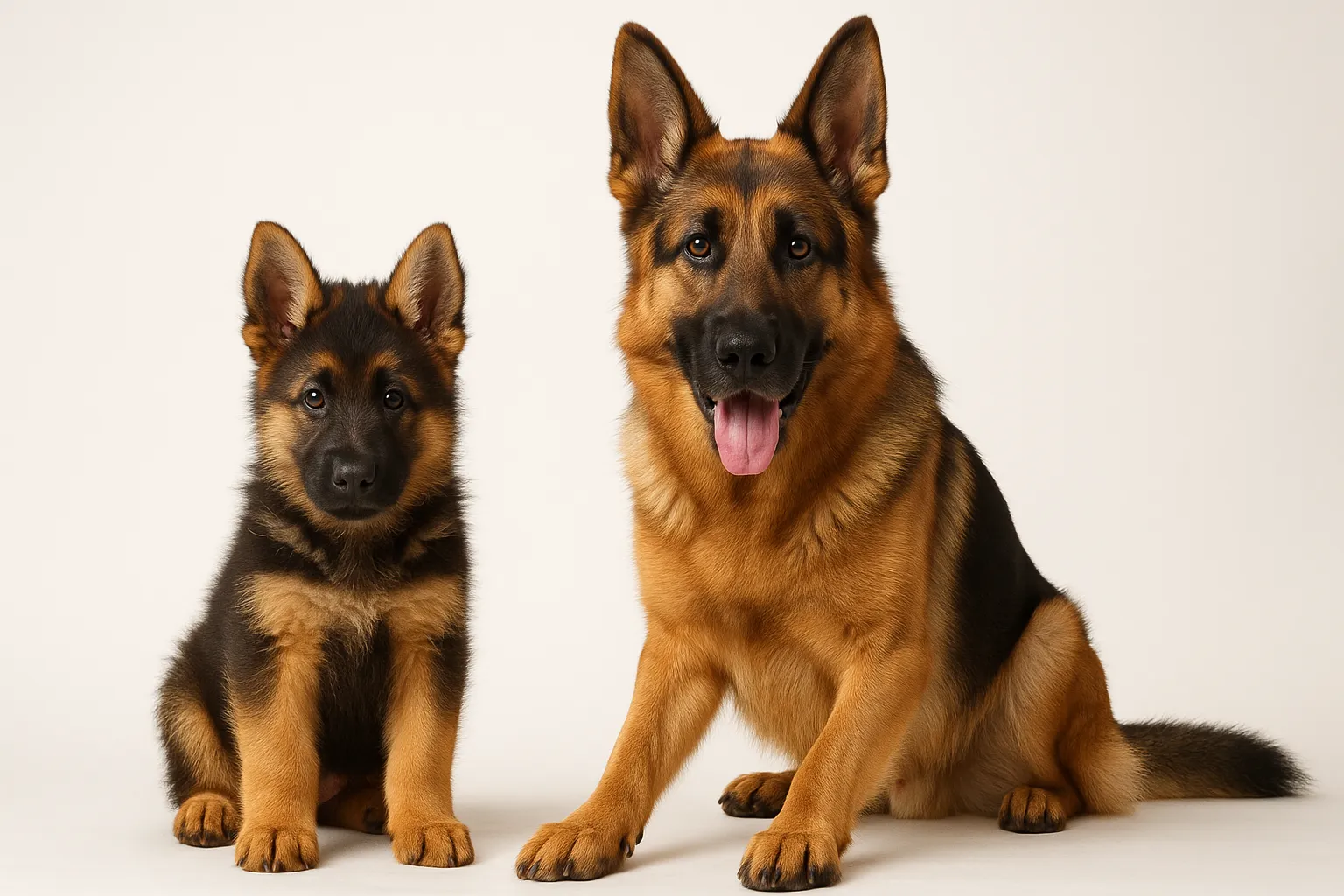
A 10-Year Clock Starts Ticking
Your German Shepherd will likely share your life for about a decade. That feels too short for a dog this loyal, this smart, this deeply woven into your daily routine. Their typical lifespan falls between 9 and 13 years, with the average landing around 10-11 — shorter than the all-breed average because larger dogs produce more IGF-1, a growth hormone that accelerates cellular aging.
A 2024 study published in Scientific Reports analyzing over 580,000 dogs confirmed a median lifespan of approximately 10.2 years for the breed. Females tend to outlive males by a small margin. Those numbers are not a ceiling. They are a starting point — and the choices you make in nutrition, screening, and daily management can shift the curve.
Why the Breed Ages Faster Than Most
Size is the primary driver. Dogs over 50 lbs consistently show shorter lifespans across every major canine longevity study. Elevated IGF-1 fuels growth in puppyhood but keeps pushing cellular wear long after a dog stops growing. This is the same pathway that Loyal’s LOY-001 drug aims to interrupt.
Selective breeding has compounded the problem. Decades of selecting for the dramatic sloped back seen in show lines increased the prevalence of musculoskeletal disease. Working-line German Shepherds, which retain a straighter topline, tend to have fewer orthopedic issues. The breed also carries a high incidence of certain cancers — particularly hemangiosarcoma — which accounts for a significant share of deaths.
The Health Conditions That Matter Most
Hip Dysplasia: The Breed’s Signature Risk
One in five German Shepherds evaluated by the Orthopedic Foundation for Animals (OFA) shows evidence of hip dysplasia. That makes this breed one of the most affected in the registry.
The condition starts with abnormal hip joint development and progresses into chronic arthritis, pain, and mobility loss. Early signs are easy to miss: slight hesitation on stairs, difficulty rising after rest, a subtle “bunny hopping” gait during play. Weight control alone can reduce hip dysplasia risk by up to 50%. Beyond that, avoid repetitive high-impact activity before 12-18 months and screen breeding stock through OFA or PennHIP evaluations.
Degenerative Myelopathy: A Slow-Moving Crisis
Degenerative myelopathy (DM) is a progressive spinal cord disease that gradually destroys hind limb function and eventually leads to paralysis. German Shepherds carry one of the highest rates of the SOD1 gene mutation responsible for DM. Symptoms typically surface after age 8. There is no cure.
Physical therapy and structured exercise can slow progression, but the window for meaningful intervention narrows quickly once symptoms appear. The SOD1 mutation is testable, and responsible breeders screen for it. If you are bringing a puppy home, ask for proof.
Bloat (GDV): Minutes Matter
Gastric dilatation-volvulus is a life-threatening emergency in which the stomach fills with gas and rotates on itself. German Shepherds rank among the highest-risk breeds because of their deep, narrow chest.
You can lower the odds: feed two or three smaller meals instead of one large one, avoid hard exercise within an hour of eating, and talk to your vet about prophylactic gastropexy — a surgical procedure that tacks the stomach in place to prevent twisting. Know the signs — restlessness, unproductive retching, rigid abdomen — and treat every episode as a race to the emergency clinic.
Cancer: The Invisible Threat
Cancer is a leading killer in this breed. Hemangiosarcoma (spleen and heart) and osteosarcoma (bone) are the most common types. The Morris Animal Foundation’s Golden Retriever Lifetime Study and the Dog Aging Project continue to investigate genetic and environmental risk factors across breeds.
Prevention science is still evolving. What you can control today: maintain a healthy weight, minimize environmental toxin exposure, and keep up with regular veterinary screenings for early detection.
Arthritis: Almost Inevitable Without Intervention
Over 60% of large-breed dogs develop some degree of osteoarthritis. For a breed already predisposed to hip dysplasia, arthritis is less a question of “if” and more a question of “when and how severe.”
If your Shepherd is stiffening up after naps or slowing down on walks, the joint is already talking. Evidence-based support includes omega-3 fatty acids (EPA and DHA from fish oil, dosed at 50-100mg combined EPA/DHA per kg body weight), glucosamine and chondroitin supplementation, and — above all — keeping body weight lean.
What Actually Extends a German Shepherd’s Life
Keep Them Lean — This Is the Highest-Return Move
A landmark 14-year Purina study demonstrated that Labrador Retrievers kept at lean body weight lived a median of 1.8 years longer than their overweight counterparts. The same principle holds for German Shepherds.
Your dog should have a visible waist from above and ribs you can easily feel but not prominently see. If they are carrying extra weight, even a 10% reduction can measurably improve joint health and mobility.
Build an Exercise Routine That Lasts
German Shepherds are working dogs built for sustained effort. Aim for 60-90 minutes of daily activity that combines walking, running, swimming, and mental challenges like training sessions or puzzle toys.
Swimming deserves special emphasis. It delivers serious cardiovascular work without joint impact. For dogs with existing joint issues, hydrotherapy can preserve muscle mass while sparing the skeleton.
One critical rule for puppies: avoid repetitive high-impact play (endless ball throwing, jumping) before 12 months. Growing joints cannot absorb that load safely.
Feed for Longevity, Not Convenience
Large-breed nutrition has specific requirements. Prioritize adequate animal-source protein (minimum 25% for adults), omega-3 fatty acids for joint and cognitive health, controlled calorie intake to prevent obesity, and appropriate calcium-to-phosphorus ratios during the growth phase. Research from the Dog Aging Project suggests that dogs fed a fresh or varied diet may show better health outcomes than those on exclusively processed kibble, though the data is still maturing.
Front-Load Preventive Veterinary Care
For German Shepherds, a robust prevention schedule includes annual or bi-annual veterinary exams, hip and elbow screening (OFA or PennHIP), SOD1 gene testing for degenerative myelopathy, regular dental cleanings (dental disease drives systemic inflammation), and baseline bloodwork starting at age 7 to catch kidney, liver, or thyroid issues early.
Year-round tick prevention is also essential. German Shepherds are susceptible to Lyme disease — a tick-borne infection that can cause joint swelling, lameness, and kidney damage if left untreated.
Protect the Mind, Not Just the Body
German Shepherds are among the most intelligent breeds. That intelligence needs feeding. Regular training sessions, puzzle feeders, scent work, and novel environmental experiences all help maintain neural pathways as a dog ages.
Research from the Dog Aging Project has shown that dogs with higher levels of social engagement and mental stimulation show fewer signs of cognitive decline. A bored Shepherd does not just misbehave — they decline faster.
The Three Highest-Return Actions
For most German Shepherd owners, these are the moves that shift the needle most:
- Prioritize early screening and rapid follow-up for hip dysplasia
- Keep body condition lean and activity structured to reduce cumulative disease load
- Create a yearly prevention plan focused on degenerative myelopathy and senior-stage monitoring
These priorities drive the highest return on your preventive care investment. Revisit them seasonally and let your vet know you are tracking these specifically. Use Hip Dysplasia and Degenerative Myelopathy as your reference.
Body Composition: The Longevity Predictor You Can Control
For German Shepherds, body composition predicts long-term function more reliably than almost any other single factor. Joint load and metabolic strain escalate quickly when weight drifts in a large breed, and prevention has to stay ahead of the curve.
This is a herding breed built for sustained movement. That movement demands a stable muscle-to-fat ratio. When muscle mass drops and fat creeps up, joints pay the price first — and the cascade from there is hard to reverse.
Building a Condition-Focused Prevention Stack
Hip dysplasia, degenerative myelopathy, arthritis, and age-associated decline are the highest-yield clinical targets for this breed. Build your prevention strategy around three pillars: early screening, fast treatment escalation when something surfaces, and disciplined adherence to long-term management plans.
Do not wait for a crisis to justify the next step. Screen proactively and act on trends.
Stress, Routine, and Recovery Quality
Daily routine quality directly shapes how German Shepherds age. Unpredictable schedules and insufficient mental work often surface as behavior drift, sleep disruption, or slow recovery — warning signs that show up well before physical decline becomes obvious.
If your dog’s post-exercise recovery is stretching from hours to a full day, or their sleep is fragmenting, treat that as a signal worth investigating.
Screening Cadence: Do Not Wait for a Crisis
Routine screening intervals tied to orthopedic function and gait quality catch subtle drift before it compounds into serious disease burden. The goal is structured surveillance, not crisis-driven appointments.
Annual exams are a minimum. For a breed with this risk profile, bi-annual checks after age 7 are worth the investment.
Research That Informs Your Plan
Use these evidence deep dives to add mechanism-level context to your German Shepherd longevity strategy:
- Arthritis Pain Stack for Dogs: Mobility-First Framework: joint-protective exercise programming and screening protocols for orthopedic management.
- Muscle and Mobility Longevity Protocol for Aging Dogs: neurological monitoring and mobility support for progressive spinal cord disease.
- Senior Dog Screening Protocol: What to Test and When: evidence-based framework for structuring your breed-specific screening timeline.
Genetic Testing: A Map, Not a Diagnosis
Genetic test results should sharpen your monitoring strategy, not replace it. Use them to tighten surveillance windows and calibrate when to intervene. Key panels for this breed include MDR1 gene testing (which guides medication safety) and hip and elbow scoring via OFA or PennHIP.
- Target your testing to the conditions this breed actually gets. Then track findings over time — a genetic predisposition only matters when clinical evidence starts to confirm it.
- Tie the first monitoring plan to Hip Dysplasia and Degenerative Myelopathy so test results actually change what you do next.
- Consolidate genetic panel results, bloodwork trends, and your own notes into a single timeline. The connection between a genetic predisposition and an emerging clinical finding only becomes obvious when you can see both at once.
- The value of genetic testing compounds over time. Each veterinary visit adds context that makes the original results more — not less — relevant to current decisions.
Measure to decide, not to collect. If a result does not change your monitoring cadence or intervention threshold, question whether you needed it.
How Breeding History Shapes Health Risk
The German Shepherd was bred for sustained movement, vigilance, and rapid decision-making under workload. That heritage directly informs today’s health risks and prevention strategy.
- The mechanical stress this breed’s frame sustains over a lifetime makes orthopedic surveillance a non-negotiable part of the prevention plan.
- Channel your prevention effort toward Hip Dysplasia, Degenerative Myelopathy, Arthritis, the conditions where this breed’s genetic and functional history creates the greatest vulnerability.
- Small, recurring changes are easier to dismiss than dramatic ones, but they are often more important. A pattern of minor drift is your earliest warning that something is shifting.
- Review your prevention plan at least quarterly. A plan that was right six months ago may no longer match your German Shepherd’s current trajectory.
Start with what the breed’s history predicts. Adjust based on what your German Shepherd’s body actually shows over time.
When to Screen, Test, and Reassess
- Puppy to 2 years: Protect joints during growth, track gait development, and establish baseline orthopedic notes.
- 3 to 6 years: Annual preventive labs with focused orthopedic and cardiac assessment.
- 7+ years: Increase screening cadence for mobility decline, cancer surveillance, and chronic disease trend detection.
The Long-Term Outlook
German Shepherds are a deeply rewarding breed with a complex health profile. Their moderate lifespan reflects the biological cost of large body size and generations of selective breeding. But these are not fixed outcomes. Proactive owners who focus on weight management, joint health, cancer awareness, and preventive veterinary care can meaningfully extend their Shepherd’s healthy years.
There is reason for optimism on the horizon. Loyal’s LOY-001 and LOY-003 programs, which specifically target large and giant breeds by addressing excess IGF-1 biology, are moving through FDA review. If a large-dog program is approved, German Shepherds sit squarely in the population owners will want to discuss with their veterinarians.
Subtle Warning Signs Most Owners Miss
Early disease progression in German Shepherds usually presents as low-grade changes that get chalked up to “just getting older”:
- Subtle hind-limb stiffness after rest, related to Hip Dysplasia, that owners dismiss as temporary soreness
- Mild rear-limb weakness that masks Degenerative Myelopathy progression — the dog still walks, just a little differently
- Gradual drift toward chronic Arthritis signs: persistent limping, reluctance to walk, quiet muscle loss
If baseline function has been drifting for 7-10 days, treat it as a prevention failure signal and get your dog reassessed.
Working-Line vs. Show-Line: Different Bodies, Different Risks
Not every German Shepherd ages the same way. Working-line dogs tend toward overuse injuries and chronic high-load strain. Show-line dogs more often present earlier orthopedic compromise related to conformation.
For practical prevention, track the strain pattern rather than the label. Repetitive high-impact load, reduced rear-end drive, or slower post-exercise recovery should trigger earlier orthopedic reassessment — regardless of bloodline.
How to Make Every Vet Visit Count
Walk into preventive visits with a focused agenda built from trend data, not memory:
- A 30-second gait video shot at home on flat ground.
- Monthly weight and body-condition trend data, not just today’s number.
- Notes on any changes in rear-limb strength, paw placement, or post-exercise stiffness.
- A simple list of appetite, stamina, and behavior shifts since the last visit.
This format sharpens the conversation and typically leads to earlier intervention for orthopedic and neurologic decline.
Mistakes Active Shepherd Owners Make
- Reading drive and willingness to work as proof of pain-free function. It is not. High-drive dogs mask pain until damage is advanced.
- Ramping up high-impact activity before recovery quality has normalized.
- Waiting for obvious lameness before reassessing hip or spinal burden.
- Treating bloat prevention as a feeding tip instead of an emergency-readiness plan.
The goal for this breed is controlled performance longevity, not maximal daily output.
Additional Relevant Condition Guides
These condition pages are also relevant for German Shepherd prevention planning:
Condition-Specific Monitoring Triggers
Each condition has specific early warning patterns. Use these as your decision framework:
- Hip Dysplasia: Film a short walking video monthly and compare over time. Escalate when you notice consistent gait changes, reluctance to exercise, or pain responses during movement.
- Degenerative Myelopathy: Track sleep-wake pattern, disorientation events, and behavior changes; escalate for sudden neurologic shifts or repeated episodes.
- Arthritis: Track daily mobility quality. If your dog consistently moves differently in the morning than the evening, or avoids activities they used to enjoy, investigate.
- Bloat (GDV): Track appetite, stool quality, and vomiting frequency; escalate for persistent GI signs or rapid weight change.
- Cancer: Monitor for the warning signs that owners most often miss: subtle appetite decline, gradual energy loss, unexplained lameness, or a mass that appears and grows over weeks.
- Heartworm Disease: Keep prevention on schedule without gaps. If you notice decreased exercise tolerance or persistent coughing, request a heartworm test regardless of prevention status.
- Lyme Disease: Track joint swelling, lameness, fever, and appetite loss after tick exposure; escalate for persistent lameness or lethargy.
12-Month Longevity Execution Plan
Use this quarterly framework to keep prevention proactive instead of reactive:
Quarter 1: Baseline and Risk Mapping
- Create measurable starting points: weigh your dog, film a walking gait video, and log daily energy and appetite for 14 days
- Align with your vet on which conditions deserve proactive monitoring and what timeline makes sense for each
- Set the feeding ground rules now: measured meals, treats under 10% of daily calories, and one designated feeder to prevent double-dosing
- Schedule baseline abdominal ultrasound and complete blood count for cancer surveillance
Quarter 2: Adherence and Early Drift Control
- Look at what worked and what slipped since Q1 — then adjust the plan to fit your actual routine rather than your ideal one
- Pay closer attention to any marker that moved since Q1 — early drift caught now is far cheaper to address than late drift caught at the annual exam
- Do not wait on changes in appetite, stamina, breathing patterns, mobility, or neurological function — report them promptly
- Record an updated walking video and review it against the Q1 baseline for any changes in symmetry, stride length, or hesitation
Quarter 3: Midyear Reassessment
- Review the year’s health trajectory at the midpoint and recalibrate your approach based on what the data actually shows
- Adjust your screening frequency based on what you have learned in the first six months — tighten intervals where risks are materializing
- Recalibrate exercise programming for seasonal changes and any shifts in your dog’s stamina, joint tolerance, or heat sensitivity
- Reassess joint supplement efficacy and adjust dosing or add modalities if stiffness persists
Quarter 4: Senior-Readiness Update
- Use the full year of trend data to design next year’s screening schedule — let the evidence lead, not assumptions
- Update your list of warning signs that trigger a vet call — make it more specific based on what you observed this year
- Create a documented handoff to next year: what to screen, when, and what signals should trigger earlier investigation
- Follow up on baseline cancer screening with a repeat ultrasound and blood panel to check for interval changes
- Schedule an end-of-year orthopedic evaluation and use the findings to calibrate next year’s activity plan
When to Seek Emergency Care
These signs warrant same-day veterinary evaluation:
- A dog that stops eating and simultaneously becomes lethargic is communicating something urgent
- Labored breathing, collapse, or any abrupt change in neurologic function — these are never safe to watch at home
- Unrelenting vomiting, abdominal tenderness, or any sudden change in abdominal shape or firmness
- Acute mobility loss — inability to stand, sudden severe lameness, or obvious pain during routine movement
- Unproductive retching, restlessness, and rigid abdomen (bloat emergency)
- Sudden abdominal distension, pale gums, or unexplained collapse (hemangiosarcoma warning)
This Year’s Prevention Priorities
These are the prevention priorities that matter most for your German Shepherd right now. Check in with your veterinarian each quarter and update the plan based on real trends, not assumptions.
- Prioritize early screening and rapid follow-up for hip dysplasia
- Keep body condition lean and activity structured to reduce cumulative disease load
- Create a yearly prevention plan focused on degenerative myelopathy and senior-stage monitoring
Home Tracking Dashboard
Track these markers monthly to catch subtle changes before they become urgent:
- Weight trajectory and body-condition score, noting any change from the previous month
- Daily food and water intake tracked alongside stool and urinary output for trend comparison
- Time from waking to moving normally, with attention to any favoring, hesitation, or unevenness in gait
- Activity willingness and post-exercise recovery
- How far and how willingly your dog exercises, and how quickly they recover afterward
- Nighttime sleep quality, daytime behavioral stability, and willingness to participate in normal household activity
- Condition-specific early drift markers tied to hip dysplasia, degenerative myelopathy, arthritis
Nutrition That Supports a Longer Life
German Shepherd nutrition should prioritize lean mass retention, GI stability, and strict calorie governance. Start with a structured baseline from Feeding Guide for Large Breeds, then layer in targeted support like Digestive Enzymes for Dogs only when it matches a clear clinical goal.
Inconsistent feeding routines and untracked treat calories are common drivers of orthopedic and metabolic drift in this breed. If you cannot account for every calorie going in, you cannot control what comes out the other side of the scale.
Frequently Asked Questions
What is the biggest preventable longevity error in German Shepherd homes? Allowing gradual weight gain and unstructured activity patterns to accumulate joint load before anyone notices the dog is declining. By the time the limp shows up, the damage has been building for months.
Should working-drive behavior be treated as proof of good orthopedic health? No. High-drive dogs routinely push through pain and compensate with altered movement patterns. A willing worker can still have advancing joint disease. Always verify with screening, not observation alone.
How early should I begin structured orthopedic tracking? During the growth phase and into early adulthood — well before any sign of lameness. Baseline data collected when the dog is healthy makes future changes easier to spot and faster to act on.
Can GI support supplements replace diagnostic workup in recurrent GI drift? No. Supplements are adjuncts, not substitutes. Persistent GI issues still require proper diagnostic evaluation to rule out underlying disease.
How often should a senior Shepherd be reassessed? More frequently as risk accumulates. Many seniors benefit from visits every 4-6 months rather than annually, particularly once mobility or cognitive changes appear.
References
[1] Scientific Reports dog lifespan dataset (2024) [2] Dog Aging Project [3] Effects of Diet Restriction on Life Span and Age-Related Changes in Dogs (Kealy et al., 2002) [4] Orthopedic Foundation for Animals (OFA) [5] WSAVA Global Nutrition Guidelines [6] Merck Veterinary Manual [7] AKC German Shepherd Dog Breed Information [8] OFA CHIC Program
Related reads
Related Reading
Continue exploring