Two Retrievers, One Concentrated Risk Profile
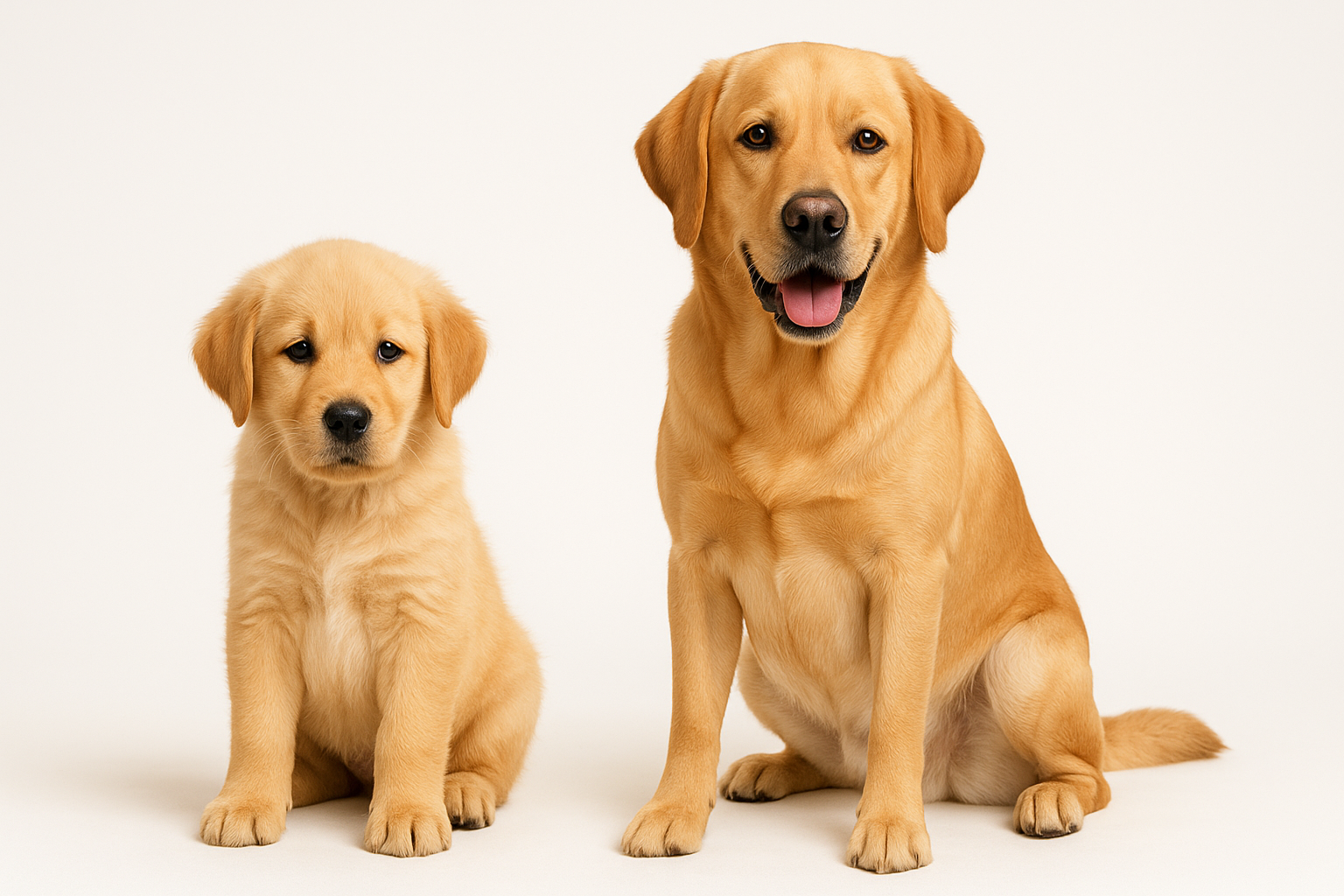
The Goldador is a cross between the two most popular retriever breeds in the world: the Golden Retriever and the Labrador Retriever. Both parents are beloved for their trainability, social temperament, and working ability. Both are also among the most extensively studied breeds in veterinary medicine, which means we know their health risks with unusual precision.
That precision reveals a critical reality: the Golden Retriever and Labrador Retriever share many of the same health vulnerabilities. Hip dysplasia, obesity, ear infections, and arthritis appear in both breed risk profiles. And the Golden Retriever’s staggering cancer burden, with approximately 60% of Golden Retrievers developing cancer during their lifetime, is not something any cross can reliably dilute.
The Goldador is a wonderful companion. It is also a dog whose longevity demands active, informed management rather than hope that hybrid vigor will handle things.
Where Hybrid Vigor Applies and Where It Does Not
The 2013 Bellumori et al. study in JAVMA found that purebreds were more likely to develop 10 of 24 genetic disorders compared to mixed-breed dogs. Hybrid vigor operates most strongly on recessive conditions requiring two copies of the same faulty gene. In a first-generation Goldador, crossing two genetically distinct retriever populations may reduce risk for some of these conditions.
But the conditions that most threaten Goldador longevity are not simple recessive disorders. Hip dysplasia is polygenic. Cancer involves complex interactions between multiple genes and environmental factors. Obesity is driven by a well-characterized POMC gene deletion that both parent breeds carry. For these conditions, crossing two breeds that share the same vulnerabilities provides little protective benefit.
The Goldador’s 10-14 year lifespan reflects this overlap. It sits within the range of both parent breeds (Golden Retriever: 10-12 years; Labrador Retriever: 11-13 years) rather than meaningfully exceeding it.
The Conditions That Define Goldador Health
Cancer: The Golden Retriever’s Shadow
Approximately 60% of Golden Retrievers will develop cancer during their lifetime, with hemangiosarcoma and lymphoma leading the list. The Morris Animal Foundation Golden Retriever Lifetime Study, tracking over 3,000 dogs, continues to map these risks and their genetic underpinnings.
Your Goldador may carry diluted versions of these genetic predispositions, but “diluted” does not mean “absent.” There is currently no reliable way to quantify how much cancer risk transferred from the Golden Retriever parent without breed-specific genetic panels that are still being developed.
The practical response is proactive surveillance:
- Monthly at-home mass checks starting at age 3 (as a habit) and with particular vigilance from age 6
- Annual abdominal ultrasound starting at age 6 to screen for splenic hemangiosarcoma
- Annual wellness bloodwork with CBC and chemistry panel
- Rapid follow-up on any unexplained appetite loss, weight loss, or energy decline
Learn the acute signs of hemangiosarcoma: sudden weakness, pale gums, distended abdomen, collapse. This is one of the fastest-moving canine cancers, and early recognition is the only factor you can control. See Cancer Prevention and Screening Stack and Canine Hemangiosarcoma Screening for structured surveillance protocols.
Hip Dysplasia and Arthritis
The Golden Retriever has an OFA hip dysplasia prevalence of roughly 20%. The Labrador Retriever sits at approximately 12%. The Goldador inherits risk from both directions, and at 55-80 lbs, this is a dog whose joints bear significant mechanical load every day.
Poorly formed hip joints create abnormal biomechanics that grind cartilage down over time, progressing to arthritis that can become debilitating by age 8-10. The Purina Lifetime Study showed lean dogs developed arthritis 1.8 years later than overweight counterparts, and lean dogs in the study lived a median of 1.8 years longer overall. In a breed averaging 10-14 years, that represents a meaningful extension of both comfort and life.
OFA or PennHIP evaluation before age 2 establishes a baseline. For dogs with documented dysplasia, the management protocol centers on:
- Lean body condition (BCS 4-5) maintained throughout life
- Low-impact exercise (swimming, moderate walking) over high-impact activity
- Glucosamine and chondroitin supplementation as part of a joint supplement stack
- Arthritis pain management when clinical signs emerge
Obesity: A Shared Genetic Weakness
Both the Golden Retriever and the Labrador Retriever carry documented POMC gene mutations that impair satiety signaling. Roughly 25% of Labrador Retrievers carry the deletion, and the mutation has been identified in Golden Retrievers as well. A Goldador may inherit this from either or both parents, producing a dog that genuinely cannot feel full regardless of how much it has eaten.
Obesity in the Goldador is not just a management issue. It is a force multiplier for every other condition on this list. Excess weight accelerates joint degeneration, increases cardiac workload, promotes chronic inflammation (which facilitates cancer progression), and directly shortens lifespan.
Measured meals twice daily, treats capped at 10% of total calories, and monthly body condition scoring are the foundation. Target a BCS of 4-5 on the 9-point scale. If you cannot easily feel ribs or see a defined waist, feeding adjustments should begin immediately. Use Feeding Guide for Large Breeds as your framework and shift to Weight Loss Feeding Protocol if weight trends upward.
Heart Disease
Both parent breeds contribute heart disease risk. Golden Retrievers carry elevated rates of subvalvular aortic stenosis (SAS), a congenital narrowing below the aortic valve. Labrador Retrievers carry risk for tricuspid valve dysplasia and age-related mitral valve disease.
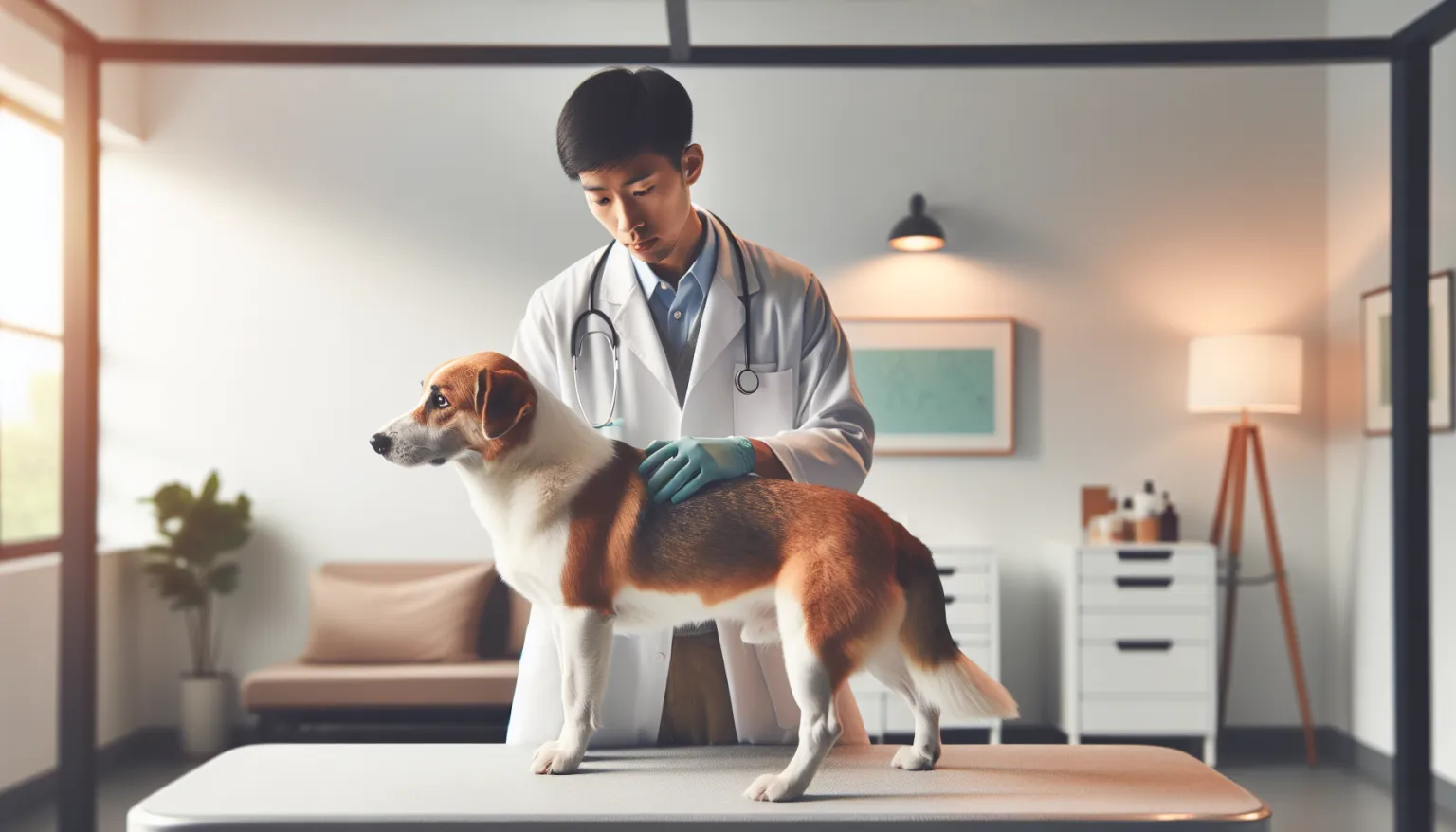
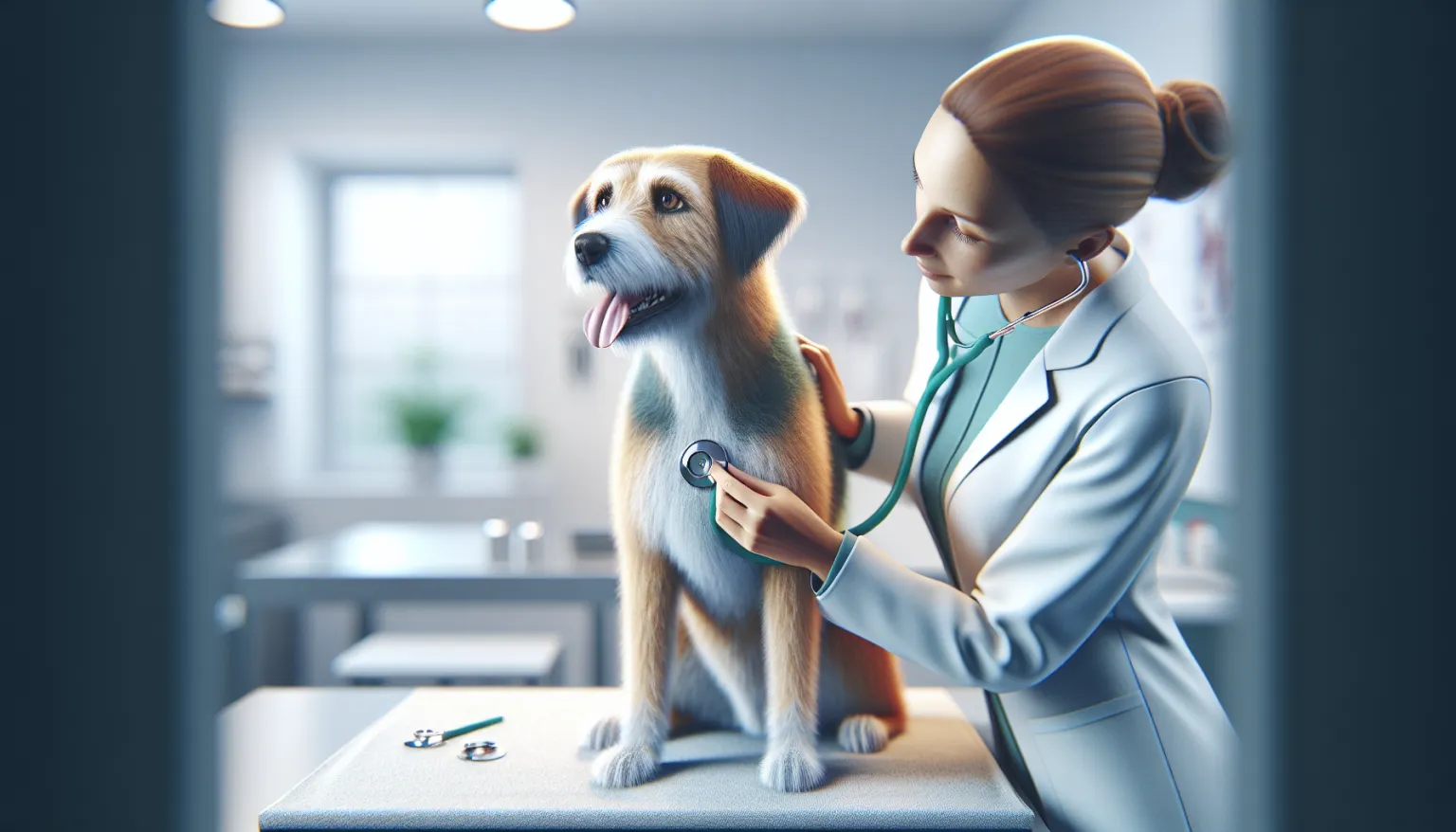
Cardiac auscultation should be part of every routine exam. Any murmur detected, even if subtle, warrants echocardiographic evaluation to determine the specific lesion and guide monitoring or treatment. Resting respiratory rate monitoring at home (count breaths during sleep; consistently above 30 warrants a veterinary call) provides early warning of developing cardiac insufficiency.
Ear Infections
Both parent breeds have floppy ears that restrict airflow to the ear canal, creating the warm, moist conditions that yeast and bacteria thrive in. Ear infections are among the most common veterinary visits for both Golden Retrievers and Labrador Retrievers, and the Goldador inherits this predisposition fully.
Weekly ear cleaning, thorough drying after swimming or bathing, and prompt treatment of active infections convert this from a chronic management burden into a preventable condition.
Nutrition for the Goldador
The Goldador needs a high-quality, portion-controlled diet that accounts for both its energy needs and its genetic tendency toward overconsumption. Free-feeding is incompatible with this breed. Measured meals twice daily, using a standard measuring cup or kitchen scale, are essential.
Omega-3 supplementation at approximately 75 mg EPA+DHA per kg of body weight addresses multiple Goldador vulnerabilities simultaneously: joint inflammation, skin health, and cardiovascular support.
For dogs over age 6, discuss whether antioxidant-rich foods or supplements (blueberries, turmeric, vitamin E) have a place in the diet. While evidence for cancer prevention through diet remains limited in dogs, reducing systemic inflammation through dietary choices is a reasonable adjunct strategy.
Exercise for the Retriever Body
Goldadors are athletic dogs bred from working lines on both sides. They need 60-90 minutes of daily exercise, and they genuinely enjoy physical activity when it is provided. Swimming is the ideal exercise: it builds cardiovascular fitness and muscle strength with zero joint impact, and most Goldadors take to water eagerly.
Walking on varied terrain, moderate fetch on soft ground, and structured retrieval work round out the exercise menu. Avoid repetitive high-impact activities (sustained ball-launching on pavement, aggressive jumping) in dogs under 18 months or in dogs with documented joint disease.
Mental enrichment matters too. Puzzle feeders, scent work, and training sessions satisfy the working-breed drive and help manage the food obsession that many Goldadors exhibit.
Preventive Screening Timeline
- Puppy to 18 months: Growth-rate monitoring, joint-safe exercise, baseline hip/elbow evaluation. Establish ear care routine. Cardiac auscultation at each puppy visit.
- 2 to 5 years: Annual wellness exam with hip reassessment, cardiac auscultation, eye exam, ear health check, and body condition scoring. Baseline bloodwork by age 3.
- 6 to 9 years: Add abdominal ultrasound for hemangiosarcoma screening. Monthly at-home mass checks. Increase monitoring for appetite changes, energy trends, and weight drift. Annual senior bloodwork.
- 10+ years: Twice-yearly exams. Comprehensive senior panel. Mobility and pain assessment. Cardiac imaging. Cognitive function screening.
Breed-Specific Research
These resources provide deeper context for Goldador health management:
- Breed-Specific Cancer Research Summary: Golden Retriever cancer data and implications for crosses.
- Canine Hemangiosarcoma Screening: structured surveillance for the cancer most likely to strike without warning.
- Arthritis Pain Management Stack for Dogs: joint-protective conditioning and multimodal pain management.
Condition-Specific Monitoring Triggers
These signals should prompt veterinary evaluation rather than continued observation:
- Hip Dysplasia: Bunny-hopping gait, reluctance to climb stairs, stiffness after rest, audible clicking, or difficulty rising.
- Cancer: Unexplained weight loss, new lumps that grow over weeks, decreased appetite with concurrent lethargy, sudden collapse, pale gums.
- Obesity: Ribs no longer easily palpable, loss of waist tuck, weight trending upward despite unchanged feeding.
- Ear Infections: Head shaking, odor from ear canals, dark discharge, scratching at ears, or head tilt.
- Heart Disease: Coughing after exertion, exercise intolerance, restlessness at night, resting respiratory rate consistently above 30 breaths per minute.
- Arthritis: Gradual decline in walk enthusiasm, slower to rise, avoiding previously enjoyed activities, behavioral changes around stairs.
12-Month Longevity Execution Plan
Quarter 1: Baseline and Risk Mapping
- Document starting weight, body condition score, and gait quality with video
- Complete hip radiographic evaluation (OFA or PennHIP) if not already done
- Establish feeding protocol: measured meals, treat budget, single designated feeder
- Complete baseline bloodwork, cardiac auscultation, and ear health assessment
- Begin monthly at-home mass checks (photograph and measure any lumps)
Quarter 2: Adherence and Early Detection
- Compare current weight and gait video against Q1 baselines
- Audit feeding compliance: is the calorie budget being respected, including treats?
- Monitor ear health: are weekly cleanings happening consistently?
- Report any new lumps, appetite changes, or energy shifts to your veterinarian
Quarter 3: Midyear Reassessment
- Review six months of weight, mobility, and health data
- Adjust exercise intensity for seasonal conditions and joint tolerance
- Cardiac auscultation if any murmur was previously detected
- Reassess skin and ear management protocols
Quarter 4: Annual Review and Forward Planning
- Comprehensive wellness exam with full bloodwork
- Schedule abdominal ultrasound if dog is 6+ (cancer screening)
- Complete year-end mobility assessment: joint range of motion, gait symmetry
- Use full-year trend data to build next year’s screening schedule
When to Seek Emergency Care
Do not wait on any of the following:
- Sudden weakness, pale gums, or abdominal distension (potential hemangiosarcoma)
- Collapse during or after exercise
- Unproductive retching with abdominal rigidity (bloat, possible in deep-chested Goldadors)
- New mass that grows rapidly over days
- Respiratory distress or sustained resting respiratory rate above 40 breaths per minute
- Complete food refusal lasting more than 24 hours with concurrent lethargy
Home Tracking Dashboard
Monitor these markers monthly to catch drift before it compounds:
- Weight and body condition score with rib palpation
- New lumps or masses: measure, photograph, and date each one
- Ear health: odor, discharge, head shaking frequency
- Gait quality on all four limbs, especially after rest
- Appetite consistency, water intake, stool quality
- Energy level and exercise recovery time
- Resting respiratory rate during sleep
- Behavioral consistency and sleep quality
Frequently Asked Questions
How long do Goldadors typically live? Goldadors average 10-14 years, within the range of both parent breeds. The Golden Retriever’s cancer burden keeps the lower end of the range at 10, while proactive health management can push toward 13-14 years in dogs that avoid major disease.
Is the Goldador at high risk for cancer? Yes. The Golden Retriever parent carries a 60% lifetime cancer rate, with hemangiosarcoma and lymphoma leading the list. While the Labrador cross may dilute some genetic cancer risk, there is no way to quantify the degree of dilution without breed-specific genetic panels. Treat your Goldador as though it carries elevated cancer risk and screen accordingly.
Why is my Goldador always hungry? Both parent breeds carry POMC gene mutations that impair the brain’s ability to register fullness. This is a documented genetic condition, not a behavioral problem. Strict portion control with measured meals and a defined treat budget is the only effective management strategy.
When should cancer screening start for a Goldador? Monthly at-home mass checks should begin early as a habit. For clinical screening, discuss adding abdominal ultrasound to annual exams starting at age 6. Any unexplained weight loss, new growing lumps, or sudden energy decline at any age warrants prompt veterinary evaluation.
What is the best exercise for a Goldador? Swimming is ideal: both parent breeds have water affinity, and swimming provides cardiovascular conditioning and muscle strengthening with zero joint impact. Supplement with walking on varied terrain and moderate fetch on soft ground. Avoid sustained high-impact exercise in dogs with documented joint disease.
Should I get my Goldador’s hips evaluated even without symptoms? Yes. Both parent breeds carry documented hip dysplasia prevalence (Golden Retriever ~20%, Labrador Retriever ~12%). OFA or PennHIP evaluation before age 2 establishes a baseline that guides exercise selection and weight management decisions for the rest of the dog’s life.
How do I manage my Goldador’s ear infections? Weekly cleaning with a veterinary-approved ear cleanser, thorough drying after all water exposure, and prompt treatment of active infections. Both parent breeds have floppy ears that trap moisture, making ear care a consistent management requirement rather than an occasional task.
References
[1] Morris Animal Foundation Golden Retriever Lifetime Study [2] Prevalence of inherited disorders among mixed-breed and purebred dogs (Bellumori et al., JAVMA, 2013) [3] Effects of Diet Restriction on Life Span and Age-Related Changes in Dogs (Kealy et al., 2002) [4] Life expectancy, mortality, and longevity in companion dogs (Scientific Reports, 2024) [5] Orthopedic Foundation for Animals (OFA) [6] Merck Veterinary Manual [7] AAHA Canine Life Stage Guidelines
This content is for informational purposes only and does not constitute veterinary advice. Always consult a licensed veterinarian for decisions about your dog’s health, diagnosis, and treatment.
Related reads
Related Reading
Continue exploring