Evidence deep dives for Hypothermia
Pair mechanism-level evidence with practical protocol context before discussing next steps with your veterinarian.
When Body Temperature Falls Below the Safety Threshold
A normal dog’s body temperature ranges from 101 to 102.5 degrees F (38.3 to 39.2 degrees C). When the body loses heat faster than it can generate it, core temperature drops below this range, and the cascade of hypothermia begins.
Mild hypothermia may look like nothing more than shivering and reluctance to move. Severe hypothermia is a medical emergency where organ systems begin to fail, the heart develops life-threatening arrhythmias, and death becomes a real possibility without intervention.
What makes hypothermia particularly dangerous is how silently it progresses. Shivering is the body’s first defense against cold, generating heat through rapid muscle contraction. But shivering stops when core temperature drops below approximately 90 degrees F (32.2 degrees C), not because the dog is warming up, but because the body’s thermoregulatory mechanisms are failing. At that point, the dog appears calm and may seem comfortable. They are not. They are in serious trouble.
How Dogs Lose Heat
Dogs lose body heat through four physical mechanisms:
- Radiation: Heat radiates from the body surface to cooler surroundings. Dogs with thin coats, low body fat, and high surface-area-to-mass ratios (toy breeds) lose heat by radiation faster
- Conduction: Direct contact with cold surfaces (ice, snow, cold floors, wet ground, cold water). Heat transfers from the warmer body to the cooler surface
- Convection: Moving air (wind) strips the warm air layer from the body surface, accelerating heat loss. Wind chill significantly increases hypothermia risk
- Evaporation: Wet fur dramatically increases heat loss. A wet dog loses body heat up to 25 times faster than a dry dog at the same ambient temperature
Understanding these mechanisms explains why a small, short-coated dog standing on frozen ground in wind and rain is at extreme risk even at temperatures that a thick-coated breed would tolerate easily.
Signs and Symptoms by Severity
Mild Hypothermia (90-99 degrees F / 32-37 degrees C)
- Shivering (the body’s primary heat-generating response)
- Cold ears, paws, and tail
- Piloerection (hair standing on end to trap insulating air)
- Reluctance to move, seeking warm spots
- Slight lethargy
- Increased heart rate (the cardiovascular system is compensating)
- Pale or blue-tinged gums in some cases
Moderate Hypothermia (82-90 degrees F / 28-32 degrees C)
- Shivering becomes violent, then may cease (a dangerous sign)
- Marked muscle stiffness
- Low heart rate (bradycardia)
- Slow, shallow breathing
- Depressed mental state (slow responses, disorientation)
- Dilated pupils with sluggish light response
- Low blood pressure
Severe Hypothermia (Below 82 degrees F / 28 degrees C)
- Absence of shivering
- Profound lethargy progressing to unconsciousness
- Fixed, dilated pupils
- Barely detectable heartbeat (severe bradycardia)
- Very slow or absent respiratory effort
- Muscle rigidity
- Cardiac arrhythmias (ventricular fibrillation, the most common terminal event)
- Apparent death (the dog may appear dead but may still be resuscitable)
A critical principle in hypothermia: a dog is not dead until warm and dead. Severe hypothermia can produce a state that mimics death (no palpable pulse, no visible breathing, fixed pupils), but the cold simultaneously protects the brain and organs by reducing metabolic demand. Dogs have been successfully resuscitated from core temperatures as low as 59 degrees F (15 degrees C).
Risk Factors
Breed and Body Type
Body size, coat type, and body composition are the primary determinants of cold vulnerability:
Highest-risk breeds:
- Chihuahua — extremely small body mass, thin coat, minimal body fat, very high surface-area-to-mass ratio
- Italian Greyhound — thin coat, lean body, virtually no subcutaneous fat, long limbs that radiate heat
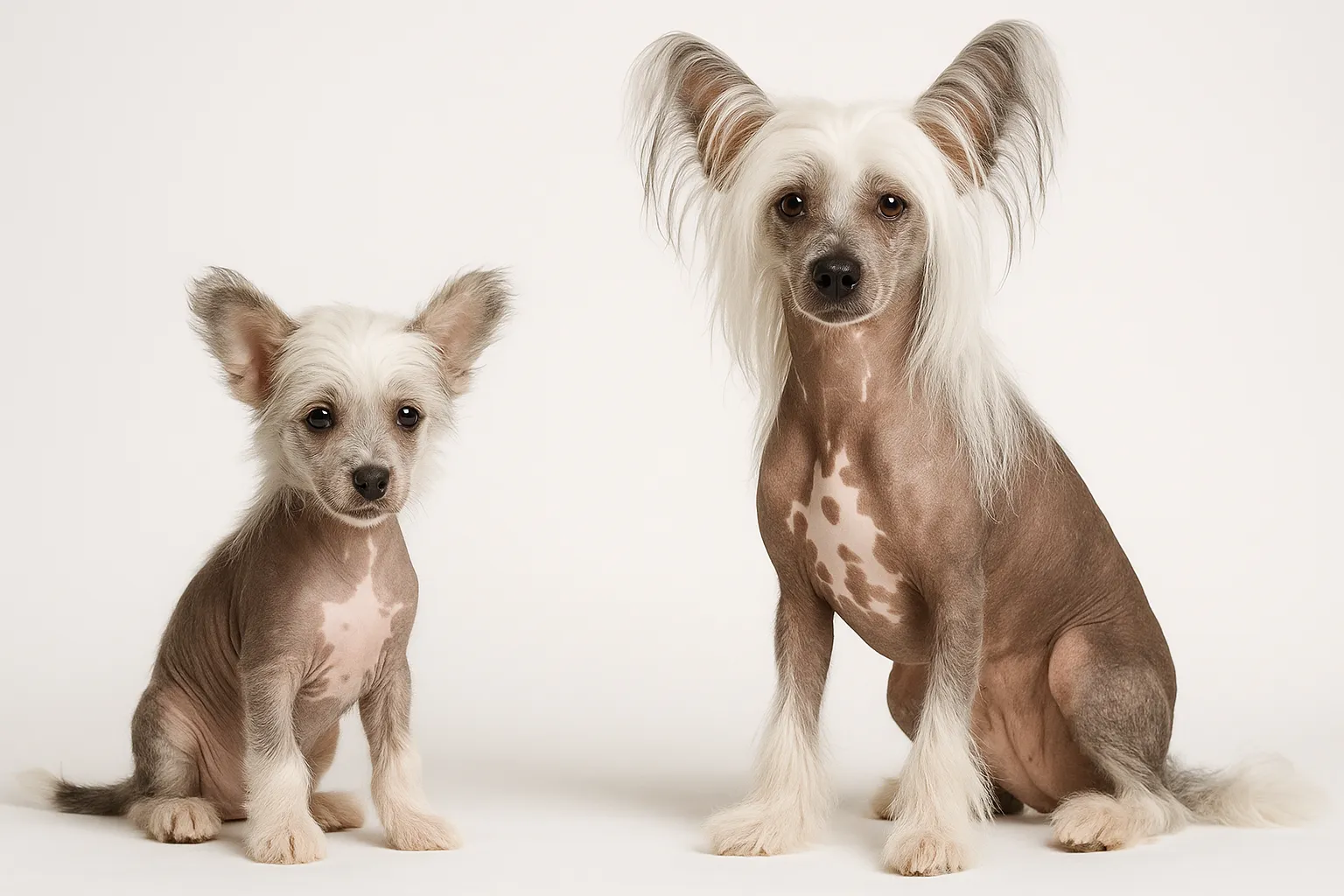
- Chinese Crested — hairless or partially hairless, minimal insulation
- Miniature Pinscher — small body, short coat
- Whippet — thin coat, lean body
- Yorkshire Terrier — very small body mass
- Greyhound — extremely lean, thin coat, minimal body fat despite large size
- French Bulldog — short coat, brachycephalic breeds may have impaired thermoregulation
Cold-tolerant breeds (lowest risk but not immune):
- Siberian Husky — dense double coat, evolved for arctic conditions
- Alaskan Malamute — thick insulating coat and cold-adapted physiology
- Bernese Mountain Dog — dense coat, alpine heritage
- Newfoundland — water-resistant double coat, cold-adapted
- Saint Bernard — thick coat, large body mass
Age and Health Status
- Neonatal puppies: Cannot regulate body temperature effectively for the first 2-3 weeks of life. Neonatal hypothermia is a leading cause of puppy mortality
- Puppies under 6 months: Developing thermoregulatory systems
- Senior dogs: Reduced metabolic rate, decreased muscle mass, and often impaired thermoregulation
- Dogs with hypothyroidism: Reduced metabolic rate impairs heat generation
- Dogs with diabetes: Metabolic dysfunction affects thermoregulation
- Very thin or malnourished dogs: Insufficient body fat and muscle mass for insulation and heat generation
- Injured or traumatized dogs: Shock and blood loss compromise thermoregulation
- Dogs under anesthesia: Anesthetic drugs impair thermoregulatory mechanisms, making perioperative hypothermia common
Environmental Factors
- Ambient temperature below 45 degrees F (7 degrees C) for small/thin-coated breeds
- Wind chill (wind dramatically increases effective cold exposure)
- Wet conditions (rain, snow, swimming in cold water)
- Prolonged outdoor exposure without shelter
- Falling through ice into cold water
- Indoor exposure in unheated spaces during winter
Emergency Response
First Aid Before Reaching a Veterinarian
If you suspect your dog is hypothermic:
- Move the dog indoors or to a warm, sheltered area immediately
- Remove wet material: If the dog is wet, towel dry gently but thoroughly. A wet coat provides no insulation
- Wrap in warm blankets: Use whatever warm, dry material is available. Place blankets under and around the dog, not just on top
- Provide gentle external heat:
- Warm (not hot) water bottles wrapped in towels placed against the chest, armpits, and groin (areas where major blood vessels run close to the surface)
- Heating pads on low setting with a towel between the pad and the dog (direct contact with heating pads can burn hypothermic skin, which has reduced circulation)
- Body heat (hold the dog against your body under a blanket)
- Do NOT use hot water, hair dryers on high heat, or place the dog directly against a heat source: Rapid external warming of the skin surface can cause vasodilation, directing cold peripheral blood to the core and paradoxically dropping core temperature further (afterdrop). Warming should be gradual
- Warm fluids: If the dog is conscious and able to swallow, offer warm (not hot) water or broth
- Transport to a veterinarian for all cases of moderate to severe hypothermia
Veterinary Treatment
Mild hypothermia: External rewarming with warm blankets, forced-air warming blankets (Bair Hugger), and warm IV fluids may be sufficient. Monitor core temperature continuously with a rectal or esophageal thermometer.
Moderate to severe hypothermia: Requires more aggressive rewarming techniques:
- Warm intravenous fluids: Crystalloid fluids warmed to 100-104 degrees F (37.8-40 degrees C) delivered intravenously provide core rewarming
- Warm water lavage: Warmed fluids instilled into the stomach, bladder, or peritoneal cavity for direct core rewarming (in severe cases)
- Forced-air warming: External convective warming using inflatable warming blankets
- Warm humidified oxygen: Delivers warmth to the respiratory tract
- Cardiac monitoring: Continuous ECG monitoring is critical because hypothermic hearts are prone to ventricular fibrillation, particularly during rewarming
- Blood pressure support: Hypothermia causes vasodilation during rewarming; IV fluids maintain blood pressure
- Blood glucose monitoring: Hypothermia depletes glucose stores
Rewarming rate: The target is a gradual increase of 1-2 degrees F (0.5-1 degree C) per hour. Rapid rewarming risks cardiac arrhythmias, afterdrop (see above), and reperfusion injury.
Prevention
Hypothermia is one of the most preventable emergencies in veterinary medicine:
- Know your dog’s cold tolerance: A Husky and a Chihuahua require fundamentally different cold-weather management. Assess risk based on your dog’s coat type, body size, body condition, age, and health status
- Limit outdoor exposure in cold weather: For high-risk breeds, outdoor time in sub-40 degrees F (4.4 degrees C) weather should be brief and supervised
- Use protective clothing: Dog coats, sweaters, and booties are not fashion accessories for thin-coated and small breeds; they are functional cold-weather equipment
- Provide adequate shelter: Dogs that spend time outdoors must have access to insulated, wind-proof shelter with dry bedding
- Dry wet dogs promptly: After swimming, rain exposure, or bathing, towel dry and bring indoors
- Monitor puppies and senior dogs closely: Both age groups have impaired thermoregulation and need closer supervision in cold conditions
- Be cautious on ice: Dogs that fall through ice into cold water face rapid, severe hypothermia
- Keep neonatal puppies warm: Maintain whelping area temperature at 85-90 degrees F (29-32 degrees C) for the first week, gradually reducing to 75 degrees F (24 degrees C) by week 4
Cold Weather Exercise Guidelines
Even cold-tolerant breeds need sensible cold-weather exercise management:
- Watch for signs of cold intolerance: shivering, lifting paws, reluctance to continue, hunched posture, seeking shelter
- Keep walks shorter in extreme cold, especially for small, thin-coated, young, or old dogs
- Avoid prolonged standing still in cold conditions (moving generates heat; standing still does not)
- Check paws regularly for ice ball accumulation between toes (painful and reduces insulation)
- Use pet-safe ice melt on your property to reduce paw pad irritation
- Avoid antifreeze puddles (ethylene glycol is sweet-tasting and highly toxic)
Related Condition Pathways
Related Breed Longevity Guides
When to Seek Veterinary Care
Monitor at home only for:
- Mild shivering that resolves within 15-20 minutes of bringing the dog indoors and warming them
- Dog returns to normal behavior, eating, and activity promptly
Seek veterinary care immediately for:
- Shivering that does not resolve within 20-30 minutes of warming
- Lethargy, disorientation, or depressed mental state
- Muscle stiffness or difficulty walking
- Cessation of shivering in a dog that is still cold (indicating worsening hypothermia)
- Any dog that was submerged in cold water
- Neonatal puppies that feel cold and are not nursing
- Known prolonged cold exposure in a high-risk breed or age group
- Pale, blue, or gray gums
Hypothermia is a medical emergency. Moderate to severe hypothermia requires veterinary intervention for safe rewarming and cardiac monitoring. Do not assume a cold, unresponsive dog is dead; begin warming and transport to an emergency veterinarian immediately.
Frequently Asked Questions
What temperature is too cold for my dog? There is no single answer because cold tolerance varies dramatically by breed, coat, size, and body condition. As a general guide: most dogs are comfortable above 45 degrees F (7 degrees C). Between 20-45 degrees F (-7 to 7 degrees C), small, thin-coated, young, old, or ill dogs need protection. Below 20 degrees F (-7 degrees C), all dogs are at some risk, and high-risk breeds should have only brief outdoor exposure.
Does my dog need a coat in winter? Dogs with thin single coats, low body fat, small body mass, or hairless breeds benefit significantly from protective clothing in cold weather. Chihuahuas, Italian Greyhounds, Whippets, Chinese Cresteds, and similar breeds should wear insulated coats when outdoor temperatures drop below 45 degrees F. Thick double-coated breeds like Huskies and Malamutes generally do not need coats.
Can dogs get frostbite? Yes. Frostbite affects extremities with limited blood flow: ear tips, tail tip, scrotum, and paw pads. Frostbitten tissue appears pale or gray initially, then becomes red, swollen, and painful as it thaws. Severe frostbite causes tissue death (necrosis). Frostbite and hypothermia often occur together.
How can I tell if my dog is cold? Common signs include shivering, hunched posture, lifting paws off the ground, reluctance to walk further, seeking shelter or warmth, tucking the tail, and whimpering. Some dogs will curl into a tight ball to conserve heat. If your dog shows any of these signs, bring them indoors and warm them.
Is it safe to leave my dog outside in winter? This depends entirely on the breed, the conditions, and the available shelter. Cold-adapted breeds with thick coats can tolerate cold weather if they have insulated, wind-proof shelter, dry bedding, unfrozen water, and adequate nutrition (cold weather increases caloric needs). Toy breeds, thin-coated breeds, puppies, and senior dogs should not be left outside in cold weather for extended periods under any circumstances.
My dog was shivering but stopped. Is that good? Not necessarily. If the dog stopped shivering because they are warm, comfortable, and active, that is normal. If the dog stopped shivering but still feels cold, is lethargic, or is in a cold environment, the cessation of shivering may indicate that hypothermia is worsening, as the body’s thermoregulatory mechanisms are failing. This is a warning sign that requires immediate warming and veterinary attention.
Medical Disclaimer
This guide is informational and does not replace in-person veterinary diagnosis or treatment. Hypothermia is a medical emergency that can cause organ failure and death. If your dog shows signs of moderate to severe hypothermia (cessation of shivering, lethargy, stiffness, loss of consciousness), begin gentle warming and seek emergency veterinary care immediately. Do not assume a cold, unresponsive dog cannot be saved.
References
[1] Armstrong SR, Roberts BK, Aronsohn M. “Perioperative hypothermia.” J Vet Emerg Crit Care. 2005;15(1):32-37. [2] Brodeur A, Wright A, Bhatt P. “Hypothermia and targeted temperature management in cats and dogs.” J Vet Emerg Crit Care. 2017;27(2):151-163. [3] Oncken A, Kirby R, Rudloff E. “Hypothermia in critically ill dogs and cats.” Compend Contin Educ Pract Vet. 2001;23(6):506-521. [4] Gordon L, Paal P, Ellerton JA, et al. “Delayed and intermittent CPR for severe accidental hypothermia.” Resuscitation. 2015;90:46-49. [5] Riedesel DH. “Temperature regulation.” In: Reece WO, ed. Duke’s Physiology of Domestic Animals. 13th ed. Wiley-Blackwell; 2015.
Related reads
Related Reading
Continue exploring