Evidence deep dives for Elbow Dysplasia
Pair mechanism-level evidence with practical protocol context before discussing next steps with your veterinarian.
When a Precision Joint Grows Wrong
Your dog’s elbow is a precision joint. When the three bones that form it grow at slightly different rates or fit together improperly, the result is elbow dysplasia — an umbrella term for developmental abnormalities that disrupt joint mechanics and accelerate osteoarthritis.
This is not a single disease. Severity ranges from mild intermittent lameness to persistent pain with rapid functional decline.
Some dogs compensate well for years. Others lose ground quickly.
From a longevity standpoint, elbow dysplasia matters because chronic pain and mobility loss trigger a cascade: less activity, weaker muscles, more weight gain, and higher metabolic burden. The joint problem becomes a whole-body problem.
Which Breeds Are at Highest Risk
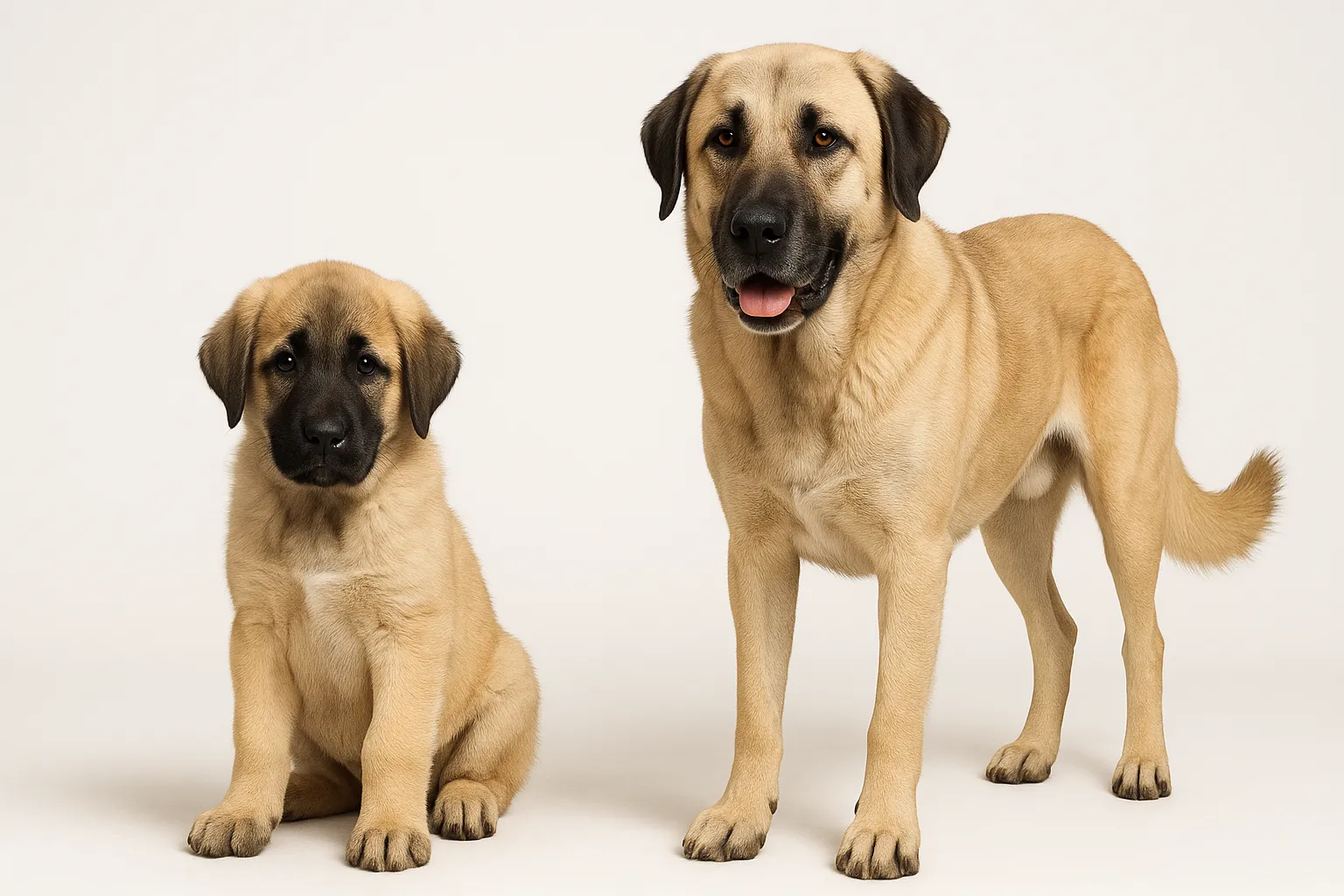
Risk runs highest in medium-to-large breeds, especially English Mastiff, Bernese Mountain Dog, German Shepherd, Rottweiler, and Labrador Retriever.
In predisposed lines, do not dismiss early gait changes as temporary growth awkwardness.
Several factors amplify the risk further:
- rapid growth fueled by calorie oversupply
- persistent excess body weight
- inconsistent exercise with sudden high-impact spikes
- delayed orthopedic evaluation after recurrent forelimb lameness
Signs Owners Should Watch For
The early signals are easy to miss because they come and go. Pay attention to patterns, not just single episodes.
- forelimb lameness after activity
- short-stride gait or stiffness on rising
- reluctance to jump or use stairs
- altered play patterns with early fatigue
- reduced willingness to train despite normal motivation
One good day does not erase a recurring pattern. If lameness keeps returning, the recurrence itself is the signal.
Diagnostic Approach and Staging
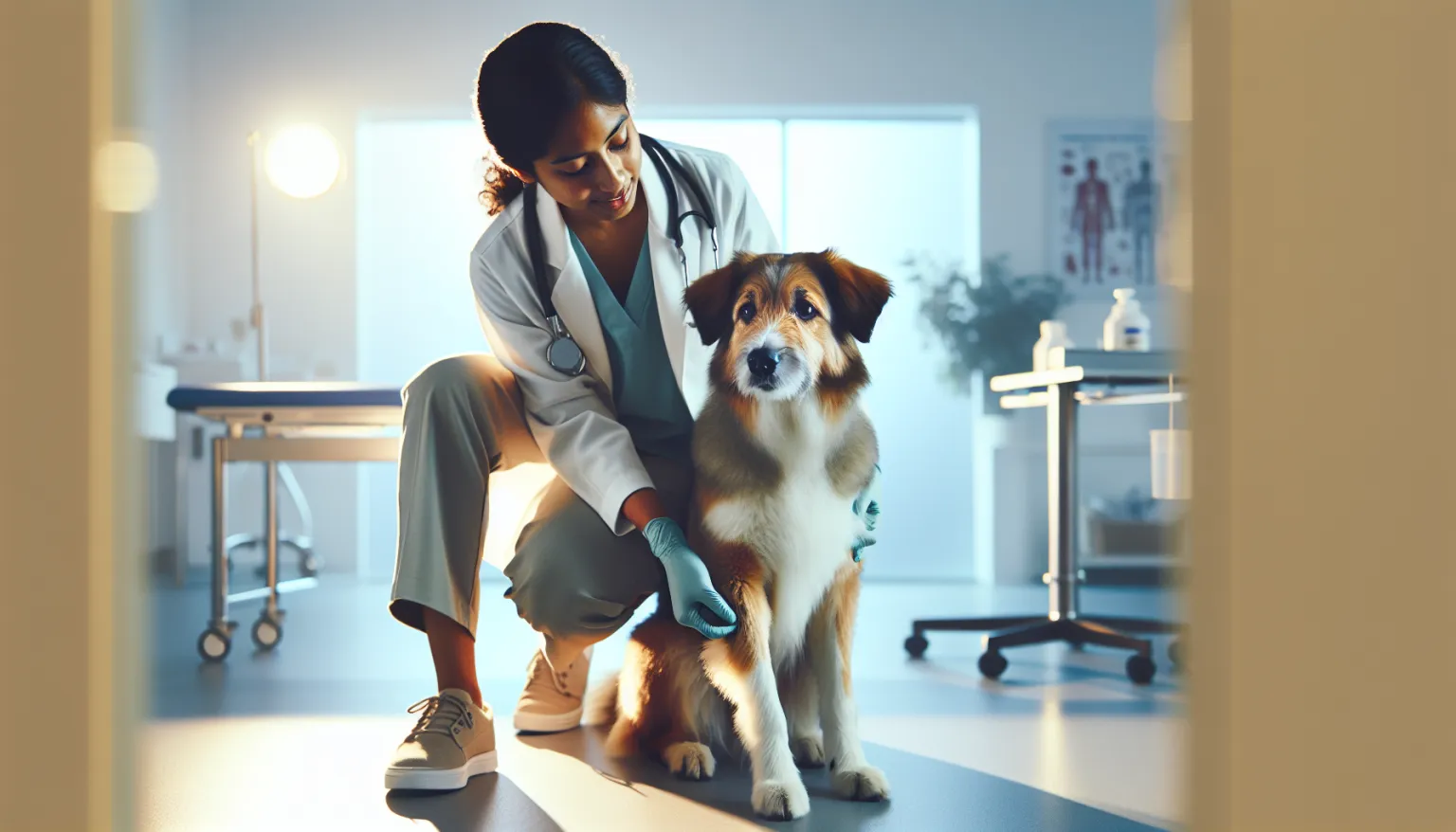
A thorough workup combines physical exam, gait assessment, and imaging decisions guided by severity and trajectory.
Orthopedic Examination
The exam localizes pain, identifies range-of-motion limitations, and reveals compensatory movement patterns your dog may have quietly developed.
Imaging
Radiography is typically the first step. Advanced imaging enters the picture when findings are unclear, surgical planning is needed, or progression outpaces expectations.
Functional Baseline
Before changing anything, define where your dog stands now. A clear baseline makes it far easier to judge whether medical, rehabilitation, or activity adjustments are actually working.
Managing Across Life Stages
Growth Phase
The priority during growth is controlled development. Avoid overfeeding, maintain lean body condition, and build fitness through progressive low-impact activity rather than uncontrolled bursts.
Adult Phase
In adulthood, the focus shifts to preserving what your dog has: reducing flare cycles, maintaining muscle support around the joint, and keeping function stable.
Senior Phase
Senior dogs need tighter reassessment intervals. Arthritis progression and compensation failure can accelerate quickly once the body’s reserves thin out.
Weight Control: The Highest-Leverage Move
If you change only one thing, make it this. Weight management is the single most reliable intervention for preserving elbow-related quality of life. Even moderate excess weight amplifies both mechanical load and inflammatory burden.
What that looks like in practice:
- monthly body weight logging
- veterinarian-reviewed body condition scoring
- calorie budgets that account for training treats
- routine reassessment whenever the activity plan changes
Related evidence: Canine Obesity and Lifespan Evidence.
Activity Loading and Rehabilitation
Rest alone rarely solves the problem. Most dogs do better with structured movement than prolonged inactivity.
Useful components include:
- consistent low-impact conditioning
- strength and proprioception exercises guided by rehabilitation goals
- controlled return-to-activity plans after flare periods
- environment adjustments to reduce slip and sudden torque
For a detailed framework, see Elbow Dysplasia Lifetime Load Management and Muscle and Mobility Longevity Protocol.
Medication and Adjunct Strategy
Medication should serve a clear purpose: improve function, reduce pain spikes, and preserve mobility. Supplements may help selected dogs, but they should never replace weight control and load design.
Before adding any adjunct, define three things:
- the target symptom or functional metric
- the expected response window
- the stop criteria if no meaningful benefit appears
This prevents long-term treatment drift where your dog stays on something indefinitely without clear evidence it helps.
When to Escalate Fast
Do not wait for a bad week to become a bad month. Prompt reassessment is warranted for:
- persistent lameness beyond 48-72 hours
- abrupt functional drop after minor activity
- pain signs that interrupt sleep or routine movement
- repeated flare cycles despite plan adherence
- visible muscle loss or increasing asymmetry
Escalating early reduces cumulative joint damage and prevents secondary deconditioning from settling in.
The Pattern Most Owners Miss
Here is the most common mistake: labeling elbow dysplasia as “managed” because pain is intermittent. Many dogs continue losing function between obvious flares without anyone noticing.
If weekly activity tolerance, gait symmetry, or next-day recovery is drifting, the plan needs revision — even if acute pain episodes are rare. Slow decline is still decline.
Home Dashboard for Longitudinal Control
Track these markers weekly:
- activity minutes and activity type
- post-activity stiffness score the next morning
- number of pain-support days required per week
- body weight and body condition score
- ability to rise, turn, and climb stairs comfortably
A written dashboard gives your veterinarian far better data than memory-based summaries at the recheck appointment.
Set Goals Based on Function, Not Comfort Labels
Elbow dysplasia plans work better when goals describe specific functional outcomes. “Comfortable” is vague. “Climb home stairs without pause” is measurable. “Complete two controlled walks daily with normal next-morning recovery” is actionable.
These targets make treatment adjustments testable. If medication, rehabilitation, or load changes do not improve defined function within the expected window, escalation decisions become clearer. Function-based goals also help owners stay engaged, because daily actions connect to visible outcomes rather than abstract disease labels.
Revisit goals quarterly and update them as age, disease stage, and household capacity evolve. Static goals can mask gradual decline if they are never recalibrated.
Why This Matters for Your Dog’s Healthspan
Elbow dysplasia affects far more than one joint. Persistent mobility decline lowers cardiovascular fitness, increases adiposity, and reduces the normal behavior patterns that protect cognitive and metabolic health. The end result is often earlier frailty — not simply a local orthopedic issue.
Longevity gains come from operational discipline: maintain lean body condition, design a sustainable load pattern, reassess quickly when recovery slows, and integrate orthopedic planning with broader preventive care. Dogs managed this way often preserve function longer and spend fewer months in high-burden pain cycles.
Avoid overreactive management swings. Severe short-term restriction followed by a rapid return to normal activity produces repeated setbacks. A controlled progression strategy with measurable checkpoints is safer and more effective than cycling between panic and neglect.
Nutritional Interventions Worth Considering
Use nutrition as a lever in elbow dysplasia care, while keeping diagnostics and treatment primary.
- Puppy Nutrition for Longevity: Growth-Rate and Skeletal Risk: adds structure for owner execution and symptom tracking.
- Collagen Peptides for Dogs: Joint Support Evidence and Practical Use: is most useful when endpoints are defined before implementation.
- Glucosamine and Chondroitin for Dogs: Evidence and Use Framework: can improve plan adherence when the household needs clear defaults.
Coordinate all supplement and medication changes through your veterinarian. What seems like a simple addition can alter the therapeutic picture.
Related Condition Pathways
Elbow dysplasia often overlaps with other long-term pathways that influence mobility and lifespan:
- Arthritis: downstream degenerative progression is common and should be monitored proactively.
- Hip Dysplasia: multi-joint burden increases compensation stress.
- Obesity: excess weight amplifies load and pain expression.
- Cruciate Ligament Disease: altered biomechanics can increase risk elsewhere.
- Intervertebral Disc Disease (IVDD): neurologic and orthopedic signs may overlap in some dogs.
Use linked pathways to improve triage and follow-up quality, not as self-diagnosis tools.
Related Breed Longevity Guides
Breed-specific context improves prevention timing and monitoring expectations:
- English Mastiff Lifespan & Longevity Guide
- Bernese Mountain Dog Lifespan & Longevity Guide
- German Shepherd Lifespan & Longevity Guide
- Rottweiler Lifespan & Longevity Guide
- Labrador Retriever Lifespan & Longevity Guide
These guides help owners align joint-protection plans with each breed’s broader risk profile.
Frequently Asked Questions
Can elbow dysplasia be cured?
Not in the sense of restoring a structurally normal joint. The developmental changes — whether fragmented coronoid process, osteochondritis dissecans, or joint incongruity — cause permanent alterations that cannot be fully reversed. However, many dogs maintain comfortable, functional lives for years with a disciplined combination of weight control, structured activity, pain management, and rehabilitation. The goal is sustained function and comfort, not anatomic perfection.
Is surgery always required?
No. The decision depends on the specific lesion type, its severity, the dog’s age and activity level, and the functional trajectory observed over time. Some dogs respond well to medical management and rehabilitation alone, particularly with mild disease or when caught early. Surgery is most strongly indicated when loose fragments, significant cartilage damage, or progressive lameness despite conservative care make continued non-surgical management unlikely to preserve acceptable function.
Do supplements alone solve the problem?
No. Joint supplements like glucosamine, chondroitin, and omega-3 fatty acids may provide modest supporting benefit as part of a comprehensive plan, but they cannot compensate for excess body weight, poor load management, or untreated mechanical problems within the joint. Weight control and structured activity design remain the primary drivers of long-term outcome. Supplements are one layer — treat them accordingly.
Should my dog avoid exercise?
Complete long-term inactivity is usually counterproductive. Prolonged rest leads to muscle atrophy, joint stiffness, and deconditioning — all of which worsen the condition over time. Most dogs with elbow dysplasia need consistent, controlled, low-impact exercise with monitored progression. The goal is to maintain muscle support around the joint and cardiovascular fitness without triggering pain flares through high-impact or uncontrolled activity.
When should we re-image?
Repeat imaging is typically warranted when symptoms escalate despite an established management plan, when response to treatment is worse than expected, or when surgical decisions depend on updated structural information. It is not needed on a fixed calendar for most dogs that are stable and responding well. Your veterinarian can help determine when new imaging would change the management approach versus when clinical assessment and trend data are sufficient.
Medical Disclaimer
This page is educational and is not a substitute for veterinary orthopedic diagnosis or treatment. Dogs with persistent lameness, severe pain, or rapid functional decline should be evaluated promptly by a veterinarian.
References
- Peer-reviewed orthopedic literature on canine elbow dysplasia progression and long-term outcomes.
- Research on body condition, mechanical loading, and osteoarthritis burden in dogs.
- AAHA pain management and rehabilitation guidance for chronic musculoskeletal disease.
- Clinical protocols for integrating weight control, activity design, and serial reassessment.
Related reads
Related Reading
Continue exploring