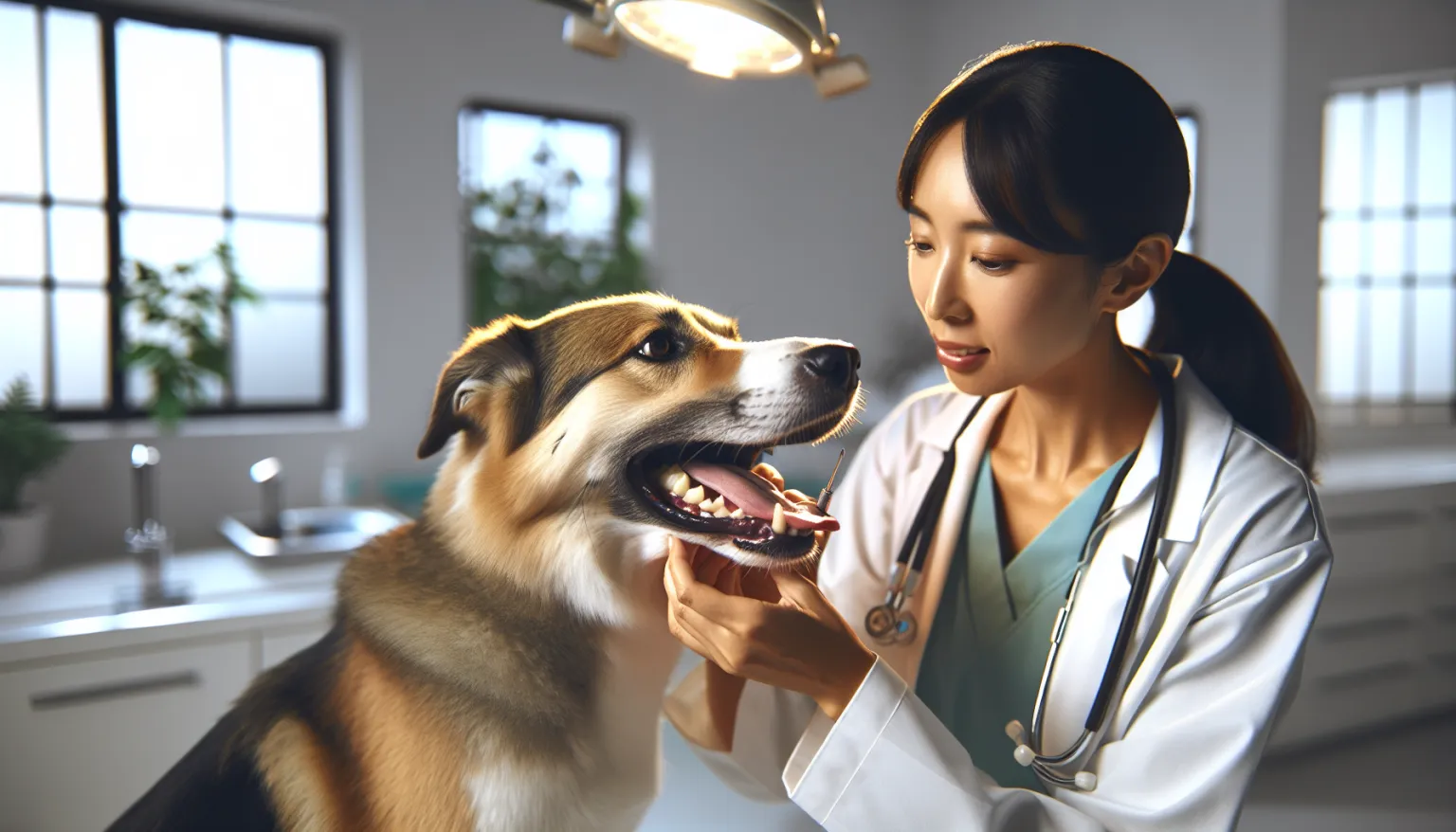
Evidence deep dives for Dental Disease
Pair mechanism-level evidence with practical protocol context before discussing next steps with your veterinarian.
80% of Dogs Over Three Already Have It
By the time most dogs turn three, something is already going wrong in their mouths. Studies estimate that roughly 80% of dogs over age three show some degree of periodontal disease. Most owners have no idea — because dogs do not stop eating when their teeth hurt. They just eat differently, more slowly, or with less enthusiasm, and their owners chalk it up to being picky.
Dental disease — more precisely, periodontal disease — is a progressive inflammatory condition that attacks the tissues surrounding the teeth: the gums, the periodontal ligament, and the alveolar bone that anchors teeth in the jaw.
The process follows a predictable chain. Plaque, a sticky bacterial biofilm, accumulates on tooth surfaces. Within 24-48 hours, minerals in saliva harden that plaque into tartar (calculus), creating a rough surface that attracts even more plaque.
Bacteria then release toxins and enzymes that inflame the gums — gingivitis. If nothing interrupts this cycle, the inflammation drives deeper, destroying the periodontal ligament and bone. Teeth loosen. Teeth fall out.
Small and toy breeds suffer disproportionately due to dental crowding, genetic factors, and longer lifespans that give the disease more time to progress.
How Bad Teeth Shorten Lives
Dental disease rarely kills a dog outright. It degrades quality of life slowly and silently, compounding damage through multiple pathways that most owners never connect to the mouth.
Chronic pain that goes unrecognized. Periodontal disease produces persistent oral pain that affects eating, playing, grooming, and sleep. Dogs are stoic. They will not announce their suffering. Quality of life erodes long before owners see the problem — and when painful teeth are finally extracted, the behavior change is often dramatic. Owners frequently say, “It’s like having a puppy again.”
Bacteria entering the bloodstream. Inflamed, ulcerated gum tissue allows oral bacteria into the bloodstream. Over time, this chronic bacteremia damages heart valves (endocarditis), kidneys, and liver.
While researchers still debate the direct causal link, a 2008 study by Pavlica et al. in the Journal of Veterinary Dentistry documented correlations between severe periodontal disease and pathological changes in major organs.
Nutritional compromise. Dogs with painful mouths eat less, drop food, or avoid harder foods — potentially leading to nutritional deficiencies and weight loss.
Jaw fractures. Advanced periodontal disease destroys so much bone that pathologic fractures can occur, particularly in small breeds with already delicate mandibles.
Oro-nasal fistulas. Severe tooth root infections erode through the thin bone between mouth and nasal cavity, creating openings that allow food, fluid, and bacteria into the nasal passages.
The most important fact about dental disease: it is highly preventable. Dogs that receive consistent home dental care and regular professional cleanings maintain oral health and comfort throughout their lives.
The Four Stages of Periodontal Disease
Stage 0: Normal
- Pink, firm gums with no inflammation
- No plaque or tartar accumulation
- Healthy tooth attachment
- Seen in puppies and dogs with excellent dental care
Stage 1: Gingivitis (The Reversible Stage)
- Mild gum inflammation along the gum line
- Slight redness, gums may bleed when touched
- Plaque accumulation visible, tartar may be forming
- Fully reversible with professional cleaning and improved home care
- No bone loss yet
This is the critical intervention window. Everything past this point involves permanent damage.
Stage 2: Early Periodontitis
- Moderate gum inflammation with recession beginning
- Less than 25% attachment loss around affected teeth
- Visible tartar accumulation and noticeable halitosis
- Requires professional cleaning under anesthesia with dental radiographs
- Damage at this stage is permanent, but progression can be stopped
Stage 3: Moderate Periodontitis
- Severe inflammation with 25-50% attachment loss
- Gum recession exposing tooth roots
- Tooth mobility may be present
- Heavy tartar buildup
- Professional cleaning, possible extractions, and antibiotics often needed
Stage 4: Severe Periodontitis
- Greater than 50% attachment loss
- Severe gum recession with root exposure
- Significant tooth mobility or tooth loss
- Bone destruction visible on radiographs
- Risk of jaw fracture in small breeds
- Multiple extractions likely necessary
- Chronic pain and difficulty eating
Breeds That Need the Most Dental Vigilance
Small and toy breeds show dramatically higher rates of periodontal disease. Tooth crowding, genetic predisposition, and proportionally smaller jaws drive the disparity.
Highest-Risk Breeds
- Yorkshire Terrier: Extremely high prevalence, often severe at young ages
- Chihuahua: Dental crowding and retained baby teeth common
- Toy Poodle: High predisposition with early onset
- Miniature Poodle: Similar pattern to toy variety
- Dachshund: Both standard and miniature sizes affected
- Cavalier King Charles Spaniel: High periodontal disease rates
- Maltese: Severe crowding, heavy disease burden
- Shih Tzu: Brachycephalic anatomy contributes
- Pomeranian: Tooth retention and crowding issues
- Papillon: Small jaw, high prevalence
Moderate-Risk Breeds
- Cocker Spaniel
- Shetland Sheepdog
- Beagle
- Pug (brachycephalic factors)
- Boston Terrier
Lower-Risk Breeds
Large breeds generally develop periodontal disease more slowly and later in life:
- Labrador Retriever
- German Shepherd
- Golden Retriever
- Rottweiler
But large breeds can still develop severe disease without proper care. When they do, larger teeth and stronger bite forces create more complicated extractions.
Recognizing Dental Disease at Each Stage
Early Signs Most Owners Miss
- Mild halitosis: Bad breath that persists regardless of what the dog ate
- Slight gum redness: Pink gums becoming darker or redder along the gum line
- Bleeding gums: Gums bleed when touched or when chewing hard items
- Plaque and tartar accumulation: Yellow-brown buildup, especially on back molars
- Pawing at mouth: Occasional rubbing of face or mouth
Progressive Signs That Demand Attention
- Persistent bad breath: Foul odor that worsens over time
- Gum recession: Teeth appear longer as gums pull back and expose roots
- Loose or missing teeth: Teeth wiggle or fall out
- Dropping food: Reluctance to chew hard kibble, food falling from mouth
- Chewing on one side: Favoring one side due to pain on the other
- Decreased appetite: Eating less or more slowly
- Head shyness: Pulling away when head or muzzle is touched
- Ropey saliva: Thick, stringy saliva
- Sneezing or nasal discharge: May signal an oro-nasal fistula
Signs of Advanced Disease
- Obvious pain behaviors: Whining when eating, pawing at mouth, aggression when mouth area is touched
- Facial swelling: Abscess causing visible swelling below the eye or along the jaw
- Jaw chattering or abnormal chewing motions
- Weight loss: From inability or unwillingness to eat
- Pus or blood from gums
- Tooth fractures: Visible broken or cracked teeth
- Behavioral changes: Irritability, depression, social withdrawal
Many dogs show minimal signs until disease is advanced. Their instinct to hide pain works against early detection — which is why proactive examination matters more than waiting for symptoms.
What Happens at the Diagnostic Exam
Conscious Oral Examination
During routine exams, veterinarians assess gum color, texture, and inflammation; visible plaque and tartar; obvious tooth damage or missing teeth; facial symmetry; and breath odor.
However, conscious exams miss roughly 70% of dental pathology. The most critical areas — tooth roots, subgingival plaque, and bone loss — remain hidden without anesthesia.
Complete Oral Examination Under Anesthesia
Gold standard dental assessment requires general anesthesia to probe periodontal pockets and measure attachment loss, examine every tooth surface including hidden areas, assess tooth mobility, and evaluate the entire oral cavity.
Dental Radiography: Where 60% of Disease Hides
Full-mouth dental X-rays are essential. They reveal bone loss around tooth roots (invisible from the surface), tooth root abscesses, retained roots from previously broken teeth, jaw bone integrity, and unerupted or impacted teeth.
Approximately 60% of dental pathology exists below the gum line, invisible without radiographs. Modern veterinary dentistry considers full-mouth radiographs standard of care.
Prevention: Dramatically More Effective Than Treatment
Daily Tooth Brushing Is the Gold Standard
Daily brushing mechanically removes plaque before it mineralizes into tartar. Studies show that daily brushing reduces plaque and gingivitis by 60-80% compared to no brushing.
How to brush effectively:
- Use veterinary toothpaste (NEVER human toothpaste — xylitol and fluoride are toxic to dogs)
- Use a soft-bristled brush or finger brush
- Focus on outer tooth surfaces along the gum line, where plaque accumulates most
- Aim for 30-60 seconds per session
- Consistency matters more than perfection — daily brushing, even incomplete, beats thorough weekly brushing
Starting a brushing routine:
- Begin in puppyhood when possible
- Start by just touching lips and teeth, rewarding calmly
- Gradually introduce toothpaste flavor (most dogs enjoy poultry or malt)
- Progress slowly to short brushing sessions
- Make it a calm, positive, rewarding experience
Dental Chews and Diets: Helpful but Not Sufficient
VOHC-Approved Products: The Veterinary Oral Health Council evaluates and approves products proven to reduce plaque and tartar. Look for the VOHC seal — it means the product has passed actual efficacy testing.
Dental chews (Greenies, OraVet, Whimzees): Mechanical abrasion during chewing reduces plaque. Effectiveness varies by product. Daily use is necessary.
Dental diets (Hill’s t/d, Royal Canin Dental, Purina DH): Specialized kibble texture scrapes teeth during chewing. Studies show modest tartar reduction when used as the primary diet.
Limitations: Chews and diets help but do not replace brushing. They miss many tooth surfaces and have limited effect on existing tartar. Some products pose choking or obstruction risks if not sized appropriately.
Water Additives
Dental water additives containing chlorhexidine or enzymes may provide mild antibacterial benefits. Evidence for efficacy is limited and quality varies across products. They do not replace mechanical plaque removal.
Professional Dental Cleanings
Even with excellent home care, most dogs eventually need professional cleanings under anesthesia.
Frequency depends on breed (small breeds may need annual cleanings; large breeds every 2-3 years), home care compliance, individual disease progression rate, and age and overall health.
Professional cleanings include anesthesia for patient safety, scaling to remove tartar above and below the gum line, polishing to smooth tooth surfaces and slow plaque re-accumulation, full-mouth radiographs to identify hidden pathology, extractions if teeth are non-salvageable, and pain management as needed.
Why “Anesthesia-Free” Dentistry Falls Short
“Anesthesia-free” dental cleanings are marketed as safer and cheaper alternatives. Veterinary dental organizations (AVDC, AAHA) strongly discourage them because they:
- Cannot clean below the gum line, where disease actually progresses
- Cannot perform radiographs to diagnose hidden disease
- Are stressful and potentially dangerous for the dog
- Create a false sense of security by making teeth look cosmetically clean while disease advances unseen
- Leave rough surfaces after scaling without proper polishing, actually accelerating future plaque buildup
A clean-looking tooth with a diseased root is worse than an ugly tooth you know is diseased.
Building the Brushing Habit: A 30-Day Ladder
For owners starting from zero, a staged approach works:
- Days 1-7: Lip and muzzle handling only. Keep sessions short, reward calmly.
- Days 8-14: Introduce veterinary toothpaste flavor and brief gum-line contact.
- Days 15-21: Begin short brushing passes on outer tooth surfaces.
- Days 22-30: Progress toward near-daily brushing at a consistent time.
Habit formation matters more than perfect technique in the first month. A quick daily brush beats a thorough monthly one by an enormous margin.
Treating Established Disease by Stage
Stage 1 (Gingivitis)
- Professional scaling and polishing under anesthesia
- Improved home dental care (daily brushing)
- Reassess in 6-12 months
- Fully reversible with treatment
Stage 2 (Early Periodontitis)
- Professional cleaning with scaling and root planing
- Dental radiographs to assess bone loss
- Antibiotics if infection is present
- Daily home care becomes essential, not optional
- More frequent professional cleanings (every 6-12 months)
- Damage is permanent, but progression can be halted
Stage 3 (Moderate Periodontitis)
- Comprehensive cleaning under anesthesia
- Full-mouth radiographs
- Extraction of severely affected teeth
- Root planing for salvageable teeth
- Antibiotics and pain management
- Intensive home care
- Recheck exams every 6 months
Stage 4 (Severe Periodontitis)
- Multiple extractions likely necessary
- Extensive radiographs to assess jaw bone integrity
- Antibiotics for systemic infection
- Aggressive pain management
- Post-operative soft diet
- Consider referral to a veterinary dentist for complex cases
- Non-salvageable teeth should come out — extraction eliminates the source of chronic pain
Pain Management After Dental Procedures
Following cleanings and extractions:
- NSAIDs (carprofen, meloxicam) for inflammation and pain
- Opioid pain relievers (buprenorphine, tramadol) for moderate-severe pain
- Gabapentin for nerve pain in complex extractions
- Antibiotics if infection was present
- Soft food for 10-14 days post-extraction
Most dogs show immediate improvement in appetite and behavior after painful teeth are removed, even accounting for surgical recovery. This is one of the most consistently rewarding procedures in veterinary medicine.
The First 10 Days After Dental Extractions
Home care quality in this window directly affects recovery:
- Follow pain-control dosing exactly as prescribed.
- Feed texture-appropriate meals and avoid hard chew items until cleared.
- Monitor appetite, swelling, bleeding, and oral comfort daily.
- Prevent rough play or object chewing that could disrupt healing sites.
- Contact your veterinary team promptly for worsening pain, odor, discharge, or refusal to eat.
Structured aftercare lowers complication risk and speeds the return to comfortable eating.
What Happens When Dental Disease Goes Untreated
Tooth Root Abscesses
Infected tooth roots form pockets of pus that cause facial swelling (especially below the eye for upper teeth), draining tracts through the skin, fever, lethargy, loss of appetite, and severe pain. Treatment requires extraction and antibiotics.
Oro-Nasal Fistulas
Upper canine teeth sit separated from the nasal cavity by a thin bone shelf. Severe infections erode this barrier, creating a hole connecting mouth to nose. Signs include chronic one-sided nasal discharge, sneezing after eating or drinking, food visible in the nose, and chronic sinus infections. Treatment requires extraction and surgical closure.
Pathologic Jaw Fractures
In small breeds with severe periodontitis, bone destruction can advance so far that the jaw fractures during normal activities — chewing, minor bumps, even yawning. These fractures require surgical repair and are devastating, preventable complications.
Systemic Effects
Chronic bacteremia from oral infections has been associated with heart valve damage (endocarditis), kidney damage, liver inflammation, and weakened immune function. The chronic inflammatory burden clearly affects whole-body health.
Long-Term Outlook and Management
Early-stage disease (Stage 1-2): Excellent prognosis with treatment and consistent home care. Progression can be halted or significantly slowed.
Moderate disease (Stage 3): Good prognosis with aggressive treatment. Permanent damage has occurred, but pain can be managed and further progression slowed.
Advanced disease (Stage 4): Fair prognosis. Many teeth may need extraction, but quality of life improves dramatically once painful teeth are removed. Dogs adapt remarkably well to missing teeth — they can eat normally with few or no teeth if needed.
The key message: periodontal disease is chronic and progressive. Even after professional treatment, home care must continue and periodic professional cleanings will be needed throughout life.
Senior Dogs and Anesthesia: Addressing the Real Concern
Many owners delay dental care in senior dogs due to anesthesia concerns. Here is the reality:
- Modern veterinary anesthesia is remarkably safe, even in seniors
- Pre-anesthetic bloodwork and monitoring minimize risk
- The risk of untreated dental disease typically exceeds the risk of anesthesia for most patients
- Chronic dental pain significantly degrades quality of life in seniors
A thorough pre-anesthetic assessment determines whether a dog is a safe candidate. The alternative — leaving painful, infected teeth in a senior dog’s mouth — has its own serious risks.
Other Dental Considerations
Retained Baby Teeth
Small breeds often retain baby teeth when adult teeth erupt, causing crowding and accelerating periodontal disease. Retained deciduous teeth should be extracted promptly, usually during spay/neuter surgery.
Oral Tumors vs. Periodontal Disease
Not all oral masses are infections. Oral tumors (melanoma, squamous cell carcinoma, fibrosarcoma) can mimic periodontal swelling. Any non-healing oral mass should be biopsied.
When to Seek Veterinary Care
Routine dental exams should occur annually for most dogs during wellness visits, and every 6 months for high-risk breeds or dogs with existing disease.
Urgent evaluation is needed for:
- Facial swelling, especially below the eye — this may indicate a tooth root abscess that needs same-day attention
- Bleeding from the mouth that does not stop
- Inability or refusal to eat for more than 24 hours
- Obvious pain when mouth is touched
- Broken teeth with exposed pulp (pink center visible)
- Nasal discharge that develops in the context of dental issues
- Sudden behavioral changes with oral pain signs
Diet and Supplement Considerations
For Dental Disease, diet choices can improve adherence and reduce avoidable setbacks between visits.
- Feeding Guide for Adult Dogs: Maintenance Nutrition Without Drift: helps reduce preventable drift when paired with scheduled reassessment.
- Feeding Guide for Senior Dogs: Healthspan Nutrition: adds structure for owner execution and symptom tracking.
- Prescription Diets for Dogs: Evidence, Use Cases, and Limits: is most useful when endpoints are defined before implementation.
Run proposed changes past your veterinarian before acting. Dose adjustments and new additions can interact with existing treatments.
Related Condition Pathways
These adjacent condition guides can help with differential thinking, prevention strategy, and care planning:
Related Breed Longevity Guides
These breed-specific guides support deeper planning around longevity risk and prevention execution for this condition:
- Chihuahua
- Yorkshire Terrier
- Dachshund
- Toy Poodle
- Miniature Poodle
- Cavalier King Charles Spaniel
- Shih Tzu
- Maltese
Where This Condition Fits in Longevity Research
- Dental Disease in Dogs: Oral Health and Longevity
- The Dental-Systemic Disease Connection in Dogs
- Vet Dental Cleaning Frequency Evidence
Frequently Asked Questions
How often should I brush my dog’s teeth? Daily is ideal. Every other day is acceptable. Less than 3 times per week provides minimal benefit because plaque starts mineralizing into tartar within 24-48 hours of forming. Think of it this way: you would not expect your own teeth to stay clean if you only brushed twice a week. The same biology applies to your dog. Even a quick, imperfect daily brush prevents more disease than a thorough monthly one.
Can dogs live without teeth? Yes, and they often thrive. Dogs with few or no teeth adapt remarkably well — they can eat kibble (by swallowing or gumming it) or softened food without difficulty. Quality of life is significantly better without painful diseased teeth than with them. Owners almost universally report that their dog is happier, more energetic, and more interested in food after extractions.
Are dental chews enough? No. Dental chews are helpful supplements to a dental care routine, but they do not replace brushing or professional cleanings. They miss many tooth surfaces, particularly the inner surfaces and gum line where disease begins. Think of dental chews as flossing one tooth while ignoring the other 41.
Is anesthesia-free dental cleaning safe? Veterinary dental organizations (AVDC, AAHA) strongly discourage anesthesia-free cleanings. They cannot address disease below the gum line — where the actual damage occurs — cannot radiograph for hidden pathology, and create a dangerous false sense of security. The teeth may look clean afterward, but the disease continues to progress unseen.
At what age should I start dental care? Begin tooth brushing as soon as you bring a puppy home (8 weeks and up). Early habituation makes lifelong care dramatically easier — a puppy that learns to accept tooth brushing considers it normal; an adult dog that has never experienced it considers it an invasion. First professional cleaning typically occurs when tartar accumulation or gingivitis appears, often 1-3 years of age depending on breed.
My dog’s breath smells bad. Is this normal? No. Healthy mouths should not have foul odor. Bad breath (halitosis) indicates bacterial overgrowth from plaque and tartar accumulation or, less commonly, more serious disease such as oral tumors, kidney disease, or diabetes. Persistent bad breath always warrants veterinary evaluation — it is a symptom, not a personality trait.
How much do professional dental cleanings cost? Costs vary by region and complexity but typically range from $300-$1,500 depending on disease severity, number of extractions needed, and geographic location. Prevention through daily home care is dramatically less expensive than treating advanced disease, which can require multiple extraction sessions and thousands of dollars.
Medical Disclaimer
This guide is informational and does not replace in-person veterinary diagnosis or treatment. If your dog is acutely unwell, seek veterinary care immediately.
References
[1] American Veterinary Dental College (AVDC) [2] Veterinary Oral Health Council (VOHC) [3] Niemiec BA. “Periodontal disease.” Top Companion Anim Med. 2008. [4] American Animal Hospital Association (AAHA) Dental Care Guidelines [5] Harvey CE, Emily PP. Small Animal Dentistry. Mosby. 1993. [6] Pavlica Z, et al. “Periodontal disease burden and pathological changes in organs of dogs.” J Vet Dent. 2008. [7] Logan EI. “Dietary influences on periodontal health in dogs and cats.” Vet Clin North Am Small Anim Pract. 2006. [8] Merck Veterinary Manual: Dental Disorders of Dogs [9] Bellows J. Feline Dentistry: Oral Assessment, Treatment, and Preventative Care. Wiley-Blackwell. 2010. [10] World Small Animal Veterinary Association (WSAVA) Dental Guidelines
Related reads
Related Reading
Continue exploring